


How to fuel
Articles 25–48 of 65
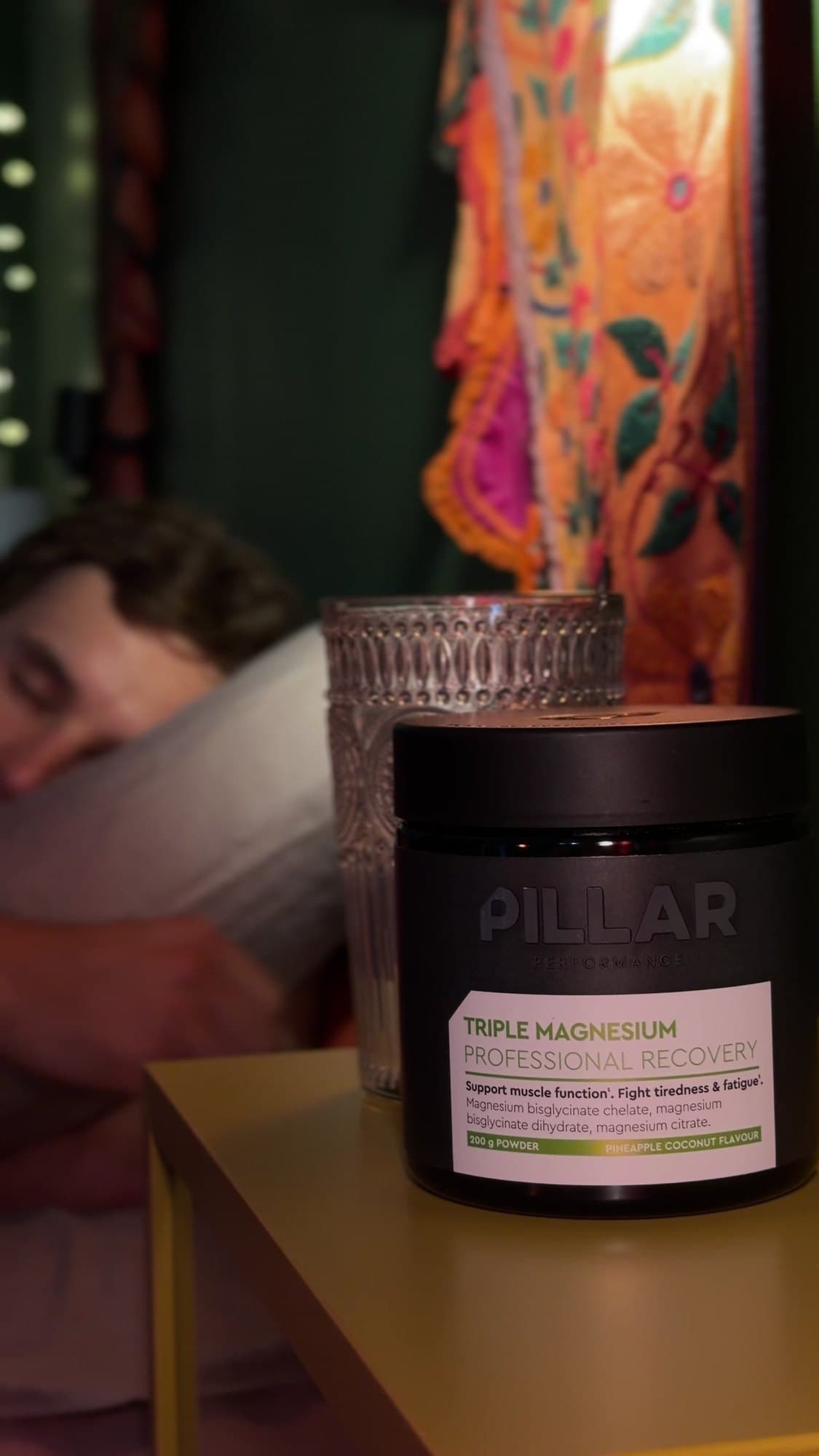
A runner's sleep in winter: how to fix your bedtime when you train in the evening
In winter training shifts to the evening and sleep turns broken. We break down the bedtime ritual of PILLAR athlete Aleksandr Semyonov and the role of magnesium in recovery.
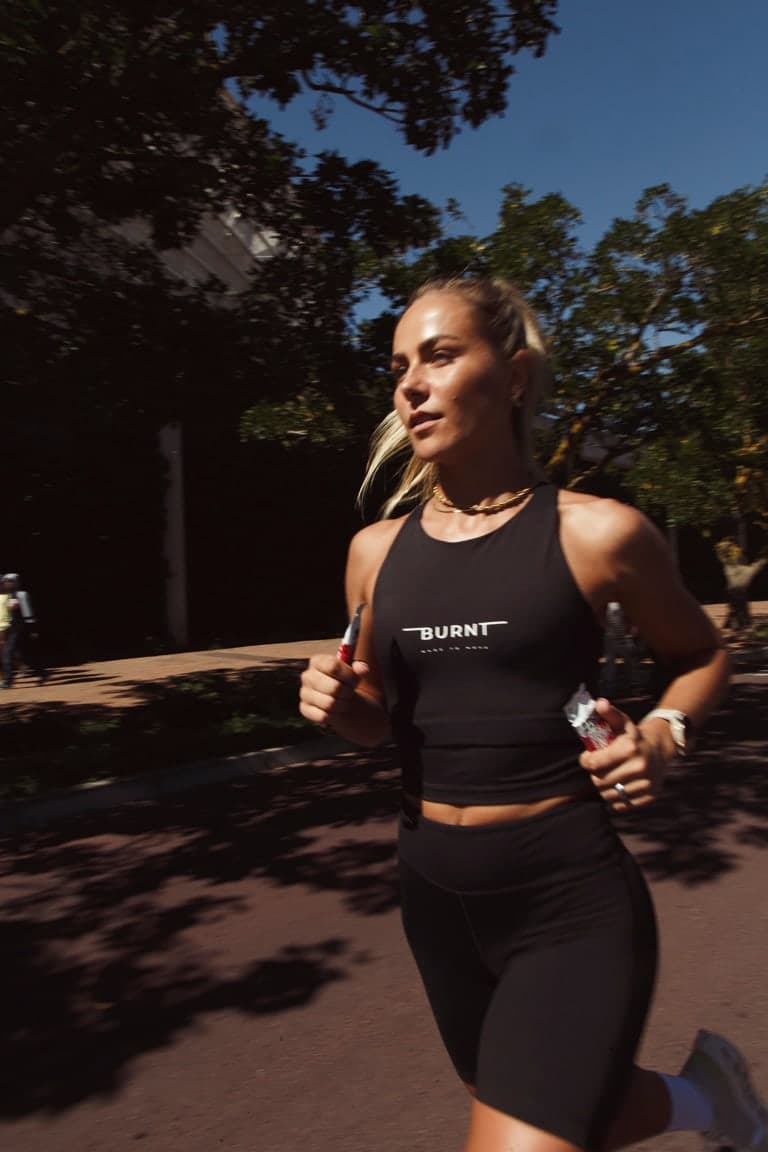
What to take on a long run: your fuelling kit for a 20 km session
How to build your fuelling for a long run: working out water and carbs per hour, a flask of energy drink, a gel in your pocket and recovery straight after the session.
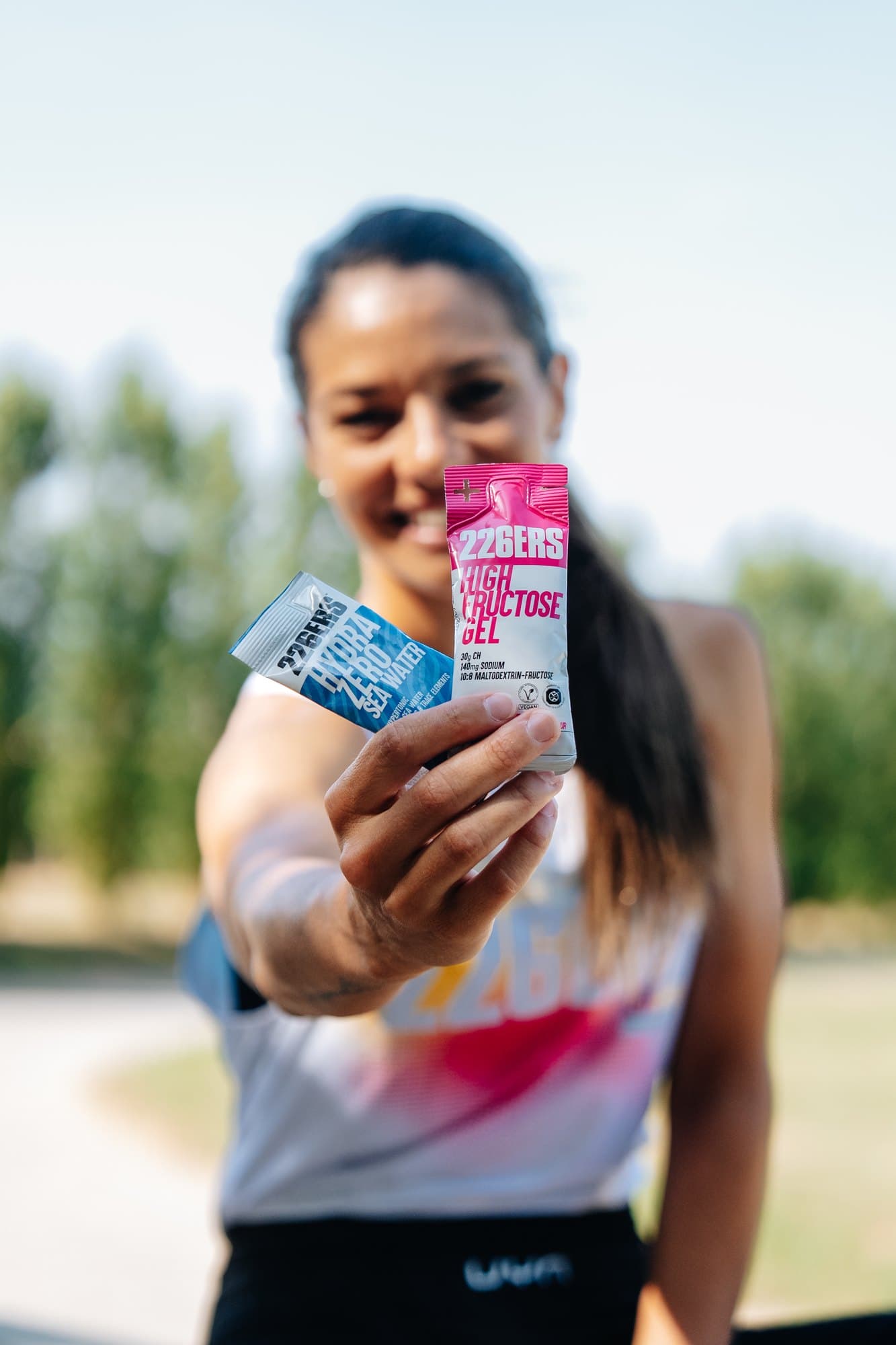
Salt loading before the start: a hypertonic drink made from sea water
How sodium works over long distances, how a hypertonic drink differs from an isotonic one, and how to take Hydrazero Sea Water by 226ERS before the start, during the race and after the finish.
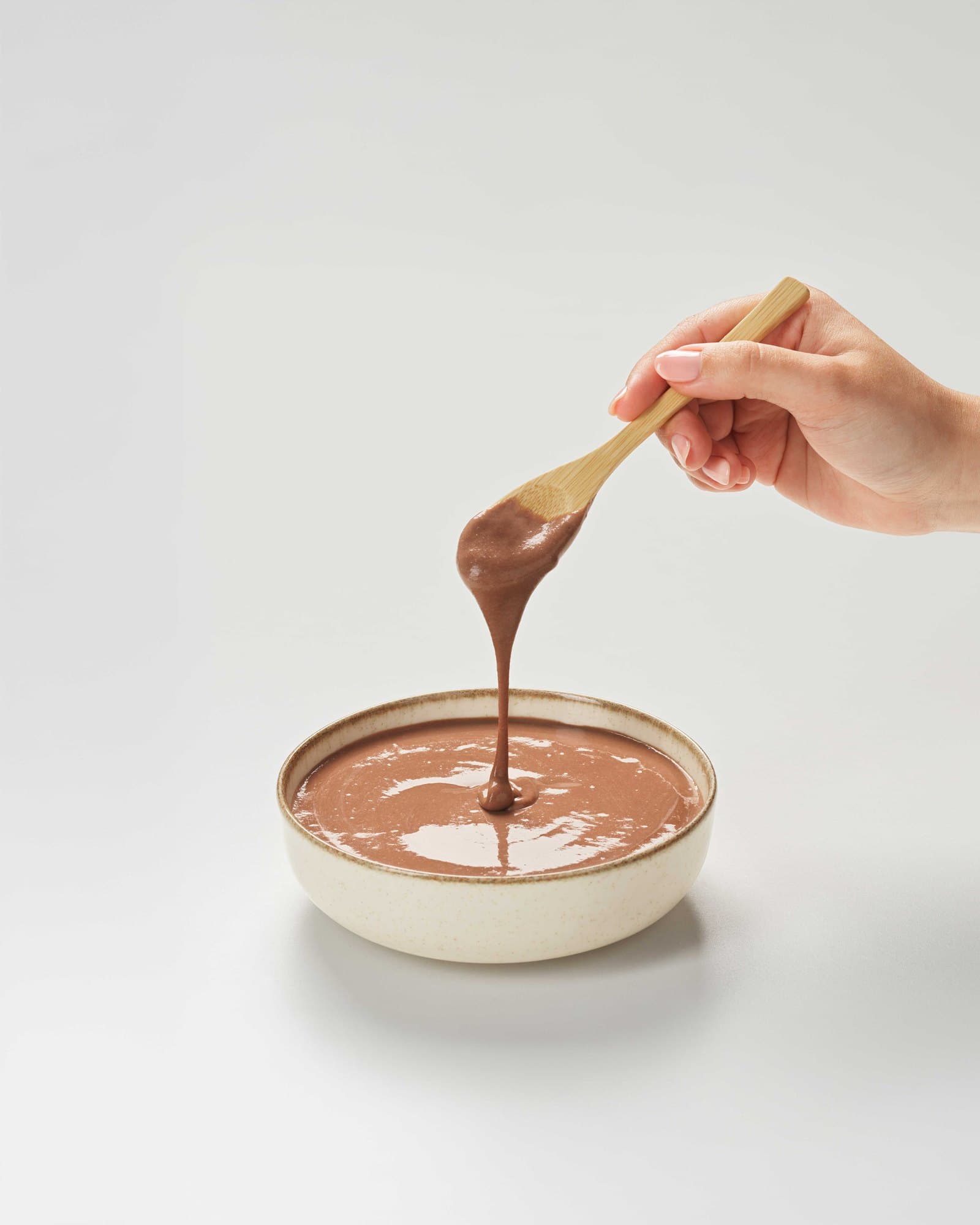
Protein before bed: why runners and triathletes use casein
How taking protein before bed works when training volume is high, which days it is needed, and how Night Recovery Cream 2.0 is built from casein, whey and isolate.
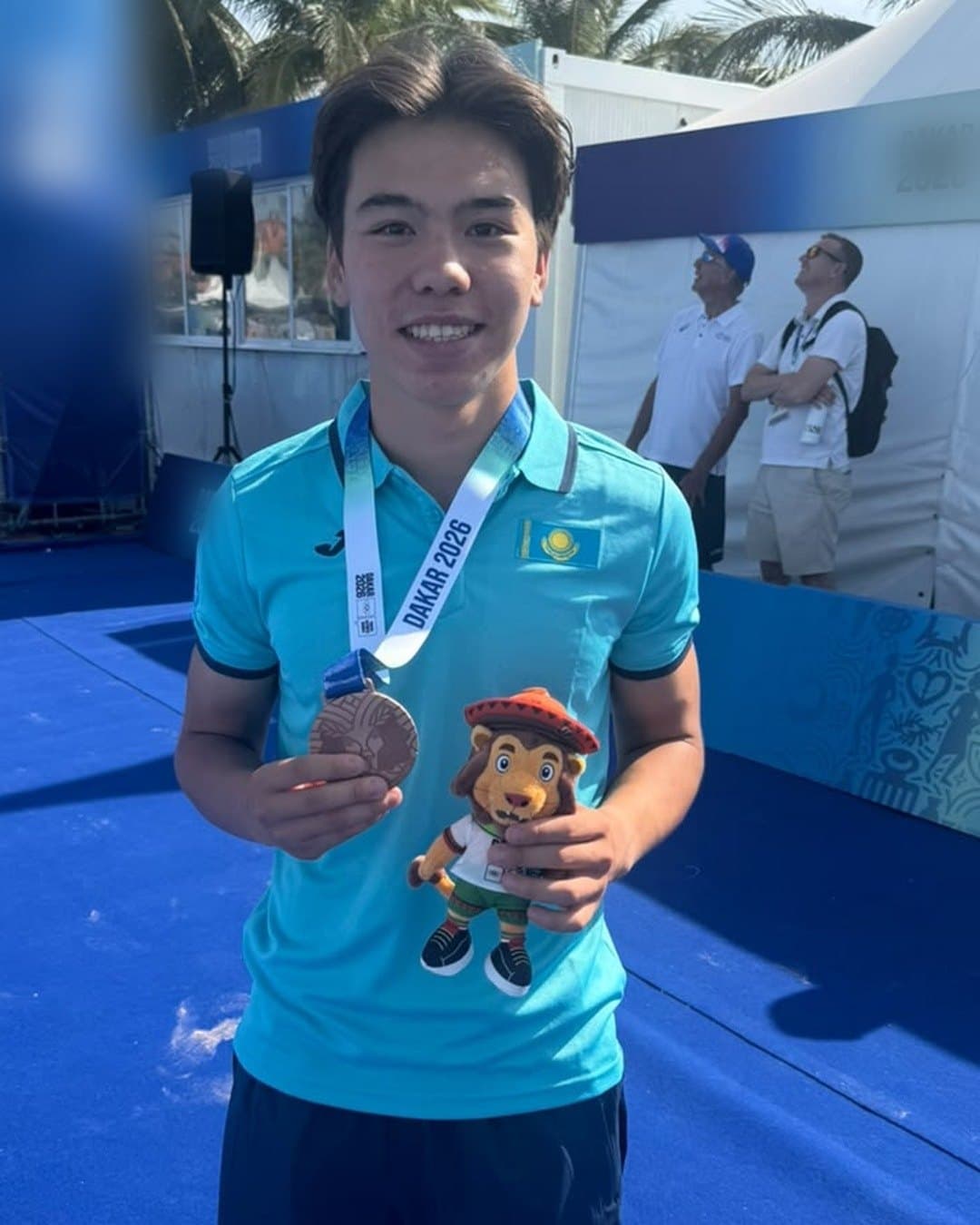
Sprint triathlon nutrition: a fuelling plan for a race of about an hour
How to eat and drink before a sprint triathlon and on the bike leg. The prompt for this piece was Ramazan Ainegov's bronze at the Dakar 2026 Youth Olympic Games.
Running 10 km after a marathon: a two-week plan and nutrition before the start
Two weeks after a marathon you can race 10 km fast. How to plan the week before the start, what to have for breakfast and why one gel 15 minutes before the gun.
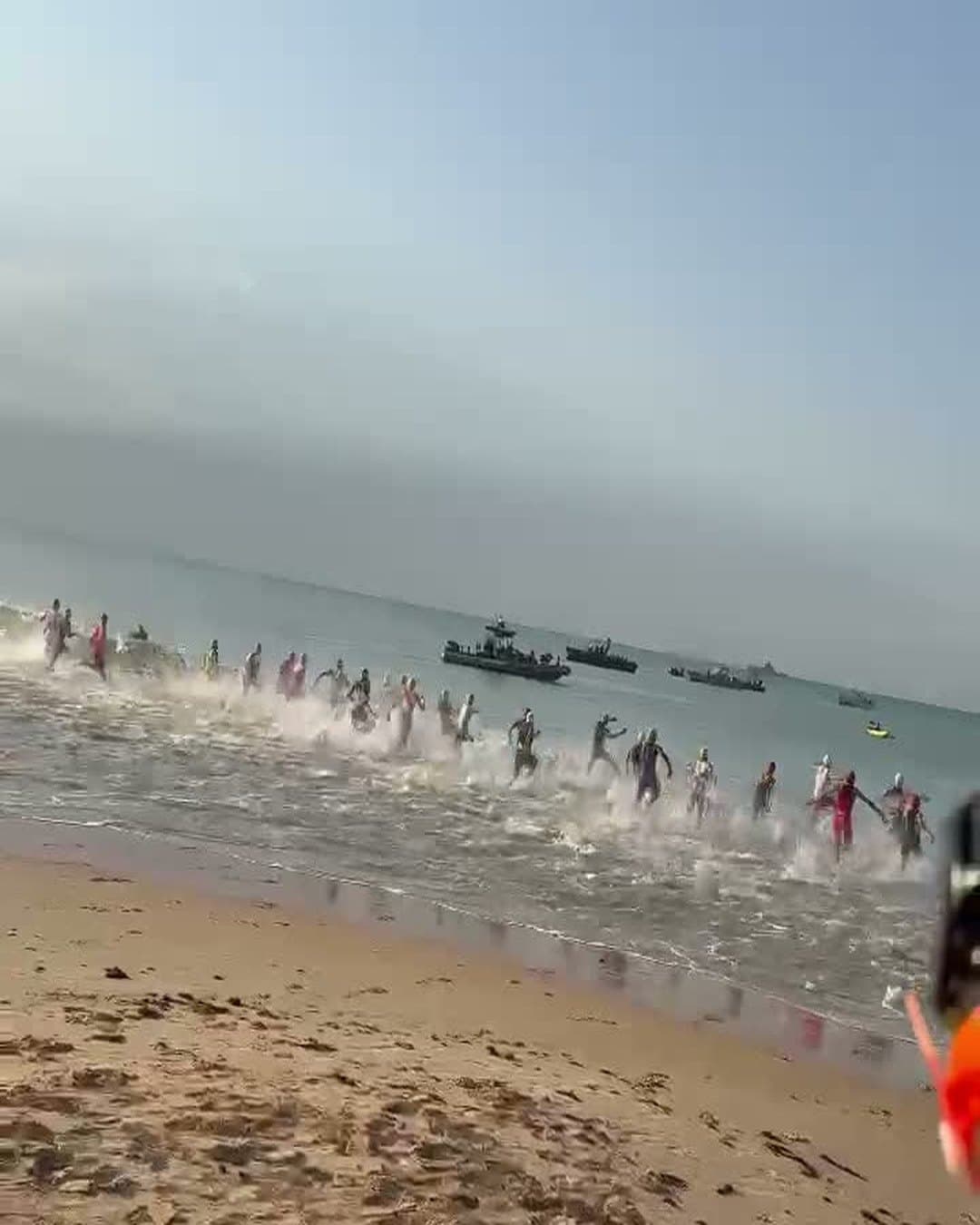
Heat acclimatisation before a triathlon: Ramazan Ainegov's experience
How to prepare for a race in a hot climate: a week of acclimatisation, electrolytes, nitrate loading and fuelling on a short race, drawn from a bronze medal in Saly.
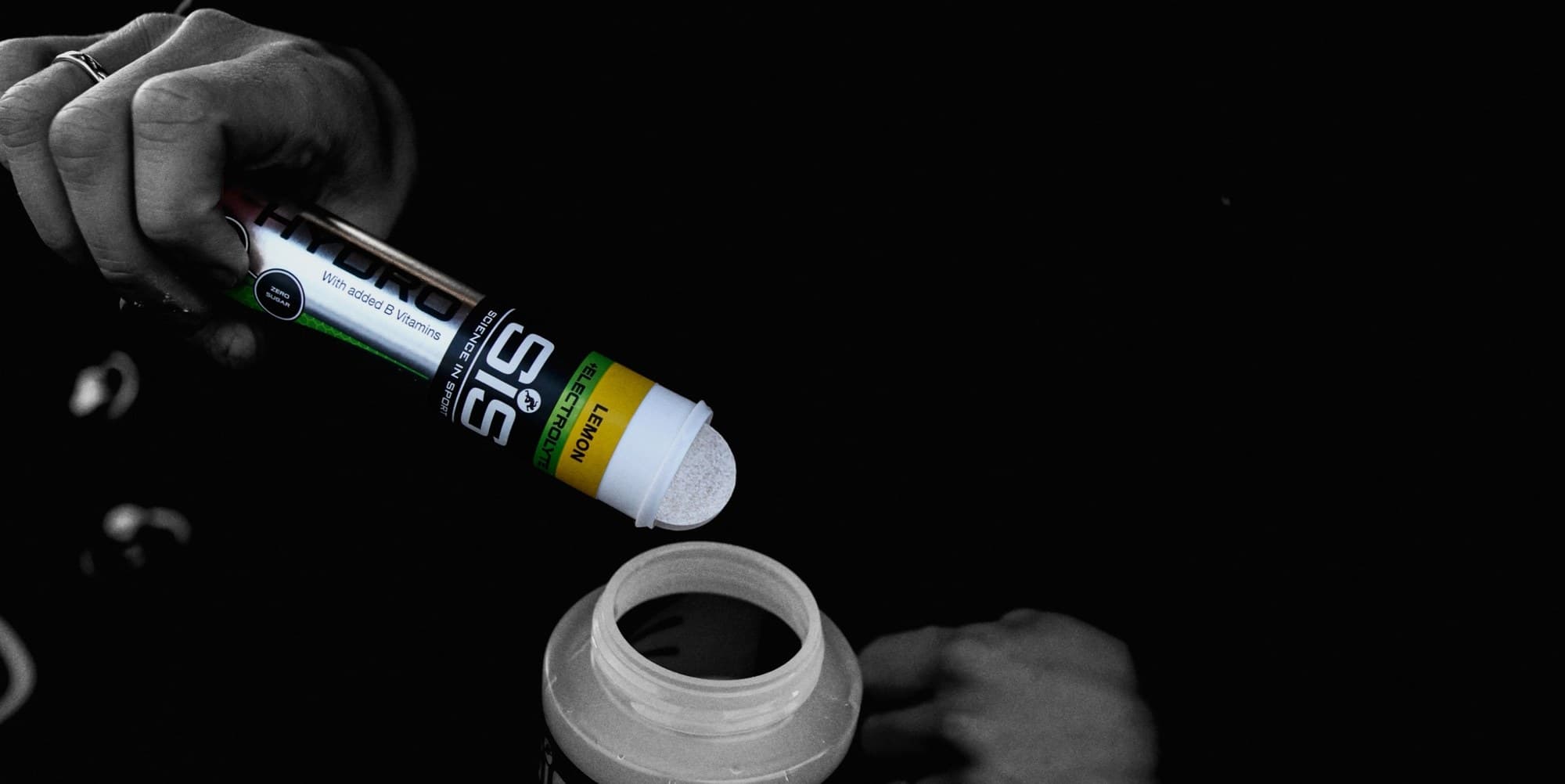
SiS effervescent tablets: GO Hydro, Hydro with caffeine and Immune
Calorie-free hydration, caffeine in your bottle and vitamin C during heavy training. How the three types of SiS effervescent tablets differ and when to use each.
How much protein and carbohydrate a runner needs after training
Why protein and carbohydrate are needed together after a session, how the thirty-minute recovery window works and how to prepare the Recovery Drink 226ERS recovery shake.
How many carbs per hour on a long session: a plan for two hours
How many carbs and how much water you need per hour on a long session, why a concentrate beats an isotonic drink in winter and what to drink at the finish: the plan used by Pedro Visuete, 226ERS.
Off-season nutrition: what changes once the racing season is over
How to rebuild your nutrition in the off-season: when gels are still needed, why protein matters after every session, vitamins for winter and why consistency beats volume.
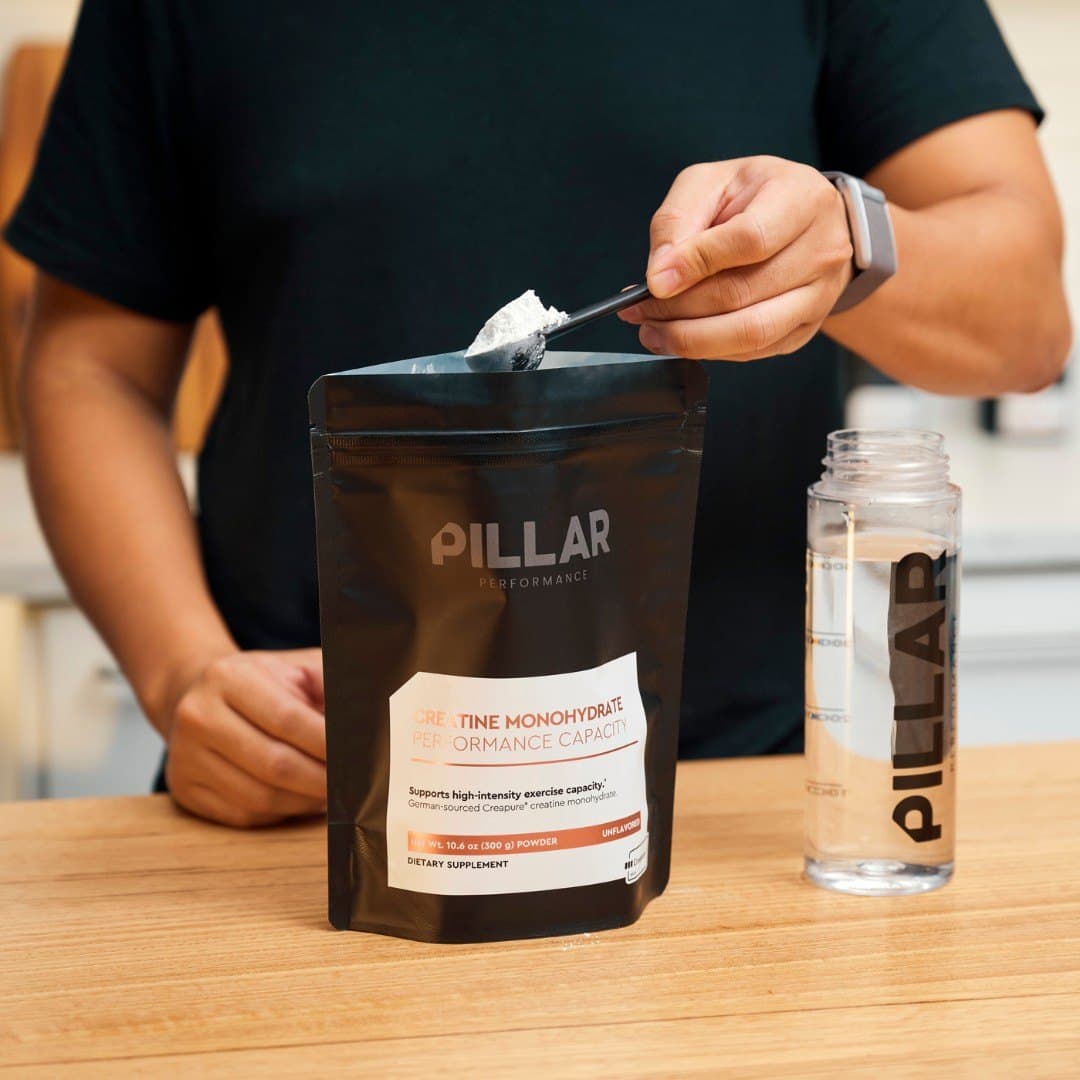
Creatine without a loading phase: the 3 g a day protocol
How to take creatine monohydrate without a loading phase: 3 g a day, dosing on rest days, saturation in 3-4 weeks and the weight gain of the first few weeks.
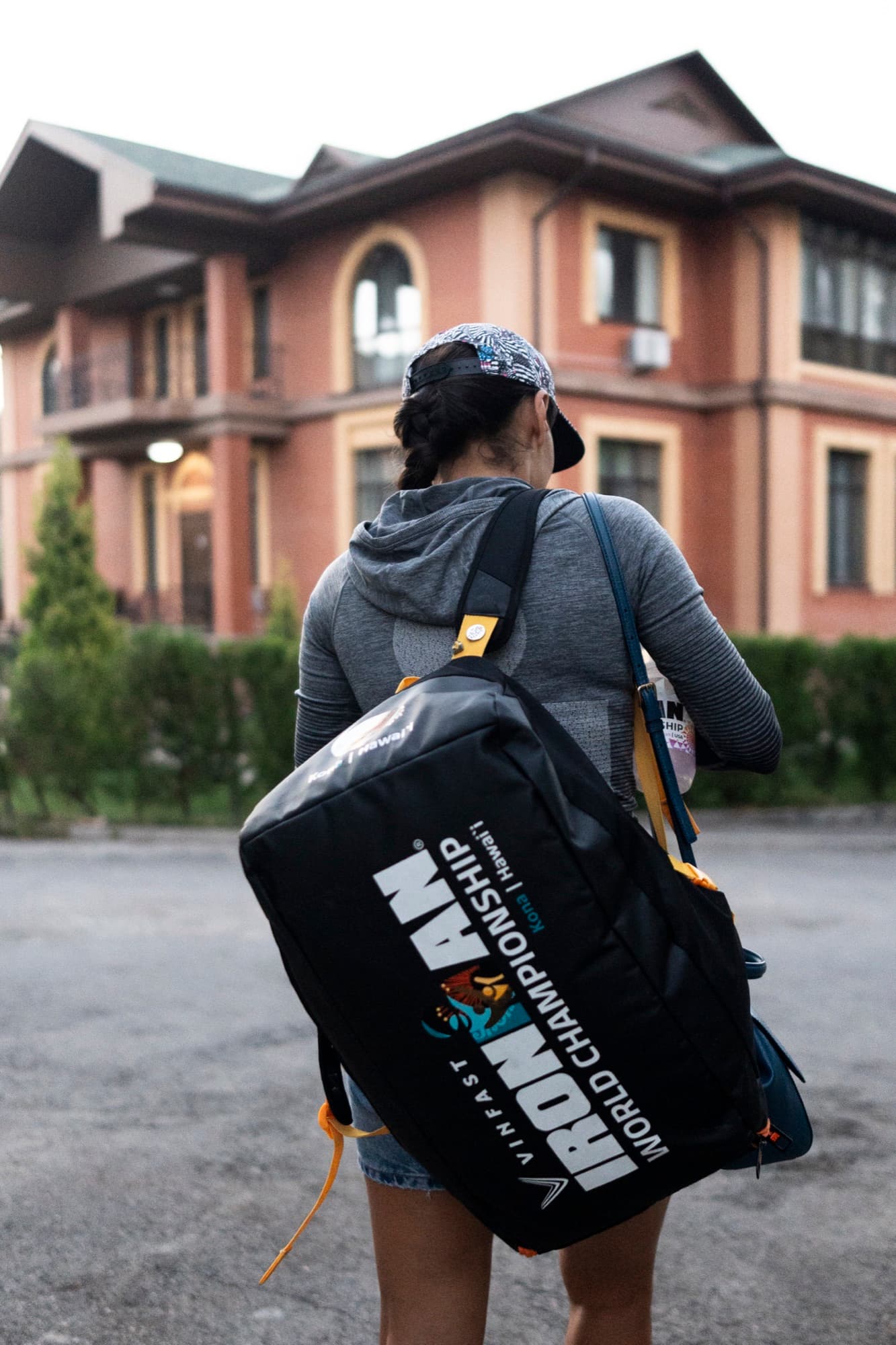
Nutrition for a destination marathon: what to pack in your hand luggage
How to put together your nutrition for a destination marathon: what belongs in your hand luggage, why sachets of isotonic drink beat a tub of powder and why the “no new food” rule matters in the two days before the start.
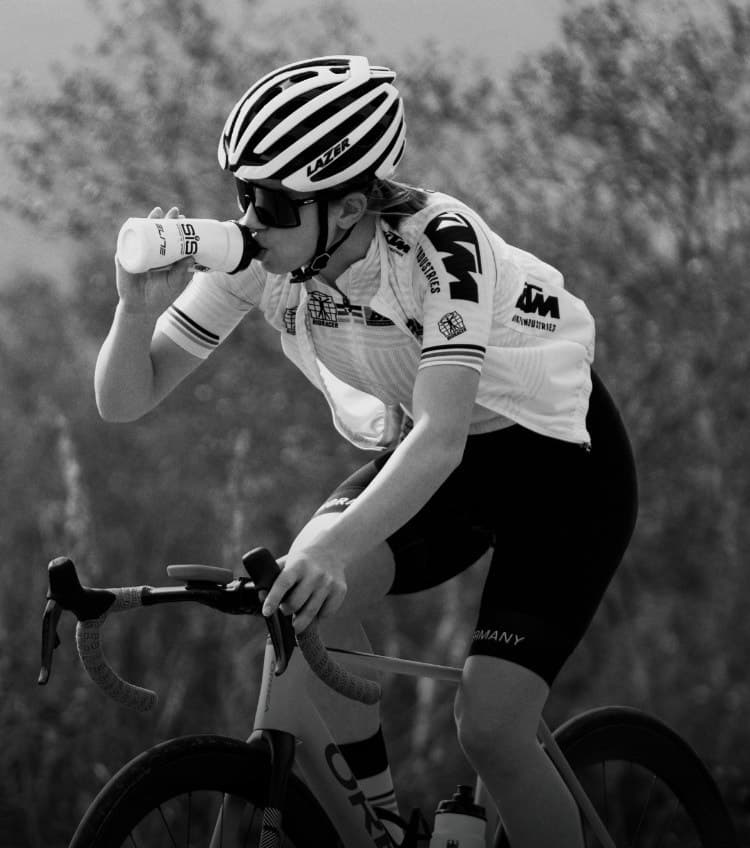
SiS GO Electrolyte: how to use an isotonic drink on long sessions
36 g of carbs per 500 ml, a 6% solution and 20 mmol/l of sodium. How to mix GO Electrolyte, how much to drink and why stronger doesn't mean better.
Hypotonic or isotonic: which drink to use in training
How a hypotonic drink differs from an isotonic one, how much water and sodium you lose in sweat, and why sugar-free electrolytes make sense in sessions under an hour.
Gel without water: fuelling for courses with few aid stations
Why a thick gel is hard to take without water, how the SiS GO Isotonic format works and how to build a fuelling plan for a course with sparse aid stations.
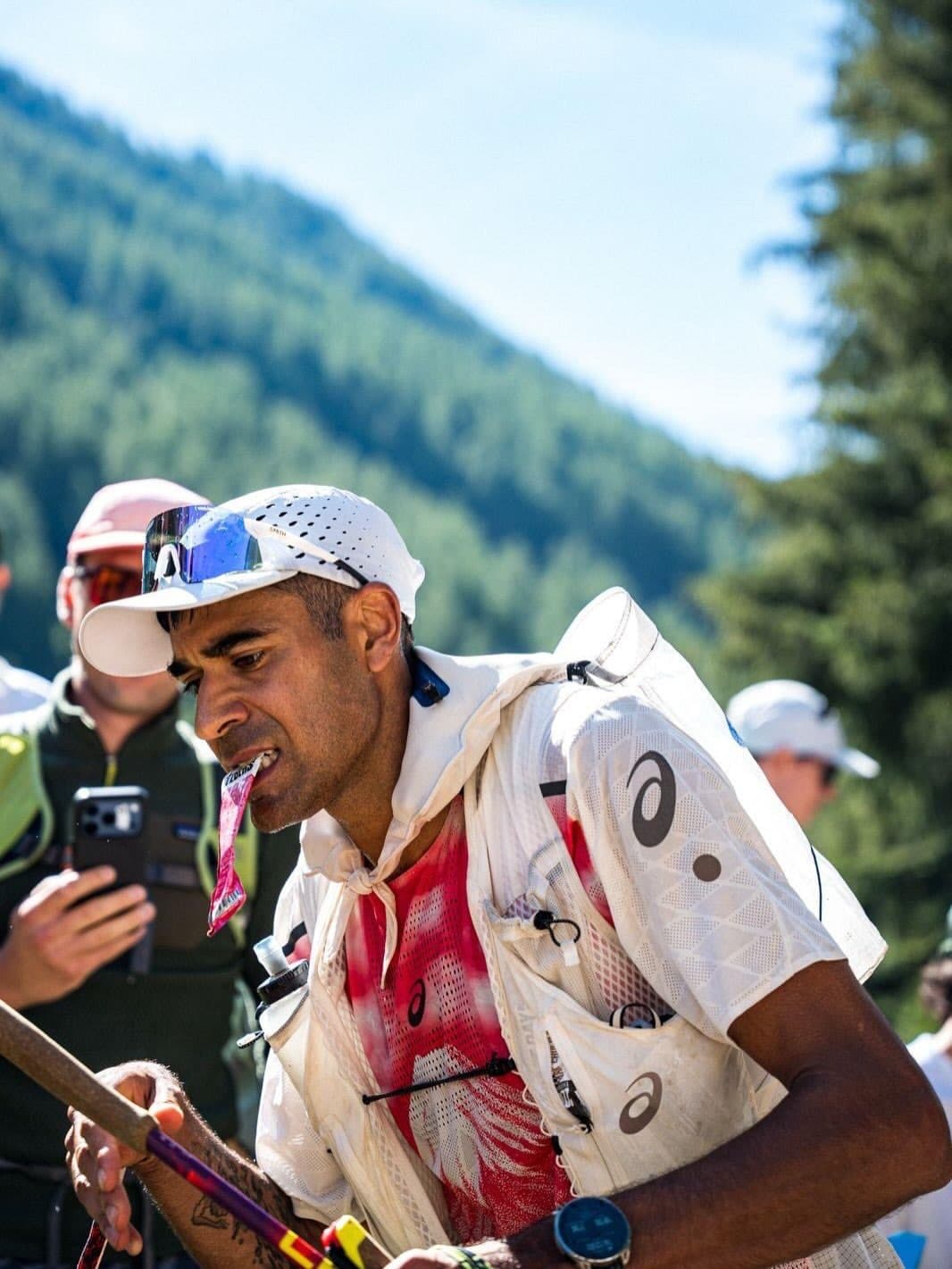
Fuelling in the cold: how to drink and keep your gel from setting
How to build your fuelling and drinking on a ski or running session below zero: a warm isotonic drink, a gel in your inner pocket and a schedule instead of thirst.
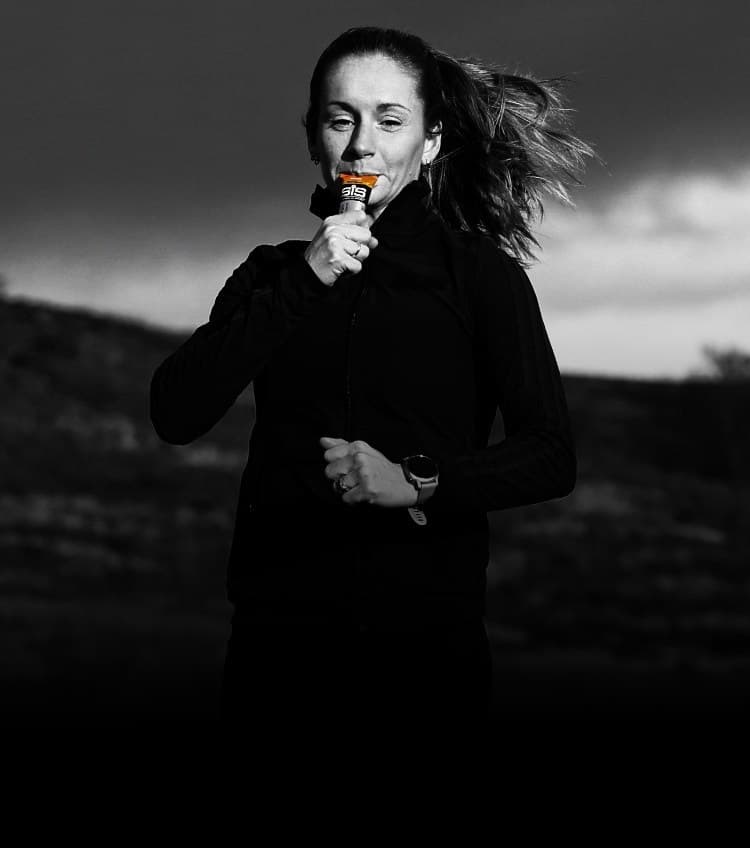
Marathon fuelling with SiS gels: an hour-by-hour plan
How many SiS gels to take for a 3, 4 or 5-hour marathon, when to take the first one and how to combine GO Isotonic with Beta Fuel. A simple calculation for your own finish time.
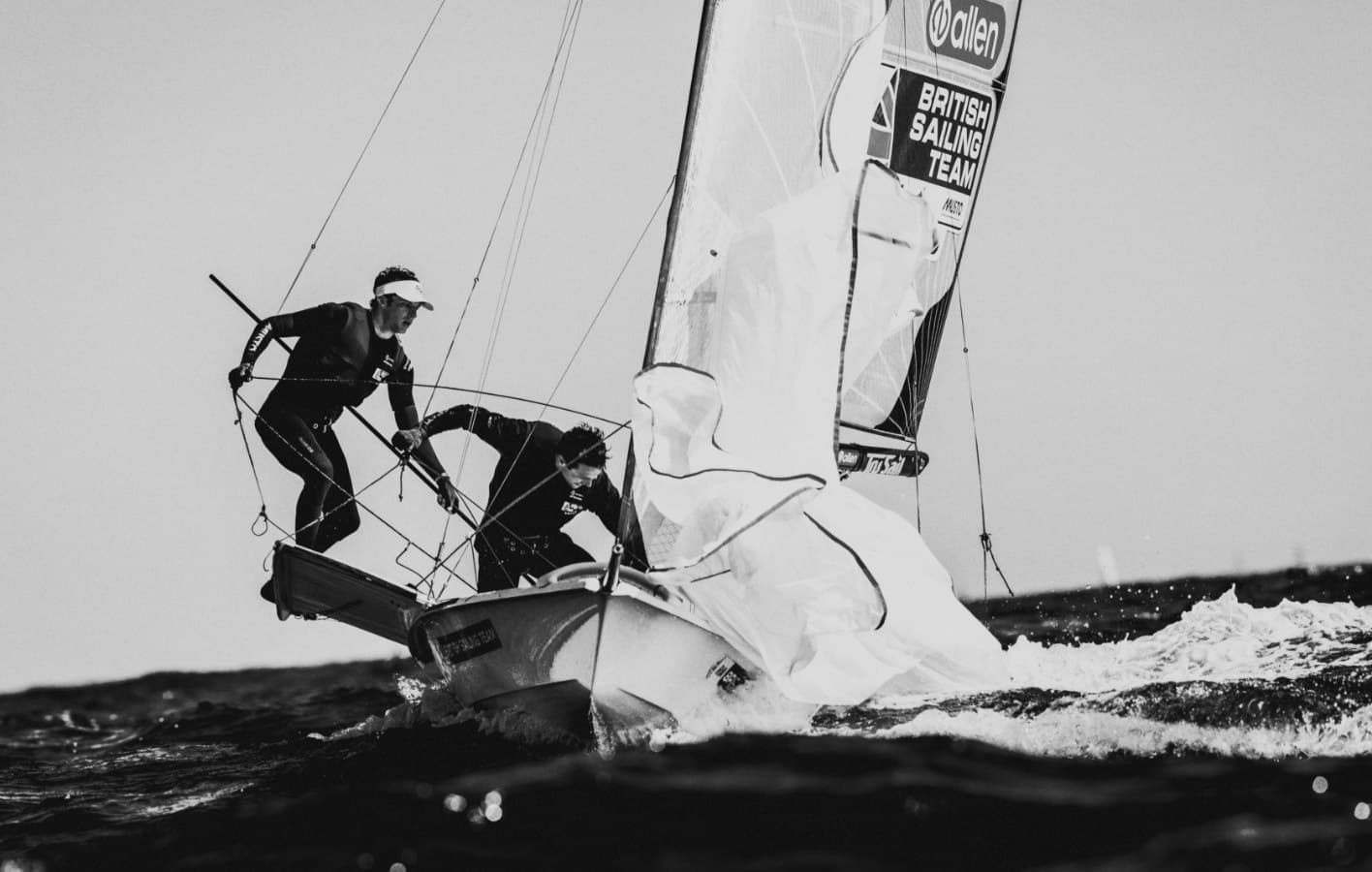
Sugar-free electrolytes: why you need salt in sessions under an hour
Why sugar-free electrolytes matter in the off-season, how to drink in the gym and on the turbo trainer, how they differ from an isotonic drink and what formats Hydrazero comes in.
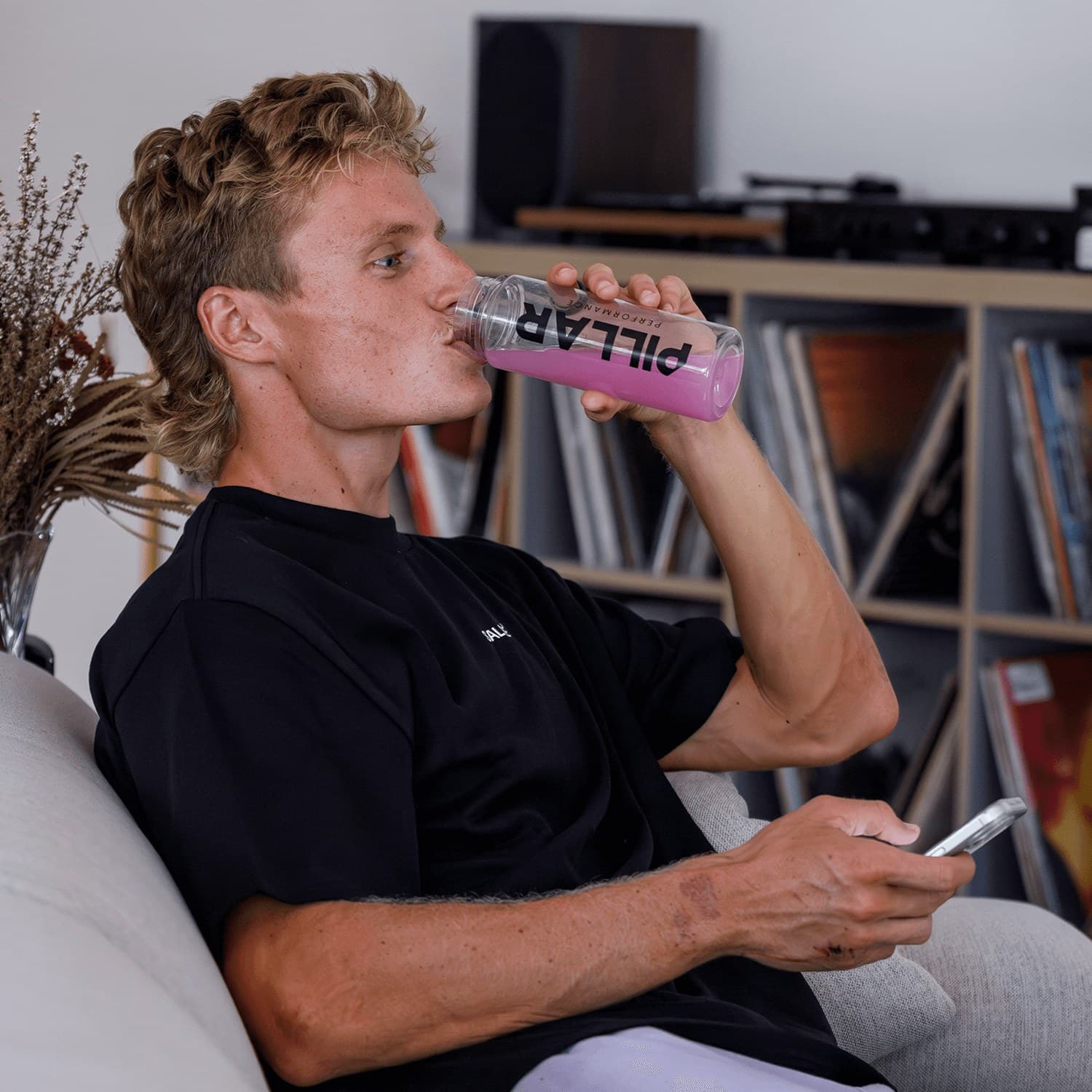
Track cycling nutrition: a day with several races
How to build your nutrition for a track day: breakfast, carbohydrate and fluid between races, the role of B vitamins and Ultra B Active from PILLAR.
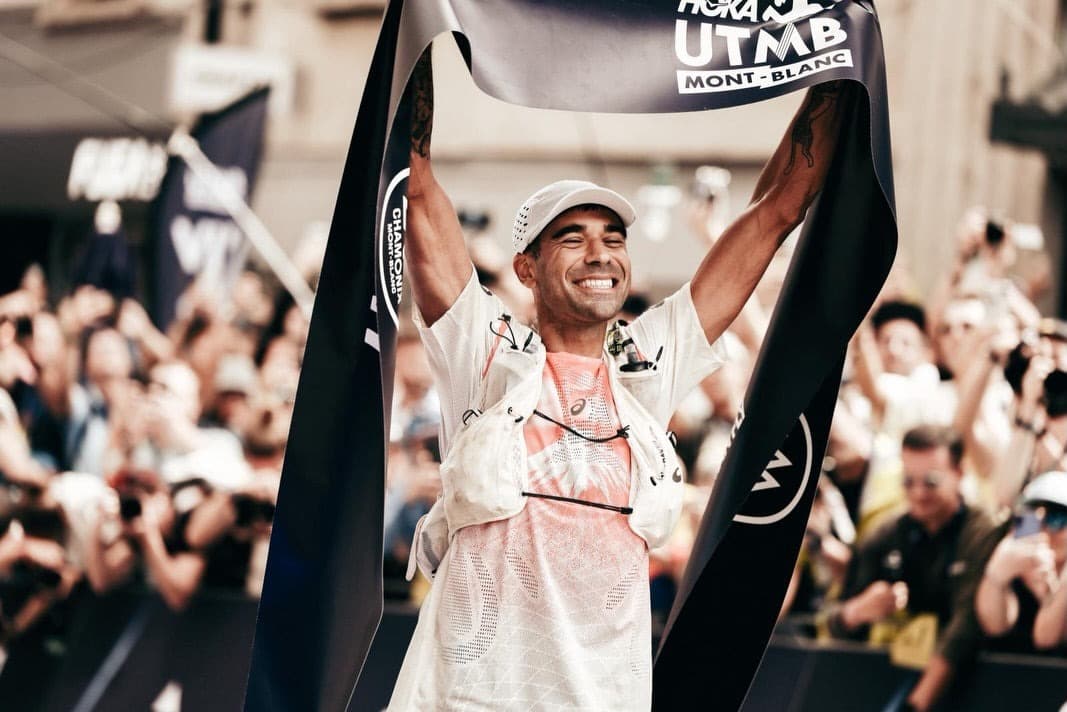
Beetroot drink for athletes: how nitrates work and how to take Nitro Pro
Why runners, cyclists and triathletes drink beetroot, how beetroot nitrates lower oxygen cost during a race, and how to take 226ERS Nitro Pro before a start: dose, timing and a 3–7 day plan.
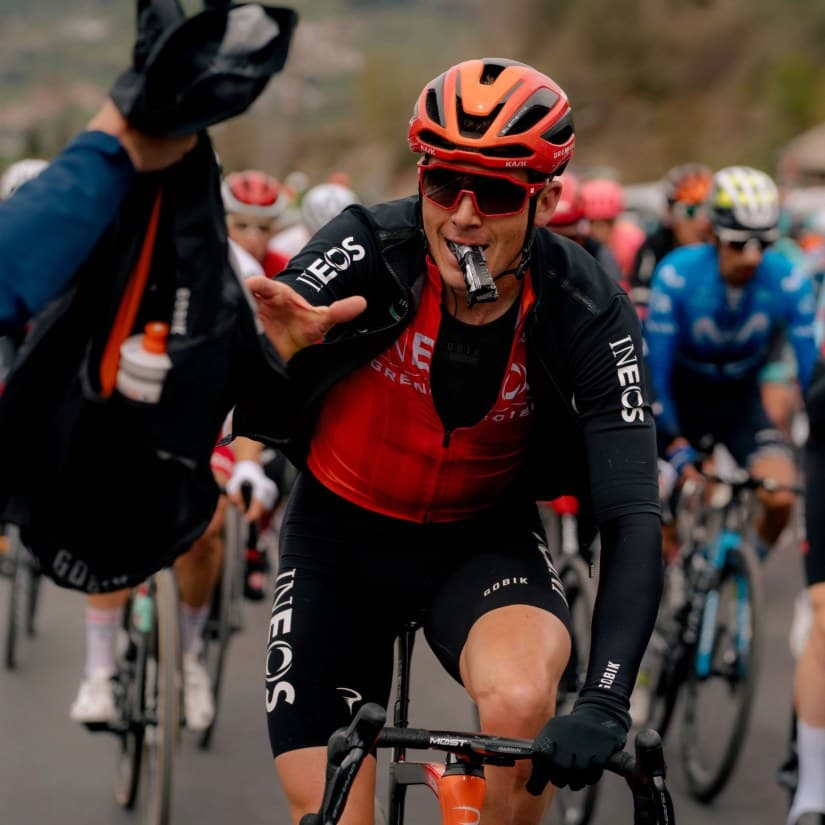
How to train your stomach for gels: testing your nutrition on a long session
Why you should test gels in training and how the four SiS formats differ: GO Isotonic, the electrolyte version, Beta Fuel and Beta Fuel Chew. A testing plan and the common mistakes.
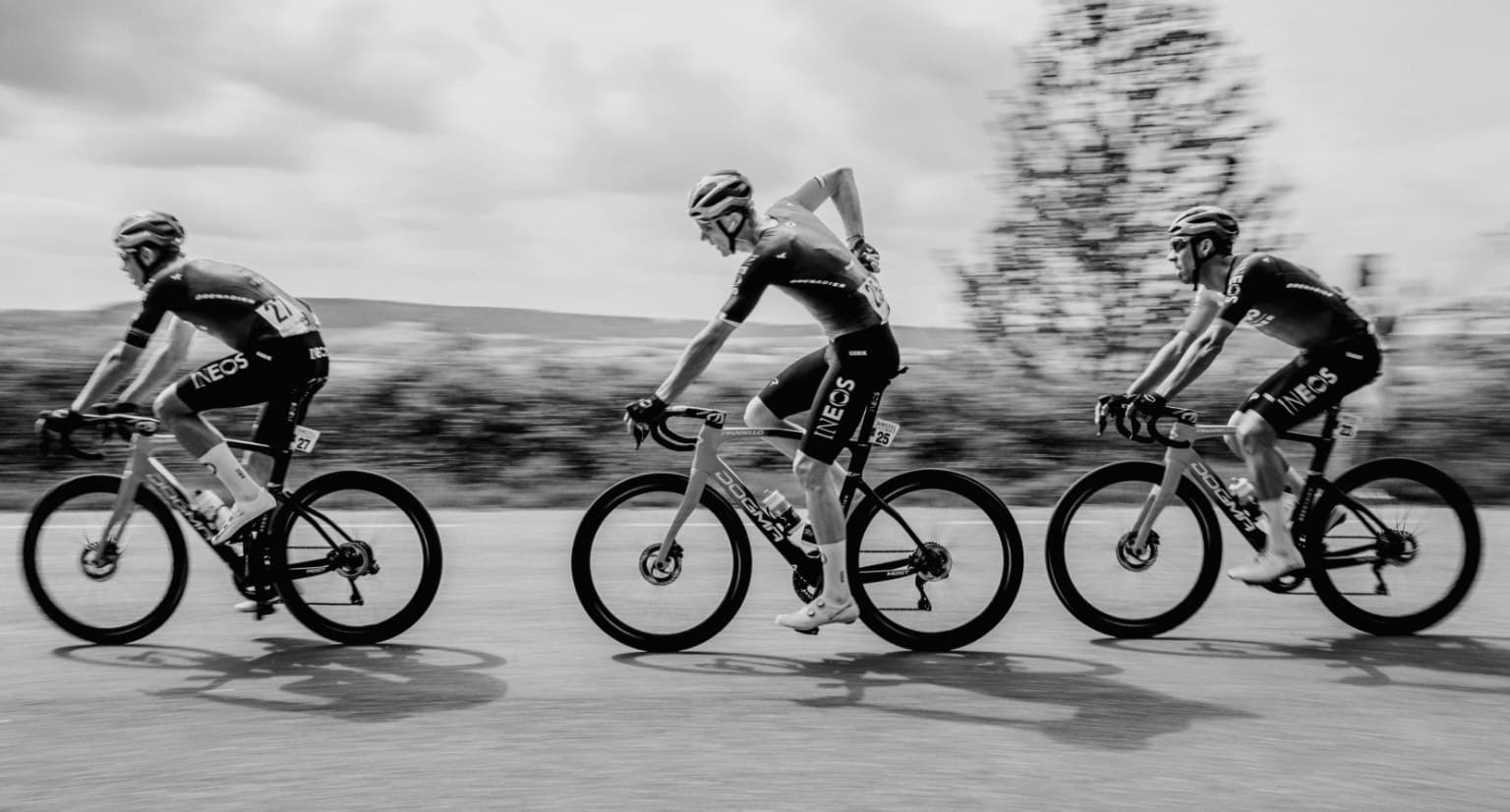
Beta Fuel or GO Isotonic: which SiS gel to choose for your distance
22 or 40 g of carbs per sachet, 60–90 or 80–120 g per hour. We compare two SiS gels and explain which races each one is for.
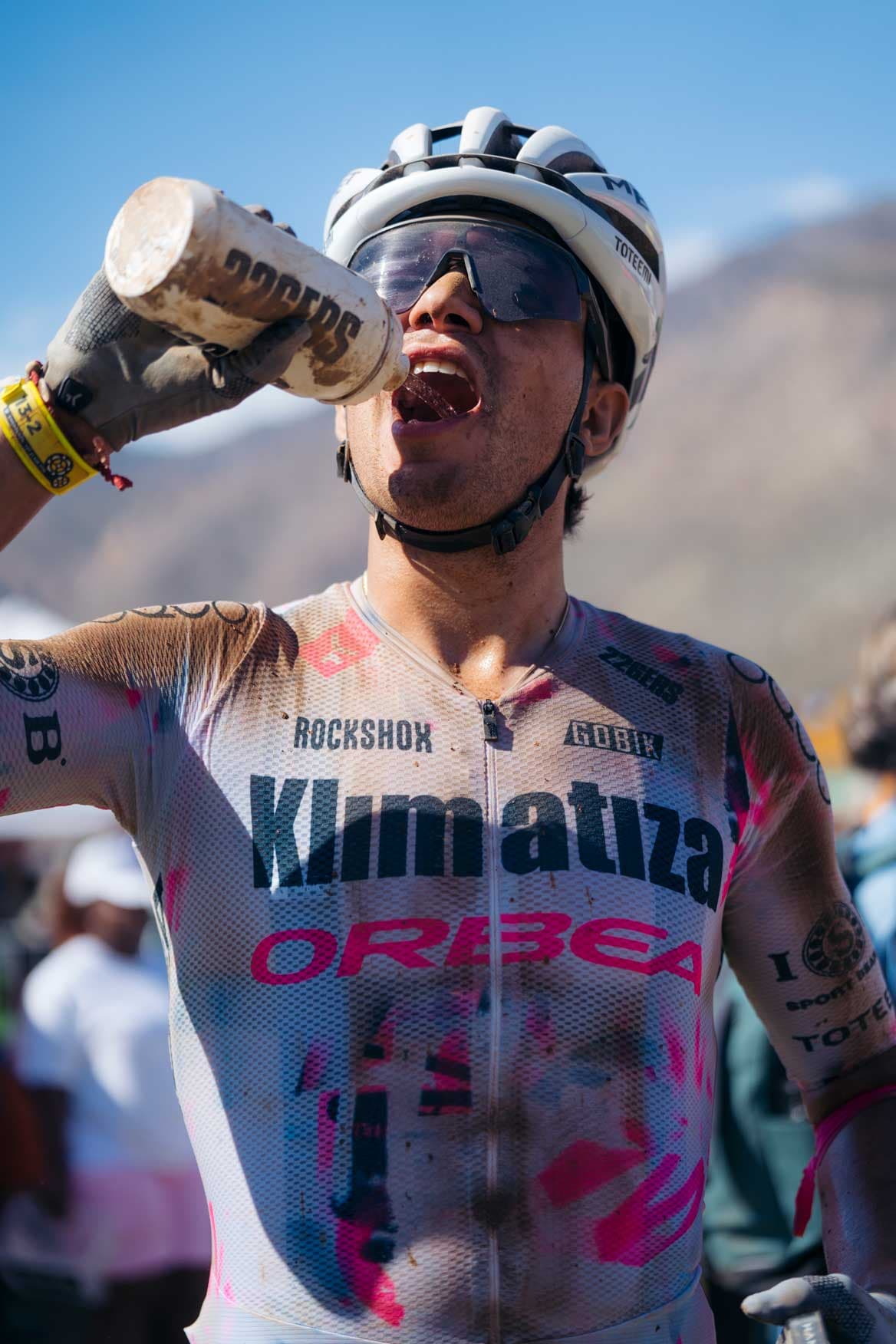
How much to drink on a bike ride in the heat: a schedule instead of thirst
How to build a drinking schedule for a long ride in the heat, why your bottle needs to be within easy reach, and which mistakes with water and electrolytes ruin the second half of the distance.