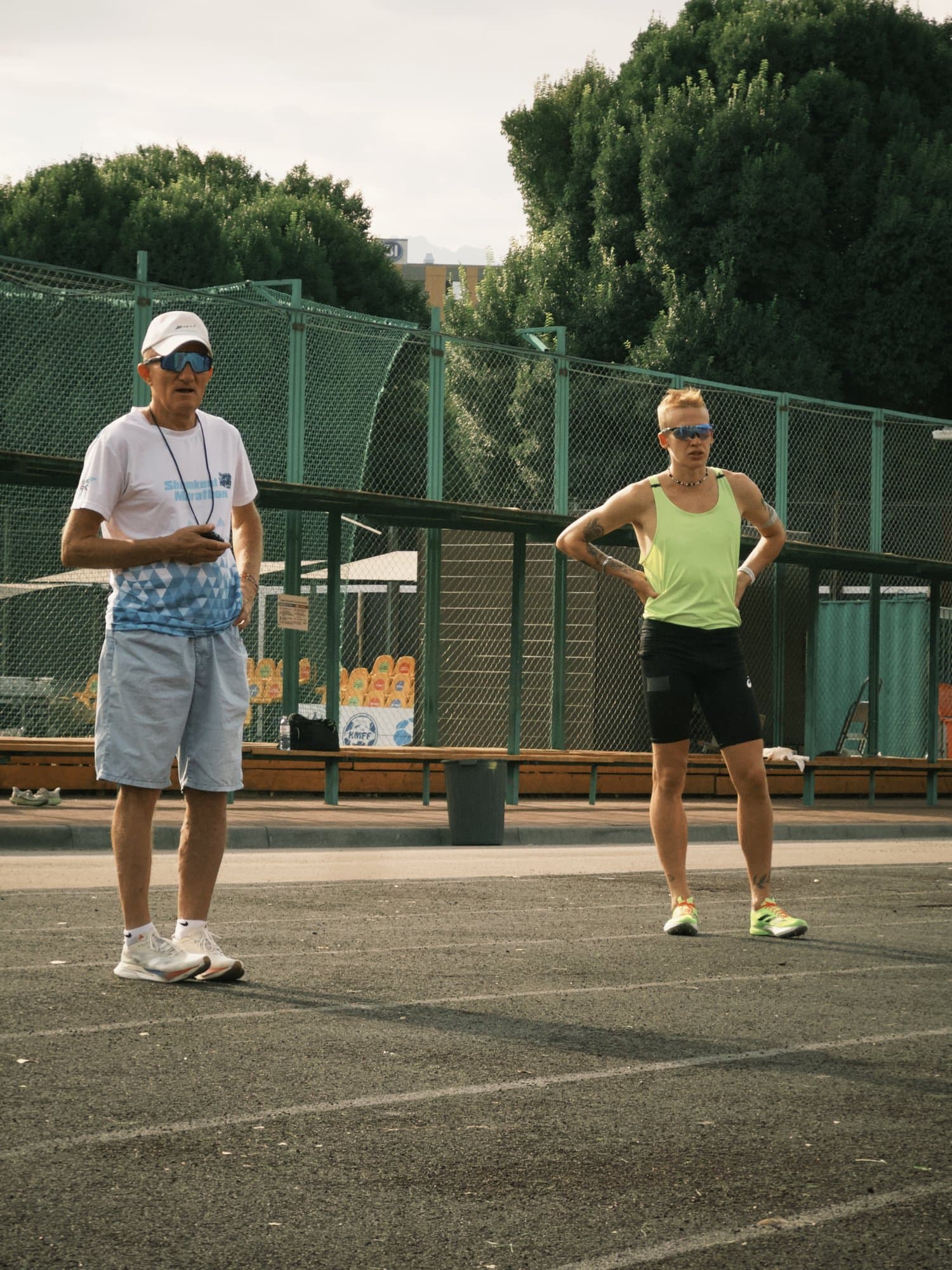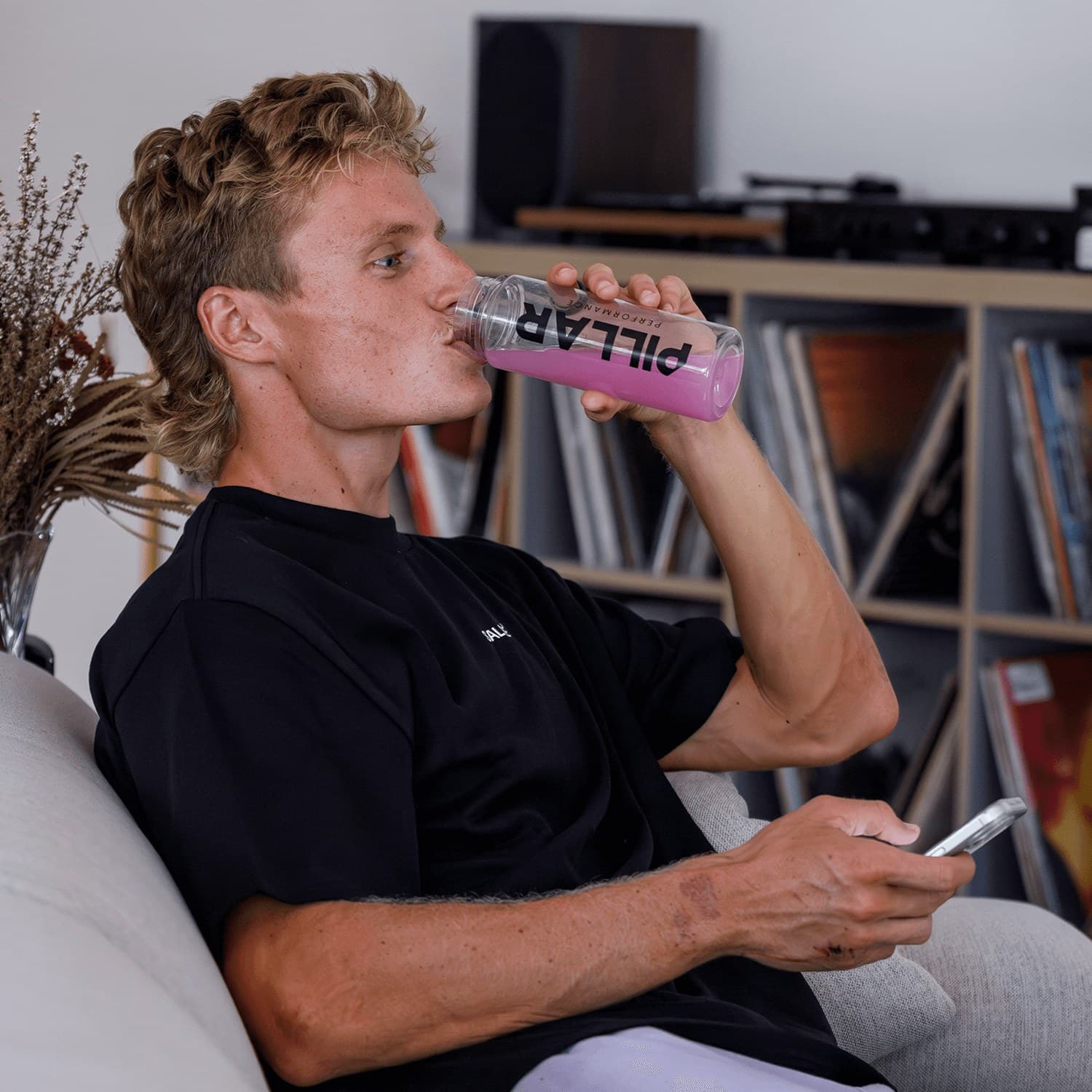
Nutrition for track cycling has to be planned differently from road racing. Instead of one long effort, a rider goes through a series of short maximal races separated by breaks that last anywhere from a few minutes to a few hours. This article will be useful to anyone taking to the boards in qualifying, the scratch race, the keirin or a team event, and equally to road cyclists and triathletes who use the track as a training tool over the winter. We will look at how a track day is structured, what to eat before and between races, what role B vitamins play and where PILLAR Ultra B Active fits into all of this.
The Kazakhstan Track Championships in Astana: the calendar
The Kazakhstan track cycling championships start in Astana on 28 October 2026, and from 30 October 2026 the Astana Open Series takes place at the same venue. For an athlete that means several competition days in a row, each of which may involve more than one appearance on the boards. If you are preparing for a block of starts like this, your nutrition logic is built around a whole series rather than a single race: it matters not only that you produce your maximum in the first race, but that you arrive at the final one without being wrung out.
How a track day differs from a road race
On the road, the main nutritional task is to keep carbohydrate and fluid flowing across many hours of work. On the track the efforts are short and very intense, and they draw on muscle glycogen stores and anaerobic mechanisms. So the key phrase here is not “refuelling on the move” but “being ready for the moment”. The muscles need to be loaded with carbohydrate before the first whistle, and between races the job is to stop those stores from sagging and to avoid arriving at the next start on an empty stomach or, conversely, with a heavy one.
Breakfast before racing: how many hours ahead and what to eat
Common practice in endurance sport is to take the main meal two and a half to three hours before the first appearance on the boards, based on easily tolerated carbohydrate, with a moderate amount of protein and minimal fat and fibre. Porridge, white bread, bananas, rice, a sports drink: the exact combination is individual, and it is chosen in training rather than on race day. If the first race is early, breakfast moves earlier and shrinks in volume, with the difference made up by small carbohydrate portions closer to the warm-up.
B vitamins and energy metabolism: what they are responsible for
B vitamins do not supply energy themselves; they work as coenzymes in the pathways that turn carbohydrate and fat into energy the cell can use. Hence the rule: do not expect a tablet to give you a lift the way caffeine does. The job of the B group is a different one: to make sure there are no bottlenecks in metabolism when training volume and intensity are high. That is a background effect, created by taking them regularly rather than by a single dose on race day.
PILLAR Ultra B Active: composition and how to take it
Ultra B Active from PILLAR contains eight B vitamins in active forms, that is, in forms the body does not need to convert first. Vitamin B12 is present as methylcobalamin at a dose of 300 mcg. The regimen is simple: one tablet in the morning, with nothing needed in the evening. That fits neatly into an athlete's morning ritual: breakfast, water, supplement, then the warm-up or the drive to the velodrome. Tying it to the same moment of the day helps you avoid missing a dose during a busy block of competition.
Why B vitamins turn your urine bright yellow
This is the question beginners ask most often. The bright yellow colour comes from riboflavin, that is, vitamin B2: the body excretes the excess, and that is a normal response rather than a sign that the supplement “was not absorbed”. On days like these you cannot use colour as an indicator of dehydration, so it is better to manage your drinking by the volume you get through and by body weight before and after training.
Eating and drinking between races on the track
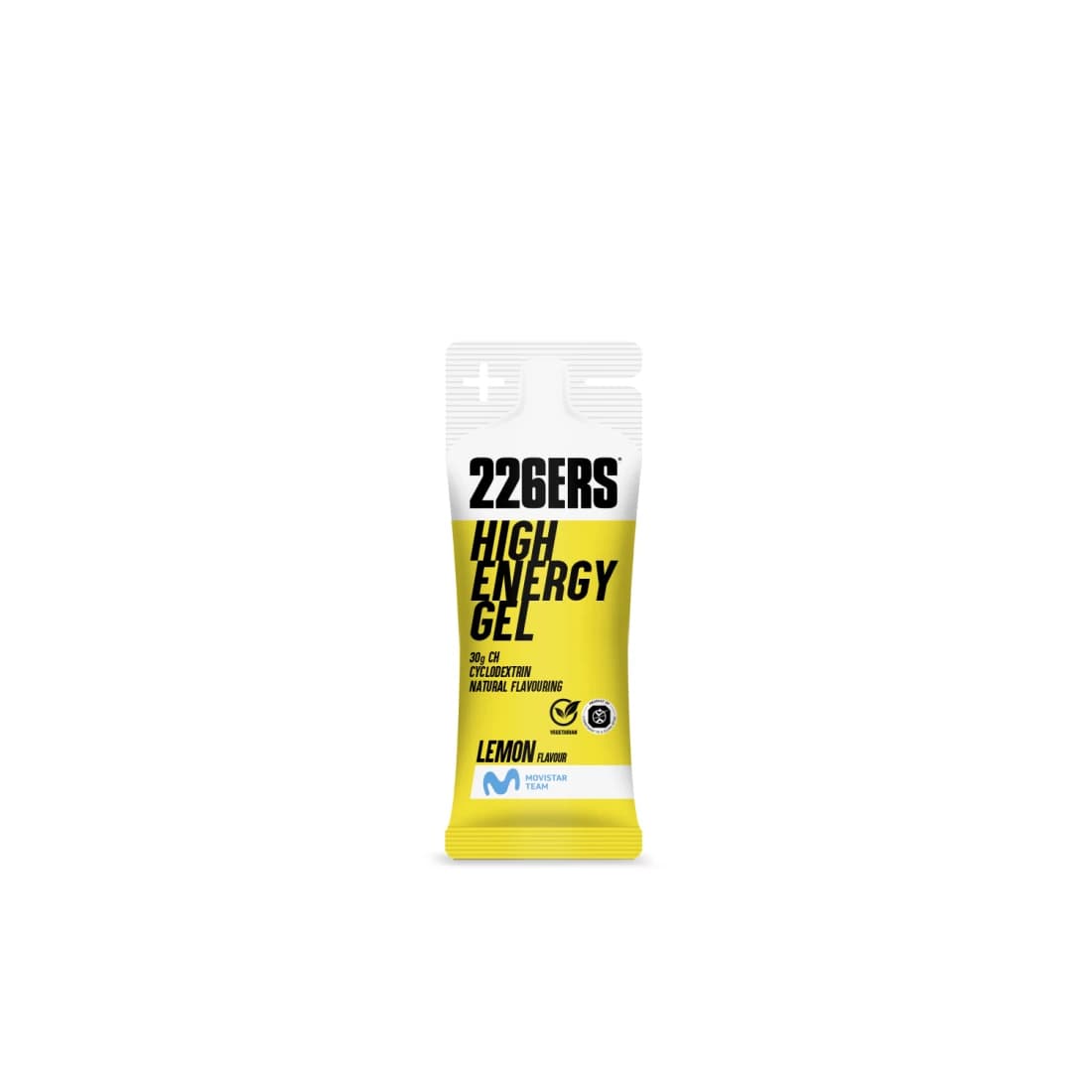
The gaps between races are working time, not a break from nutrition. If there is an hour or more until your next appearance, a small carbohydrate portion in an easily tolerated form plus an electrolyte drink is usually appropriate. If the gap is short, stick to fluid and a minimal amount of carbohydrate so as not to load the stomach before an intense effort. It is also worth remembering the velodrome hall itself: the air there is often warm and dry, and fluid losses are easy to underestimate because you do not feel the heat the way you would on a summer road.
Typical nutrition mistakes at track events
First: skipping breakfast out of nerves and going into qualifying with empty stores. Second: replacing food with caffeine and ending up stimulated but without fuel. Third: trying a new gel, drink or supplement on competition day, when you do not know how your stomach will react. Fourth: overeating during a long break and going into the next race feeling heavy. Fifth: thinking about vitamins and recovery only during race week, when their value lies precisely in being a regular foundation through the off-season and the build-up.
How to build this into your preparation, not into a single day
The track shows the quality of your preparation very clearly: flat legs on the boards cannot be hidden behind tactics. So nutrition is worth rehearsing in advance: in sessions with several intense series, repeat the same breakfast pattern, the same foods in the gaps and the same supplement routine. By the time the competition block begins, you will have not a plan on paper but a habit you do not need to recall on race day.
The short version: on the track, nutrition is settled before the start, not on the move. Muscles loaded with carbohydrate, a breakfast you understand, well-planned gaps between races and a regular foundation of vitamins and minerals through the off-season deliver more than any decision taken in the final hour. PILLAR Ultra B Active and other products from the brand are available at spacefuel.kz if you would like to put together a morning protocol to suit your training volume.



FAQ
How many hours before a track race should you have breakfast?
The main meal is usually planned two and a half to three hours before your first appearance on the boards, based on easily tolerated carbohydrate with minimal fat and fibre. If the race is early, breakfast is made smaller in volume and the carbohydrate is topped up with a small portion closer to the warm-up.
Why does a cyclist need B vitamins?
They work as coenzymes in the pathways that turn carbohydrate and fat into energy, so this is not a stimulant and you should not expect a tablet to make you feel more alert. PILLAR Ultra B Active contains eight B vitamins in active forms, with vitamin B12 as methylcobalamin at a dose of 300 mcg, taken as one tablet in the morning.
Why does urine turn bright yellow after taking B vitamins?
The colour comes from riboflavin, that is, vitamin B2: the body excretes the excess, and that is a normal response. So on the days you take it, judge your fluid intake by the volume you drink rather than by colour.