


How to fuel
Articles 1–24 of 65
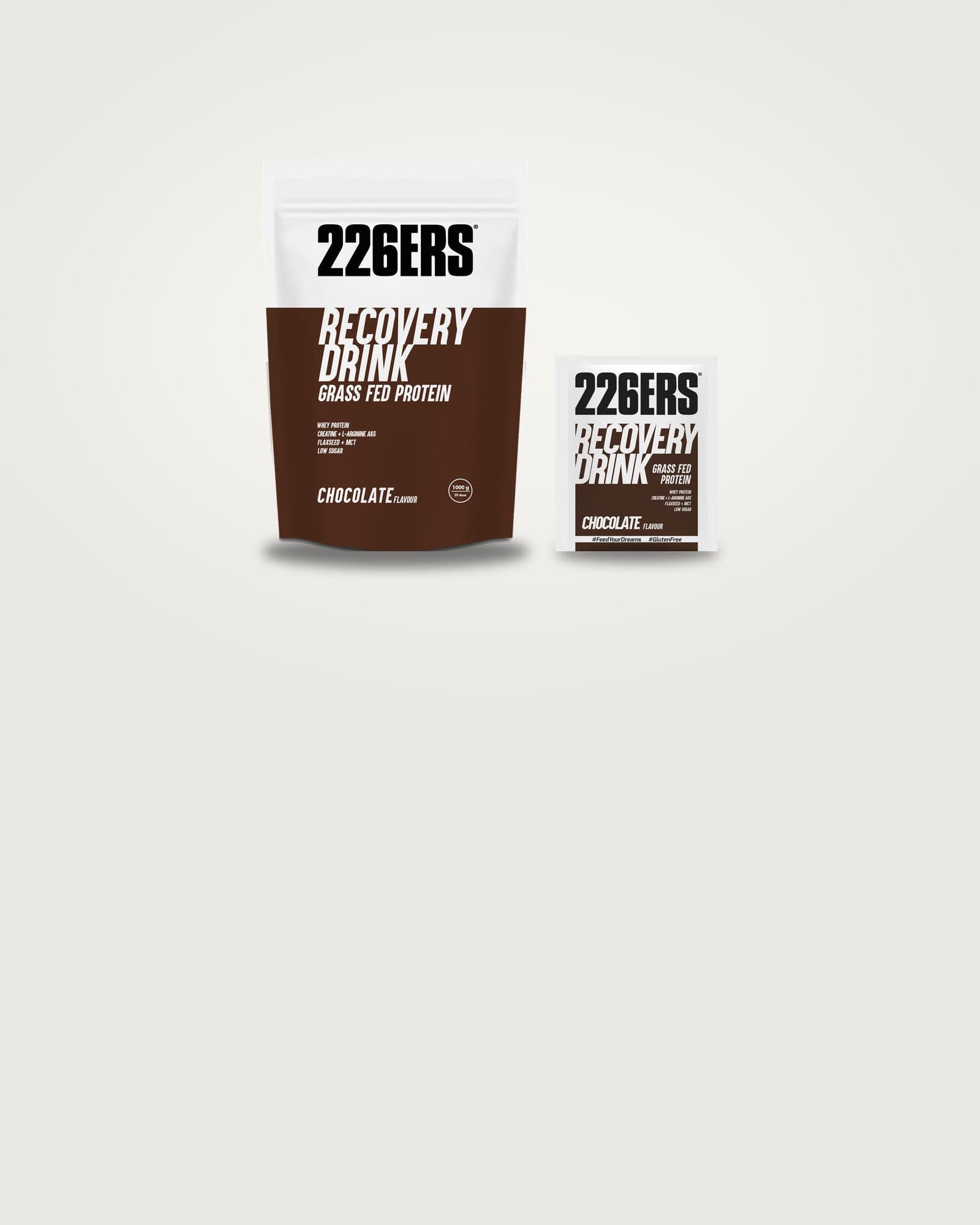
Do you need a recovery drink after every session?
We look at which sessions genuinely call for a recovery drink and when ordinary food is enough: what is in the sachet, how to take it and the mistakes people usually make.
How to order sports nutrition online: what to check before you pay
A practical guide to ordering sports nutrition online: how to build a basket around your own distances, count servings, rehearse flavours and avoid being left without gels before a race.
A runner's winter daily routine: four points that keep your form
How to build a winter day around training: morning light and protein, an indoor warm-up, food afterwards and a steady bedtime. Four routine points from PILLAR.
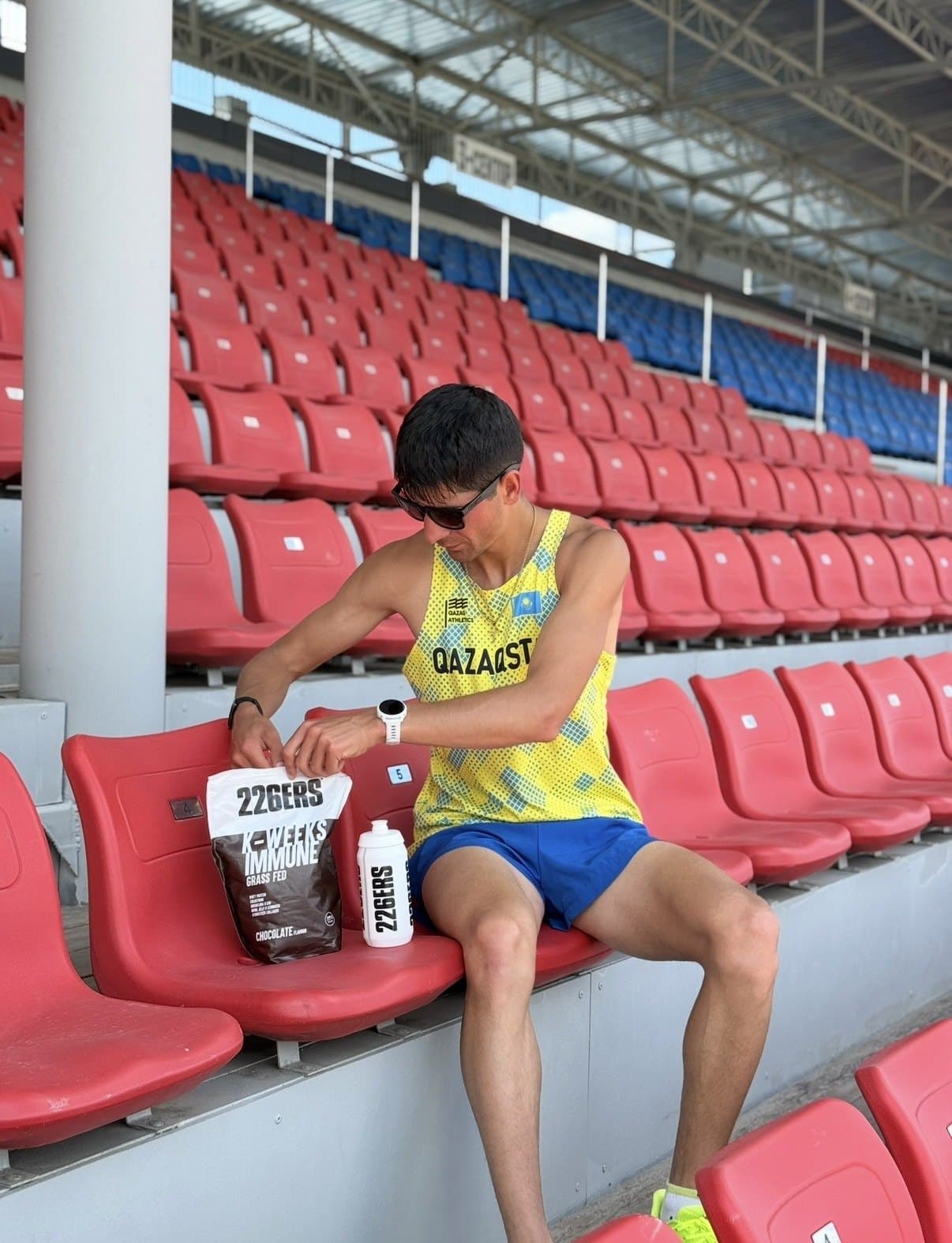
Protein at peak training volume: K-Weeks Immune by 226ERS
Why protein matters at peak training volume, how K-Weeks Immune by 226ERS is put together and how to take 40 g with breakfast during the hardest weeks of a build.
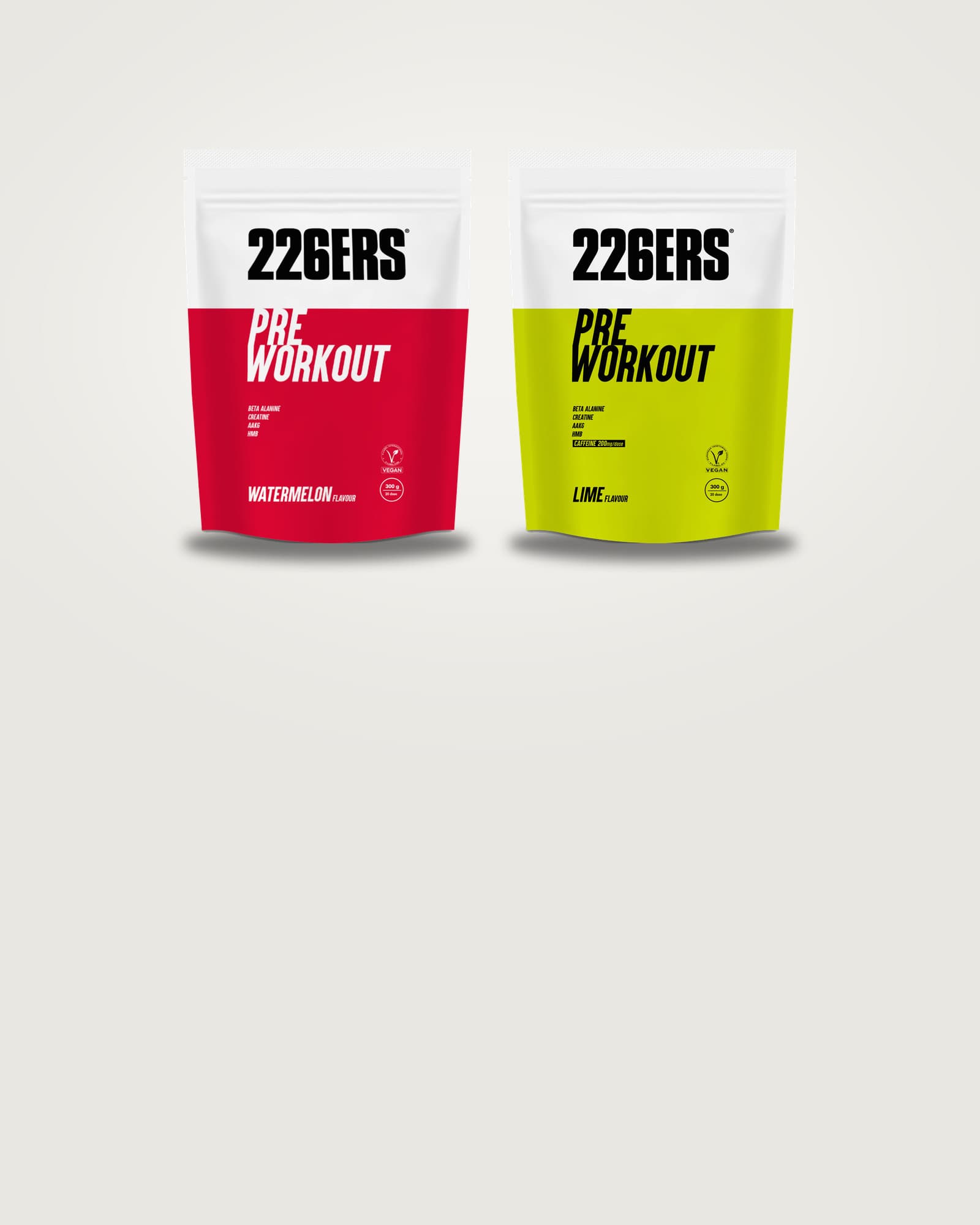
Pre-workout for runners: what is inside and how to take it in the gym
Why a runner needs strength work and a pre-workout in winter: a breakdown of 226ERS Pre Workout, how to take it, choosing between the caffeinated and caffeine-free flavours, and the usual mistakes.
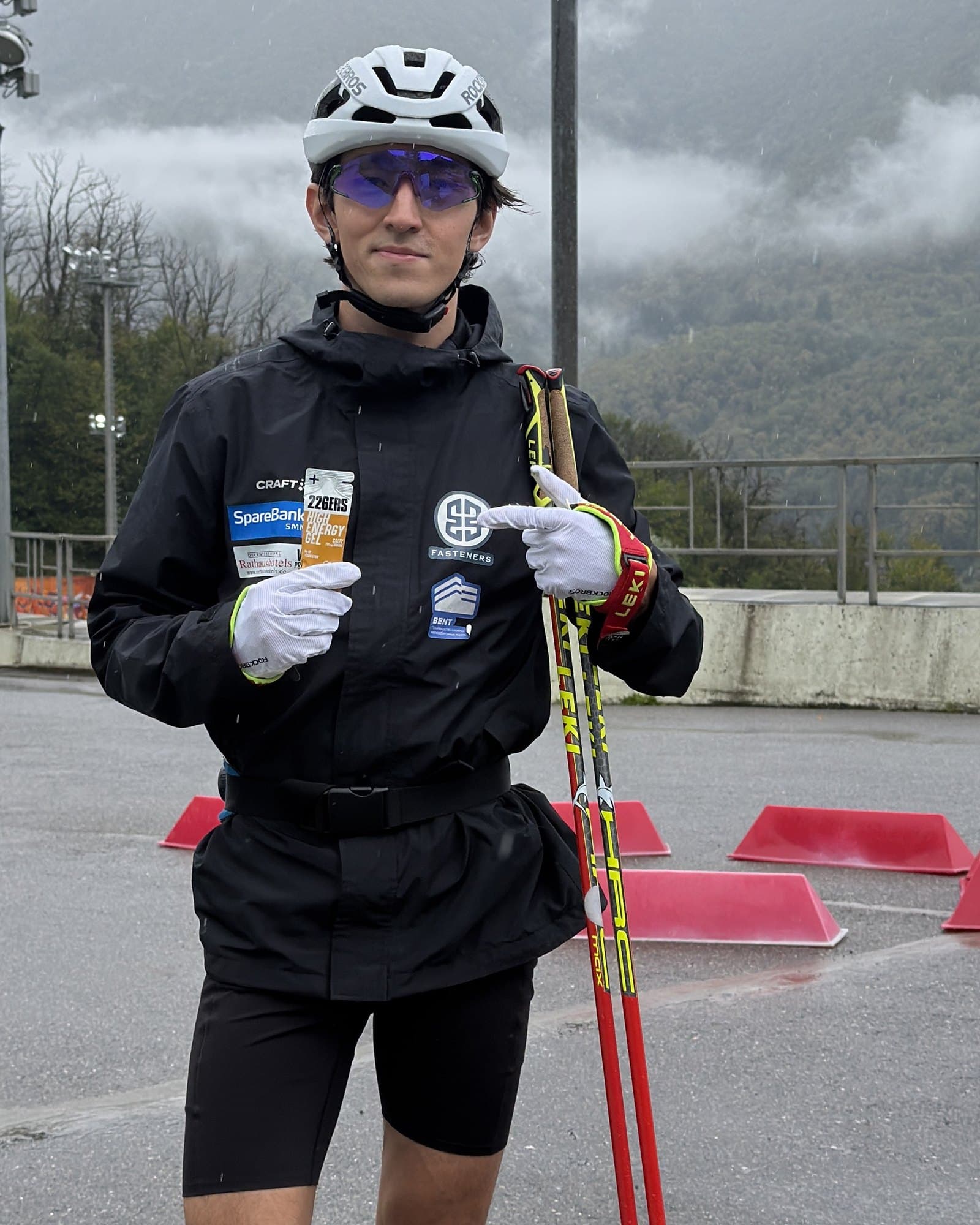
Pre-race gel: how many minutes before the start to take it
How to use a gel before the start: how many minutes beforehand to take it, why there is sodium in the formula and when a salty flavour is easier to handle than a sweet one. A closer look at High Energy Gel “Salted Peanut and Honey” from 226ERS.
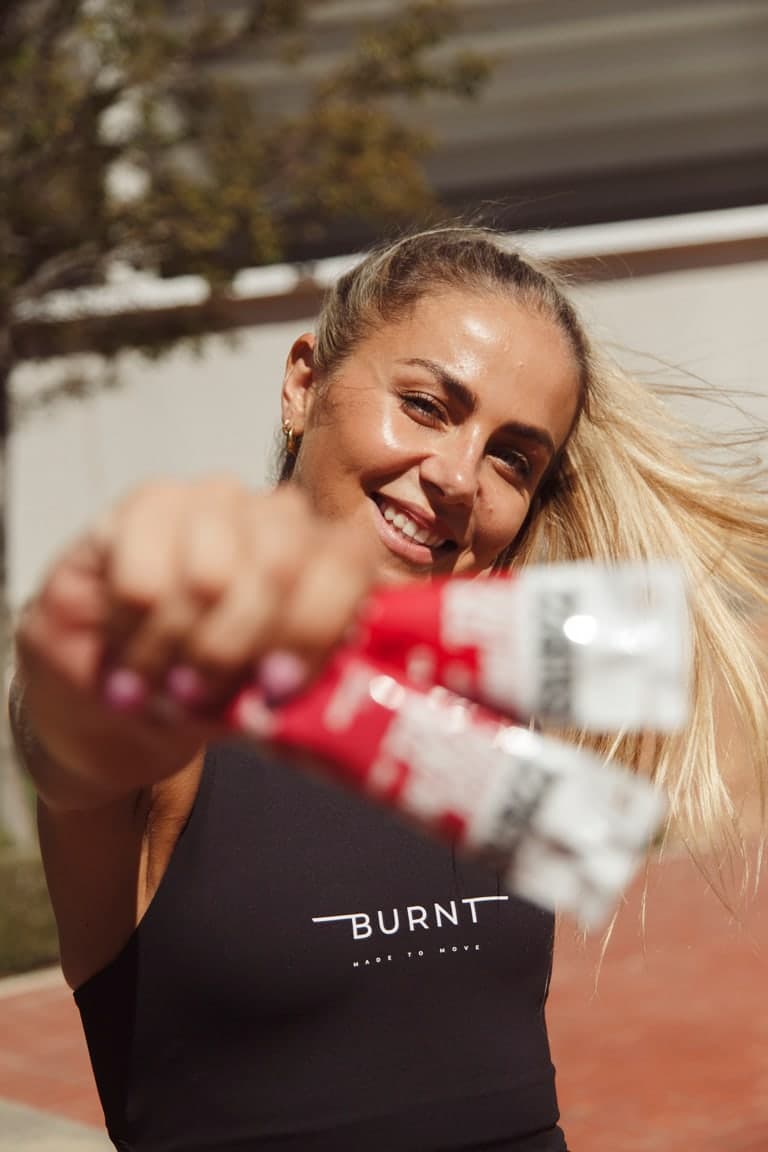
A long winter session: bar or gel, and how much to drink
Why you should carry fuel on a winter long session, how to choose between a bar and a gel, how much to drink in the cold, and the mistakes runners and cyclists make most often.
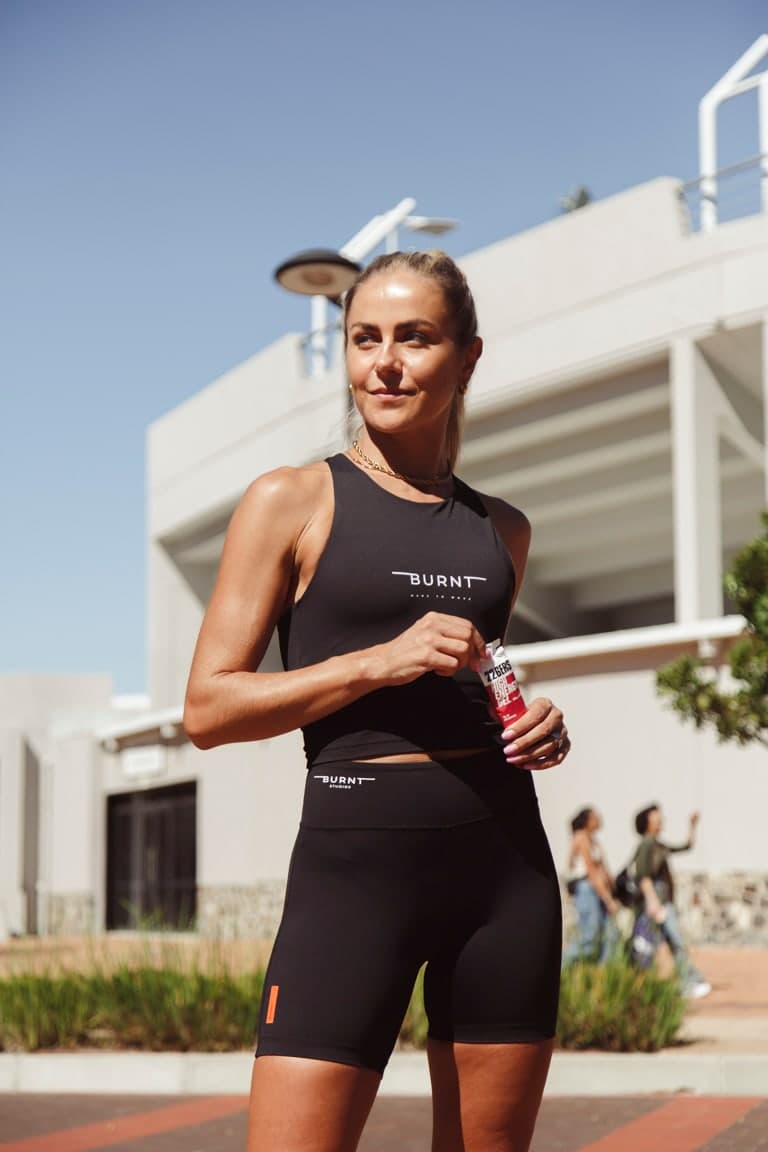
How many gels you need for a half marathon and a marathon: working out a season
Guideline gel numbers for a half marathon, a marathon and long runs, how to work out a supply for a season of three races, and the main rule: count carbs per hour, not gels.
A full rest day in a runner's plan: why doing nothing works
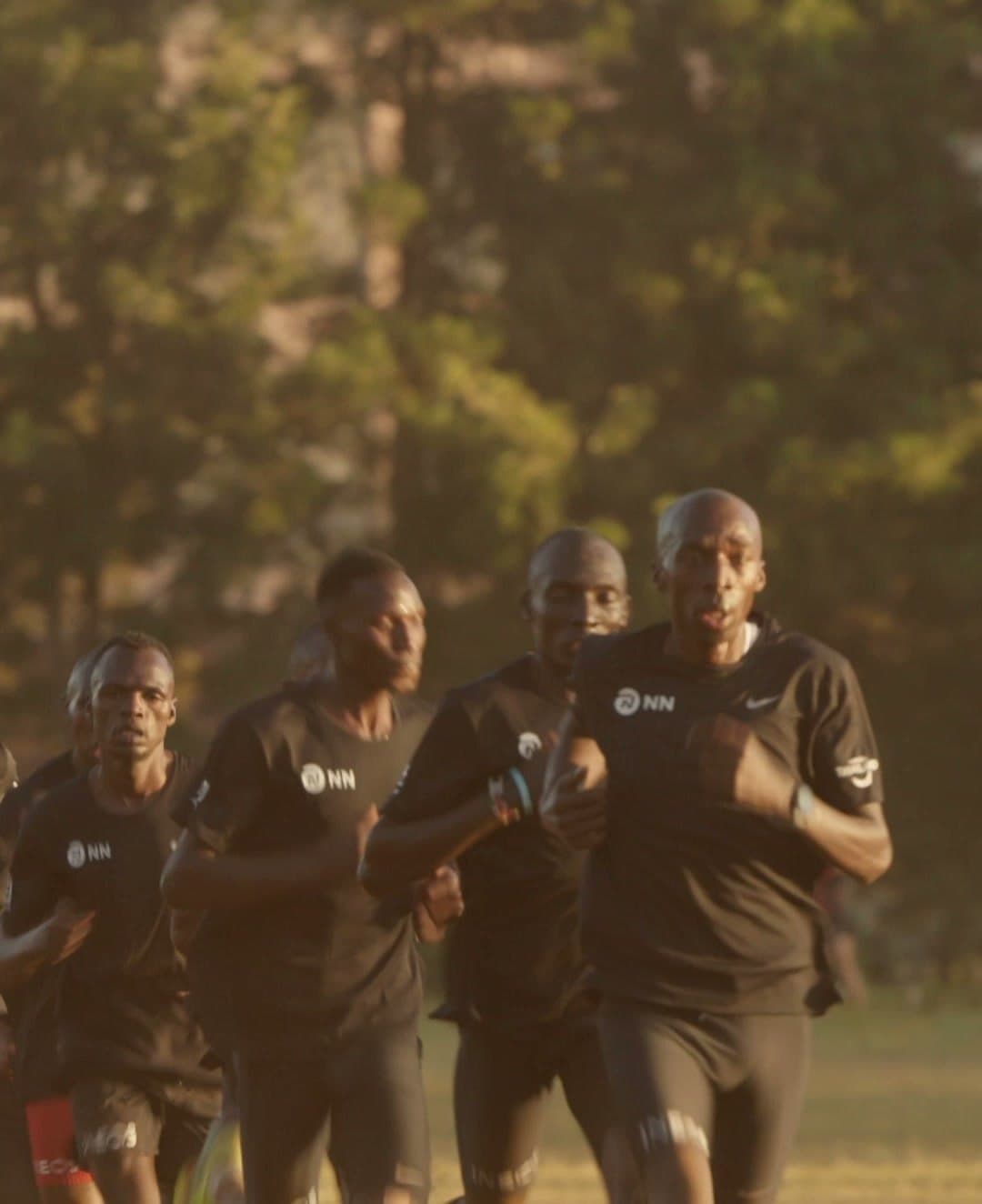
Why rest sits alongside training in the programmes of professional groups, how to plan a full rest day, and what the one or two weeks after the end of the season should look like.
How many isotonic gels per hour: flavour and caffeine limits
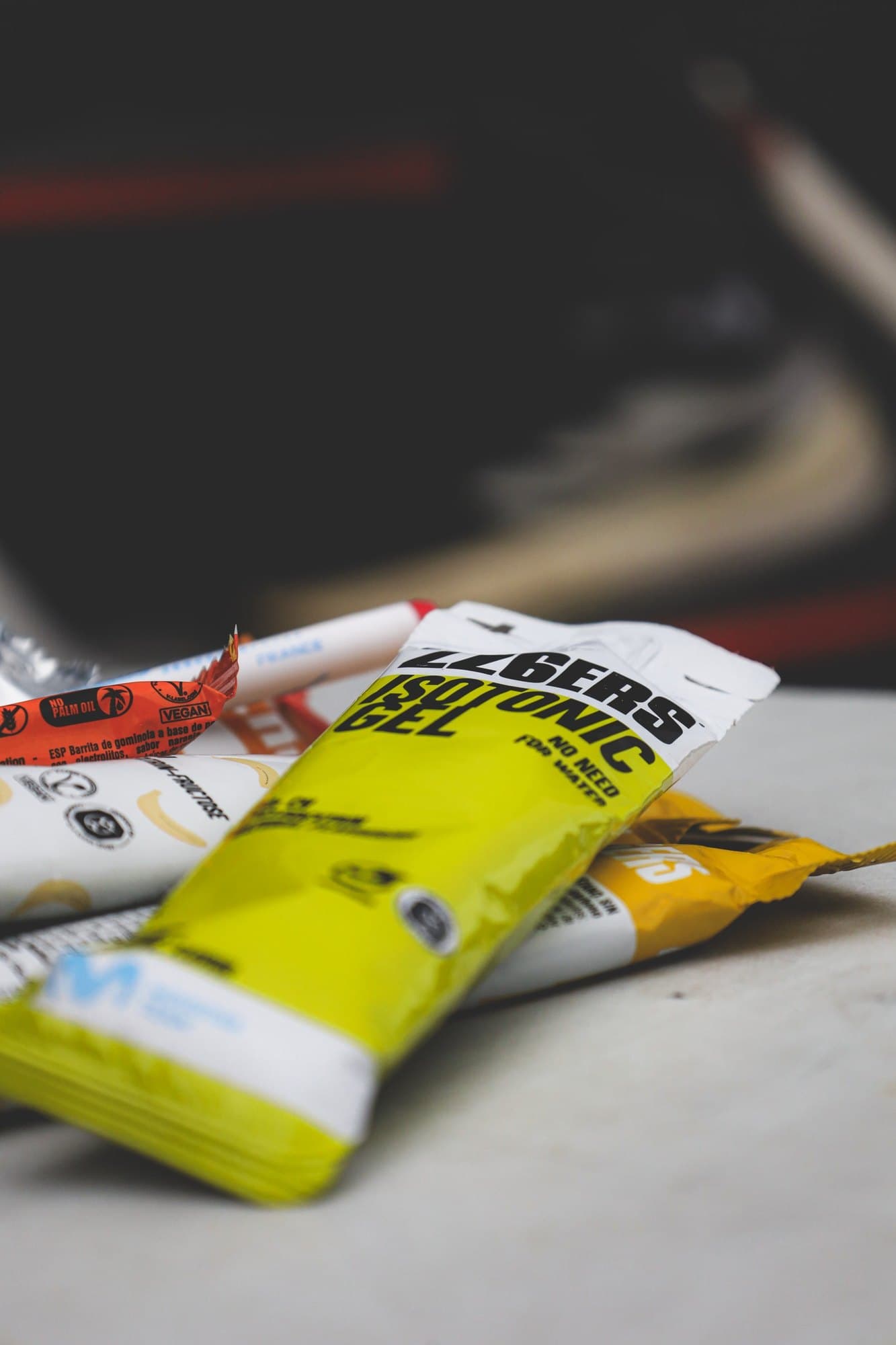
How many isotonic gels you can take in an hour: a close look at 226ERS Isotonic Gel, 22 g of carbohydrates per stick, flavour limits, caffeine and a fuelling plan for a winter long session.
High Fructose Gummy Bar: 46 g of carbohydrate in a chewable gummy
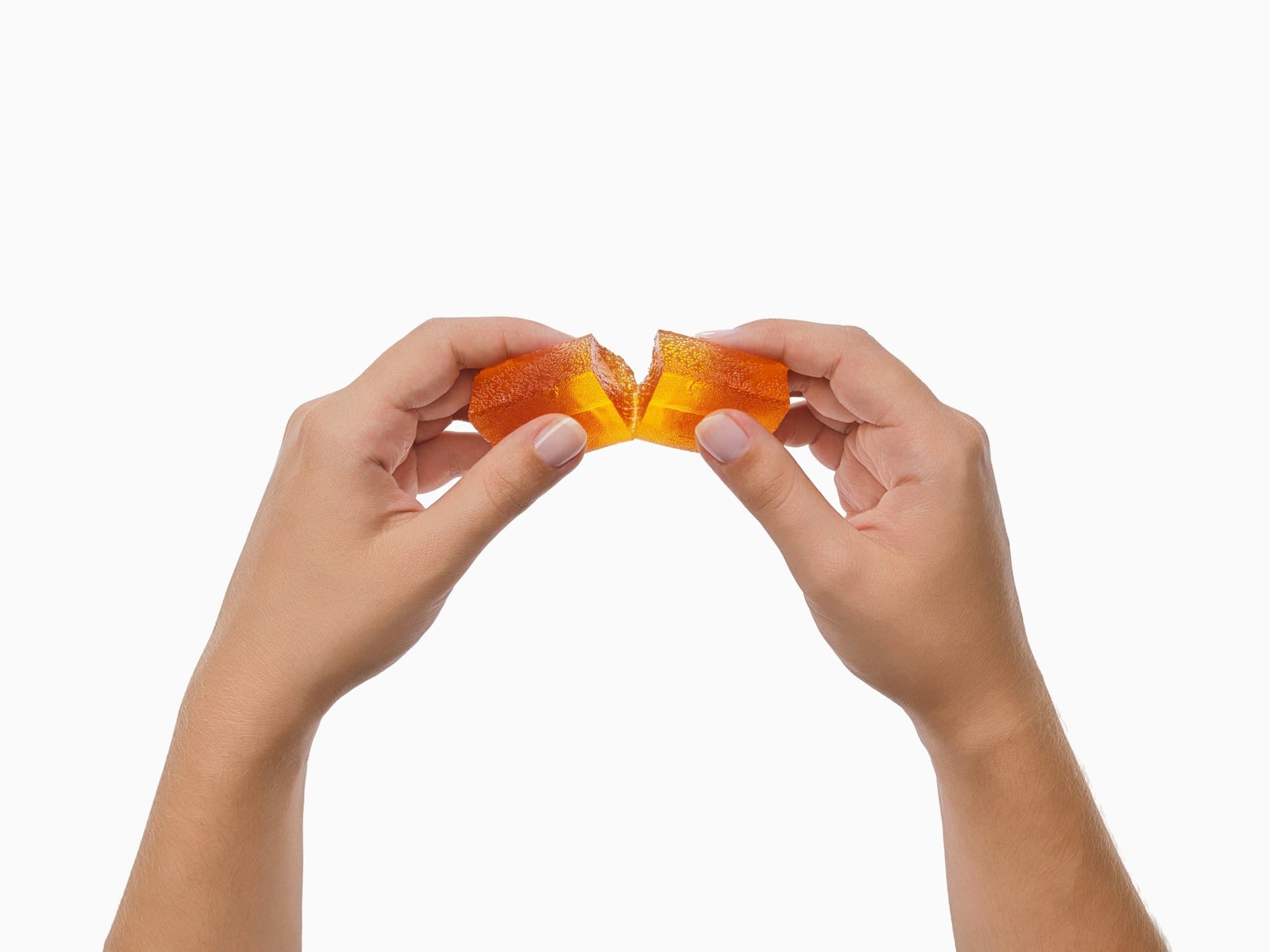
High Fructose Gummy Bar: a soft gummy with 46 g of carbohydrate per 60 g serving, plus sodium and caffeine. How and when to eat it on the bike, the trail and the skis.
Caffeine-free gel in training: why you need one and how to use it
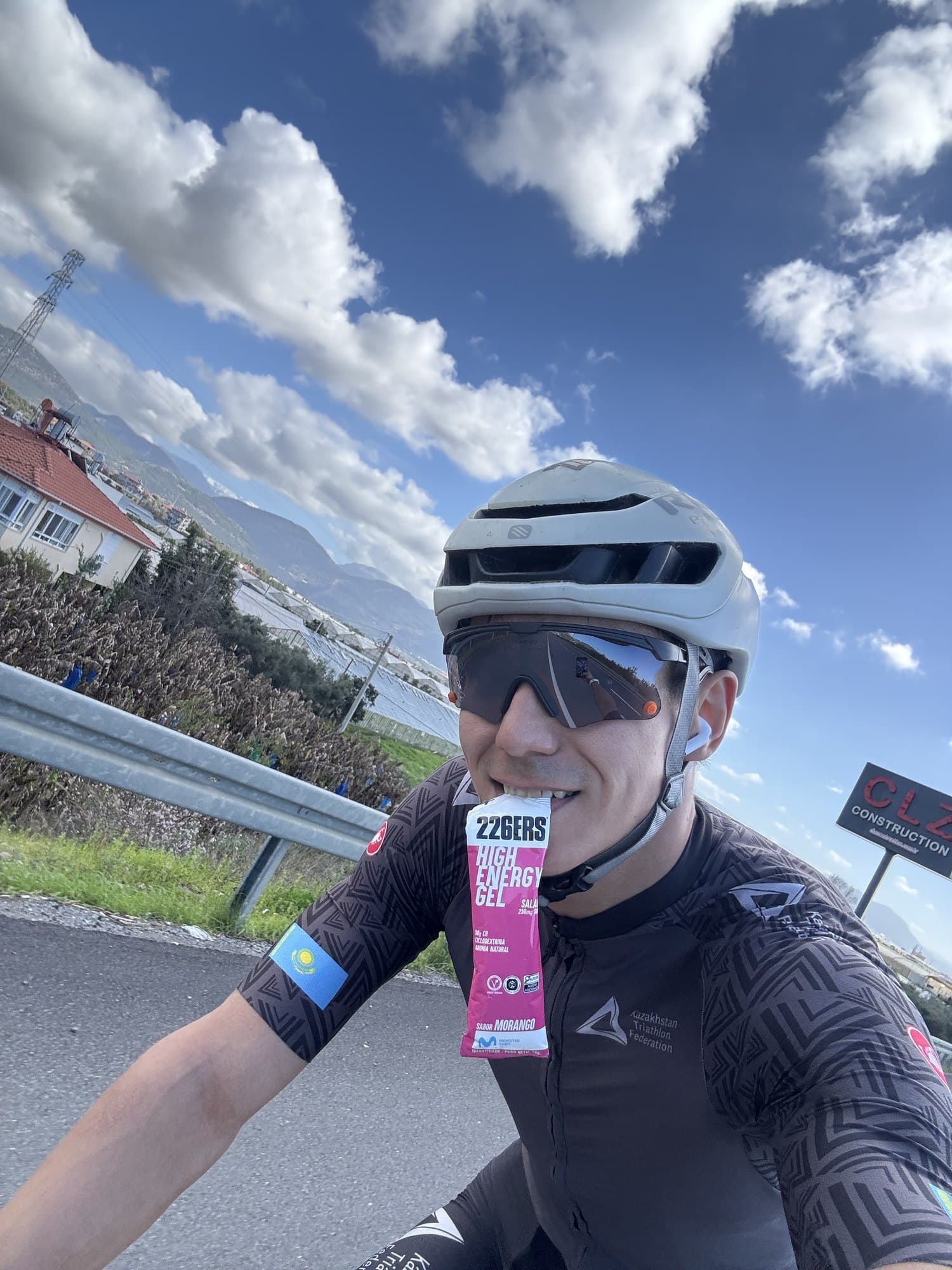
Why keep a caffeine-free gel in your arsenal, how much carbohydrate and sodium it holds, how to take it during long work and which mistakes upset your stomach.
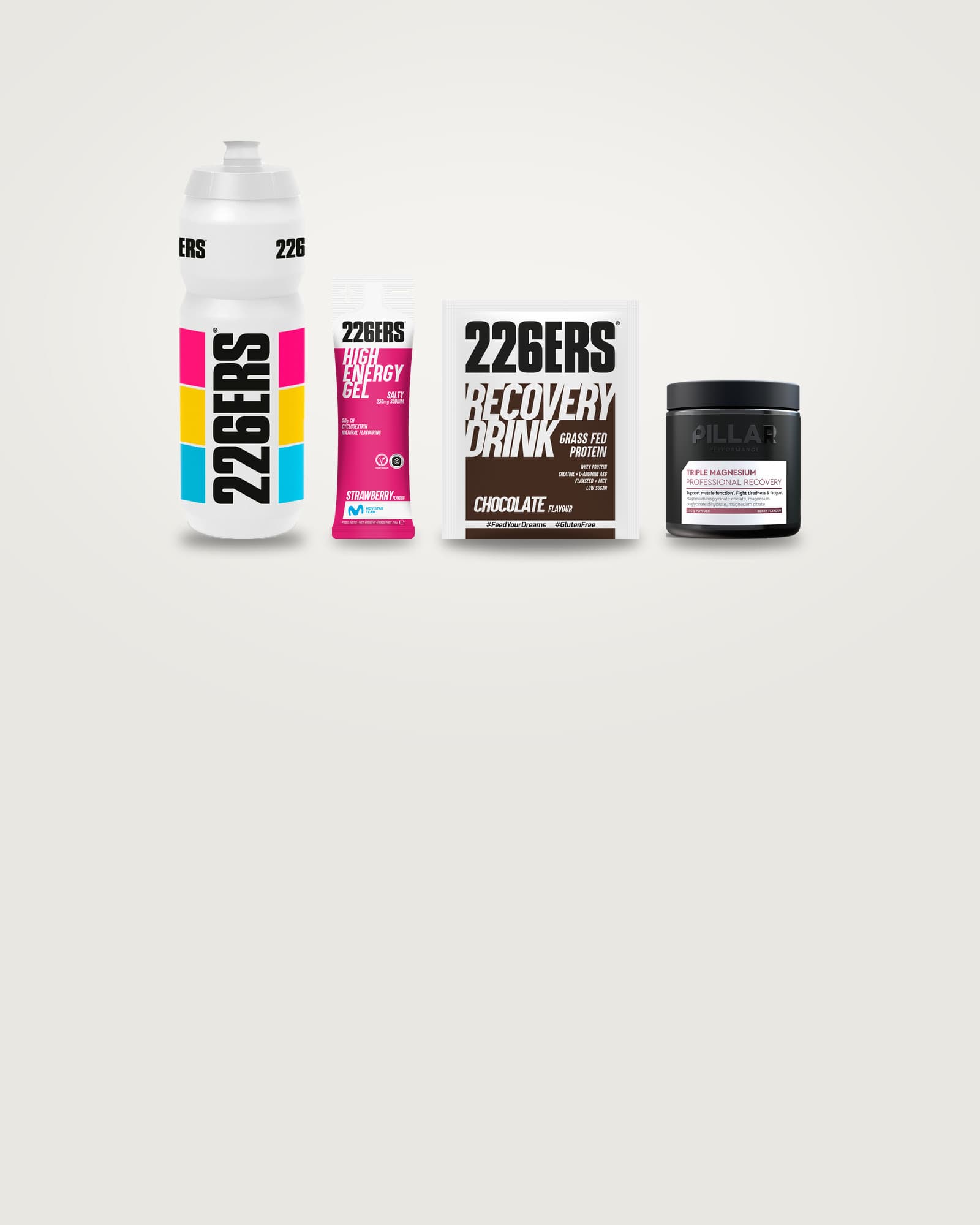
What to Give a Runner: Three Sports Nutrition Gift Sets
A gift guide for runners: three sports nutrition sets from 226ERS and PILLAR under 15,000, 30,000 and 55,000 tenge, how to choose one by distance and how to avoid the usual mistakes.
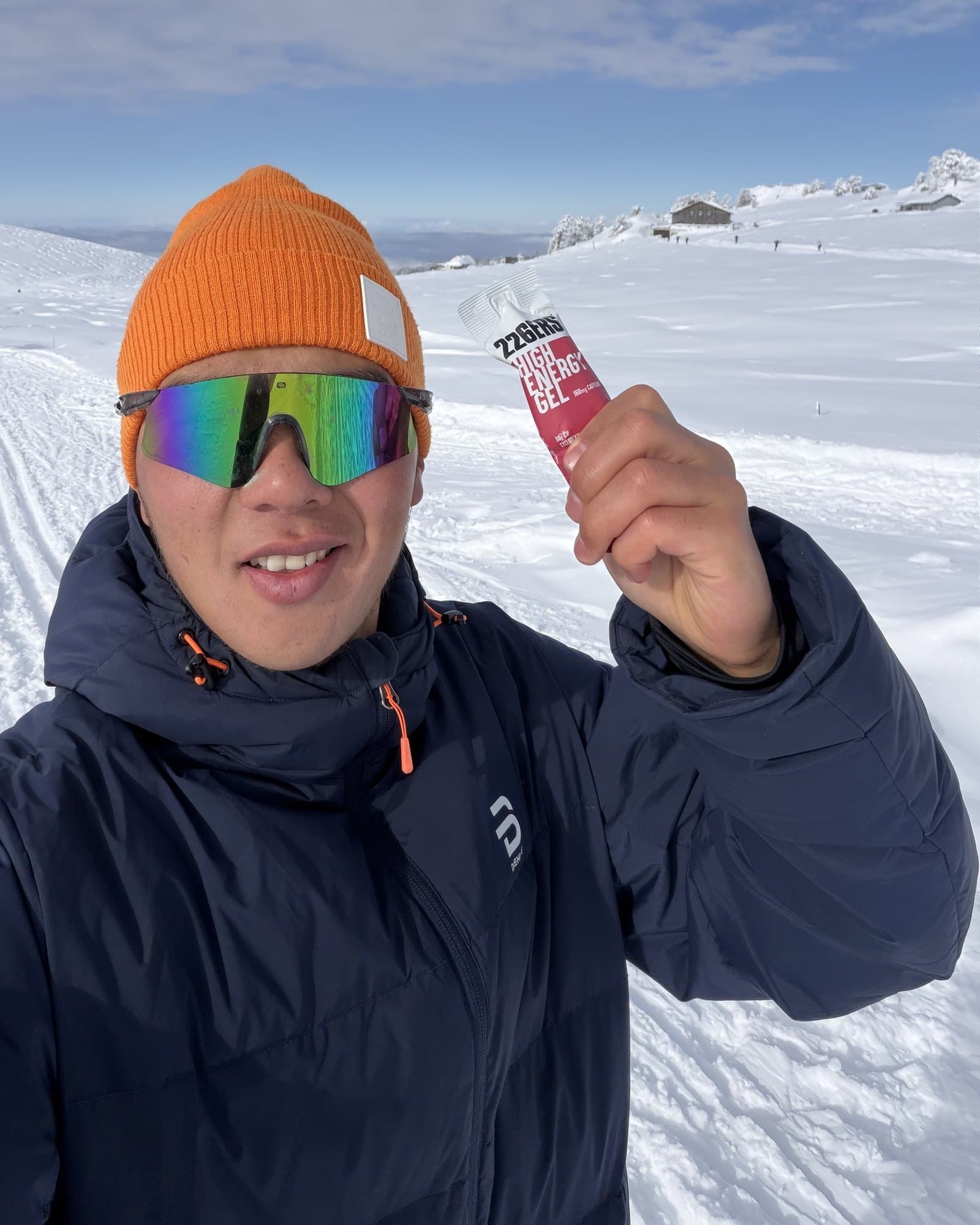
Nutrition for a cross-country ski race: what to take before the start and after the finish
A nutrition scheme for a cross-country ski race based on Ilyas Isabek’s protocol: a beetroot drink three hours out, a caffeine gel 40 minutes before the start, and recovery within the first 40 minutes after the finish.
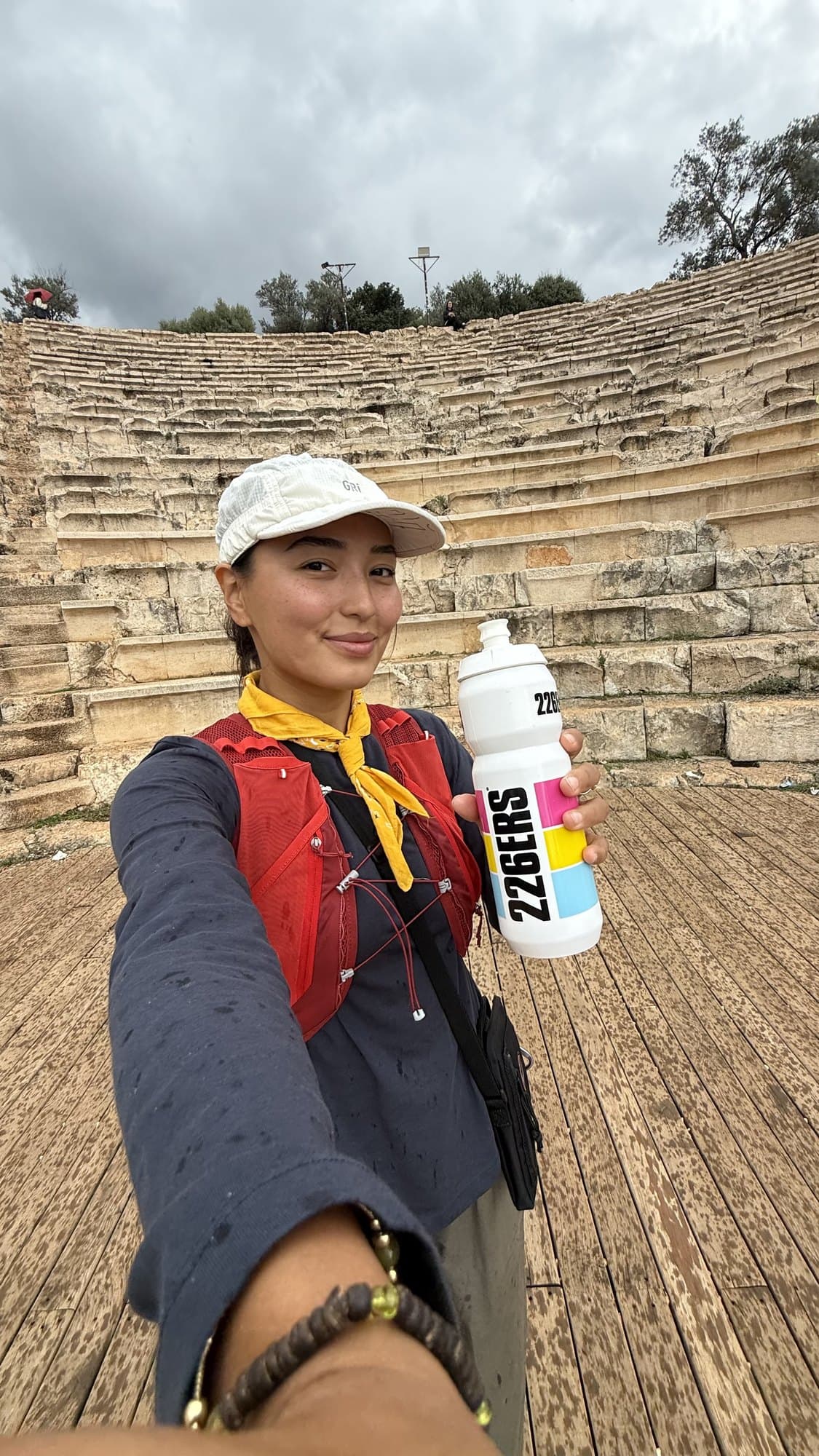
Nutrition on a multi-day trek and at an ultra trail: lessons from the Lycian Way
How nutrition works on a multi-day trek and at an ultra trail: electrolyte drink, bars, gels and recovery. A look inside Saltanat Arstanbekova's pack.

10 km race checklist: your race morning minute by minute
How to structure the morning before a city 10K: breakfast 2.5 to 3 hours out, a SUB9 capsule 30 minutes out, caffeine 15 minutes out and the 55-minute rule for gels on course.
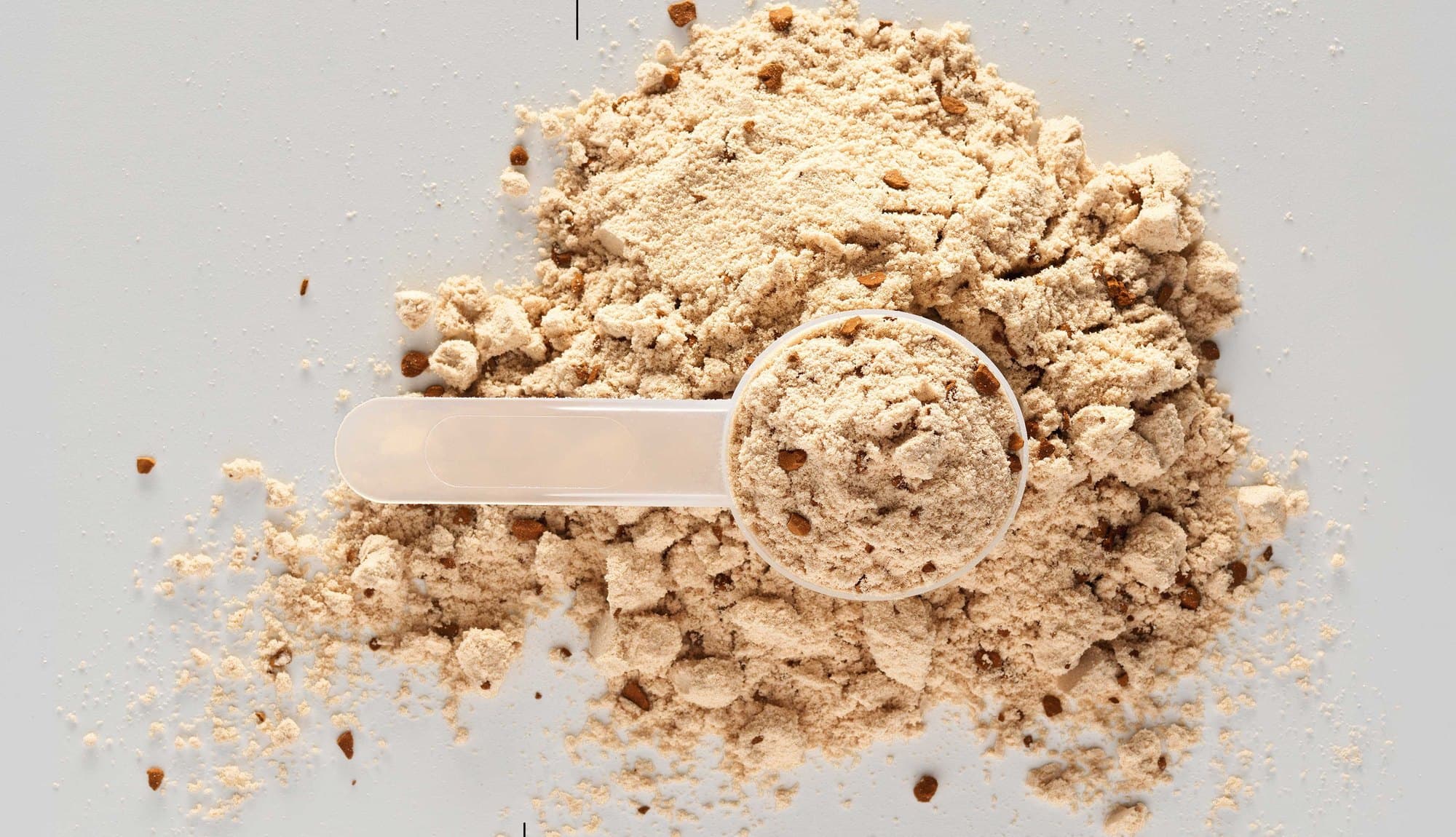
Does a runner need protein: whey in the winter base period
Why runners and triathletes need whey protein in winter, how much protein the base period calls for, how to take 226ERS Whey Protein and when the supplement adds nothing.
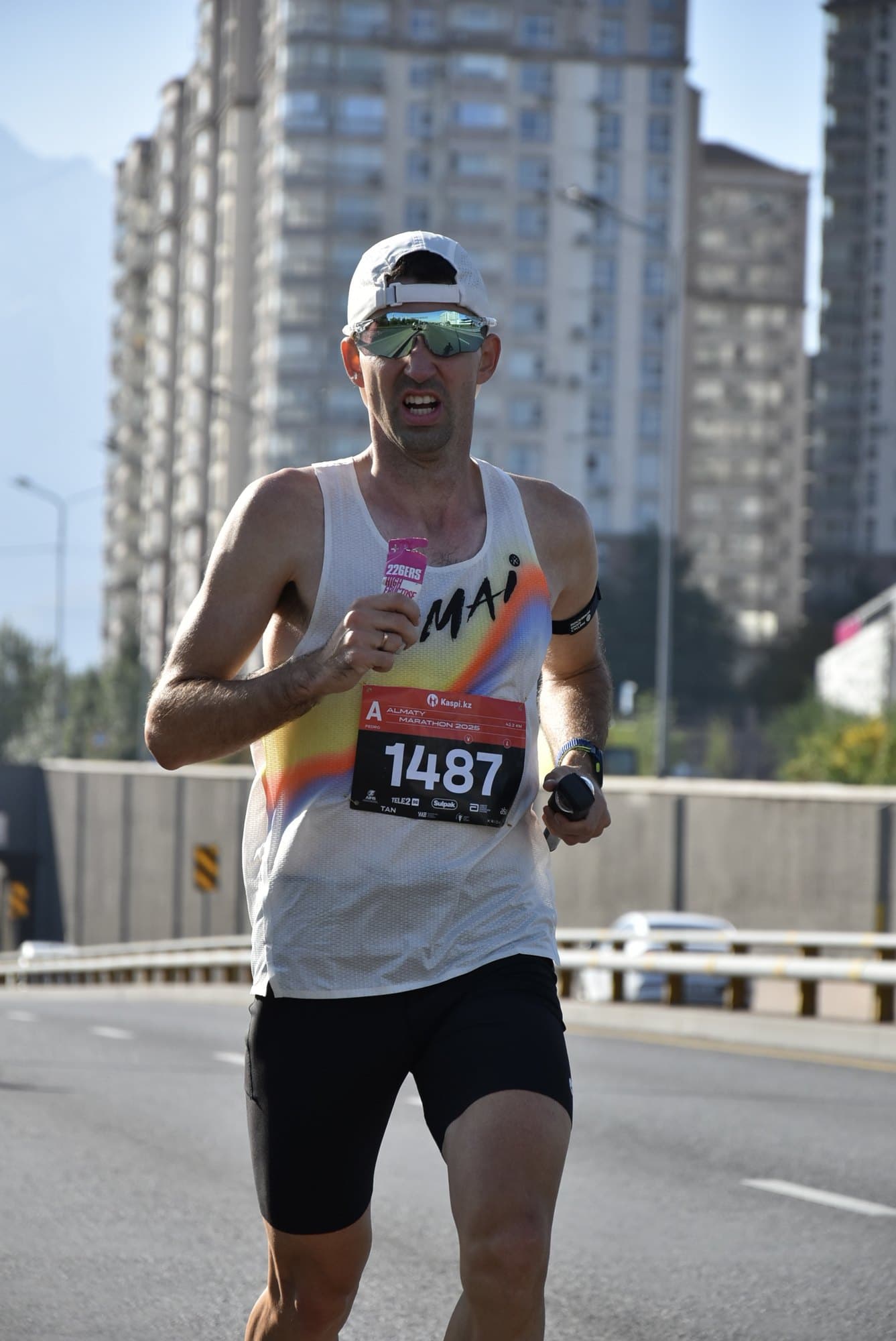
More than 60 g of carbs an hour: why a gel needs fructose at 10:8
How to take in more than 60 g of carbohydrate an hour: two types of carbohydrate, sodium, water and a breakdown of High Fructose gels by discipline: marathon, triathlon, cycling, trail.
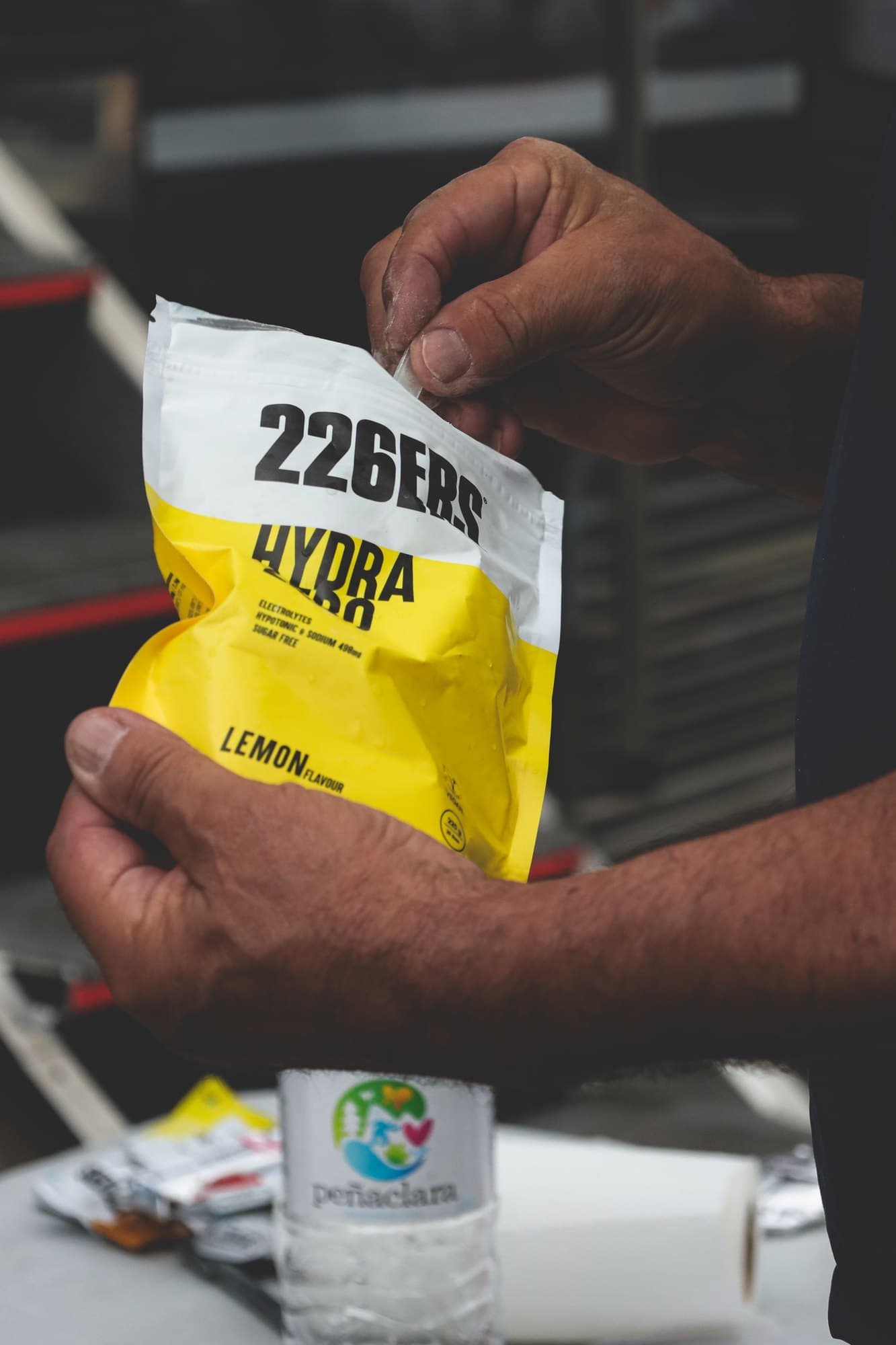
Electrolytes in winter: why salt matters when you feel no thirst
In winter you still sweat, but you feel no thirst. We look at why electrolytes matter on cold sessions, what is inside 226ERS SUB9 Salts capsules and how to take them before, during and after exercise.
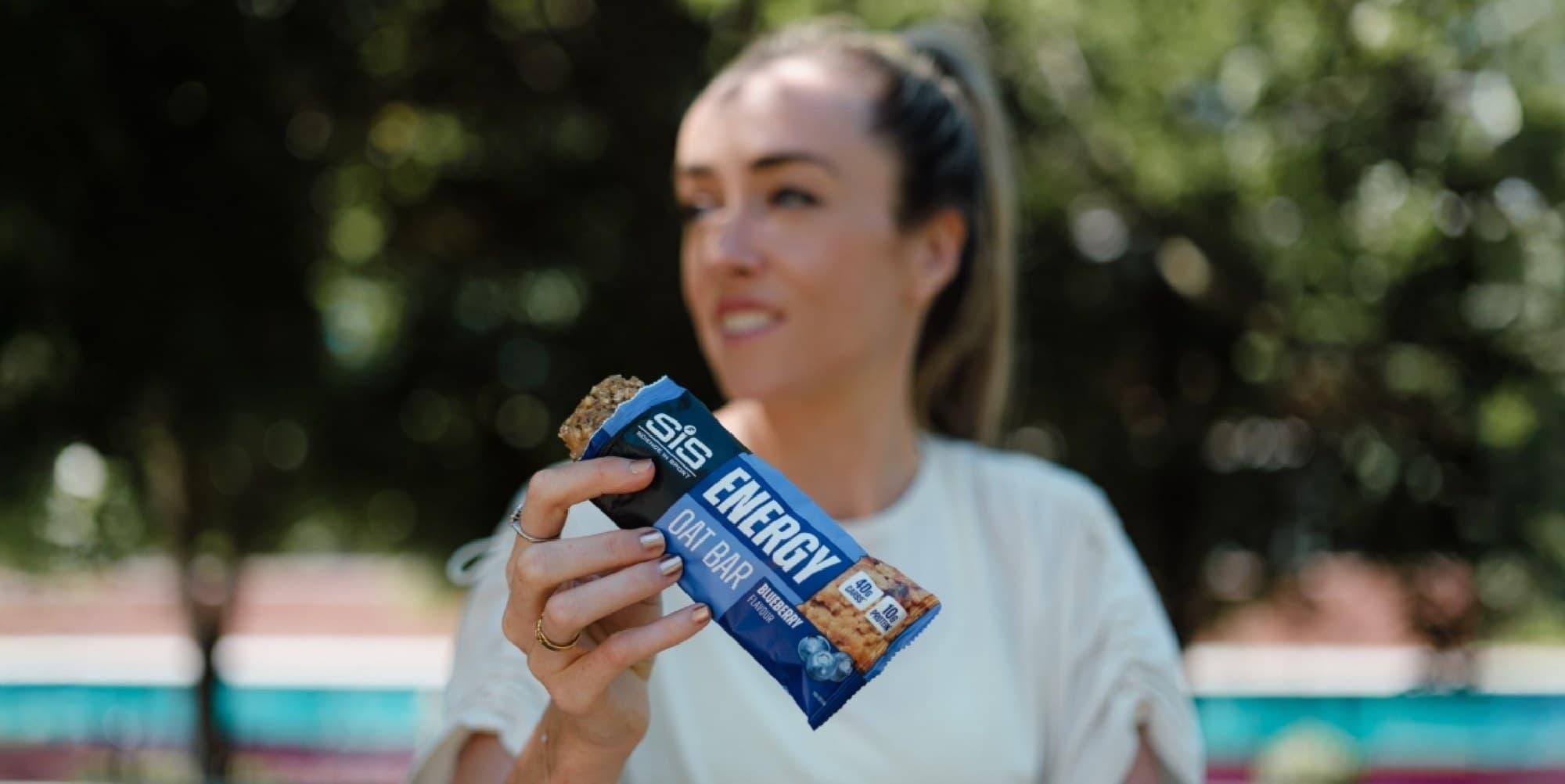
Solid fuel for endurance: SiS Beta Fuel Chew and GO Energy Bake
When you can't face another gel: the Beta Fuel chew bar with 46 g of carbs and the GO Energy Bake energy biscuit. When to take them and how to combine them with gels.
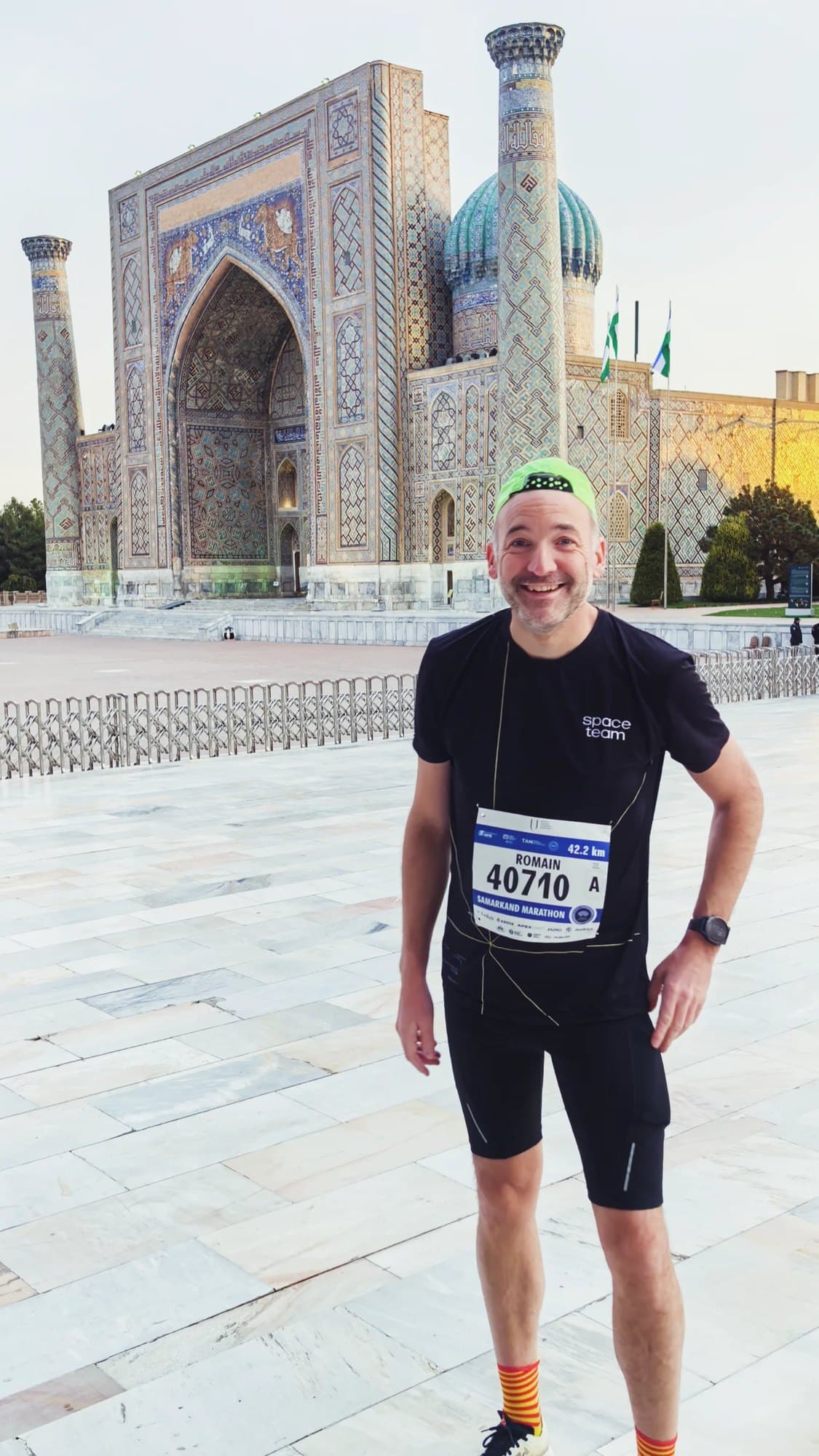
How to combine gels during a marathon: isotonic, caffeine, fructose
We look at how to put together different types of gels for a marathon, using the 226ERS kit of Romeyn from Space Team as the example: 200 g of carbohydrates for three hours of racing, with caffeine saved for the second half.
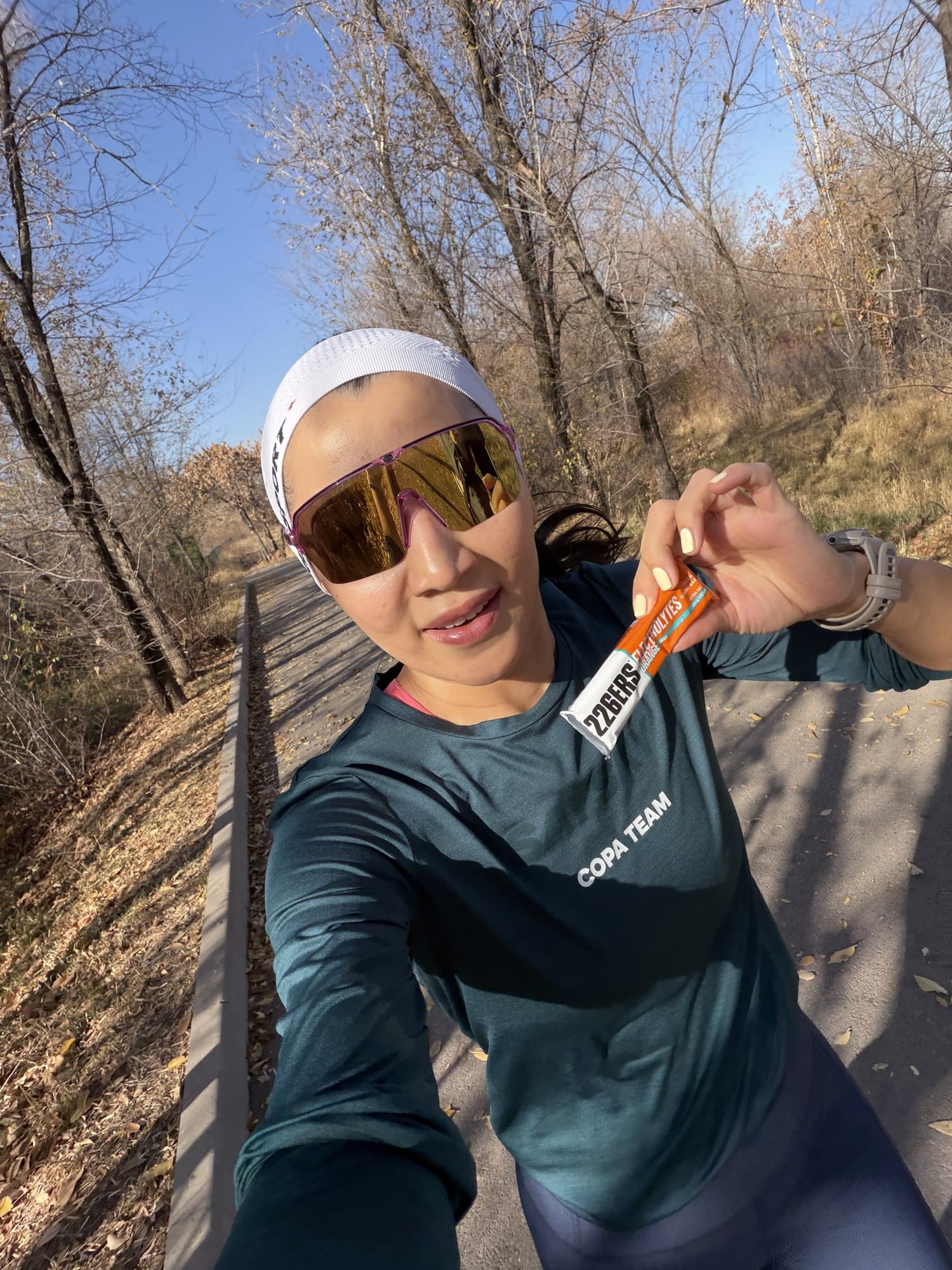
Electrolyte gummies: how to eat them on a long session
Chewable gummies with carbohydrate and salt: how much to eat per hour, why sodium matters, what to wash them down with and which mistakes upset your stomach on long work.
Nauseous from gels during a marathon: what to replace your carbohydrates with
What to do when your stomach refuses gels: SiS chewable carbohydrates and energy bakes, how to alternate formats on a long race and the 60–90 g of carbohydrate per hour benchmark.
SiS REGO Rapid Recovery or REGO Whey: what to drink after training
A recovery drink with carbs or pure protein: we look at two SiS REGO products and explain which sessions each one is for.