


How to fuel
Articles 49–65 of 65
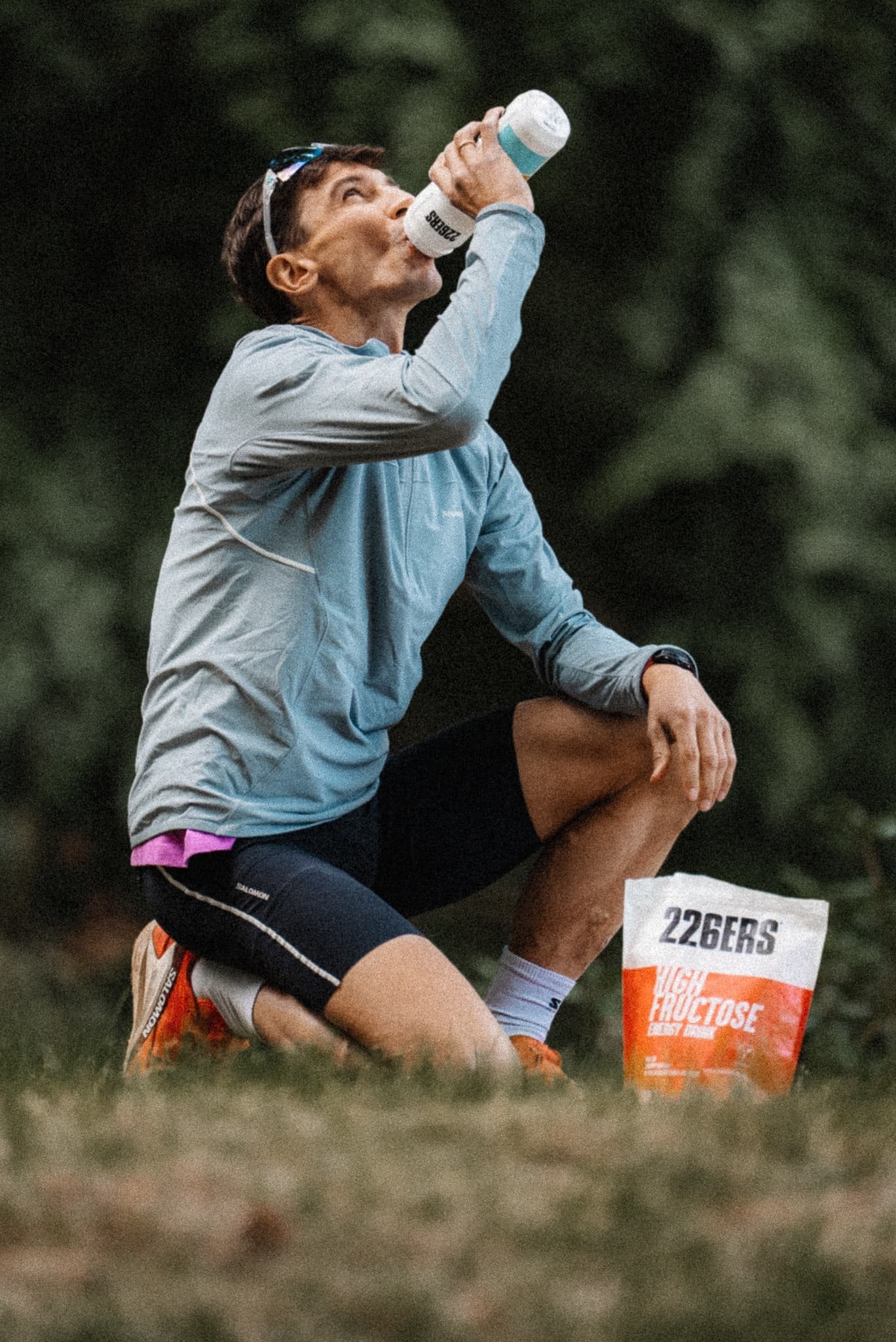
Breakfast before a race: what to eat three hours before the start
How to build your race morning: breakfast three hours out, a drink 40 minutes before and one gel in your hand on the line. The routine used by 226ERS ambassador Rinat Kulygin.
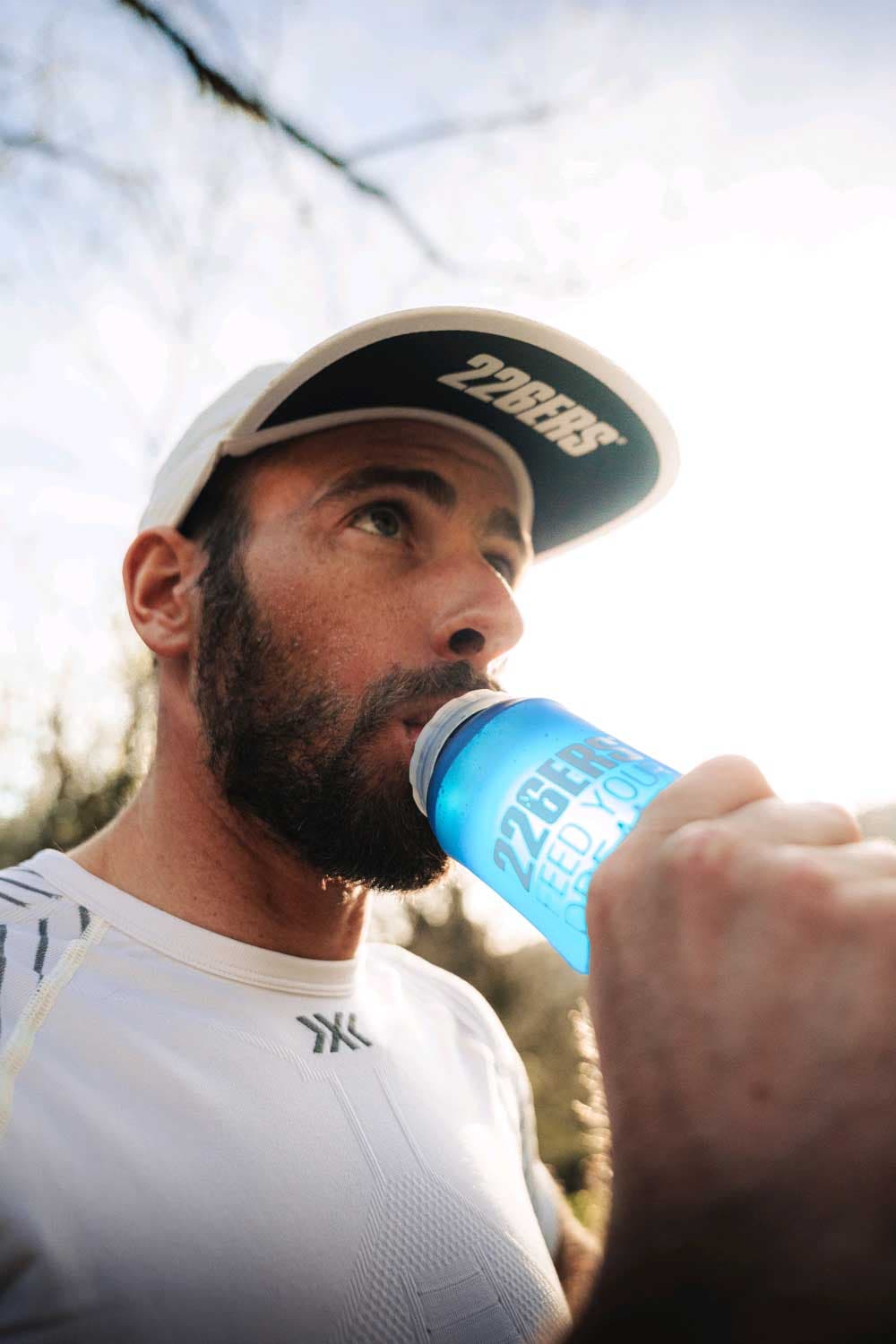
Caffeine in a marathon: when to take a caffeinated gel
How and when to use caffeine in a marathon: taking it 40 minutes before the start, a second point at 25 km, doses of 125 and 250 mg, what to wash it down with and the mistakes that come up most often.
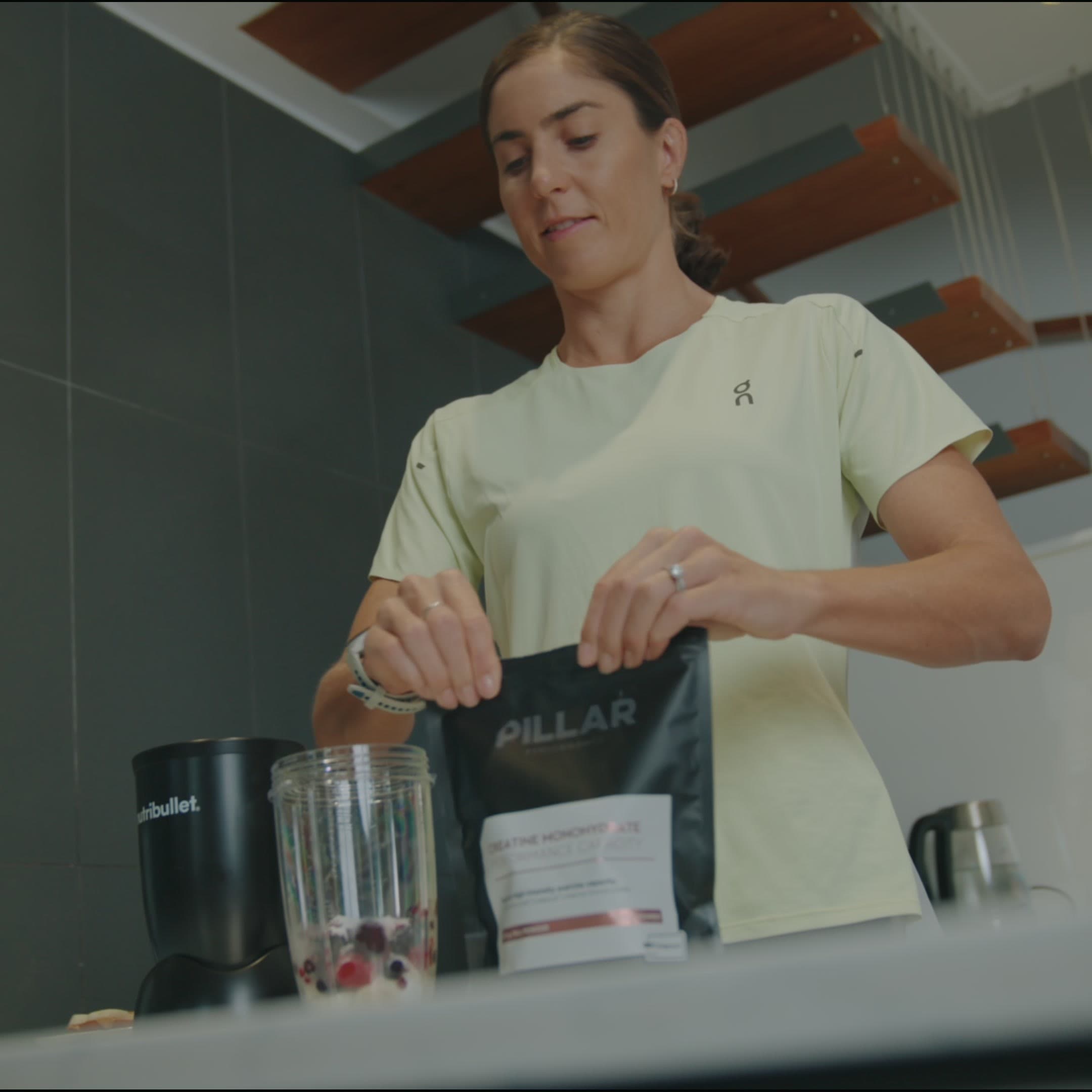
Creatine and weight gain in runners: when to start a course
Why the scales go up by 0.5–1.5 kg on creatine, what that water actually is and how many weeks before your main race to begin. A breakdown using PILLAR Creatine as the example.
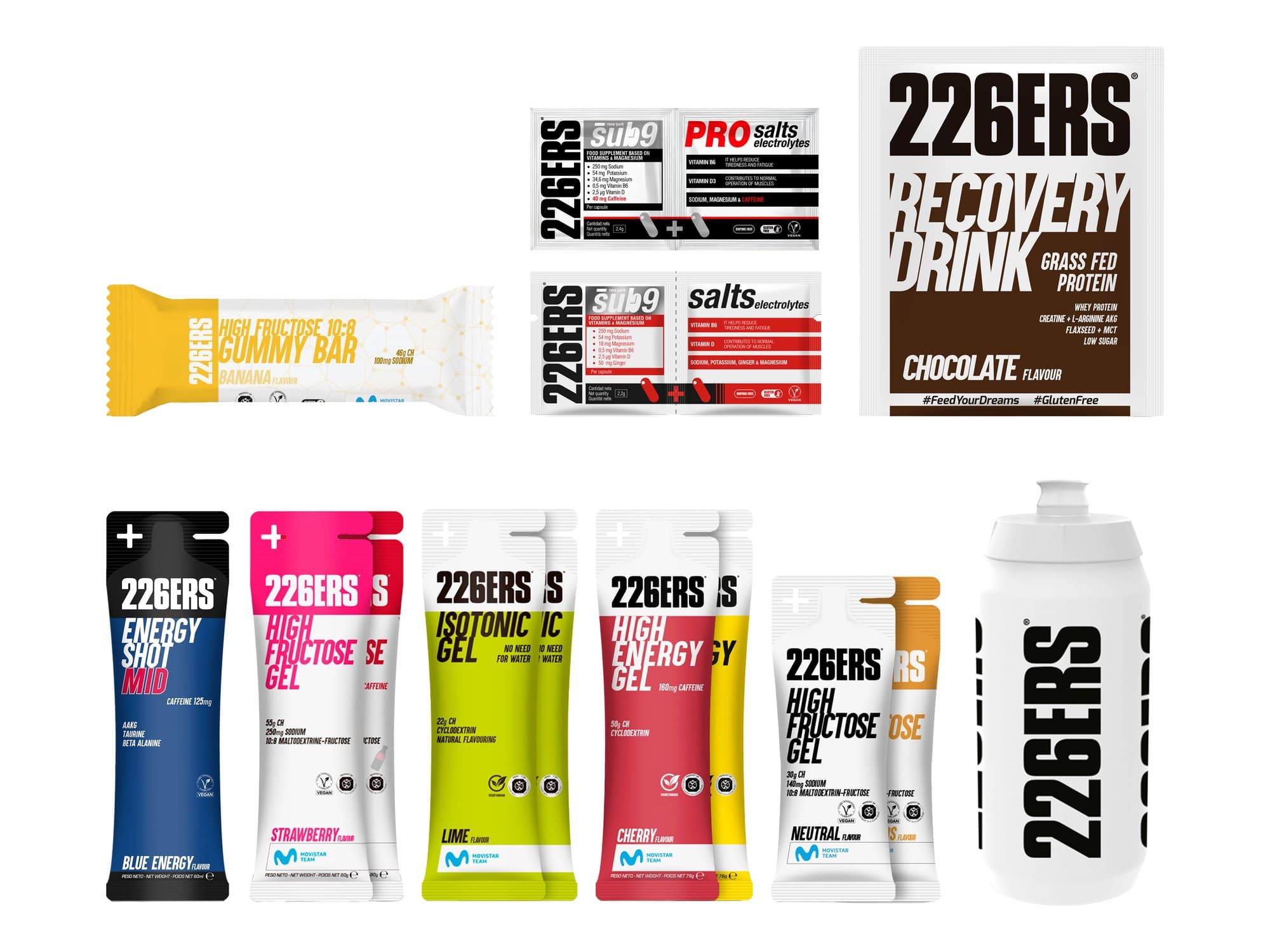
A race fuelling protocol for a four-hour marathon
A ready-made race fuelling plan for a marathon with a target time of around four hours: seven gels, caffeine, salt and water in warm weather.

How to choose an energy gel: texture, carbs, distance
We compare 226ERS High Energy, SiS Go Isotonic and SiS Beta Fuel: how many carbohydrates there are per serving, whether you need to wash the gel down, and which one to take for a half marathon or a marathon.
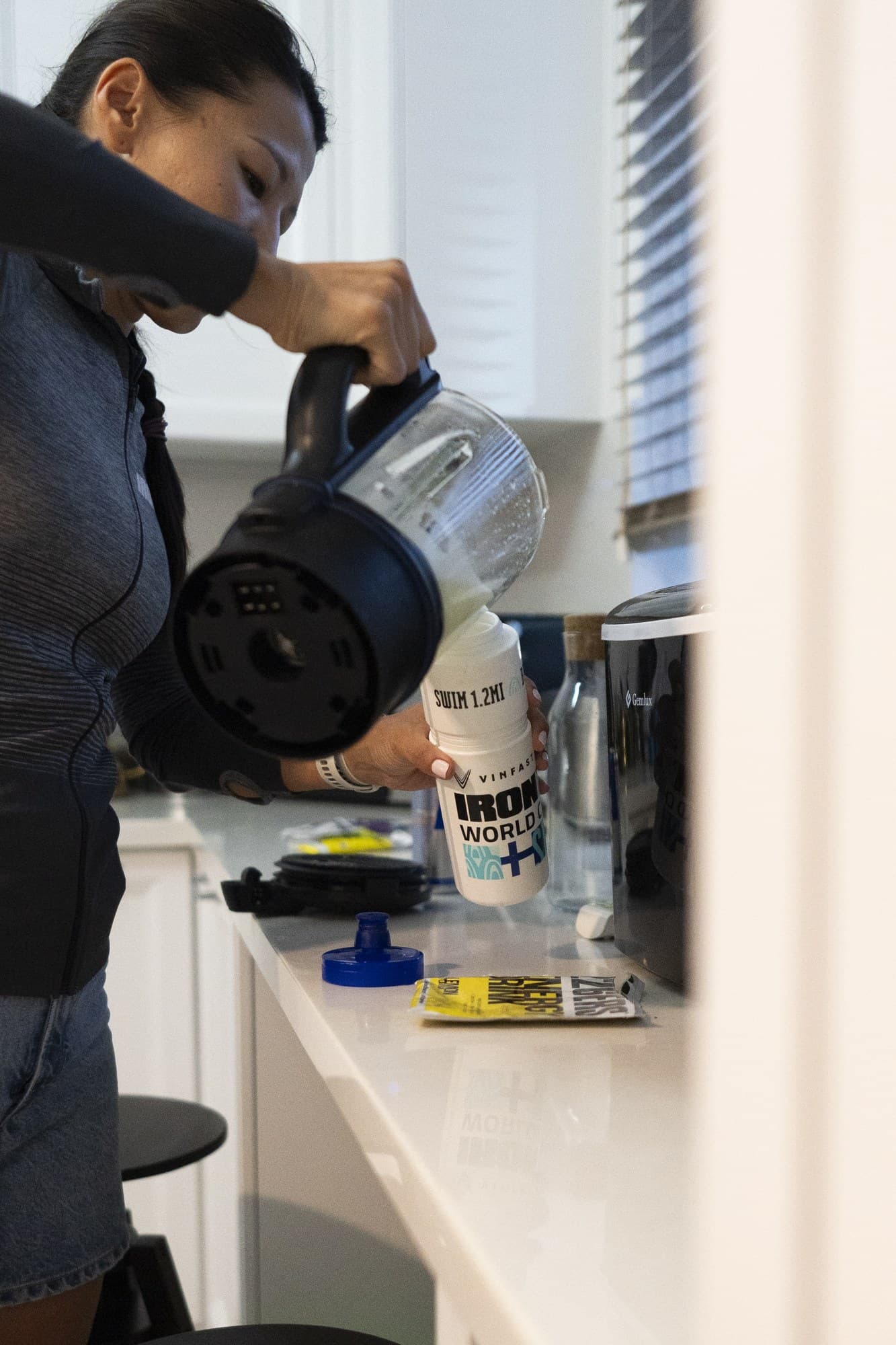
Fuelling plan for a long session: a triathlete's experience
How 226ERS ambassador Saltanat Kazybayeva puts together her bottles and gels for a long session, and why a plan like this is worth rehearsing in advance rather than on race day.
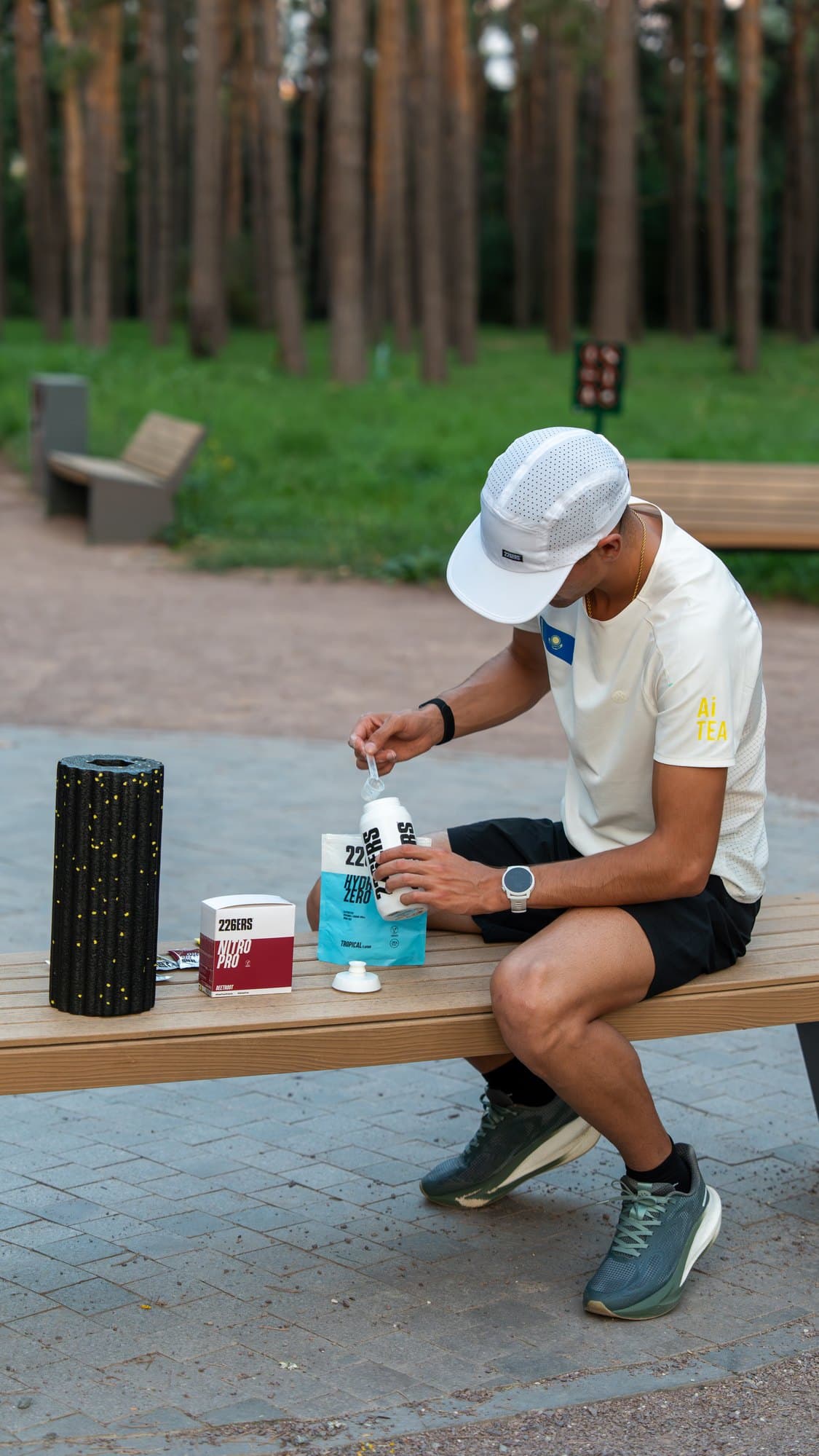
Carb Loading Before Your Race in Turkistan: A Three-Day Plan
Your glycogen stores last for roughly 30 km. How to carb load from Thursday to Saturday: 7–10 g of carbohydrates per kg of body weight, plus 226ERS products and drinks.

Trail Fuelling: Gels, Bars and Salt Hour by Hour
A gel every 35 minutes, salt on the climbs, a bar after two hours and a sip of water every 10 minutes. A trail fuelling plan and why it differs from road running.
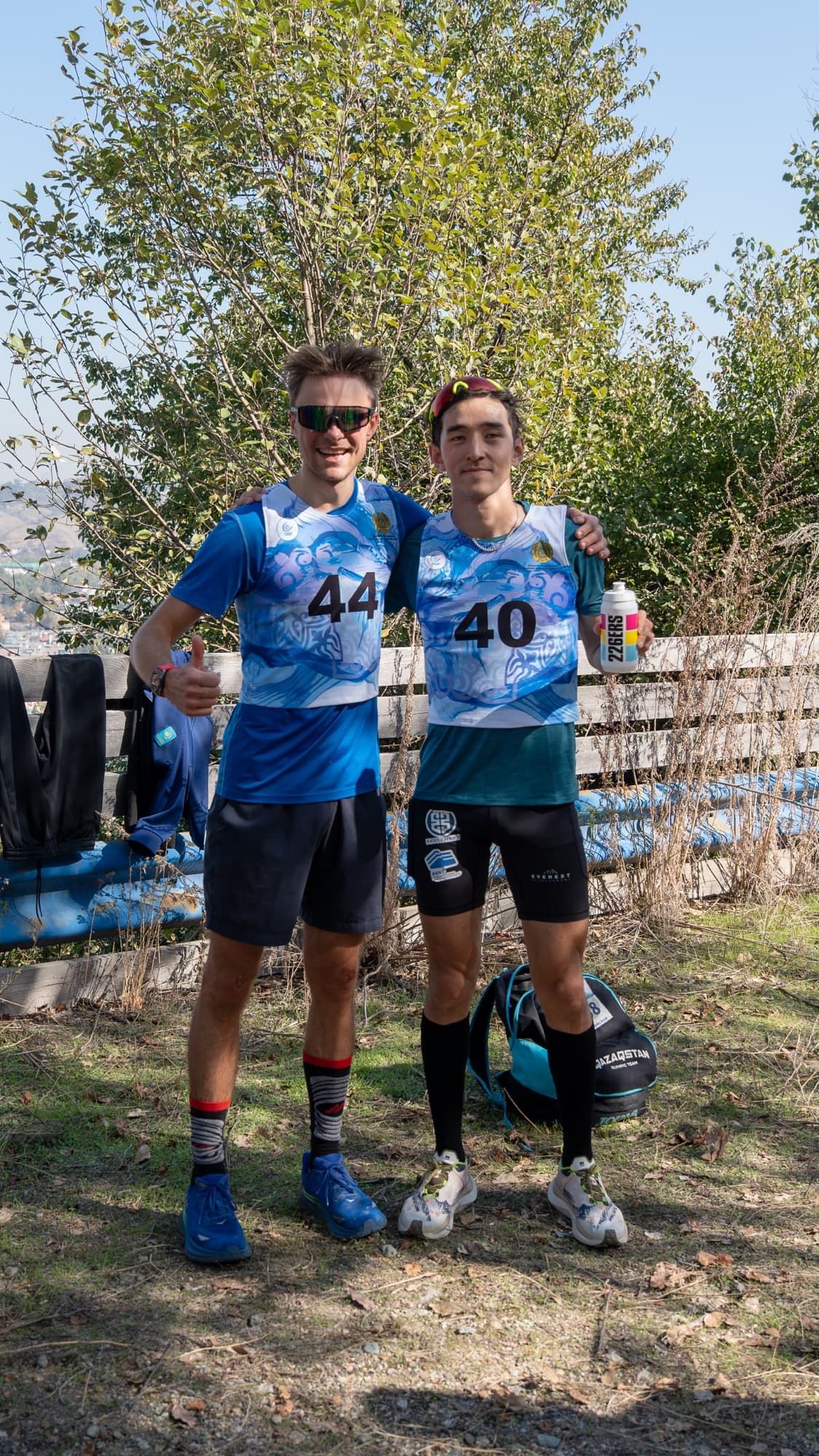
How to Pack Your Vest With Fuel for a 23 km Trail Race
How 226ERS ambassador Chingiz Rakparov packs his vest for the 23 km Salomon Yak Trail: four gels, Race Day Salty Trail, SUB9 capsules and two 500 ml soft flasks.
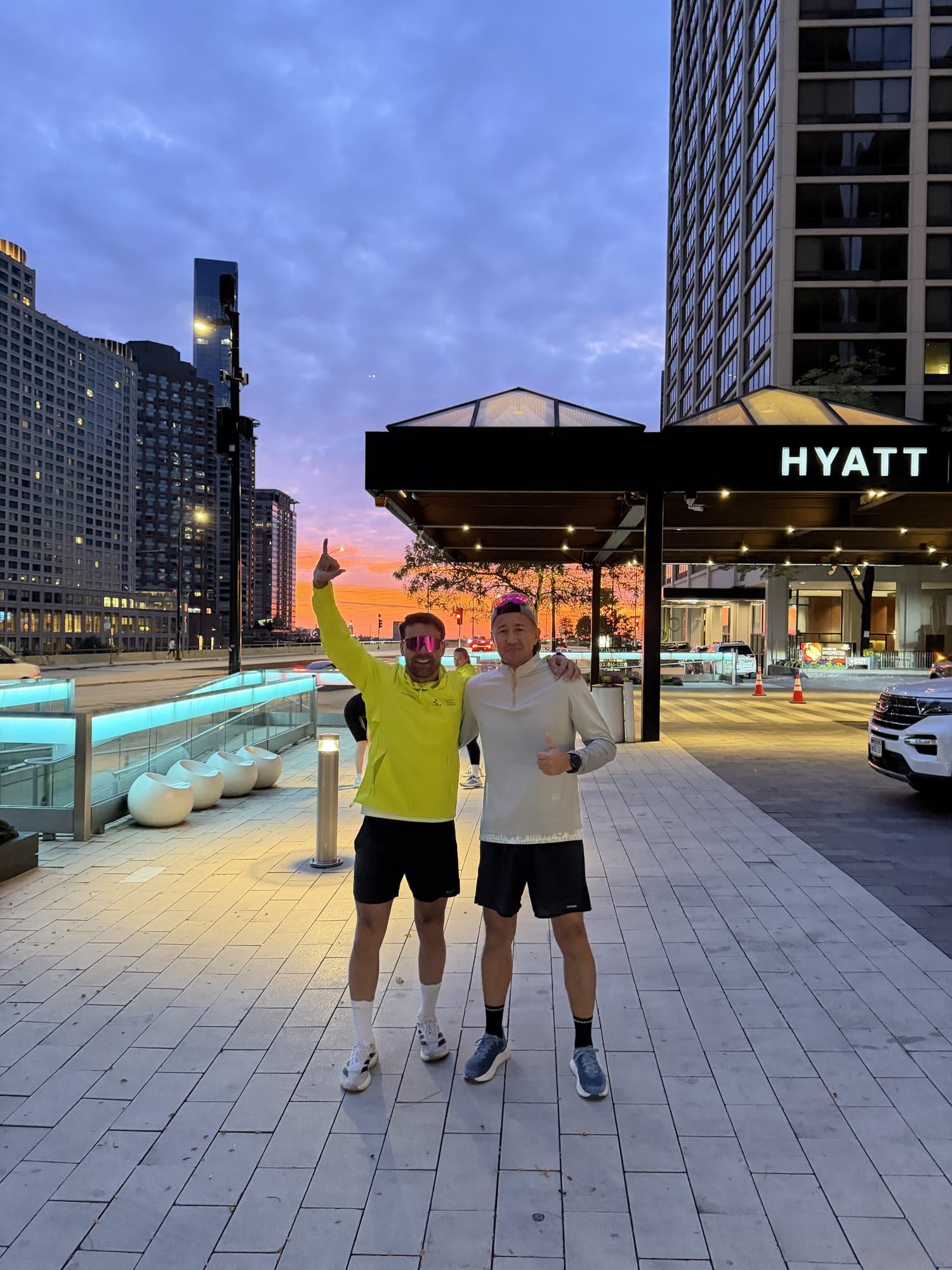
Chicago Marathon Fuelling Plan: How Dulat from Space Team Fuels
Dulat from Space Team's full fuelling plan for his first marathon, in Chicago: SUB9 Race Day in his flask, capsules every 5 km, gels at 8, 17 and 27 km and 410 mg of caffeine in the second half.
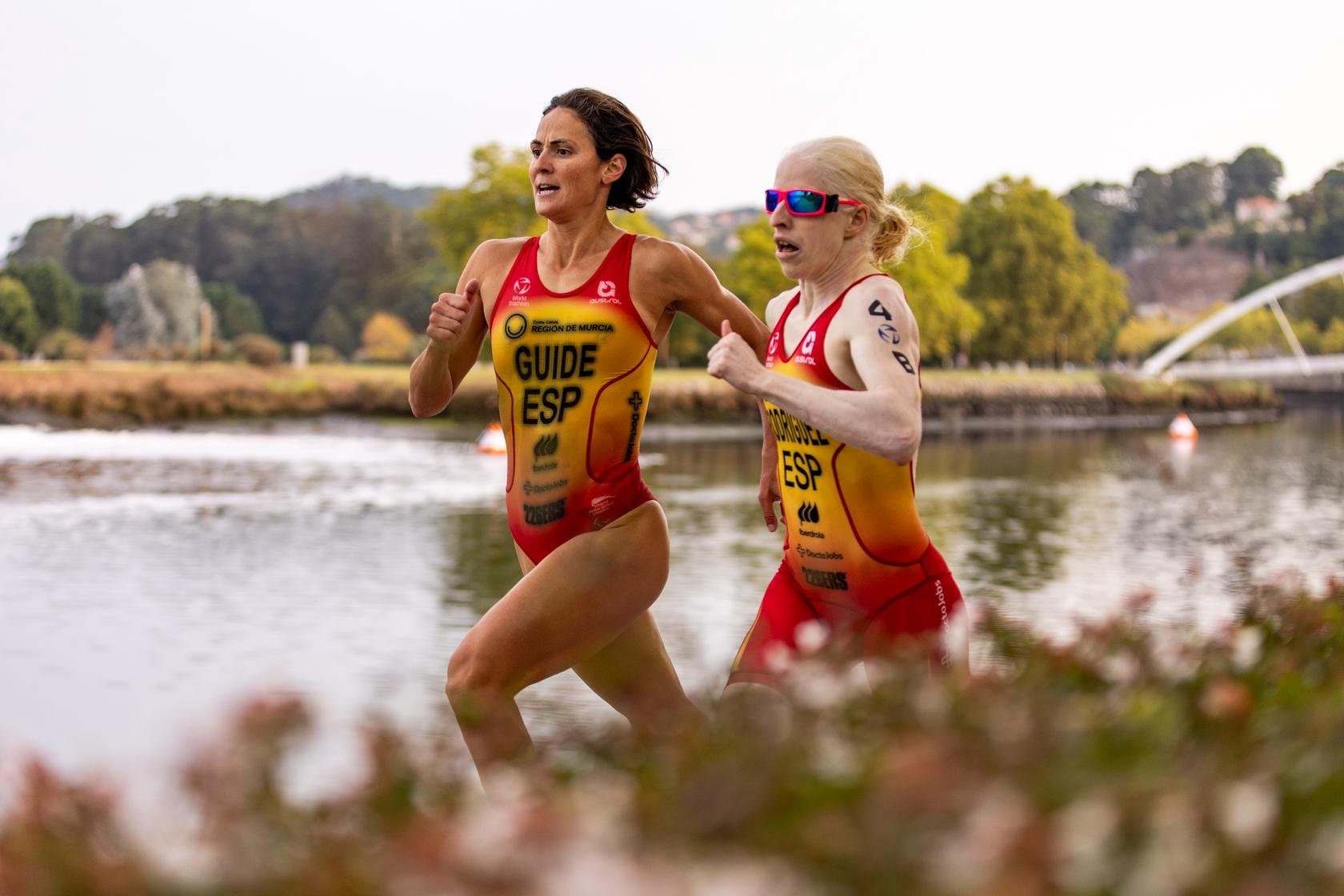
Fuelling a Full IRONMAN: The 226ERS Hour-by-Hour Plan
How fuelling works over 226 km: 80–90 g of carbohydrates per hour, gels, SUB9 and isotonic drink. A stage-by-stage breakdown of the swim, bike and run from 226ERS.
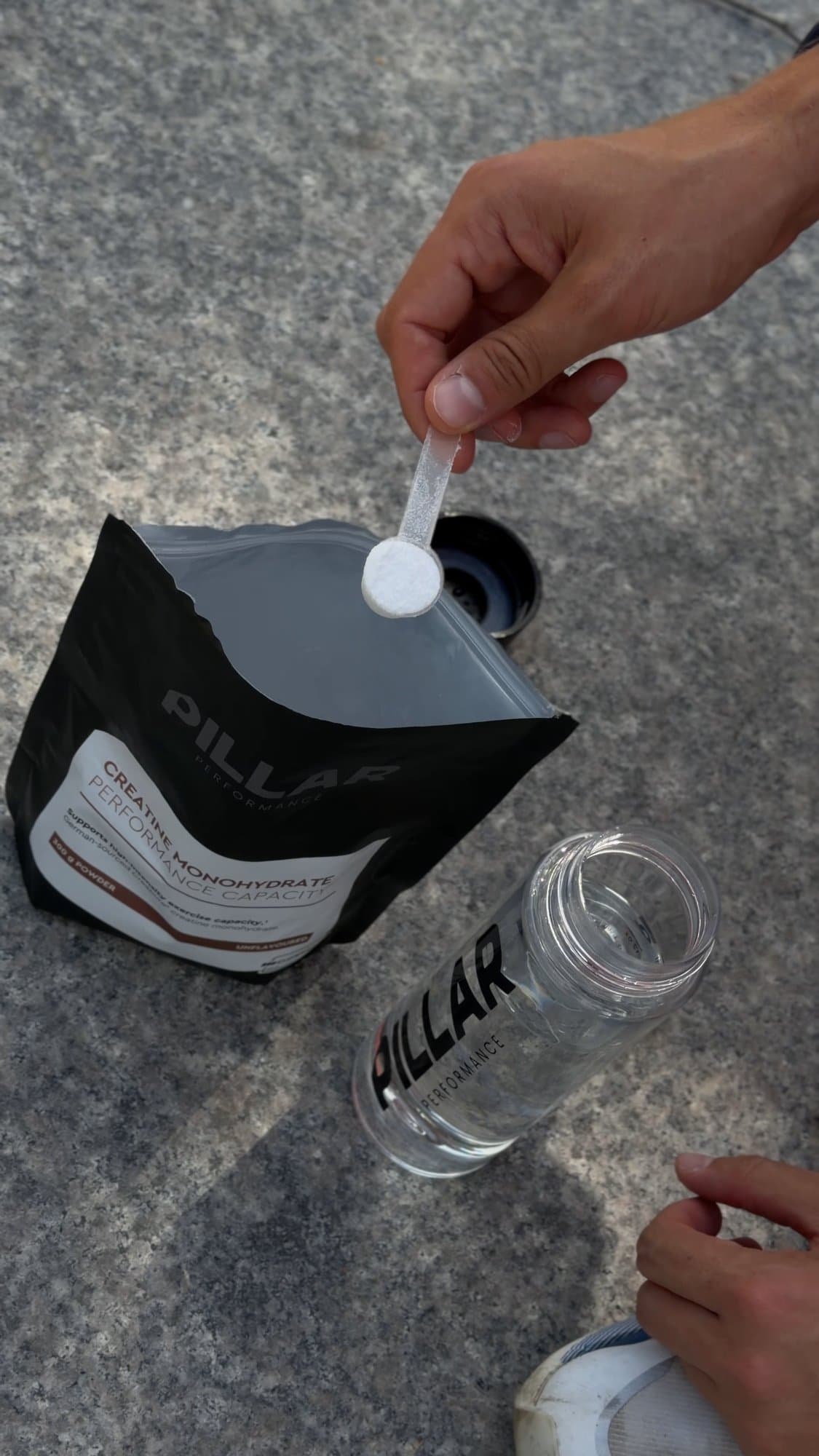
Creatine for runners: why monohydrate belongs in endurance
Why runners, cyclists and triathletes need creatine, how to take 3-5 g a day without a loading phase, and why Creapure and Informed Sport certification matter.
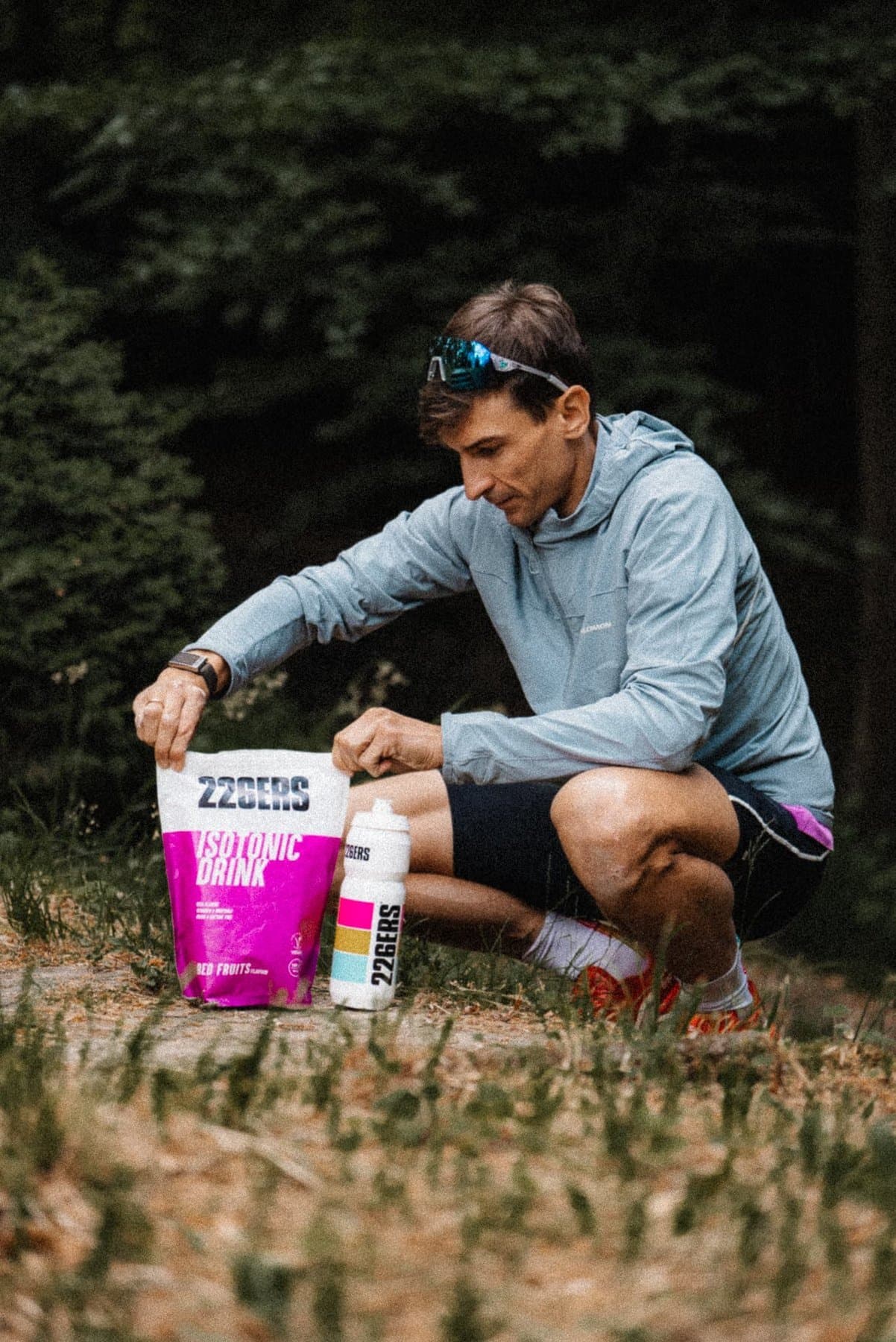
Gel, Isotonic Drink or Electrolytes: What to Take for a 10K, Half Marathon and Marathon
The difference between gels, isotonic drinks and electrolytes: what each product is for and which to take for a 10 km, half marathon and marathon.
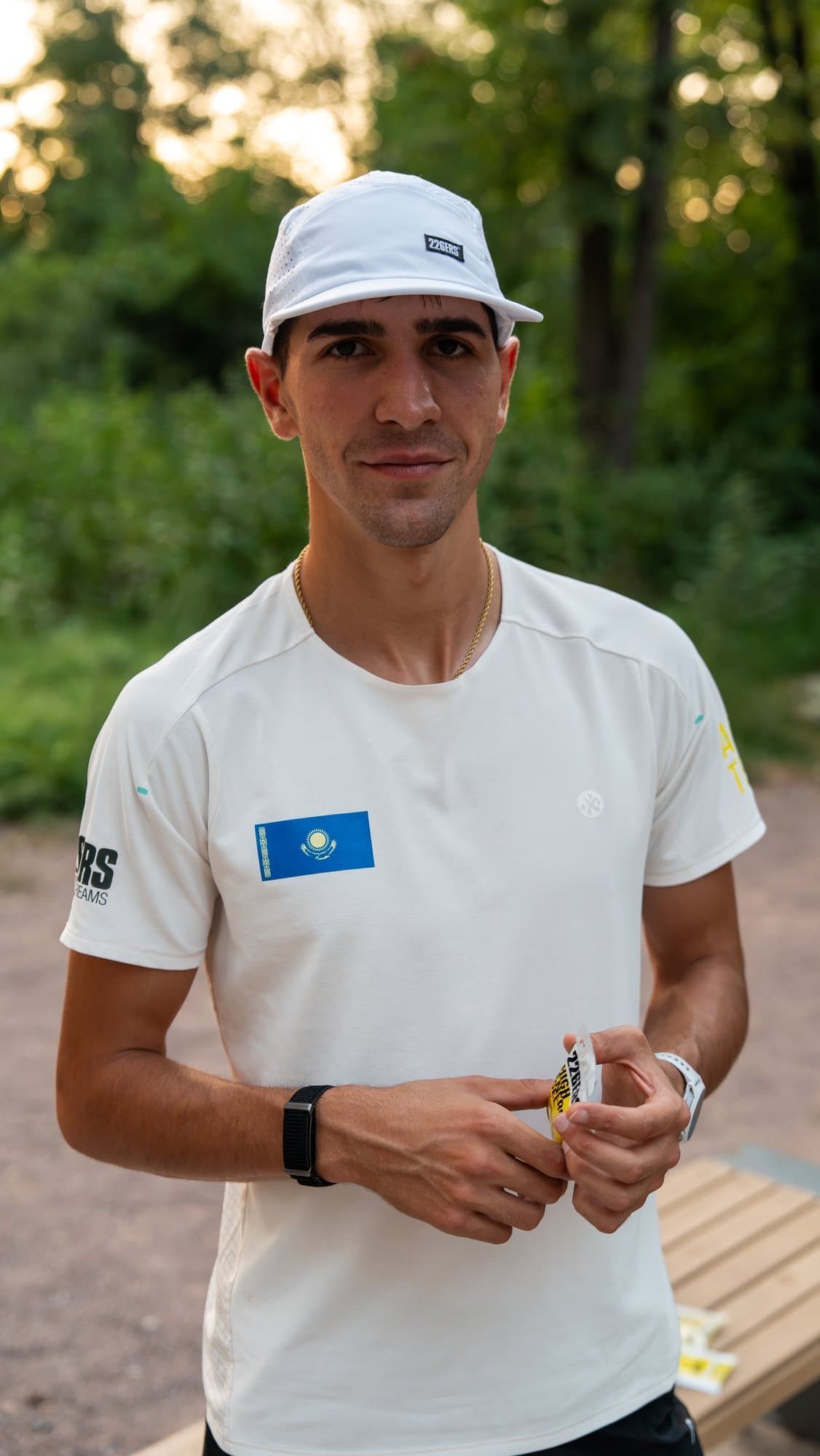
Marathon Nutrition for 42 km: Rinat Kulygin's 226ERS Plan
What's in the bag of Kazakhstan's 3000 m steeplechase champion Rinat Kulygin: nitrates and a hypotonic drink before the start, gels and salts on the course, recovery after the finish.
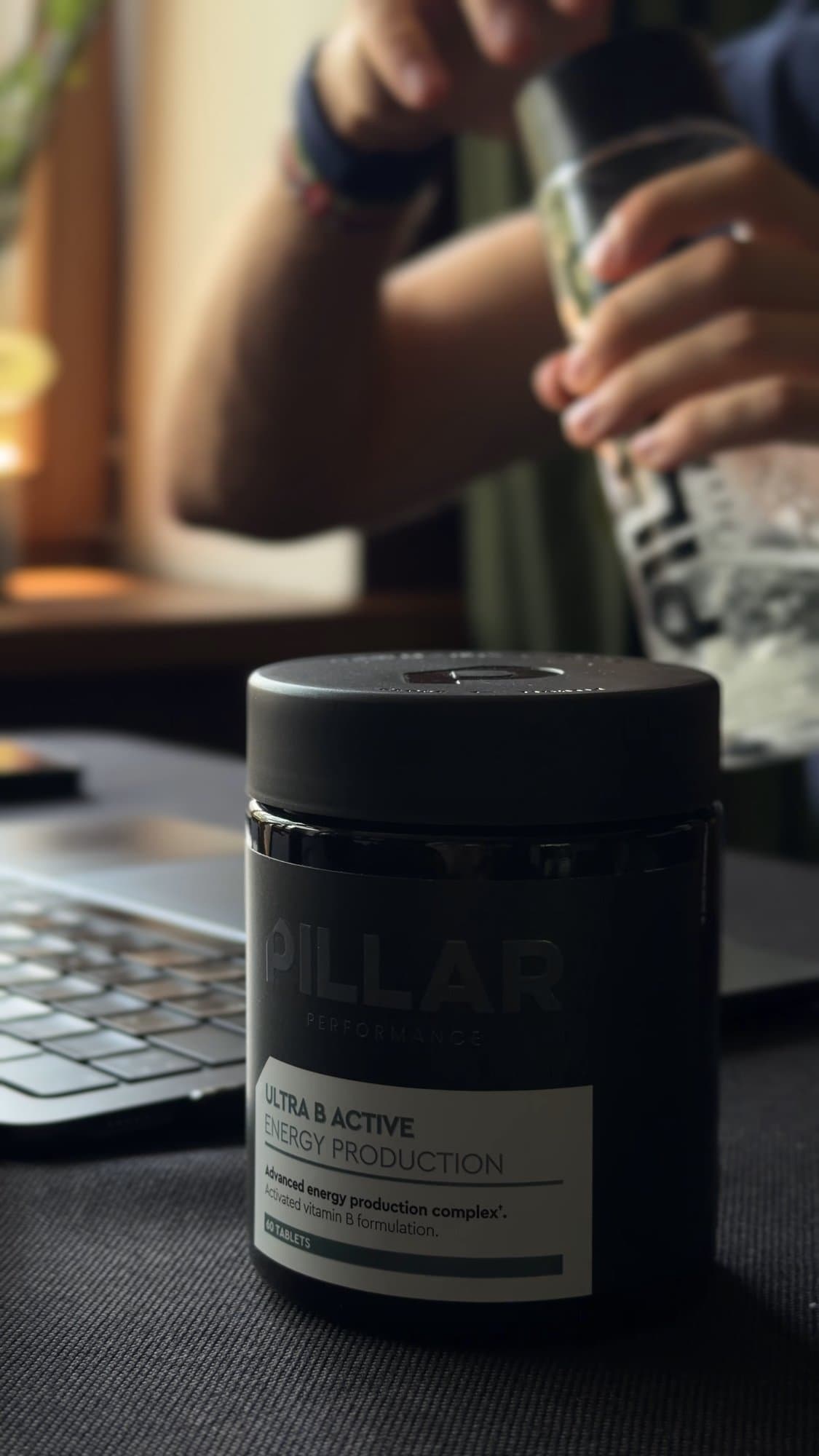
PILLAR: A Nutrition System Built Around Your Day, Morning, Training, Evening
How the PILLAR range works: morning for energy and vitamins, training for the main work, evening for magnesium and sleep. Not a shelf of tubs but a system with clear logic.
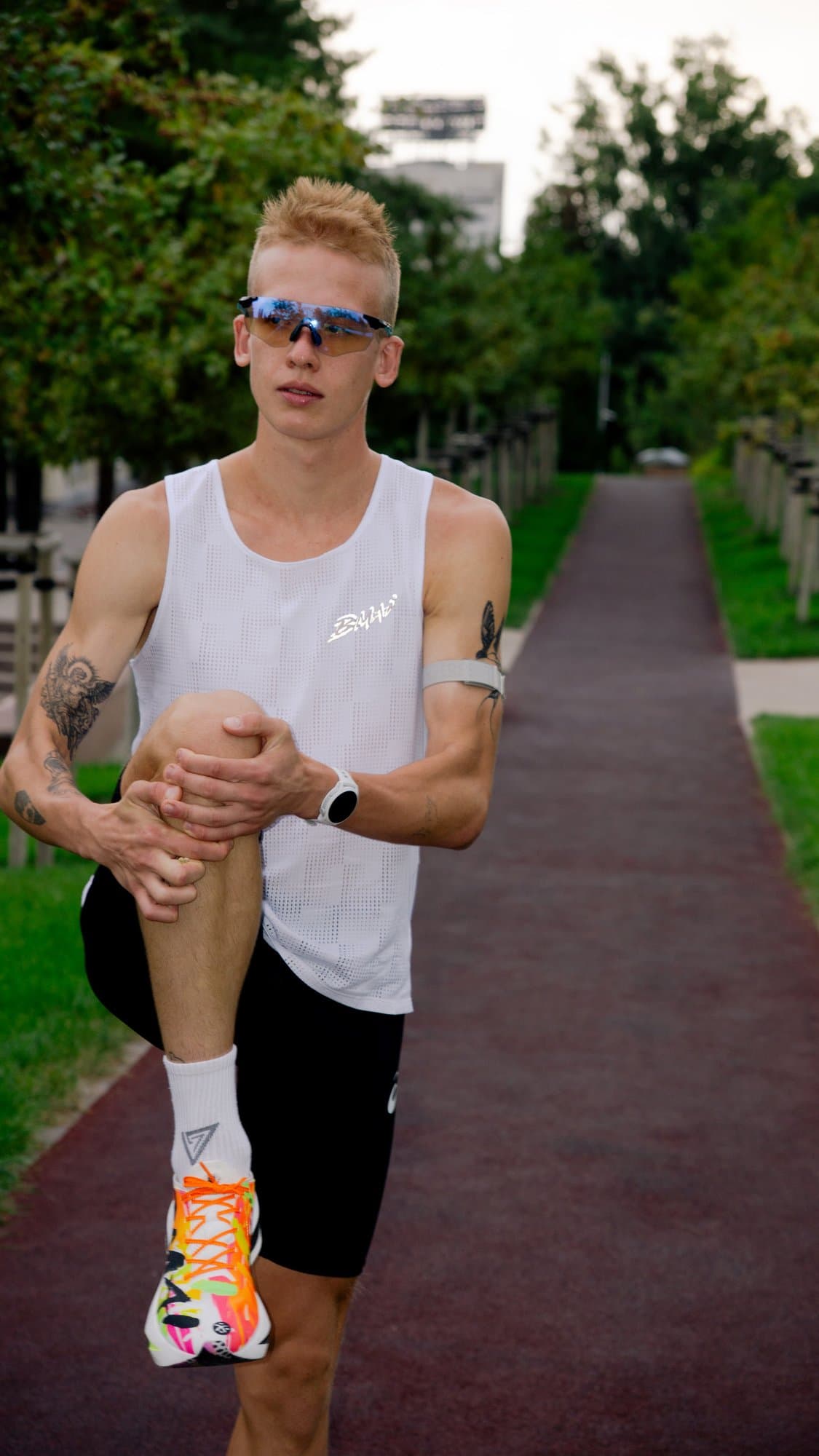
Creatine for runners: what it is for and how to take it for endurance
A look at why runners and triathletes take creatine: finishing accelerations, core strength under accumulated fatigue, recovery between hard sessions and the usual mistakes people make.
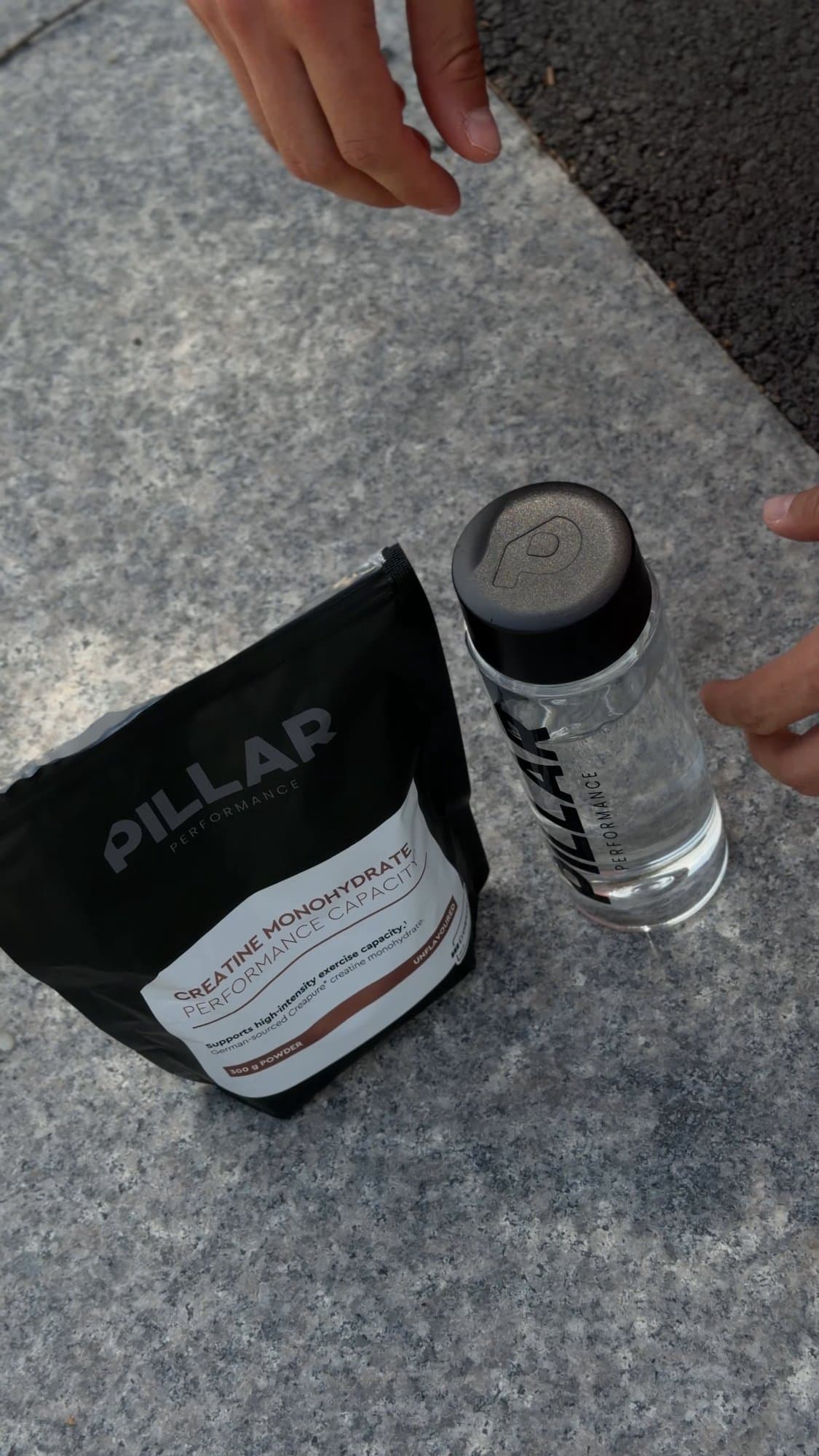
Creatine monohydrate for runners and triathletes: why you need it
Why endurance athletes need creatine monohydrate: how it works, what it gives you at the finish and in recovery, how to take it and which mistakes to avoid.