Energy gels differ in more than just flavour. What matters more is how many carbohydrates one serving contains, whether you need water with it, and how the texture feels at a high heart rate. We compare three gels in different formats and work out which one suits your distance.
226ERS High Energy: thick and creamy, 50 g of carbohydrates
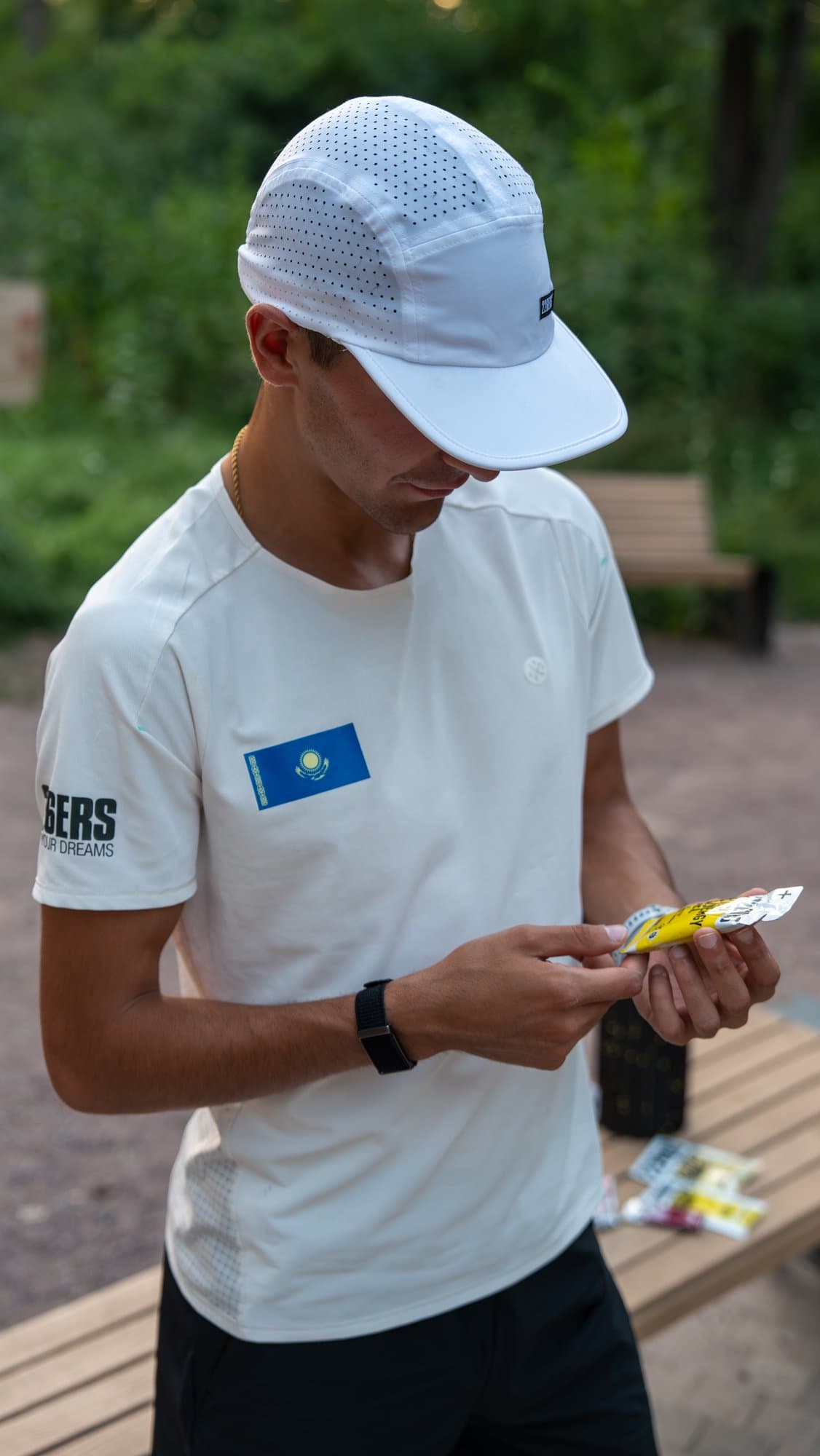
The most concentrated of the three. The dense texture feels like food rather than a drink, so it is easier to take at a steady pace than flat out. One serving covers most of your hourly carbohydrate needs, which means you carry fewer gels. The carbohydrates come in the form of cyclodextrin, so the gel sits gently in the stomach even when taken frequently.
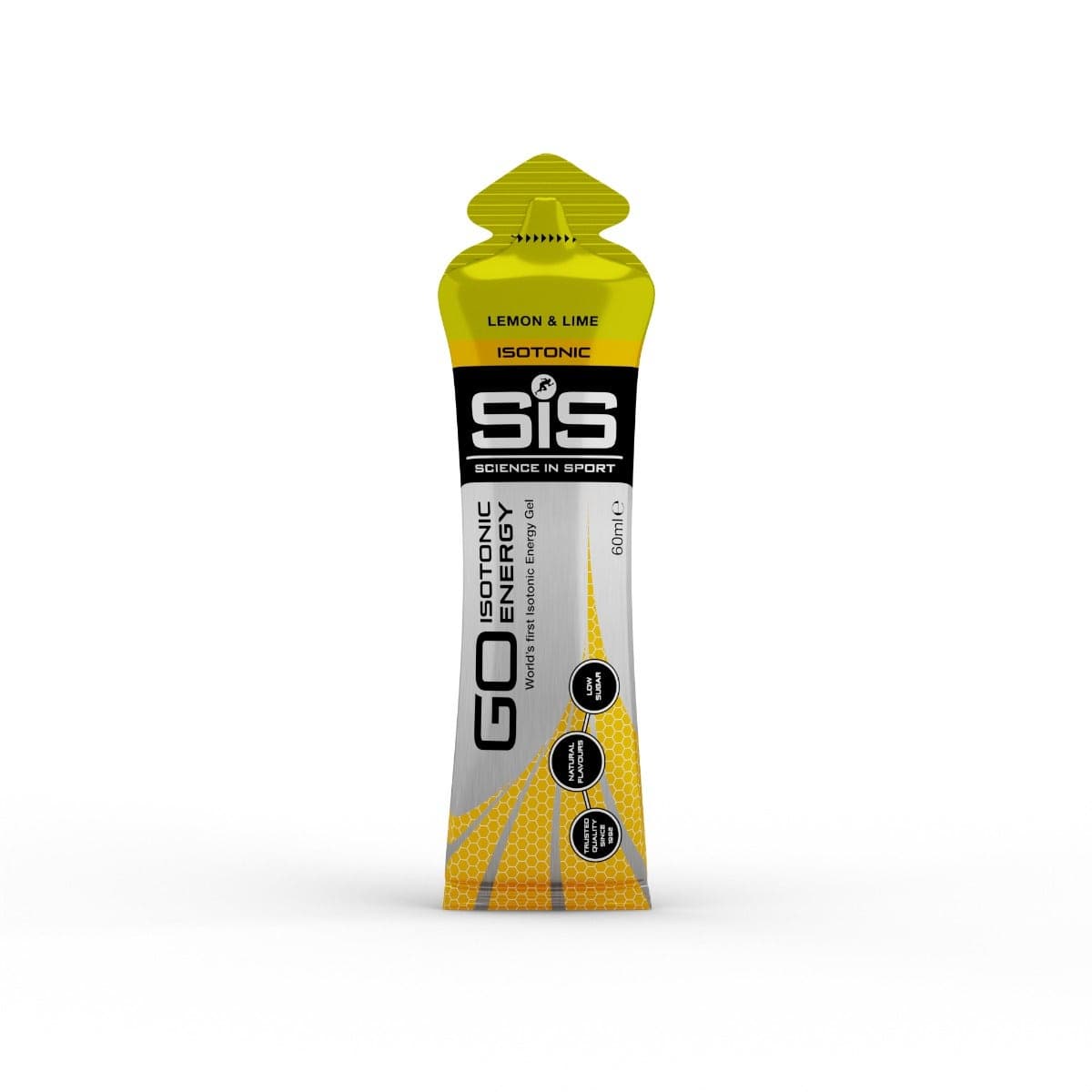
SiS Go Isotonic: liquid, 22 g of carbohydrates, no water needed
An isotonic gel does not have to be washed down: it already contains the right amount of fluid. For a runner that means freedom from the aid stations; for a cyclist, no reaching for the bottle on a descent. The liquid texture goes down easily when your breathing is ragged. There are fewer carbohydrates per serving, so you need to take it more often.
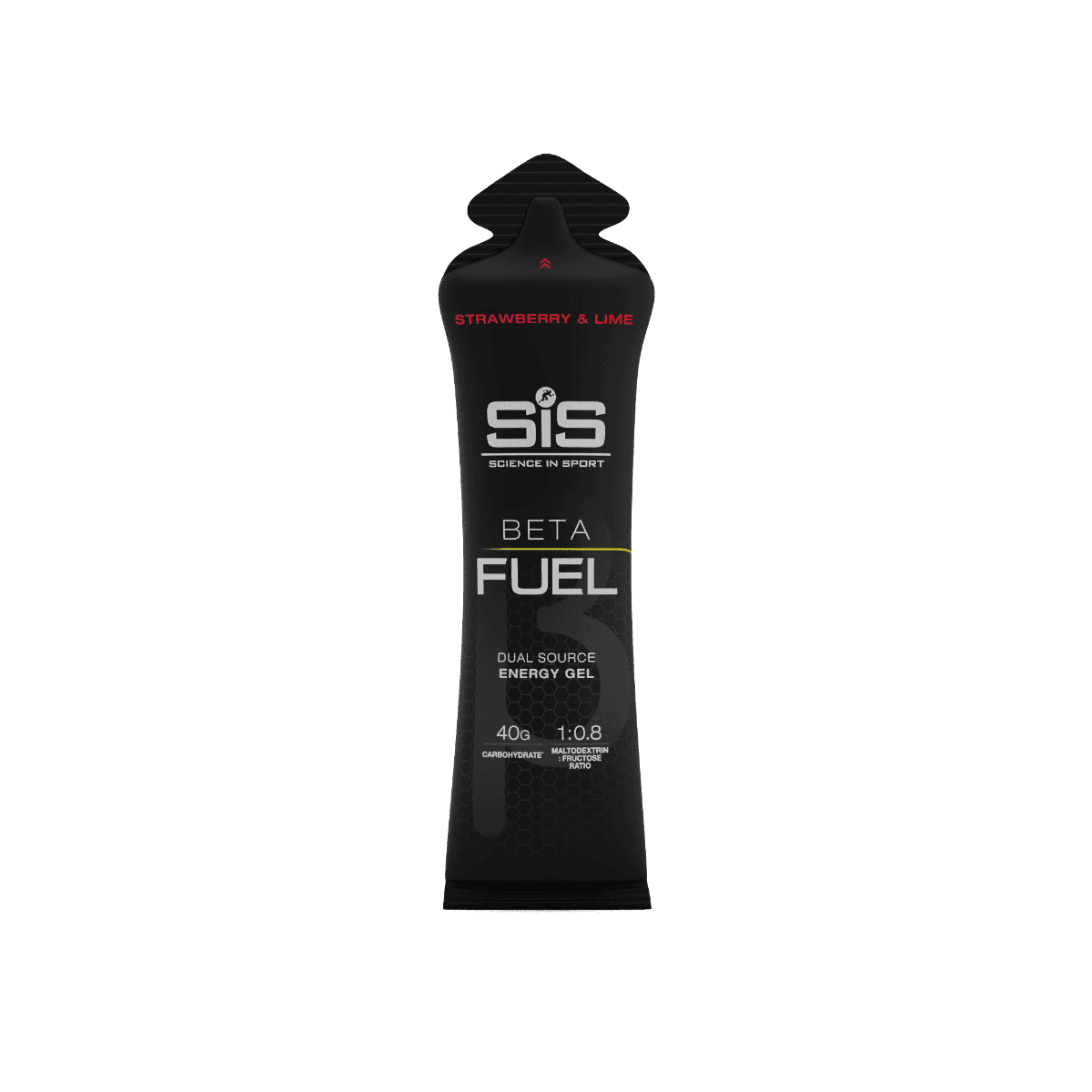
SiS Beta Fuel: thick, 40 g of carbohydrates
The combination of maltodextrin and fructose in a 1:0.8 ratio is designed for long races, where fuelling runs to a schedule for several hours at a stretch and it matters that you take in plenty of carbohydrates per hour without overloading the stomach.
Which gel to take for 10 km, a half marathon and a marathon
Over 10 km most people do not need a gel at all; a proper breakfast is enough. For a half marathon one or two gels will do, and this is where Go Isotonic is handy, as it needs no water. At marathon distance and beyond you fuel every 30–40 minutes, so carbohydrate content and tolerance move to the fore: High Energy or Beta Fuel, alternated with an isotonic gel if needed.
Sweetness builds up
A gel that tastes good the first time can become cloying by the fourth serving. That is why many athletes alternate flavours or formats: a thick gel on the flat sections, a liquid one where breathing gets hard. Neutral flavours help once sweet things stop going down.
Test it in training only
Run your chosen gel through a long session at race pace and at the same intervals you plan to use on race day. Only after that should you write it into your race plan.
All three gels are available at spacefuel.kz, where you can also put together a ready-made fuelling plan for a half marathon or a marathon.

FAQ
Do you need to drink water with an energy gel?
SiS Go Isotonic does not need to be washed down: it already contains the required amount of fluid, but one serving has fewer carbs (22 g), so you have to take it more often. The dense 226ERS High Energy feels like food rather than a drink, so it is easier to take at a steady pace than at your limit.
Which gel should you choose for a 10K, a half marathon and a marathon?
For a 10K most people do not need a gel, a proper breakfast is enough, and for a half marathon one or two gels are plenty, where Go Isotonic is convenient because it needs no water. For a marathon and longer, fueling happens every 30–40 minutes, so the amount of carbs and tolerance come first: High Energy or Beta Fuel, mixed with the isotonic one if needed.
How should you test an energy gel before a race?
Run your chosen gel through a long run at race pace and with the same interval you plan to use on race day, and only then add it to your race plan. Keep in mind that sweetness builds up: a gel that tastes good the first time can become tiresome by the fourth serving, which is why many athletes alternate flavors or formats.