


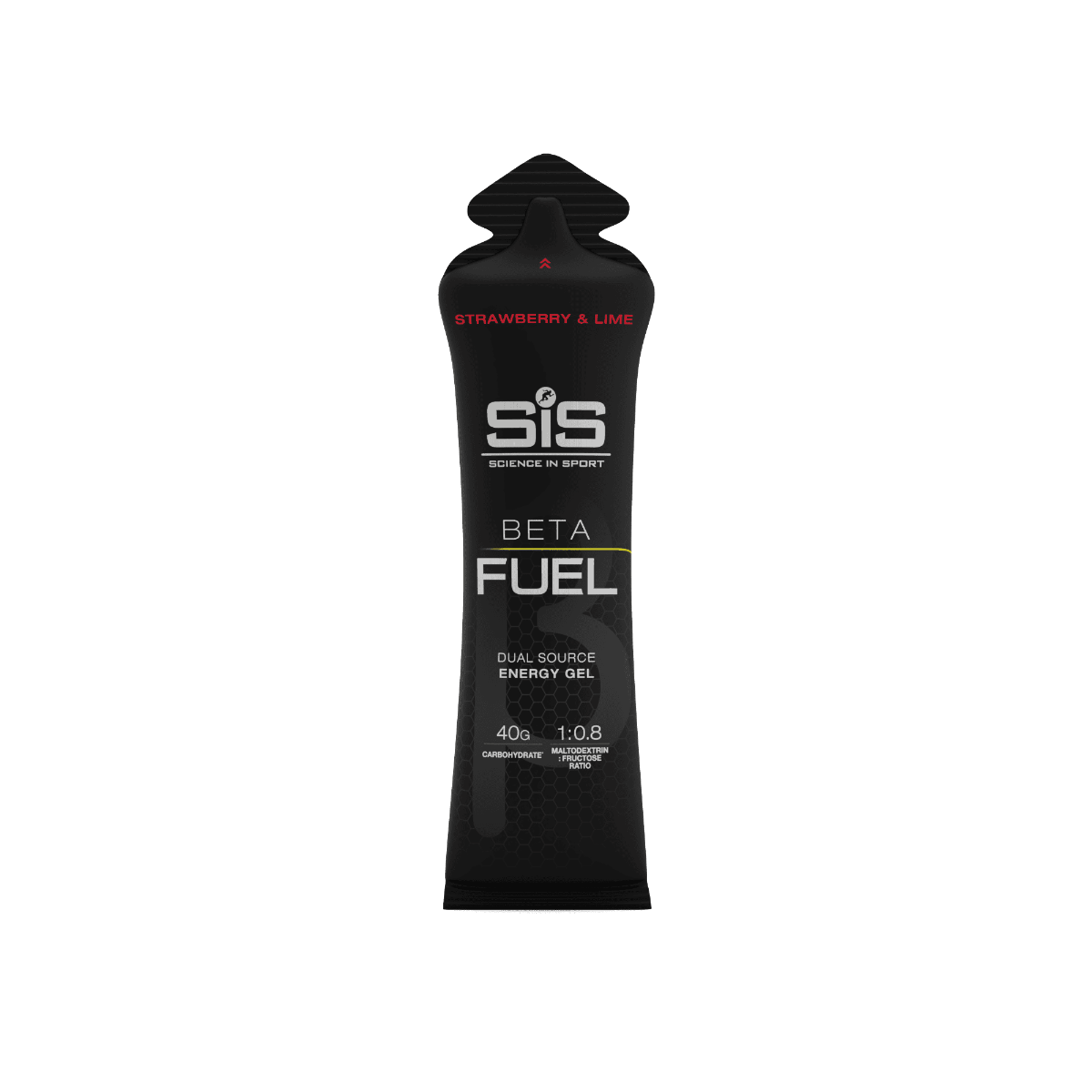
Beta Fuel Gel “Strawberry and Lime”, 60 ml
- Almaty: delivery on the day of your order or the next day, 12 300 ₸ more for free delivery
- Other cities: 2–7 working days, by courier or Kazpost, free from 25 000 ₸
- Pickup: 120 Auezov Street, Mon, Wed, Fri 14:00 to 17:30, free
- Pay online by Visa/Mastercard via Halyk Bank ePay
- Genuine SiS, supplied by the official importer
Description
40 g of carbs in one gel
A gel for those who need the maximum carbohydrate flow. 40 g of carbs in a 60 ml sachet with a maltodextrin : fructose ratio of 1:0.8: two different transporters in the gut work at the same time, so your body absorbs more and tolerates the gel more easily.
- Informed Sport
- Fuel of WorldTour pro teams
- British brand since 1992
How to take a gel
- Take one gel 10–15 minutes before the start. It covers the first kilometres while your digestion is still calm.
- Then one gel every 25–35 minutes. For any effort longer than an hour, aim for 60–90 g of carbs an hour, and start from the very beginning, not once you've already hit the wall.
- Take a non-isotonic gel with 150–200 ml of water. Concentrated carbs without fluid are absorbed more slowly and sit heavy in the stomach.
- Practise your fuelling plan on long training sessions, not on race day: your stomach trains just like your legs.
Specifications
- Brand
- SiS
- Flavour
- Strawberry and Lime
- Pack size
- 60 ml
- Caffeine
- none
- SKU
- sis-001
- Barcode
- 5025324010400
Frequently asked questions
+How many gels do I need for a marathon?
Count carbs, not gels: you need 60–90 g an hour. Divide that by the carbs in one serving (listed in the product description) and multiply by your planned race time. For a 4-hour marathon that's usually 5–8 gels.
+What's the difference between Beta Fuel and GO Isotonic?
GO Isotonic gives 22 g of carbs and is diluted to a concentration close to blood plasma, so you don't need water with it. Beta Fuel packs 40 g of carbs into the same 60 ml sachet thanks to maltodextrin plus fructose in a 1:0.8 ratio, with two transporters in the gut working at once. GO Isotonic is handy when there's no water around; Beta Fuel is for when you need 80–120 g of carbs an hour.
+Do I have to take a gel with water?
Yes, unless the gel is isotonic. Isotonic gels are already diluted to a concentration close to blood plasma and can be taken without water. All others need 150–200 ml of fluid per serving.
+How much caffeine can I take in a race?
A working guideline: up to 3 mg of caffeine per kilogram of body weight per race, counting coffee, cola and any pre-race drink. Caffeinated gels go in the second half of the race when you need a lift, and are best skipped at evening races if you plan to sleep.
+How should I store gels?
In a dry place at room temperature, out of direct sunlight. Gels thicken in the cold, so in winter keep them in an inner pocket close to your body, or you won't be able to squeeze them out on the course.
Reviews
No reviews for this product yet. Yours could be the first.
Beta Fuel Gel: other flavours
Frequently bought together
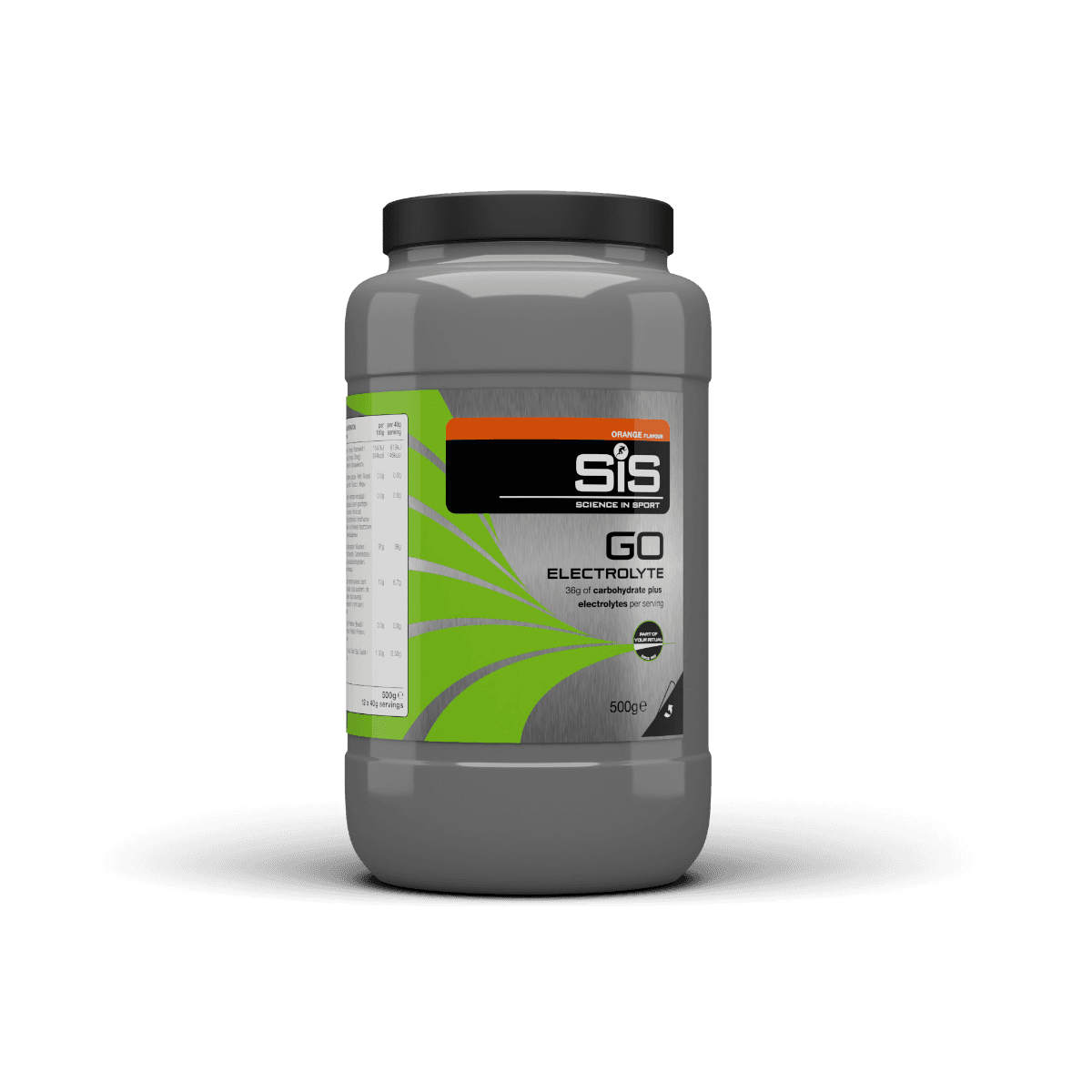
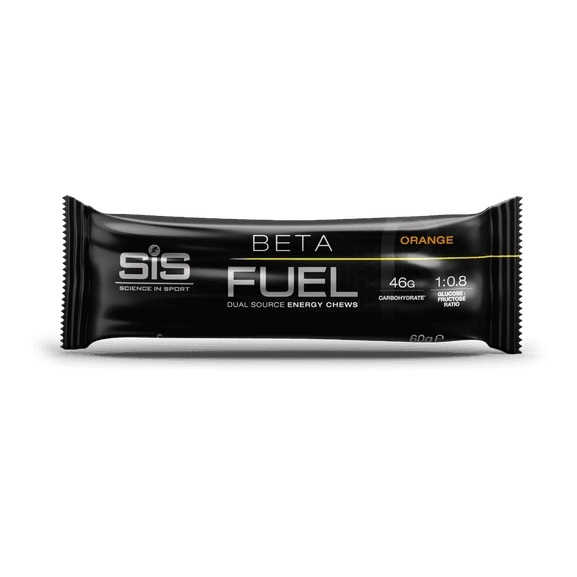
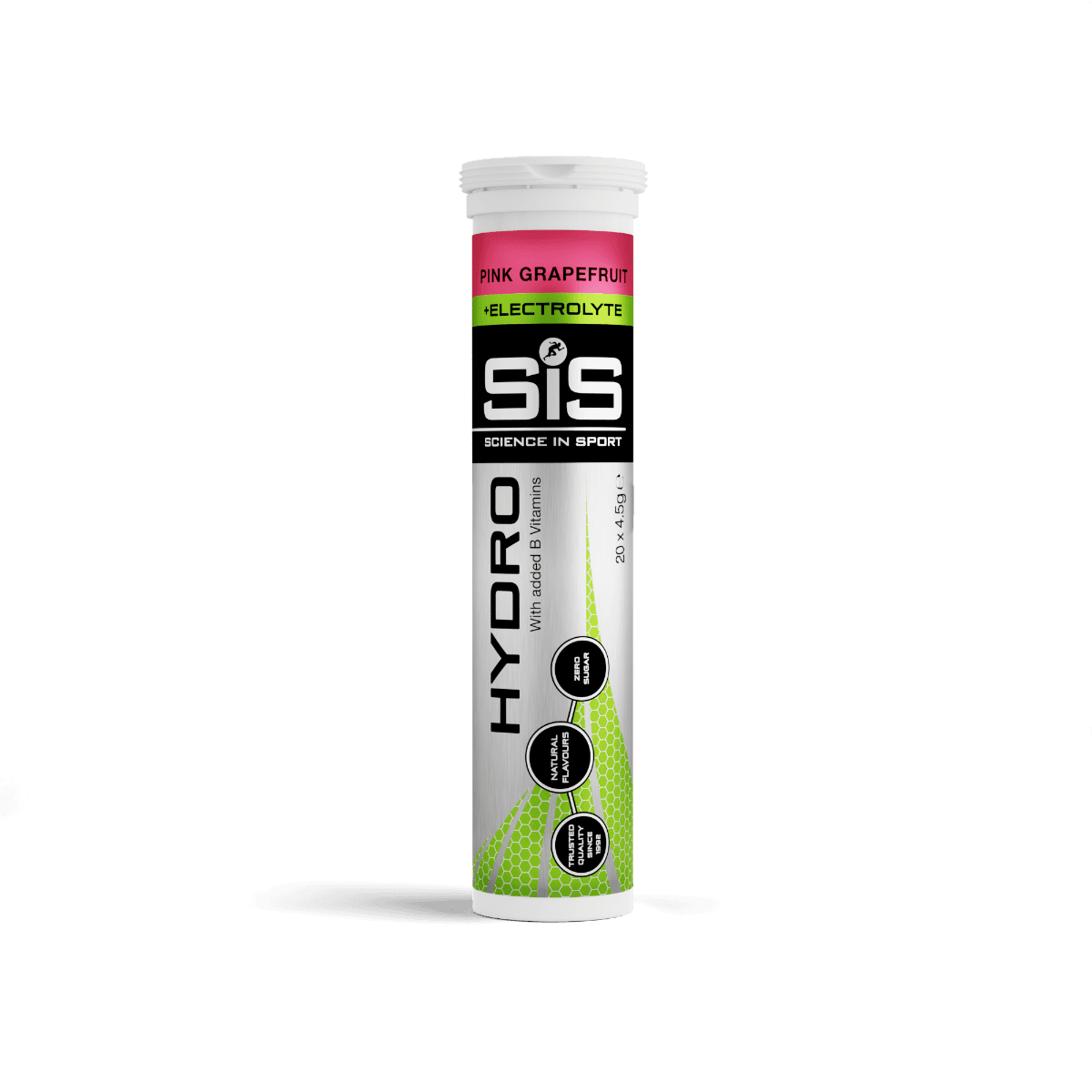
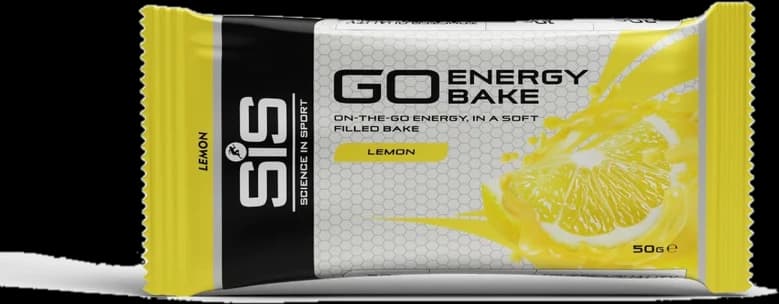
Worth reading
Guideline gel numbers for a half marathon, a marathon and long runs, how to work out a supply for a season of three races, and the main rule: count carbs per hour, not gels.
When you can't face another gel: the Beta Fuel chew bar with 46 g of carbs and the GO Energy Bake energy biscuit. When to take them and how to combine them with gels.
How many carbs per hour you need during the race, when to take electrolytes and what to eat after the finish, explained by the distributor of 226ERS, Almaty Marathon's nutrition partner for two years.
A mountain ultra calls for different fuelling from a road marathon: we break down nutrition for Tengri Ultra and adidas Irbis Race, with altitudes of up to 3,700 m and hours between aid stations.