Trail and ultra nutrition: fuelling for Tengri Ultra and adidas Irbis Race
Tengri Ultra and adidas Irbis Race are not a marathon with a hill but a completely different discipline in terms of nutrition. The race lasts not 3–5 hours but sometimes 10+, the climb at Irbis Race reaches 3,700 m, and on the trail there can be hours of self-supported running between aid stations, so gels alone will not do.
Why gels alone do not work in an ultra
On distances longer than 4–5 hours, the body gets tired not only physically but also of sweet things, which is called flavour fatigue. You need a mix: gels for quick energy, bars as a source of more complex carbs and a texture that is easier to eat over a long distance, and ordinary food at the aid stations.
Altitude changes your appetite
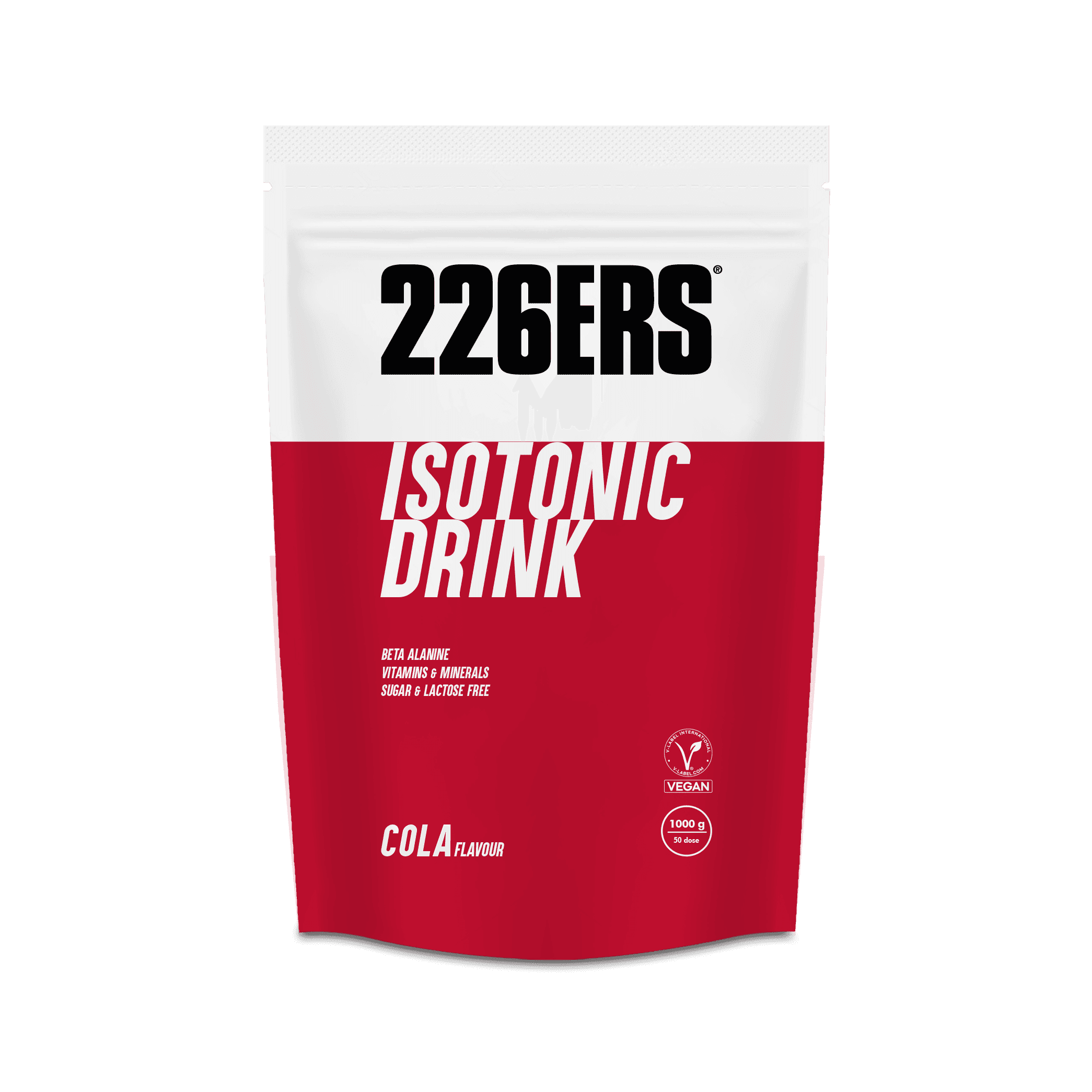
At the altitudes of the Ile-Alatau (Irbis Race climbs to 3,700 m), the body digests heavy food less well and often feels less hungry, which is why light, quickly absorbed gels and isotonic drinks work more reliably than solid food on the upper part of the course.
Electrolytes for many hours ahead
The longer the race, the more important it is not to rely on thirst (see the separate article on electrolytes). On the trail, drink and eat by the timer from the very first hour, not when you ‘start to cramp’. In the heat of the Ile valley early in Tengri Ultra and in the cold at altitude on Irbis Race, your need for sodium does not drop, it simply has different causes.
Self-sufficiency between aid stations
If there are one or two hours of mountain running between support points, carry at least 2–3 gels and an electrolyte supplement on top of what you calculated ‘on paper’: the time lost on technical terrain is almost always greater than at a flat-ground pace.
Recovering from a day-long race
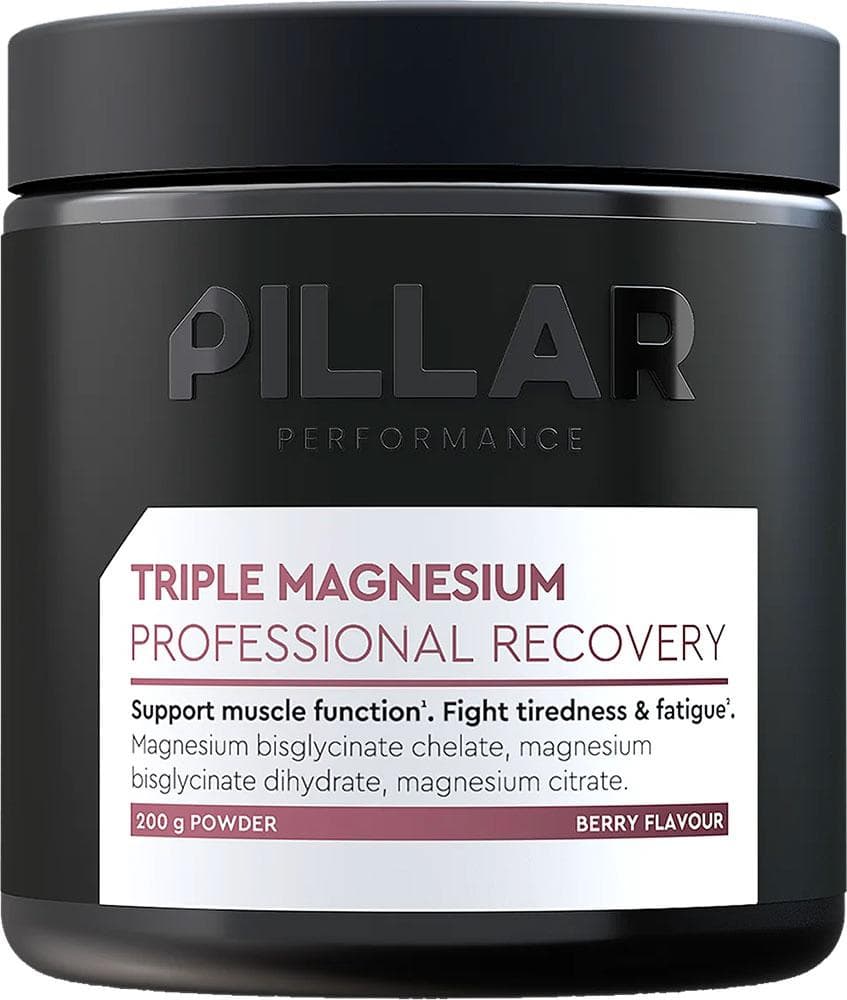
After an ultra, the body recovers not over one night but over several days. This is where PILLAR Triple Magnesium in the evening helps restore sleep quality faster and reduce muscle soreness before your next training week.