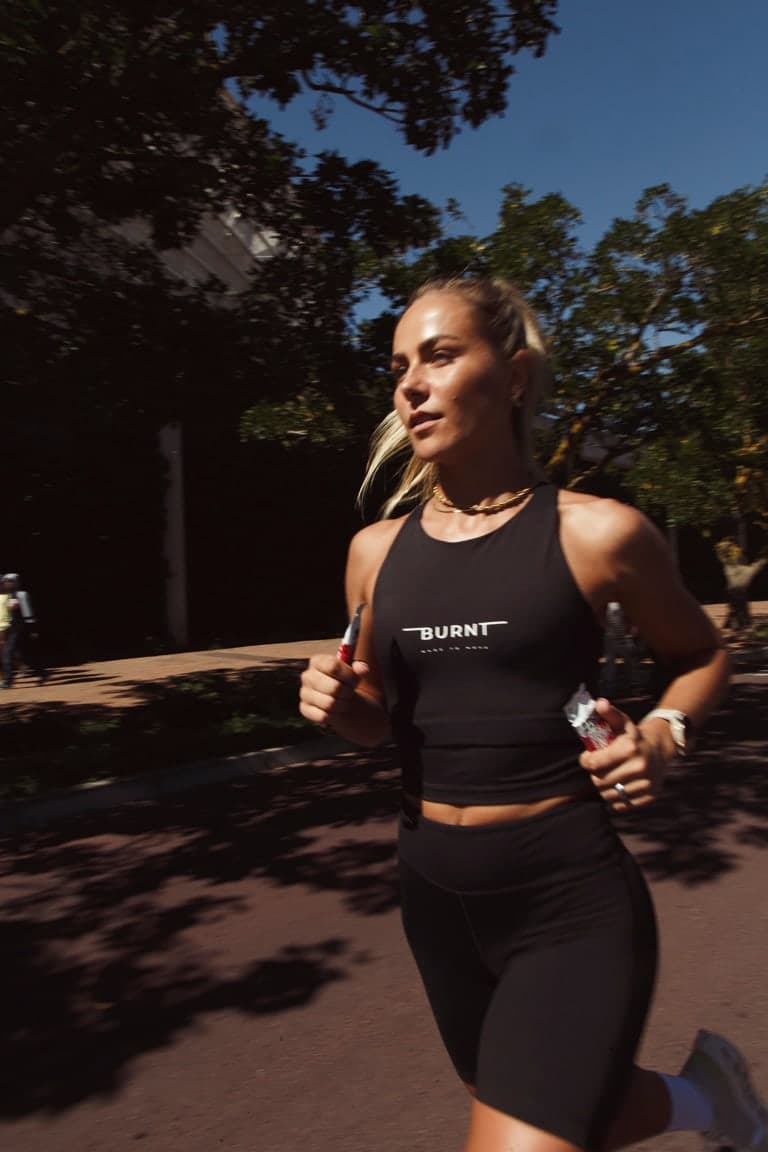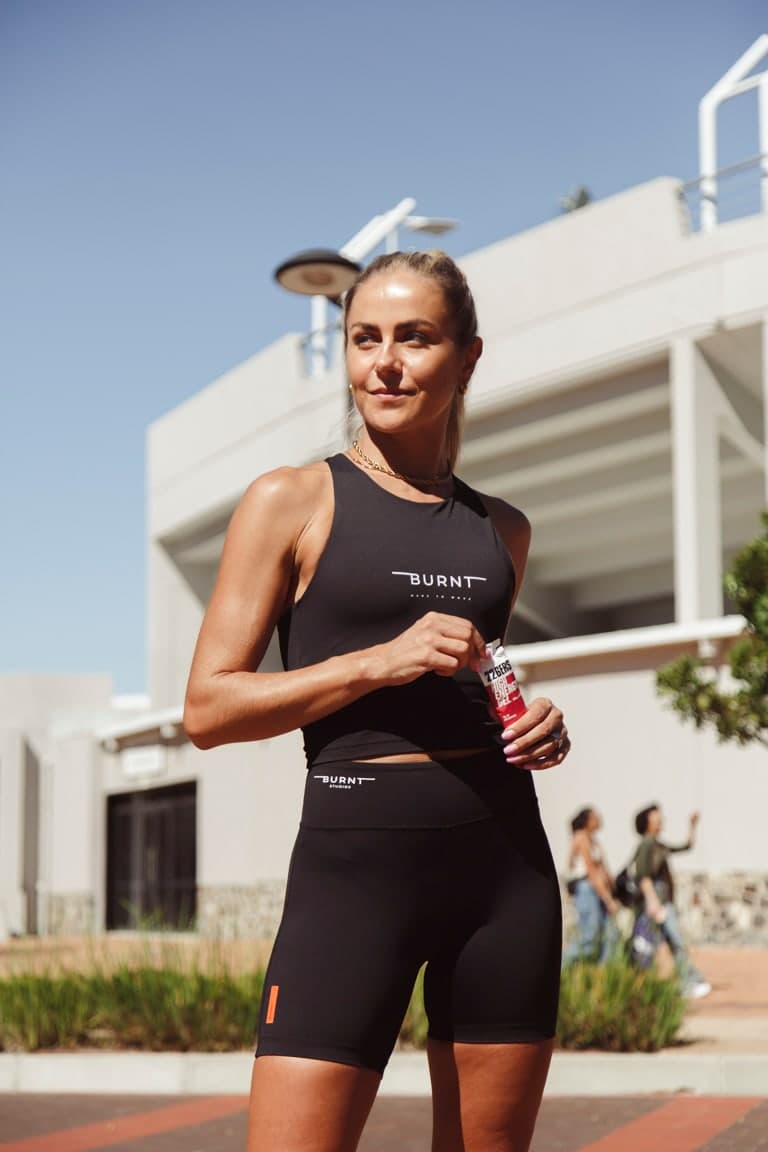
The question of how many gels you need for a half marathon and a marathon comes up for every runner who is planning a nutrition order for a whole season rather than for a single race. Buying a pack before each start is awkward: your nutrition runs out at the worst possible moment, and you end up trying a new flavour in the middle of the race. This article is for anyone preparing for a half marathon or a marathon who wants to work out their supply once, several months ahead, without overpaying and without being left without a gel on the final long run.
Count carbs per hour, not the number of gels
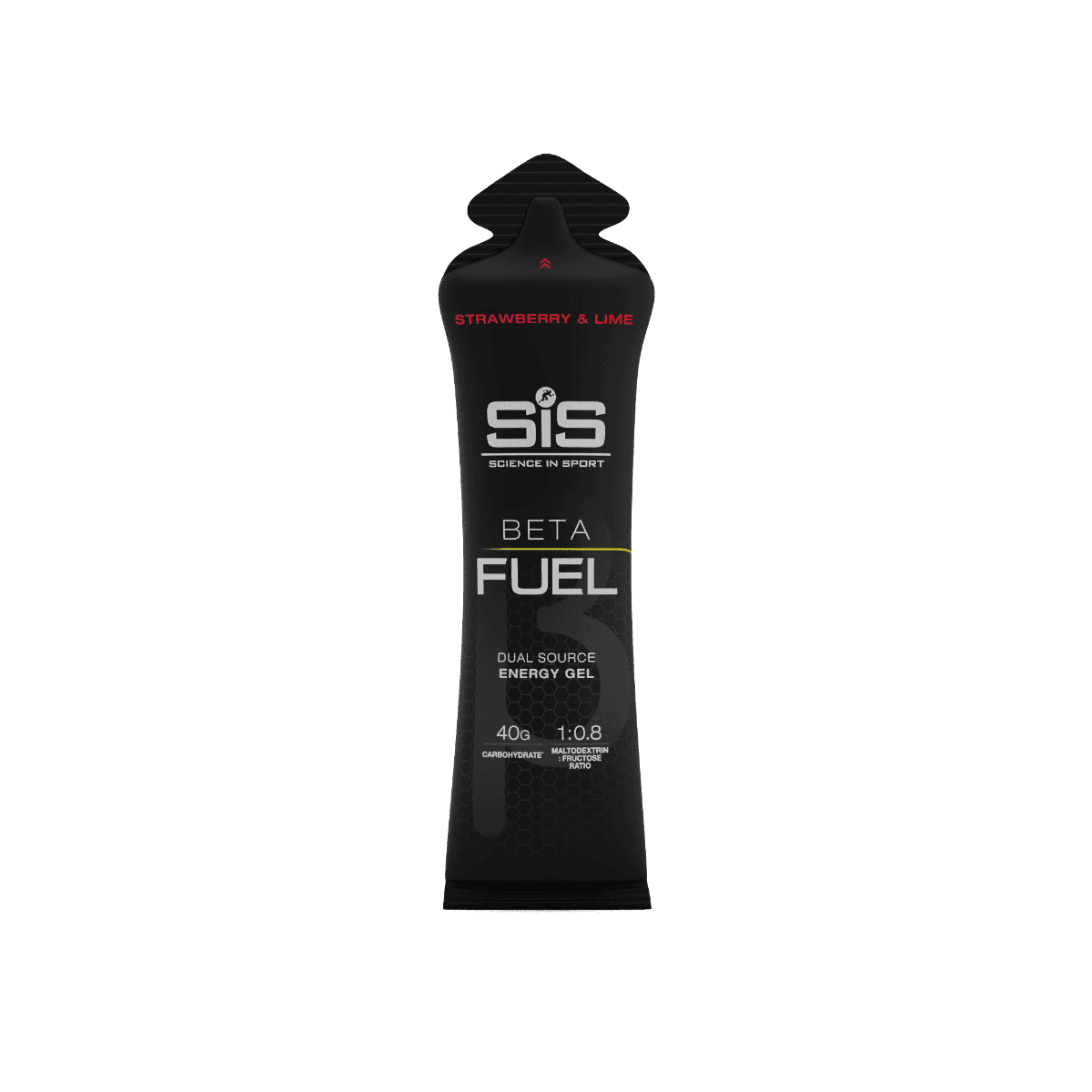
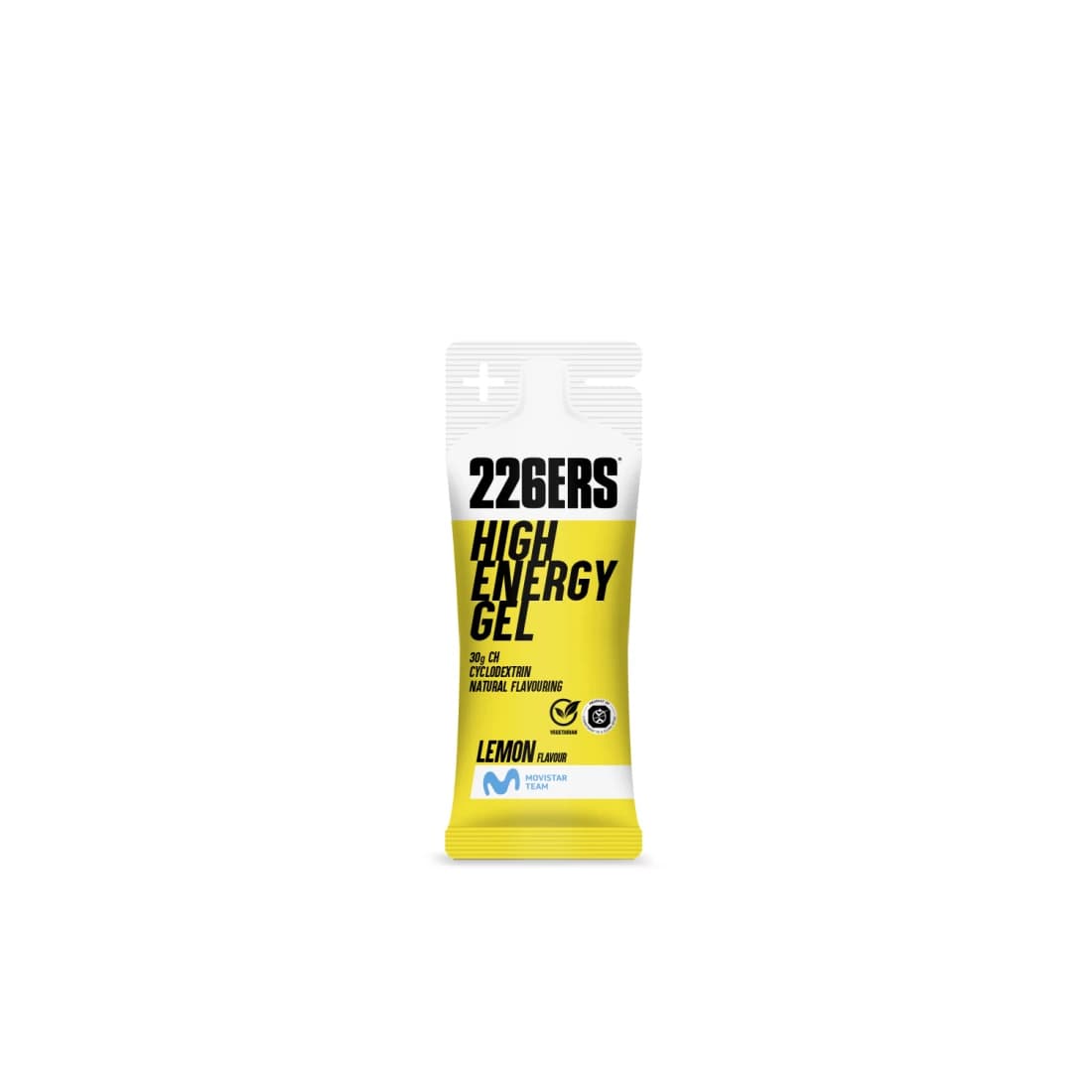
The main mistake in these calculations is thinking in sachets rather than in grams. The working guideline for long sessions and for racing is 60–90 g of carbohydrate per hour, and everything else is built from that figure. Gels from different ranges differ in how much carbohydrate each sachet contains, so the same number of grams per hour is covered by a different number of sachets depending on the product. First work out how many grams per hour you need and how many hours you will spend on the course, then convert that into sachets using the composition of your specific gel. Working in that order protects you both from coming up short and from buying more than you need.
How many gels for a half marathon: around three
For a half marathon a sensible guideline is around three gels. For most amateurs the distance fits into one to two hours, which means roughly one hour of serious fuelling plus a little in reserve. The important thing is not to leave everything for the second half: it makes sense to take the first gel before you feel yourself running empty, because carbohydrate needs time to reach the working muscles. If you are running the half as a tempo build-up race, you can keep the same number: a spare gel in your pocket weighs very little, whereas a shortfall in carbohydrate makes itself felt over the closing kilometres.
How many gels for a marathon: around seven
For a marathon the guideline is around seven gels. That follows logically from the arithmetic: the longer you are on the course, the more hours you have to cover with carbohydrate, and over four hours or more of work the total grows in proportion. It is easier to space them at even intervals rather than going by feel: when the pace drops and your head is too tired to do sums, a schedule worked out in advance saves the race. Pack the gels in the order you intend to take them, and decide separately what to do with any you have not got through by halfway.
One gel for every long run
On top of your race numbers, add one gel for every long run. This is not a way of making the long run easier, it is training for the gut: the ability to absorb carbohydrate while running develops just like endurance, and it will not appear on its own without practice. Fuelling regularly on long runs solves two problems at once. You teach your gut to work under load and at the same time you find out which flavours and textures genuinely suit you, while the cost of a mistake is one ruined session rather than an entire race.
A season with three races: around 40 gels
Add the races and the training together and a season with three starts works out at roughly 40 gels. The number looks large at first, but it shows the key point: most of the supply goes not on the races themselves but on the training weeks they grow out of. That is why it is worth planning your order for the whole build-up block rather than before every long run. Count how many long runs your plan contains before your main race, add the race guidelines for each distance, and you have your own ballpark figure.
Water separate from the gel: how not to overload your stomach
Water is counted separately from carbohydrate, and it is a line of its own in the plan, not an add-on to the gels. A concentrated gel washed down with too little fluid sits in the stomach as a heavy lump, and this is exactly where complaints of nausea in the second half of a marathon come from. Isotonic gels are the exception, as they are designed not to need washing down, but even then you still have to drink on the course. Decide in advance where the aid stations are, what you are carrying in your own bottles and how much fluid goes with each gel.
Nothing new on race day: the rule of testing your nutrition
You take nothing new to the start line. A new brand, a new flavour, an unfamiliar texture or an unusual concentration is an expensive thing to test in a race: how your stomach reacts to an unfamiliar product under load is unpredictable. So when you are working out a season's supply, it makes sense to buy what you have already tested on long runs and to plan your experiments into training weeks well in advance, with time to spare before the main race. If you want to try something new, do it at the start of the build-up, and run your final long sessions on exactly the nutrition that will travel with you to the race.
Common mistakes when working out a nutrition supply
Mistake one: counting gels from different brands in sachets without looking at the composition. Mistake two: buying nutrition only for the race and running every long session on water, then being surprised when your stomach refuses to cooperate on race day. Mistake three: leaving the order until the final week, when the flavour you want may be out of stock, and grabbing a substitute you have never tried. Mistake four: keeping only carbohydrate in mind and forgetting the drinking plan. All four are solved by one action: work out the whole season once and keep the supply at home.
The conclusion is simple: convert your distances into hours, your hours into grams of carbohydrate using the 60–90 g per hour guideline, and your grams into sachets using the composition of your specific gel, then add one gel for every long run. For a season of three races the guideline is around 40 gels, and most of that supply does its work in training. You can choose your gels and put together a supply like this for a whole build-up block at spacefuel.kz.



FAQ
How many gels should I take for a half marathon?
The guideline is around three gels. The exact number depends on how much carbohydrate your specific gel contains and on your time for the distance, so count grams of carbohydrate per hour first and only then convert them into sachets.
How many gels do I need for a season of three races?
Roughly 40 gels: the race guidelines for each distance plus one gel for every long run. Most of the supply goes on the build-up rather than on the races themselves.
Can I try a new gel on race day?
No, you take nothing new to the start line. Any new flavour, brand or texture should be tested on long runs well in advance, and your final long sessions should be run on exactly the nutrition that will travel with you to the race.
Read next