Marathon nutrition: a fuelling guide from the distributor of 226ERS, Almaty Marathon's nutrition partner
226ERS, the brand we bring to Kazakhstan, has been the nutrition partner of Almaty Marathon, the biggest race in Central Asia, for two years. Hundreds of runners pass through our expo tent every season, and in this guide we have gathered what actually works on the course, not what sounds good in an advert.
How many carbs per hour
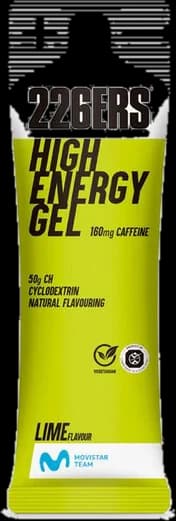
On distances longer than 90 minutes, the body cannot get by on its own glycogen stores alone. The standard sports science recommendation is 60–90 g of carbohydrates per hour in a marathon, and this is exactly where gels like 226ERS High Energy come in: one 76 g gel delivers around 50 g of carbs at once, in a convenient form.
When to start
Take your first gel no later than 40–45 minutes after the start, then one every 20–25 minutes. Waiting until you ‘feel tired’ is too late: a gel starts working after 10–15 minutes, not instantly.
Electrolytes, separately from carbs
In the heat or when you sweat heavily, gels alone are not enough: you need sodium. This is where electrolyte supplements and drinks come in. Thirst does not always match your actual salt losses, so take electrolytes to a plan, not when you feel like it.
After the finish: the recovery window
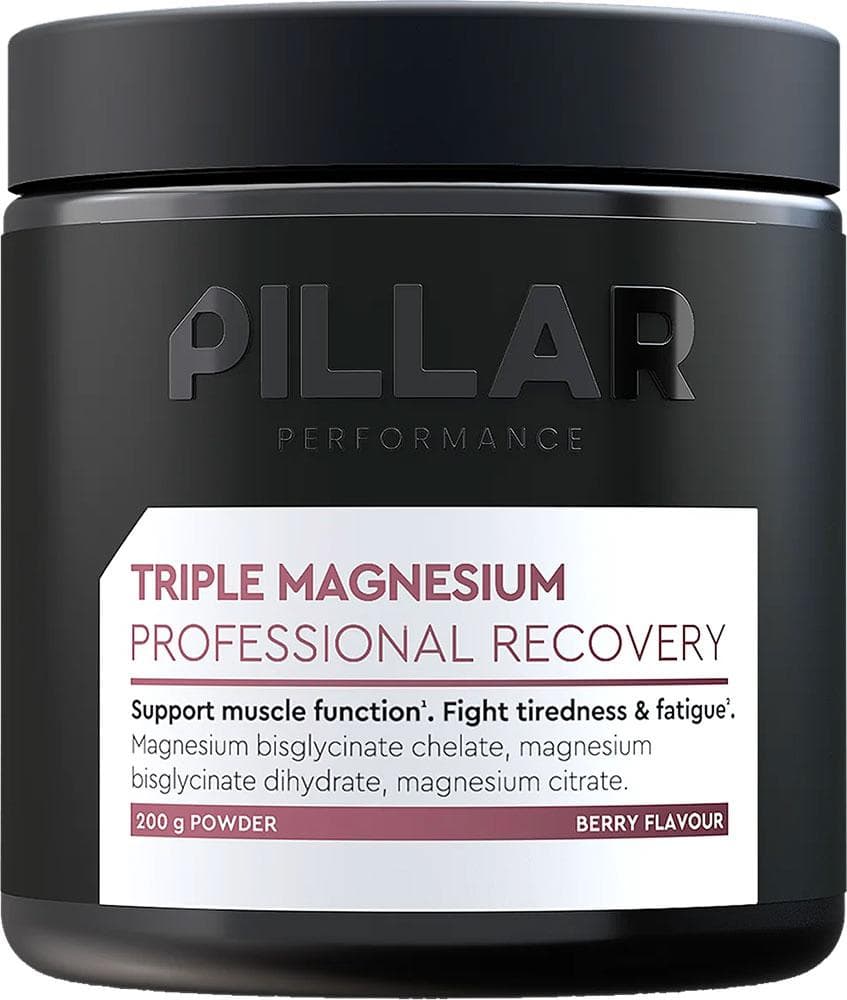
The first 30–60 minutes after the finish are when the body is best at absorbing the nutrients it needs to repair muscles and replenish its stores. In this window, PILLAR Triple Magnesium helps reduce muscle soreness and speeds up the recovery of your sleep over the following nights, as magnesium is involved in relaxing the muscles and the nervous system.
The biggest beginner mistake
Trying new nutrition on race day. Everything you plan to take during the marathon, gels and electrolytes alike, needs to be tested beforehand on long training runs. Your stomach does not like surprises at kilometre 30.