SiS has two main gel ranges, and they are easy to mix up on the shelf. GO Isotonic and Beta Fuel do different jobs: the first covers your standard carbohydrate needs in training and racing, the second is for when you need noticeably more carbs. Here's how to choose.
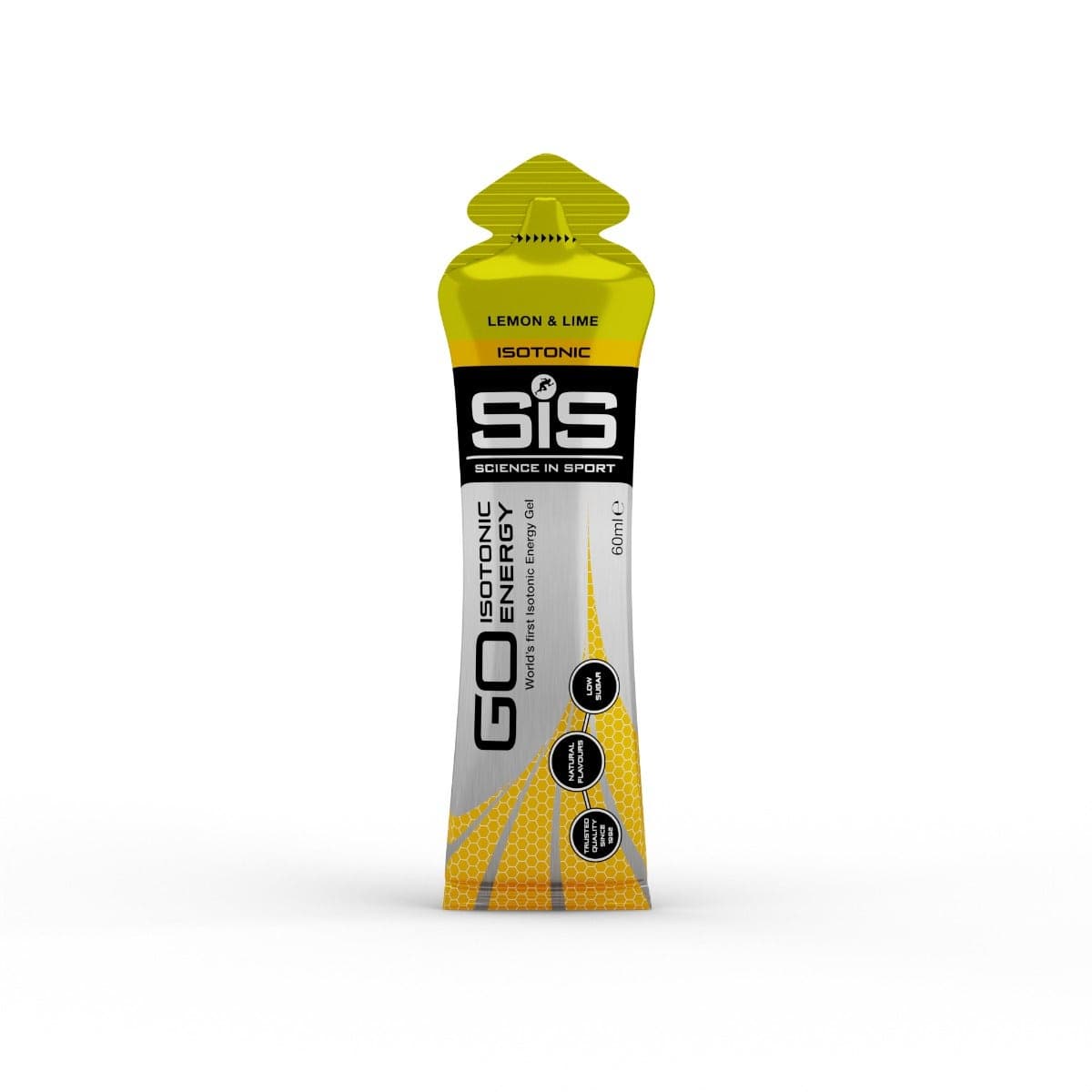
GO Isotonic: 22 g of carbs, the core gel
An isotonic gel in a 60 ml sachet that you don't need to wash down with water. Aim for 60–90 g of carbs per hour, which is one to three gels. It suits training, half marathons, marathons at an easy pace and any session where you're not chasing maximum carbohydrate intake.
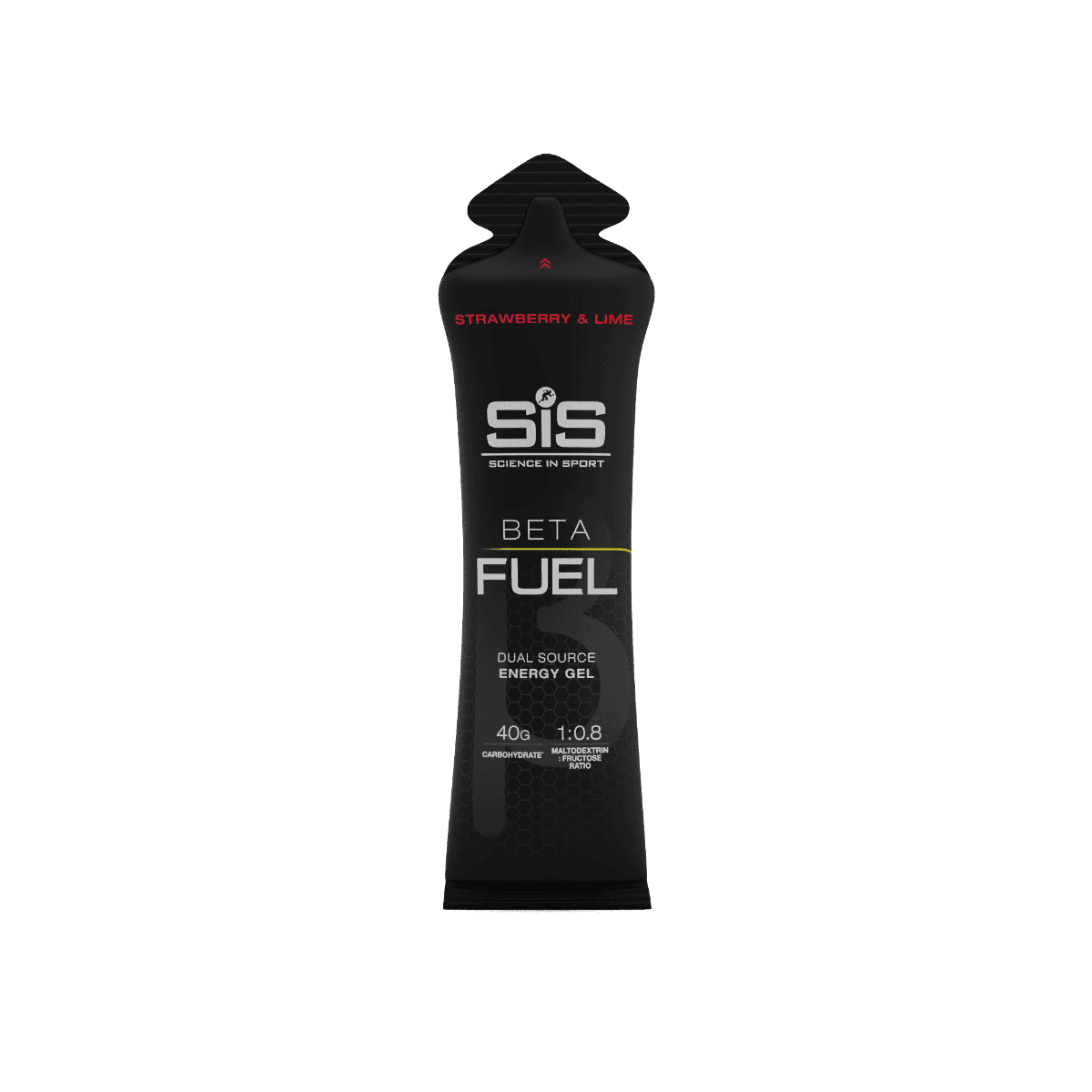
Beta Fuel: 40 g of carbs, the gel for long and fast races
The same 60 ml holds almost twice as many carbs. The key to the formula is a 1:0.8 ratio of maltodextrin to fructose. These two types of carbohydrate are absorbed in the gut through different transporters, and when both work at once, your body absorbs more and tolerates the gel more easily. For races longer than two hours, aim for 80–120 g of carbs per hour: two Beta Fuel gels an hour give you 80 g.
How to choose
If your race is under two hours or you're only starting to practise fuelling on the move, start with GO Isotonic. If you have a marathon for a time ahead, a long bike race, an Ironman or an ultra trail with high energy demands for hours on end, that's a job for Beta Fuel. Many athletes combine both: GO Isotonic early on, Beta Fuel in the second half.
Your gut needs training too
Your body won't handle high hourly carb doses straight away. Build up a Beta Fuel plan gradually on long sessions. And start fuelling from the first kilometres, not once you've already hit the wall: catching up on energy during a race is much harder than keeping it topped up.
Flavours and formats
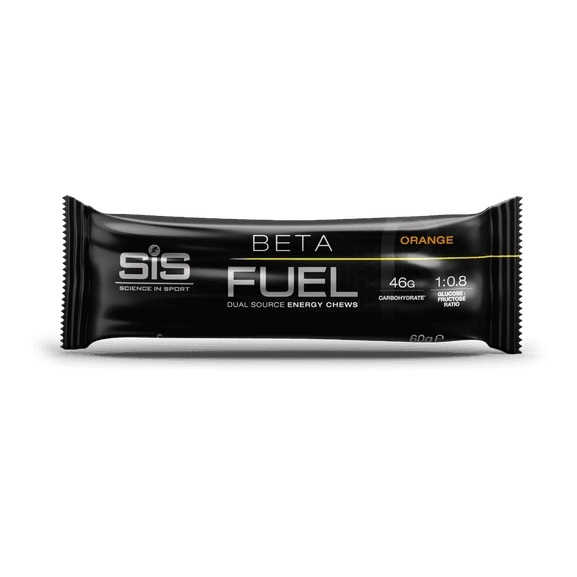
We stock Beta Fuel in two flavours, strawberry and lime and neutral, and as the Beta Fuel Energy Chew. GO Isotonic comes in six flavours and in a version with electrolytes.
Both SiS gels are available at spacefuel.kz with delivery across Kazakhstan. If you're not sure how many gels to take for your distance, message us and we'll help you work it out.
FAQ
How is Beta Fuel different from GO Isotonic?
In the same 60 ml Beta Fuel gives 40 g of carbohydrate versus 22 g in GO Isotonic. Its maltodextrin and fructose come in a 1:0.8 ratio, so the body can absorb more carbohydrate per hour.
Which SiS gel should I choose for a marathon?
If the race is under two hours or you are just starting to practise fuelling, begin with GO Isotonic. For a marathon run for time, a long bike race, an Ironman or an ultra trail, Beta Fuel is the right tool. Many combine both: GO Isotonic early, Beta Fuel in the second half.
Can I jump straight to 80–120 g of carbohydrate per hour?
Better not. The body does not accept high doses straight away; build up a Beta Fuel plan gradually on long training sessions.