Gels, isotonic drinks, electrolytes: tubs and sachets that sit side by side on the shop shelf but do completely different jobs. Mixing them up costs you: you can drink a litre of isotonic and still run out of energy, or load up on gels and end up with water and salt problems. Let's look at each product in turn.
A gel is energy
Essentially it's concentrated carbohydrate. It has one job: to fuel your working muscles when your own stores start running low. That's why you take gels not ‘when you feel like it’ but on a schedule, every 30–40 minutes. Regularity matters more than how you feel: if you wait until it gets hard, you've left it too late.
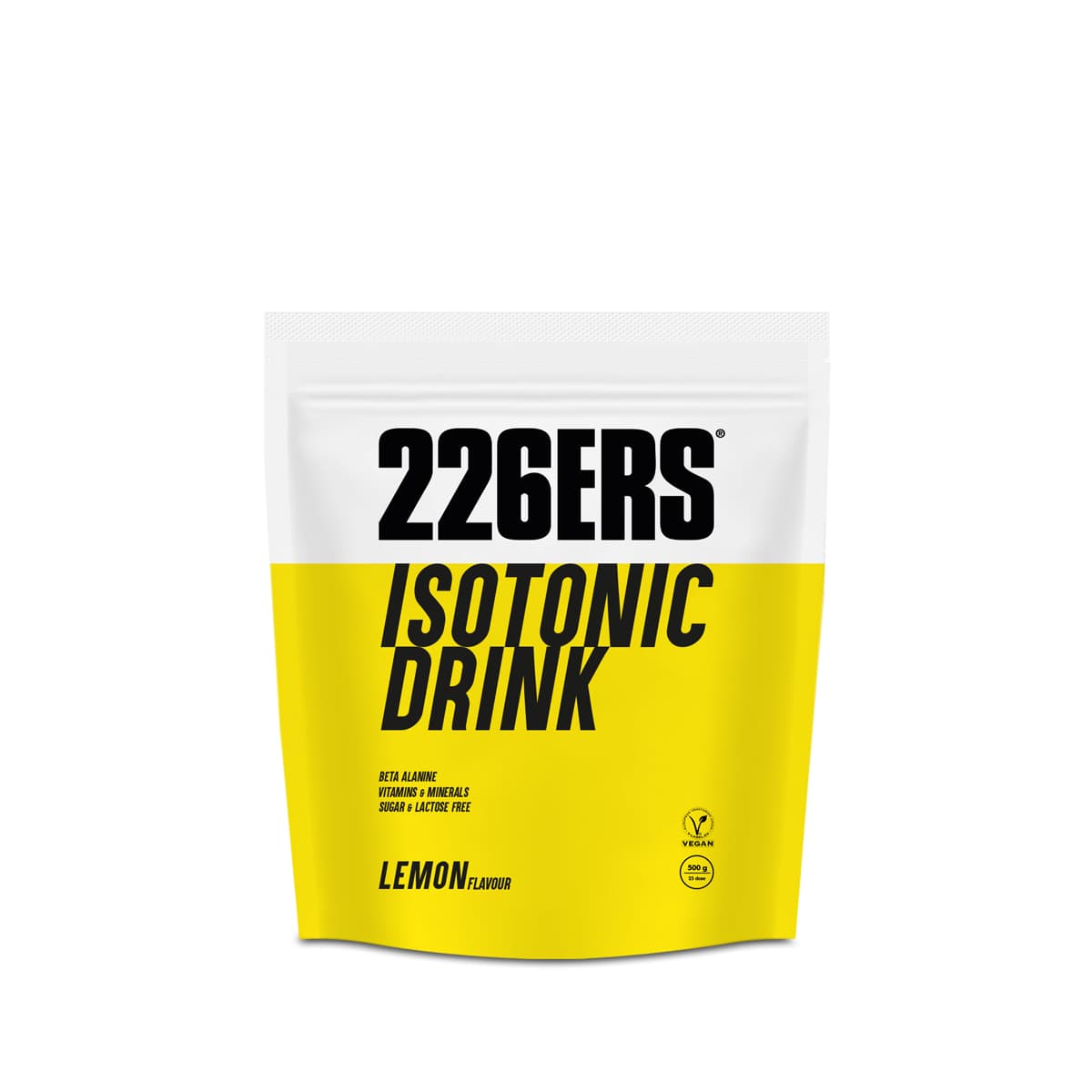
An isotonic drink is water plus carbohydrates plus a little salt
It covers three jobs at once, a bit of each, but none of them fully. You don't drink it at set points but the whole way: in small amounts throughout the race. It's the base drink that supports both hydration and carbohydrate intake.
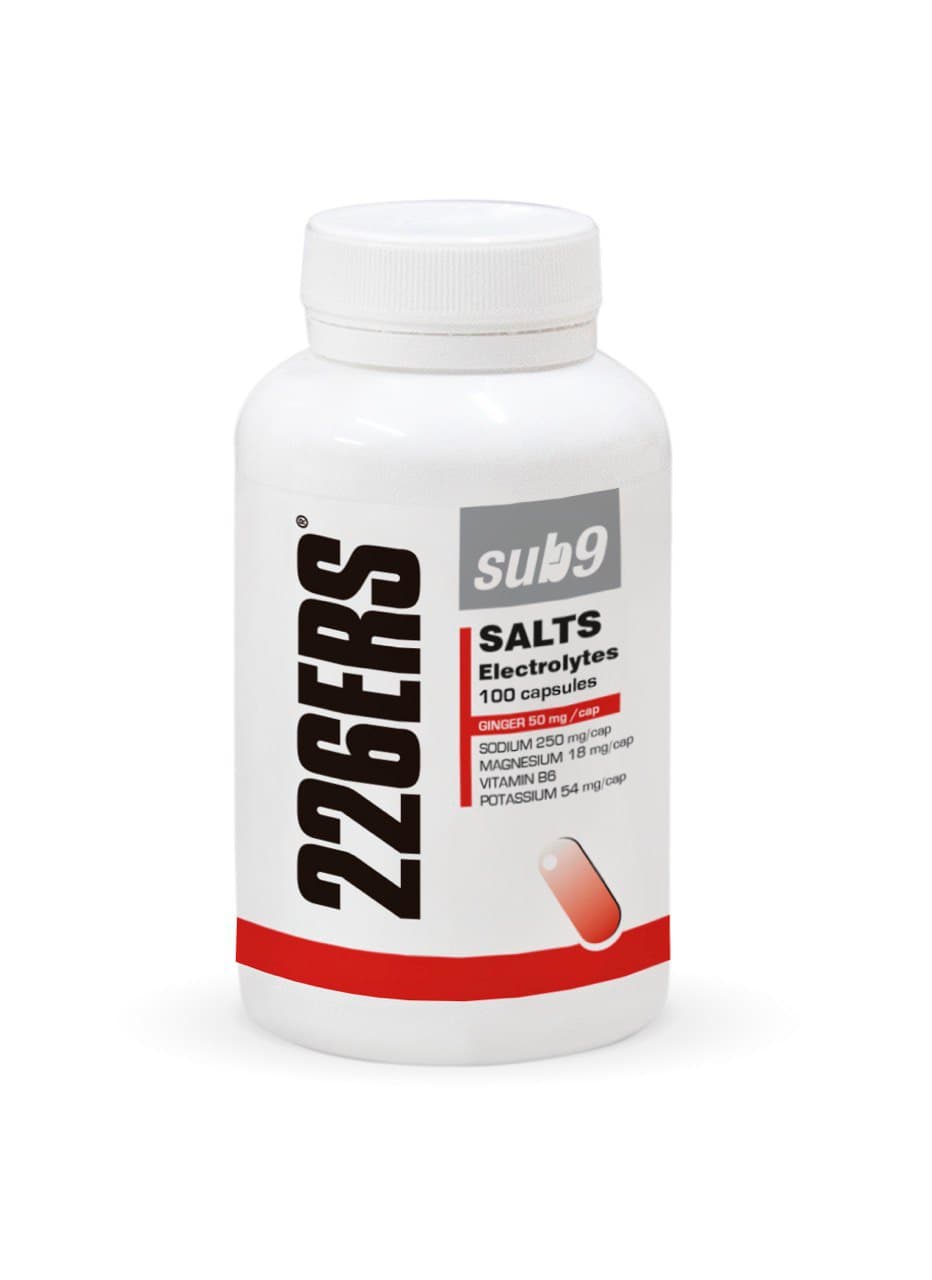
Electrolytes are salt without calories
They don't give you energy, and that's the whole point: their job is to replace the sodium you lose through sweat. That's why electrolytes become critical in the heat and over long distances, wherever you sweat a lot for a long time. In a short race in cool weather you can manage without them; in a marathon in scorching heat, hardly.
The distance changes the kit
A 10 km, a half marathon and a marathon call for different plans: the longer you're on the course, the more the focus shifts from ‘just drinking’ to ‘counting carbohydrates and sodium’. For a 10K you can keep it minimal, in a half marathon regular carb intake comes in, and in a marathon electrolytes definitely join the mix. We've put a detailed plan for each of the three distances into a separate full guide on the website.
The main rule is simple: don't swap one product for another. A gel won't hydrate you, an isotonic won't cover salt losses in the heat, and electrolytes won't give you energy. They work together, and the longer the distance, the more important it is to have all three in the mix.
A proven approach to race fuelling isn't guesswork on the start line but a clear plan practised in training. You'll find gels, isotonic drinks and electrolytes from 226ERS, PILLAR and SiS, along with a full guide to fuelling on course, at spacefuel.kz.

FAQ
What is the difference between a gel, an isotonic drink and electrolytes?
A gel is concentrated carbohydrates, and its job is to give working muscles fuel when your own stores start to run out. An isotonic drink is water plus carbohydrates plus a little salt: it supports both hydration and carbohydrate intake, but does not fully cover any single task. Electrolytes are salt without calories, and their job is to return the sodium you lose with sweat.
How often should you take a gel during a race?
You take a gel not “whenever you feel like it” but on a schedule: every 30–40 minutes. Regularity matters more than how you feel, because if you wait until it gets hard, you are already late. An isotonic drink, unlike a gel, is sipped in small portions throughout the whole distance rather than at single points.
What should you take for 10 km, a half marathon and a marathon?
The longer you are on the course, the more the focus shifts from “just drinking something” to “counting carbohydrates and sodium”. For the 10 km you can get by with a minimum, for the half marathon regular carbohydrate intake comes in, and for the marathon electrolytes are a must. We have put the detailed breakdown for each of the three distances into a separate full guide on spacefuel.kz.