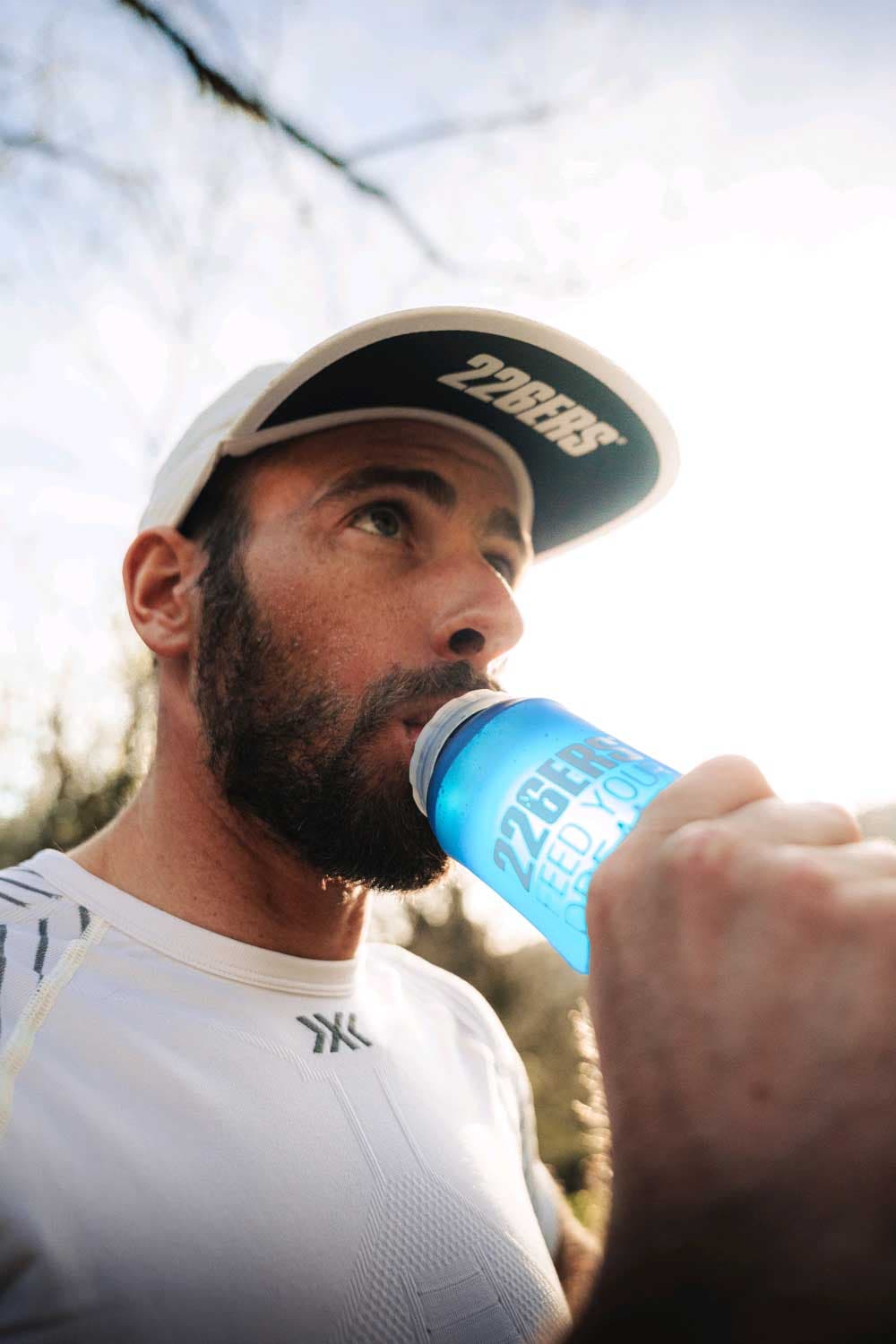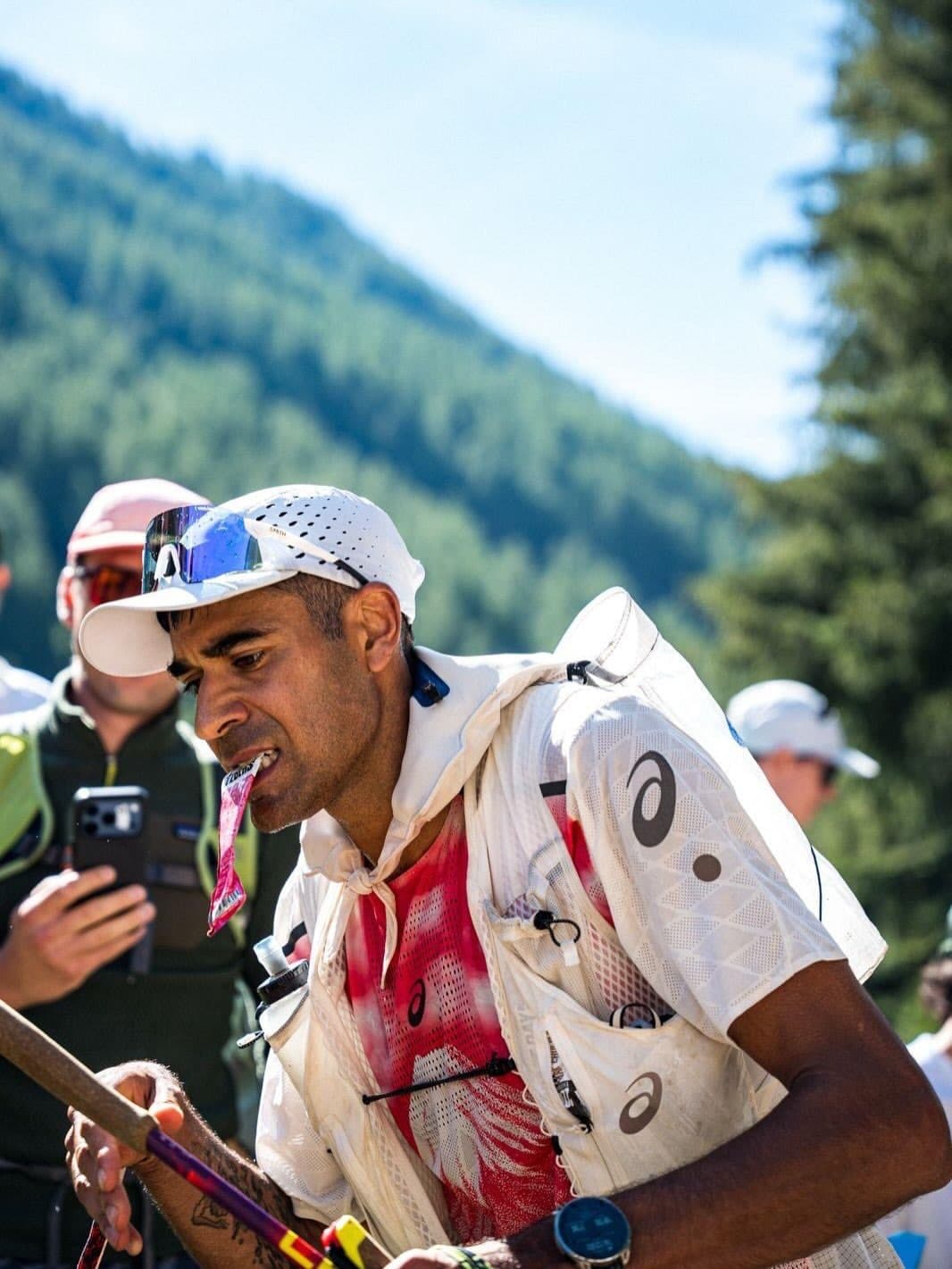
A long training session in winter looks nothing like a summer one: it is cold, it is dark, you do not feel like drinking, and eating on the move even less so. As a result, plenty of runners and cyclists head out for two hours with empty pockets, when in summer they would have taken two gels and a bottle for exactly the same work. Here is why winter fuelling matters just as much as it does in the warm season, how to choose between a bar and a gel, how much to drink in the cold and what to drink, and which mistakes stop you finishing a long session in decent shape. This one is for anyone holding base volume through the winter and preparing for spring and summer races.
Your body does not burn less energy in winter
The glycogen stored in your muscles and liver is limited, and it does not grow just because it is below freezing outside. Over a long effort that store is gradually used up, and after roughly the first hour a low carbohydrate concentration starts to make itself felt: holding pace gets harder, your form falls apart, and you start thinking about cutting the loop short. In winter the cost is often even higher: heavy layered clothing, slippery or soft ground, a shortened stride and muscles working to keep you warm. In other words, the case for carrying fuel in winter is not weaker than in summer, it is stronger.
Coach Elvira Takhauova: you need fuel just as you do in summer
Coach Elvira Takhauova suggests a simple rule: if a long session is ahead of you, take an energy bar or a gel exactly as you would in summer, and do not forget to drink. The second part feels optional in winter because you are barely thirsty, but your need for fluid does not disappear along with the thirst. This approach removes unnecessary decisions: you are not weighing up each time whether today is cold enough to leave the food at home. A long session means fuel, full stop.
Bar or gel for a winter long session: which is easier
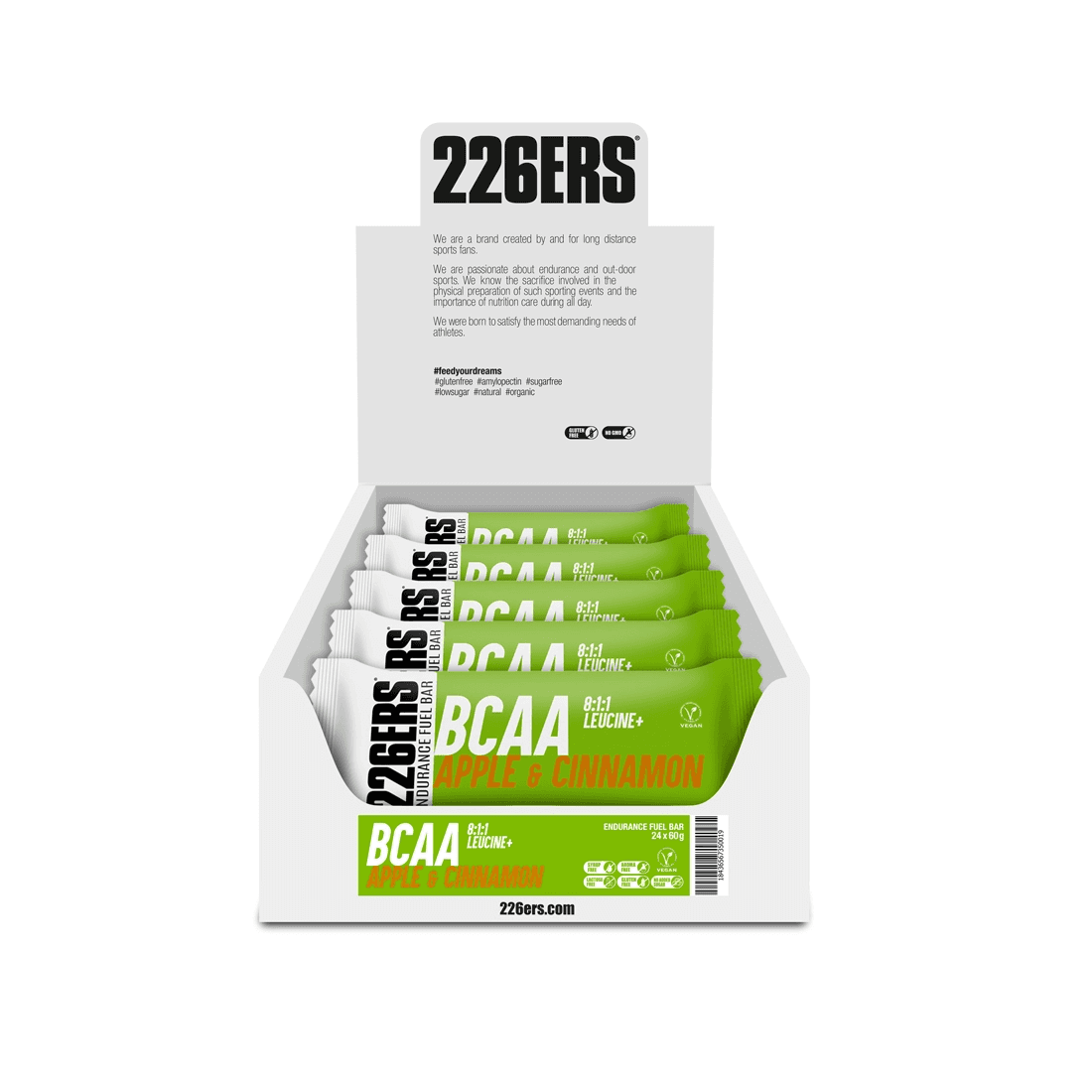
The choice depends on intensity and on how comfortable you are chewing on the move. A bar gives denser, slower fuelling and works well on steady volume sessions and on the bike, where you can eat without rushing. A gel is absorbed faster and is easier to handle once your breathing is heavy and the pace is high. In the cold the mechanics matter too: a dense bar hardens and becomes hard to chew, so it makes sense to break it up in advance and keep it close to your body, while a gel goes down in a single movement. Many people take both: a bar for the first half, a gel for the last third, when you need energy fast.
Why you do not feel thirsty in winter, and why you should still drink
Cold blunts the sensation of thirst: blood vessels narrow, the body reads itself as sufficiently topped up, and the “have a drink” signal does not arrive in time. Meanwhile the fluid losses carry on. You sweat under your layers, often more than you think, and you lose extra water through breathing: dry freezing air has to be warmed and humidified, and your body takes the moisture for that out of itself. The outcome is familiar to many: a dry cough, a heavy head and sluggishness after a winter long session, easily blamed on “catching a cold” when it is ordinary dehydration.
How much to drink on a long session in the cold
Since thirst does not work as an alarm clock in winter, drink to a plan rather than to how you feel: small amounts every 15 or 20 minutes from the very start of the session, without waiting until you want it. Start from your usual summer scheme and reduce the volume moderately, not several times over. Have a glass of water before you head out and another portion as soon as you get back, while you have not yet switched to other things. A simple benchmark: if you did not take a single sip across the whole long session, that is not toughness, it is a gap in your preparation.
How to stop your drink and your fuel freezing
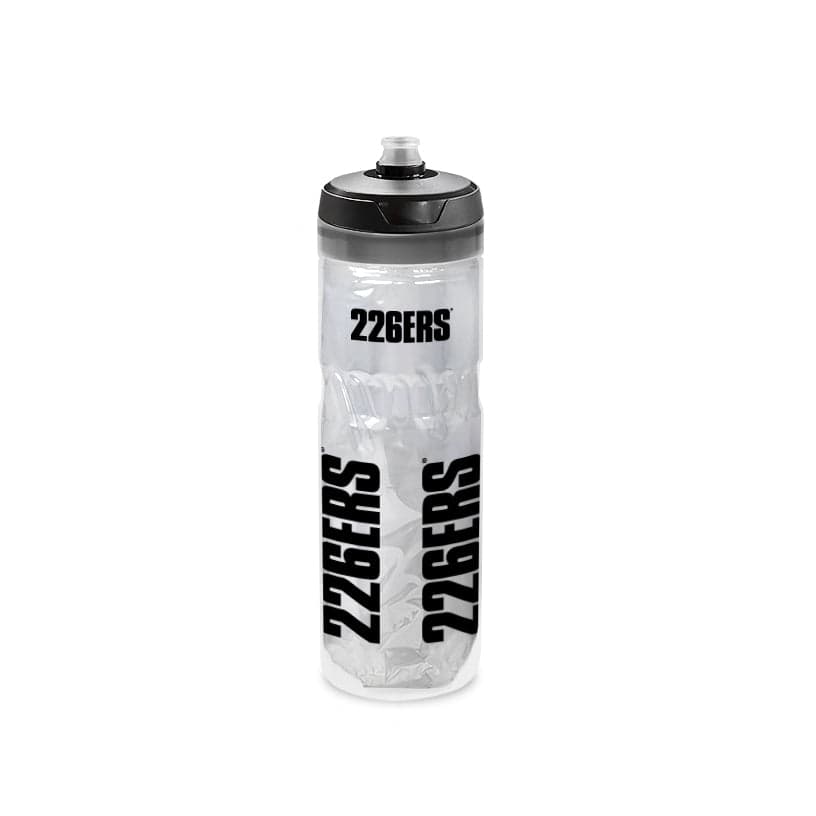
In winter the practical side settles half the job. Fill up with warm water or a warm drink and use an insulated flask or a thermos: an ordinary bottle quickly becomes useless in the cold. Keep gels and bars in an inside pocket under your jackets rather than an outer mesh one, so your body heat keeps the contents soft. If your route is long and loops back, you can stash supplies along the way or return to the car or your home every 40 or 50 minutes, and then your fuel and fluid are always warm. And practise in advance whether you can actually open the packaging with gloves on.
Common mistakes on winter long sessions
First: deciding that “it is only two hours, I will manage”, after which the last forty minutes turn into survival. Second: all your fluid after the finish instead of steady sips along the way. Third: skipping food for fear of getting cold at a stop, even though eating on the move does not require one. Fourth: trying a new gel flavour or an unfamiliar bar for the first time on an important long session instead of testing it on a short run close to home. Fifth: taking far too long to change afterwards, when wet clothing in freezing air pulls the heat out of you fast and gets in the way of proper recovery.
The winter base period: time to rehearse your race fuelling
Winter long sessions come with a bonus worth not wasting. This is the best period for teaching your stomach to take fuel on the move: intensity is lower, there are few races, and the cost of a mistake is close to zero. If you train fasted all through the base period and then try to take several gels in a row in your first spring race, your gut is not ready for it. Build fuel into every long session, try different formats and flavours, note what sits well, and by the time the season arrives you will have a tested plan rather than a theory.
A winter long session differs from a summer one in weather and logistics, not in physiology: the same work calls for the same carbohydrate and the same fluid, you simply have to carry them somewhere warm and drink to a schedule rather than to thirst. A bar or a gel in your pocket and an insulated flask of a warm drink cost less than a ruined session and a week of sluggishness afterwards. Fuel for long training sessions from PILLAR, 226ERS and SiS is available at spacefuel.kz with delivery across Kazakhstan.


FAQ
Should I take a gel on a winter session if it is cold outside?
Yes: your glycogen store is no bigger in winter than in summer, and energy expenditure is often even higher because of heavy clothing and slippery ground. Coach Elvira Takhauova advises taking an energy bar or a gel on a long session exactly as you would in summer.
Why do I not feel like drinking during winter training?
Cold blunts the sensation of thirst, so the signal that you are short of fluid arrives late. The losses continue regardless: you sweat under your layers and lose water through breathing as you warm and humidify the dry freezing air.
How do I stop my water and gel freezing on a long session?
Fill an insulated flask or thermos with a warm drink, and keep gels and bars in an inside pocket under your jackets, where your body keeps them warm. On long routes you can plan a loop that brings you back to your home or car every 40 or 50 minutes.