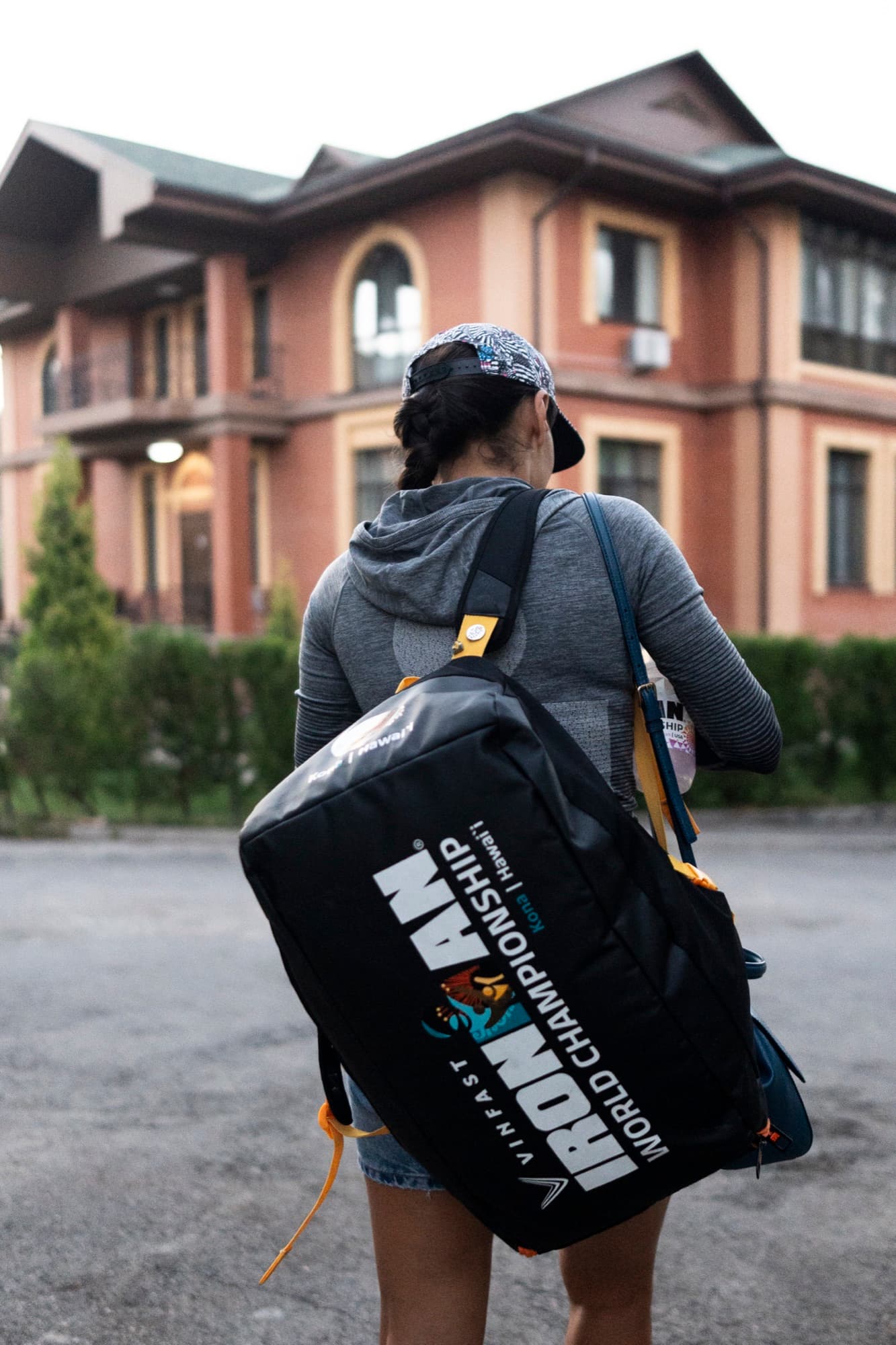
A destination marathon differs from a home race less in the course than in the logistics. Nutrition for a destination marathon is simpler and safer to assemble at home than to hunt down on arrival: in an unfamiliar city you have no advance knowledge of what the shops stock, or of exactly where the water will be at the aid stations. This piece is for runners and triathletes flying to a start in another city or country who want the race to follow a familiar script. The rule used by Saltanat Kazybaeva, a 226ERS ambassador, is a short one: carry all your race nutrition with you and buy nothing at the expo but souvenirs.
Why race nutrition is packed at home
digestion works less well at race heart rates than at rest, and anything new at that moment becomes a lottery. Everything you plan to eat and drink on the course should already be tested on long training sessions: the same brand, the same flavour, the same concentration. Travel adds a second layer of risk, because a change of water, cuisine and sleep pattern loads the stomach as it is. The only way to remove nutrition as a variable from the equation is to bring the familiar with you.
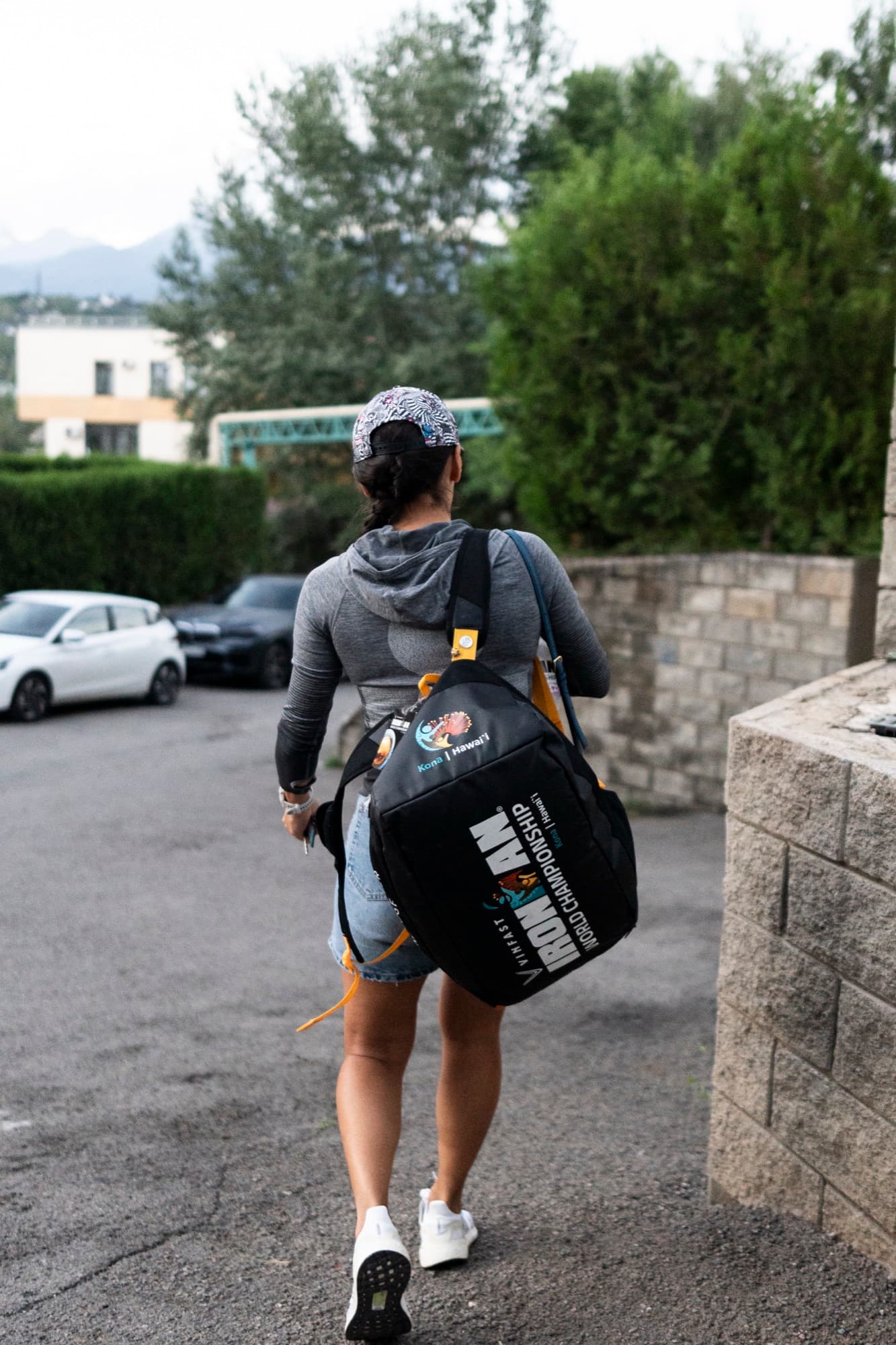
Gels go in hand luggage, not in the hold
checked baggage can be a day late or arrive after you have already finished, and then your whole fuelling plan sits at the airport. It makes more sense to keep the entire race kit on you and send only the supplies for the days after the start into the hold. Rules for carrying liquids and gels differ between carriers, so check the permitted format and volume on the airline website in advance, and pack powders and bars so that they are easy to show at security.
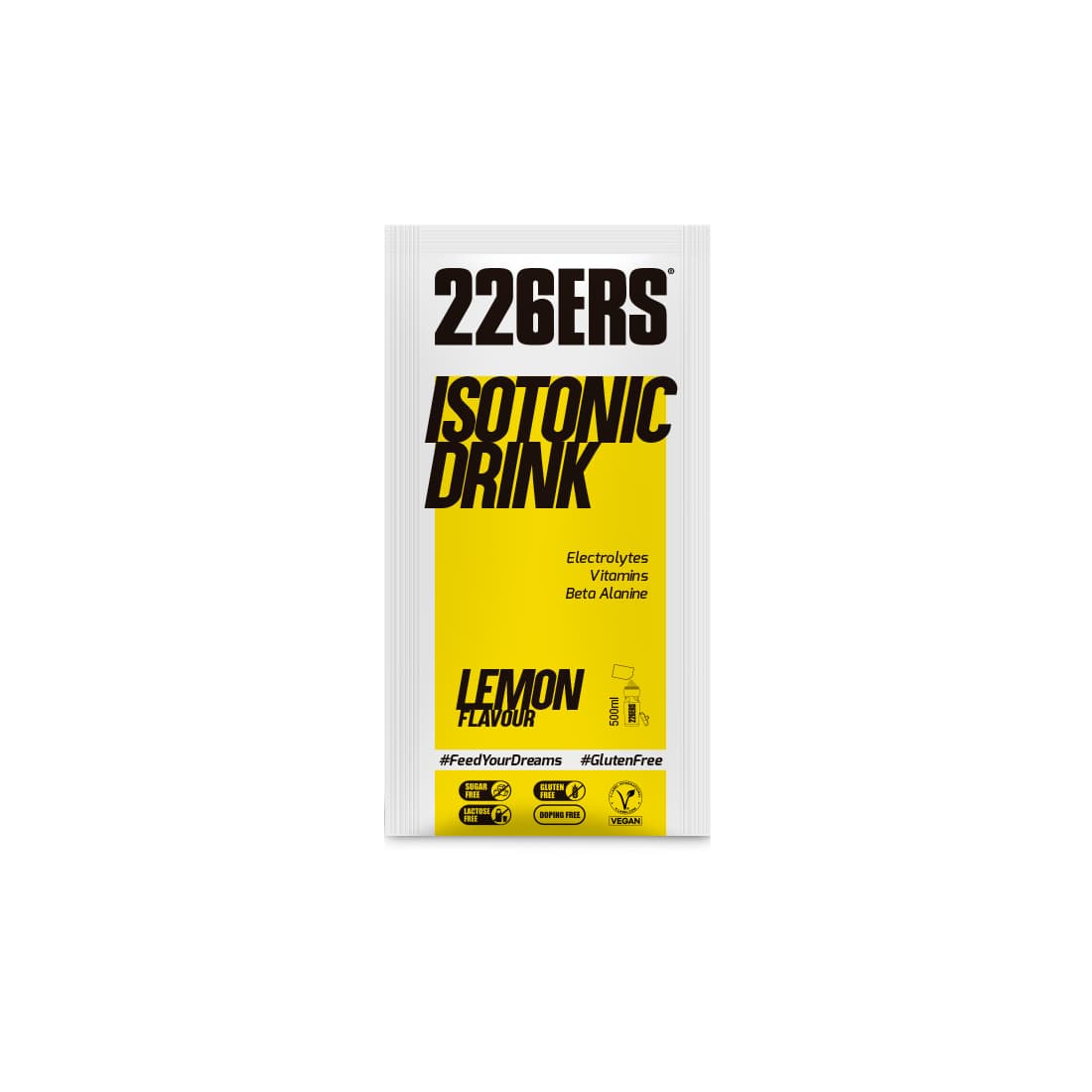
Sachets of isotonic drink are handier than a tub of powder
a sachet weighs less, will not break, will not spill into your bag and is already measured out for the right bottle volume. On a trip that saves you from measuring scoops and from guessing the concentration in unfamiliar glassware. Keep the tub for training at home and take exactly as many sachets to the start as you need for the warm-up, the race itself and the first hours after the finish.
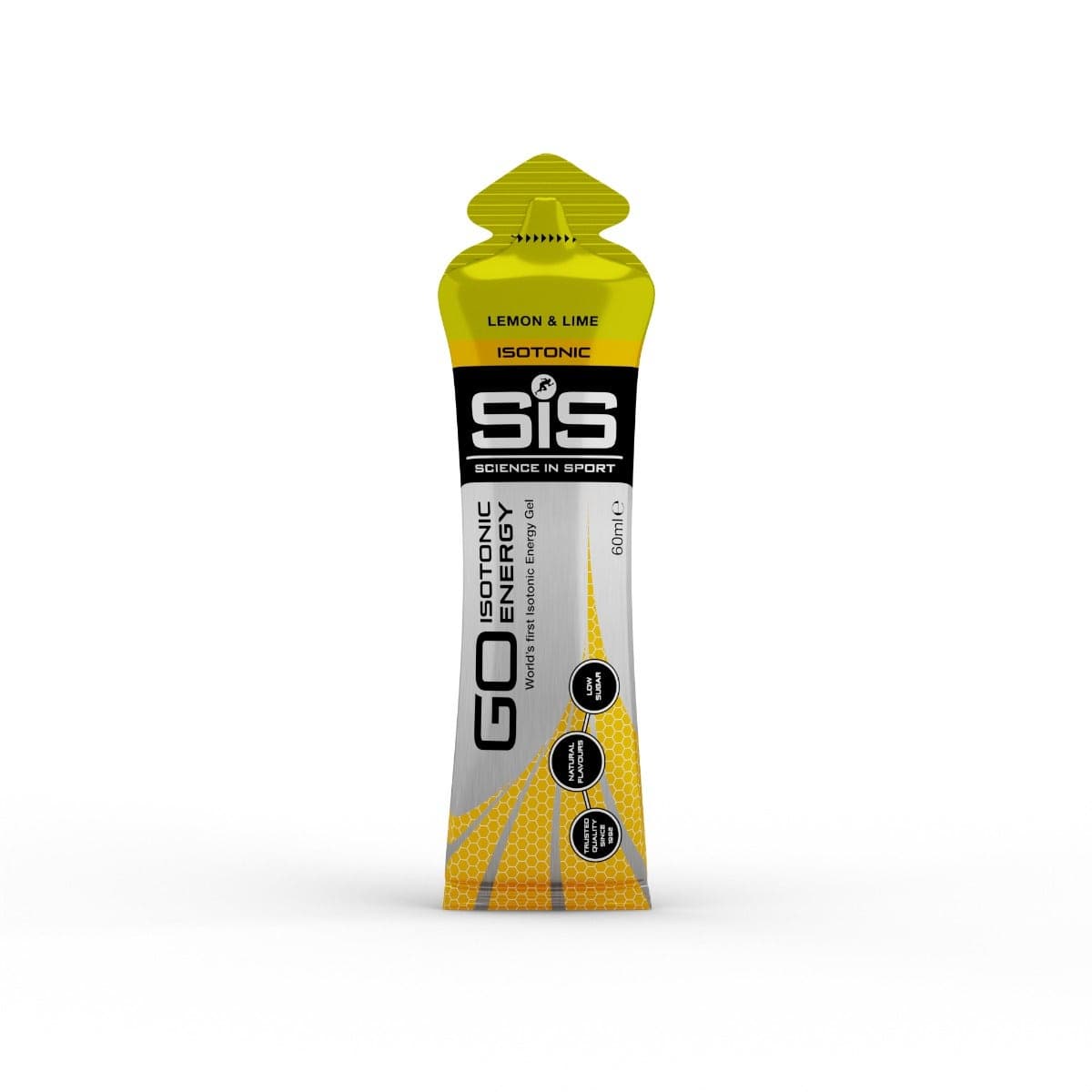
A gel you do not need to wash down with water
on an unfamiliar course the aid stations are not where you are used to them, and reaching the table sometimes turns into a scrum. SiS GO Isotonic has a consistency closer to that of a drink, so it needs no water to wash it down, and taking on fuel no longer depends on whether you managed to grab a cup. For a destination race that removes one of the most common reasons a plan falls apart: the gel goes in on schedule but there is no water to hand.
Recovery is taken in single-serve portions
a recovery drink is needed in the first hours after the finish, when you are most likely in a park, on a bus or in a hotel with no kitchen and no scales. Single servings solve that, because all you need is water and a wide-necked bottle. The logic of recovery after a marathon stays the same as always: carbohydrate and protein soon after the finish, then a drink with electrolytes and a proper meal once your appetite returns.
No new food in the two days before the start
this rule is not about self-denial but about predictability. Even in the most interesting city, tastings and street food work better after the finish than before it. For the 48 hours before the race stick to familiar foods, familiar breakfasts and water you trust, and keep an eye on how much fibre and spice you take in. If carbohydrate loading is part of the plan, do that with foods you have already tried at home too.
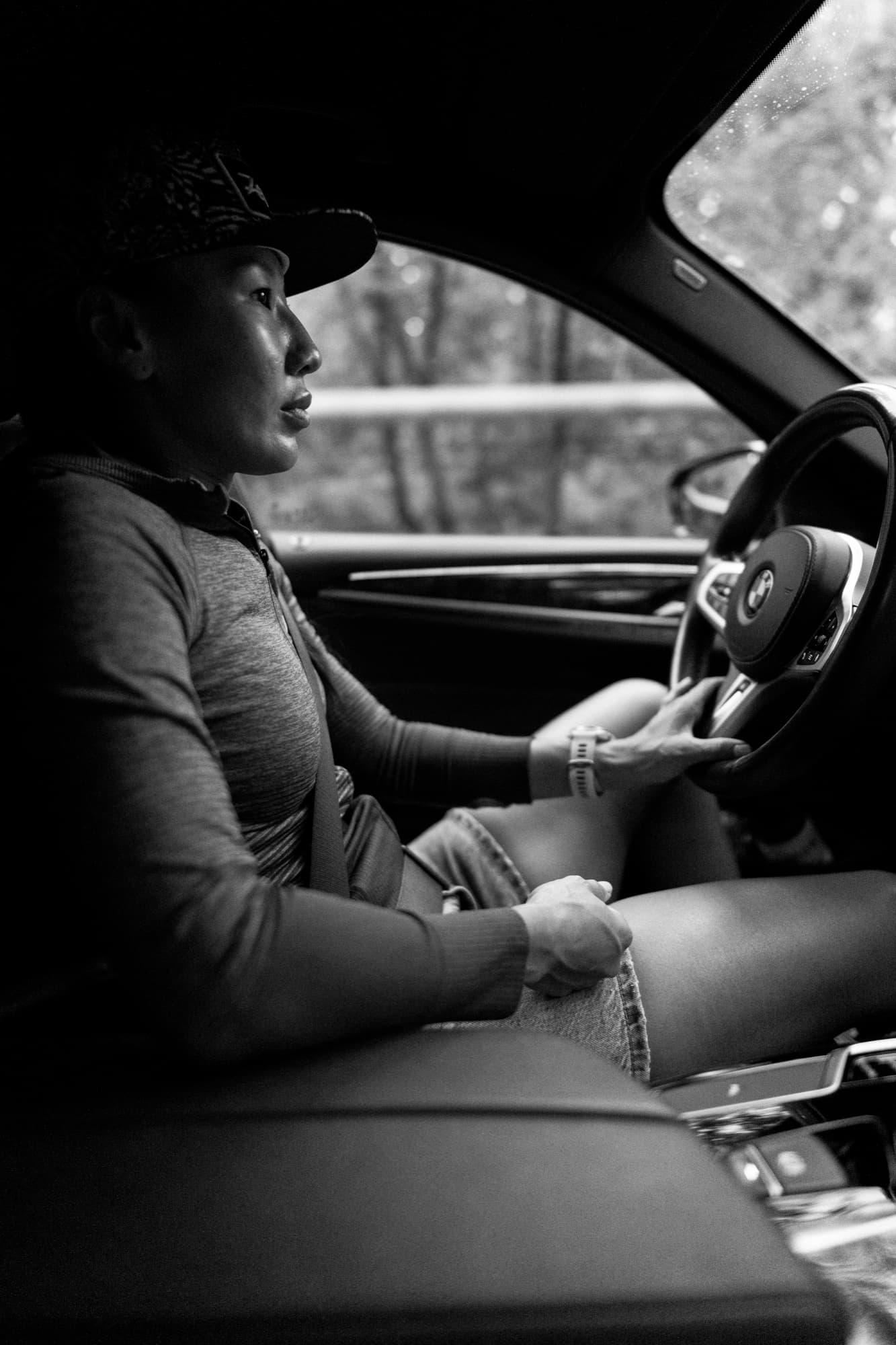
The expo: souvenirs, not experiments with nutrition
at the pre-race exhibition it is easy to collect a bagful of new gels, samples and drinks that look like a great find. The trouble is that there is nowhere left to test them except the race itself. A sensible compromise: buy what you want to try, but put it away in your rucksack until the race is over, and keep only the tried and tested in your race pocket. A T-shirt, a fridge magnet and your race number are not covered by this rule.
How much nutrition to take for 42 km
it is easier to count by time than by kilometres. Estimate your expected finishing time, plan your carbohydrate intake at regular intervals according to the scheme you have tested, and add one or two spare servings in case of a dropped gel, a delayed start or hotter weather. The widely accepted guide for long distances is that carbohydrate comes in regularly and in small amounts, while fluid with electrolytes is adjusted for the heat and for how much you sweat. The whole kit has to physically fit into the pockets of your race kit or a waist pack, otherwise it will go untouched on the course.
Typical mistakes at destination races
carrying your nutrition only in checked baggage, counting on buying gels at the expo, trying the unfamiliar isotonic drink handed out by the organisers, and planning your intake strictly around the aid stations without knowing where they are. A mistake in its own right is forgetting the journey: a long flight dehydrates you, so electrolytes and a familiar snack on travel day matter just as much as your race plan. It is worth studying the course and the profile in advance, at least from the map, so that you know where it is convenient to take a gel.
Destination marathons are won not by the people who found something new at the expo but by those who brought their own familiar protocol to an unfamiliar city and changed nothing in it. A kit of gels, isotonic sachets and single-serve recovery put together in advance takes up one pocket of a rucksack and saves far more than it seems. You can choose and stock up on that nutrition before your trip at spacefuel.kz.



FAQ
Why is it better to take gels in your hand luggage?
Checked baggage can be delayed and arrive only after you have finished, taking your whole fuelling plan with it. Race nutrition is safer kept on you, with only the supplies for the days after the start going into the hold.
Can you buy nutrition at the expo before a marathon?
Buying is fine, but trying something new on the course is not, because there is nowhere left to test it in training. Take tried and tested nutrition to the start and save your expo finds for after the race.
What makes an isotonic gel convenient when travelling?
SiS GO Isotonic does not need to be washed down with water, so taking on fuel does not depend on where the water station turns out to be. On an unfamiliar course that removes the risk of missing a dose of carbohydrate.