Off-season nutrition works differently from in-season nutrition, and it is the first thing worth revisiting once the races are over and base training begins. This article will be useful for runners, cyclists and triathletes who have closed out their racing year and are moving on to steady work on volume and technique. The logic is simple: the structure of your training changes, so what you eat and drink around it changes too. Gels go back on the shelf and are only needed on long sessions, while protein after every session, vitamins for winter and more sleep come to the fore.
How the base period differs from the racing season
In season, the whole nutrition plan serves one purpose: holding your pace over the distance without running the tank dry or upsetting your stomach. In the base period the task is different: building an aerobic base, strengthening ligaments and tendons, and letting your mind recover after racing. Hence a different priority: not maximum carbohydrate delivery per hour of work, but steady recovery between sessions and the ability to turn up for them regularly, without gaps. Volume is lower in base, intensity is lower, and your nutrition should support exactly that kind of work rather than competitive peaks.
Why gels in the off-season are only needed on long sessions
A gel solves a problem that rarely comes up in the base period: closing a carbohydrate deficit quickly when the work is at high intensity or lasts longer than your own stores can cover. On an easy hour-long run or a ride on winter roads that deficit simply does not exist, and a gel turns into extra calories with no training purpose. What remains are the long sessions: there the fuel does the job it was designed for, and you also keep your stomach used to gels so you are not starting from scratch in spring. A sensible guideline: take gels out of short and medium sessions and keep them where the work runs past an hour or so.
Protein after every session: why it matters in base
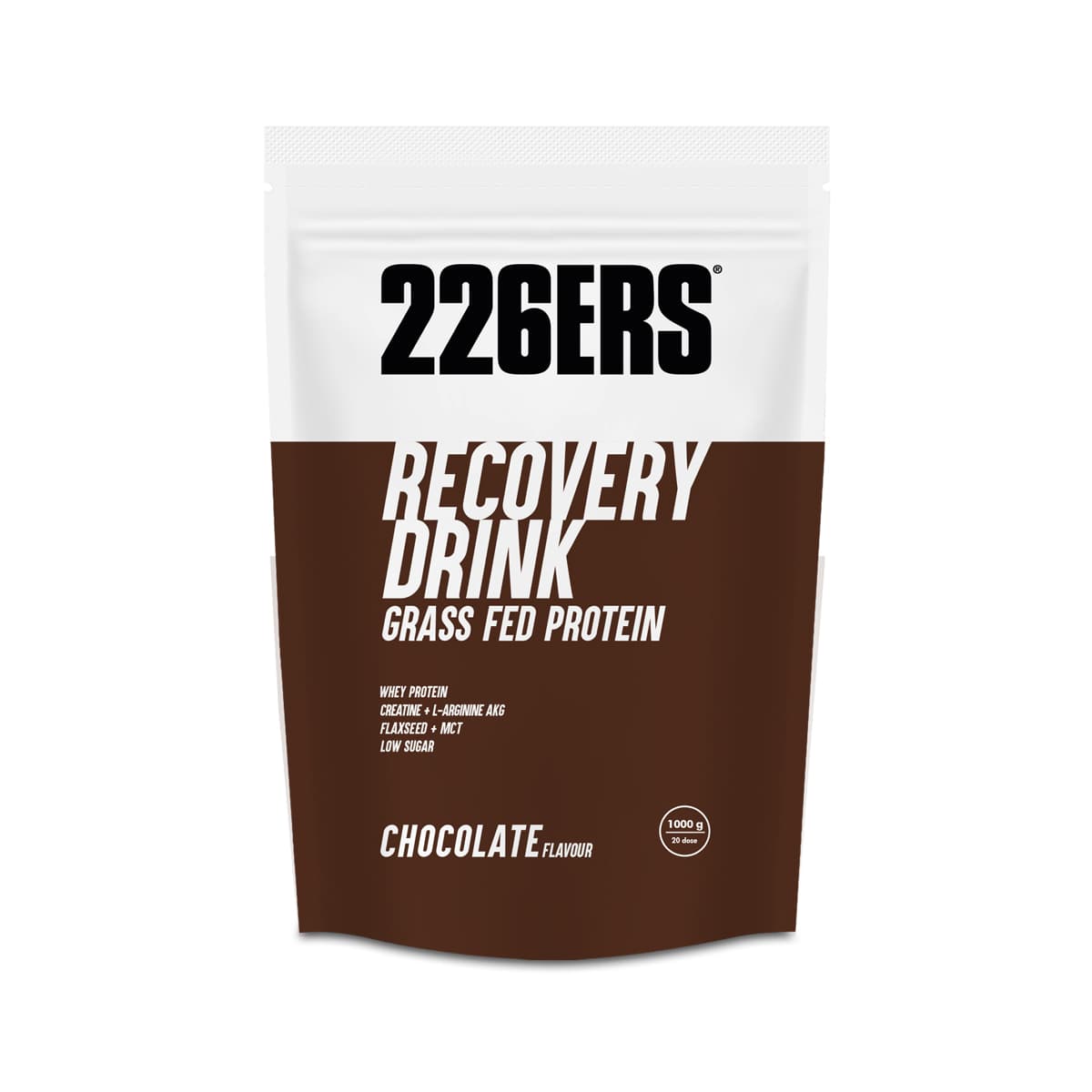
Base brings a lot of low-intensity work, and against that backdrop it is easy to underestimate how much protein you need. Yet this is precisely the period when muscles are rebuilt, tendons adapt and the body recovers from the season, and all of that is built from amino acids. A serving of protein after training covers the window when your body is most active at putting that material into tissue, and it helps you avoid losing muscle mass as volume falls and in a calorie deficit, if you are adjusting your weight at the same time. The habit of drinking a recovery drink or eating a full meal with protein after every session, not only after the hard ones, works best in the off-season.
Vitamins for winter: what really changes in the cold season
In winter it is not your physiology that changes but your daily life: less sunlight, more time indoors, less variety in seasonal food and far more contact with other people's viruses. For an athlete that means a higher risk of colds and of lost weeks, which cost the most in the base period: this is where next season's fitness is laid down. So in winter it makes sense to support your diet with vitamins and minerals rather than waiting for your immune system to dip in the middle of a volume block. It is worth doing this systematically, as a course, rather than reacting chaotically to the first symptoms.
Sleep as the main part of recovery
Sleep remains the most underrated recovery tool, and it is easier to add in the off-season than at the height of the season: there are no race trips, early start times or pre-race nerves. Tissue and nervous system repair happen during sleep, which is why an extra hour in bed often does more than any supplement. A practical approach: shift your bedtime, not just your wake-up time, keep your sleep schedule consistent on weekdays and at weekends, and cut the intense evening sessions that make it hard to fall asleep. If you are sleeping less than you need, lower the load: training in sleep debt means accumulating fatigue, not fitness.
Lower volume, lower intensity: how to plan your training load
The base period is often confused with the build period: it feels as though the season is over, so now is the time to pile on the miles. In practice a gentle entry works better: a short spell of complete rest from structured training, then a gradual build of easy aerobic work with no intervals or tempo blocks. Volume and intensity come down at the same time, while your resilience goes up: joints and tendons get time to adapt to the new routine. As your body settles in, volume is raised carefully, but intensive blocks are left for later stages of preparation, closer to your target races.
Consistency matters more than in summer
The key measure of the off-season is not the length of any single session but how many weeks in a row you train without missing one. In summer, exciting races and good weather provide their own motivation, while in winter motivation has to be replaced with a schedule. Three easy sessions every week in winter give you more than one heroic effort every ten days. That sets the requirement for your nutrition: it has to be simple and repeatable. Protein after training, proper meals, vitamins as a course and enough sleep: a set like that is easy to keep up for months, and months are exactly what work here.
Typical off-season mistakes
The first mistake: dragging your race-day plan into base, that is, carrying on with gels on every easy run. The second: dropping nutrition around training altogether, having decided it does not matter in the off-season, and slowing your recovery as a result. The third: cutting training to zero for several weeks and then chasing volume to catch up, picking up an injury at the start of your build. The fourth: skipping long sessions and losing your stomach's tolerance for fuelling on the move, only to suffer again in spring at the very first races. All four are solved by the same thing: a plan in which nutrition and training load change together rather than separately.
How to rebuild your nutrition after the season: a short plan
Go through your supplies at home and put the gels in a separate box for long sessions. Keep what you need every day in plain sight: a protein source for after training and vitamins for the cold season. Schedule one long session a week or every two weeks in which you deliberately practise fuelling on the move. Move your bedtime half an hour earlier and keep that routine for at least a month. That is enough for the base period to pass without colds or breakdowns.
The off-season does not call for complicated schemes: less fuel on the move, more protein and sleep, vitamins for the cold season and consistency instead of heroics. This approach lays down fitness you will notice at the very first races of next season. You can choose your nutrition for the base period, from recovery drinks to vitamins, at spacefuel.kz.


FAQ
Do you need gels in the off-season?
Only on long sessions, where the work runs past an hour or so. On short and medium easy sessions a gel does not close any real carbohydrate deficit and becomes extra calories, but it is worth keeping the long outings so your stomach does not lose the habit of fuelling on the move.
Why take protein after training if the training load is now lower?
In the base period muscles are rebuilt and tendons adapt, and that material is built from amino acids. A serving of protein after every session helps you recover and avoid losing muscle mass as volume falls.
What matters more in the base period: volume or consistency?
Consistency. The key measure of the off-season is not the length of any single session but the number of weeks in a row without missed training: three easy sessions every week give you more than one long session every ten days.