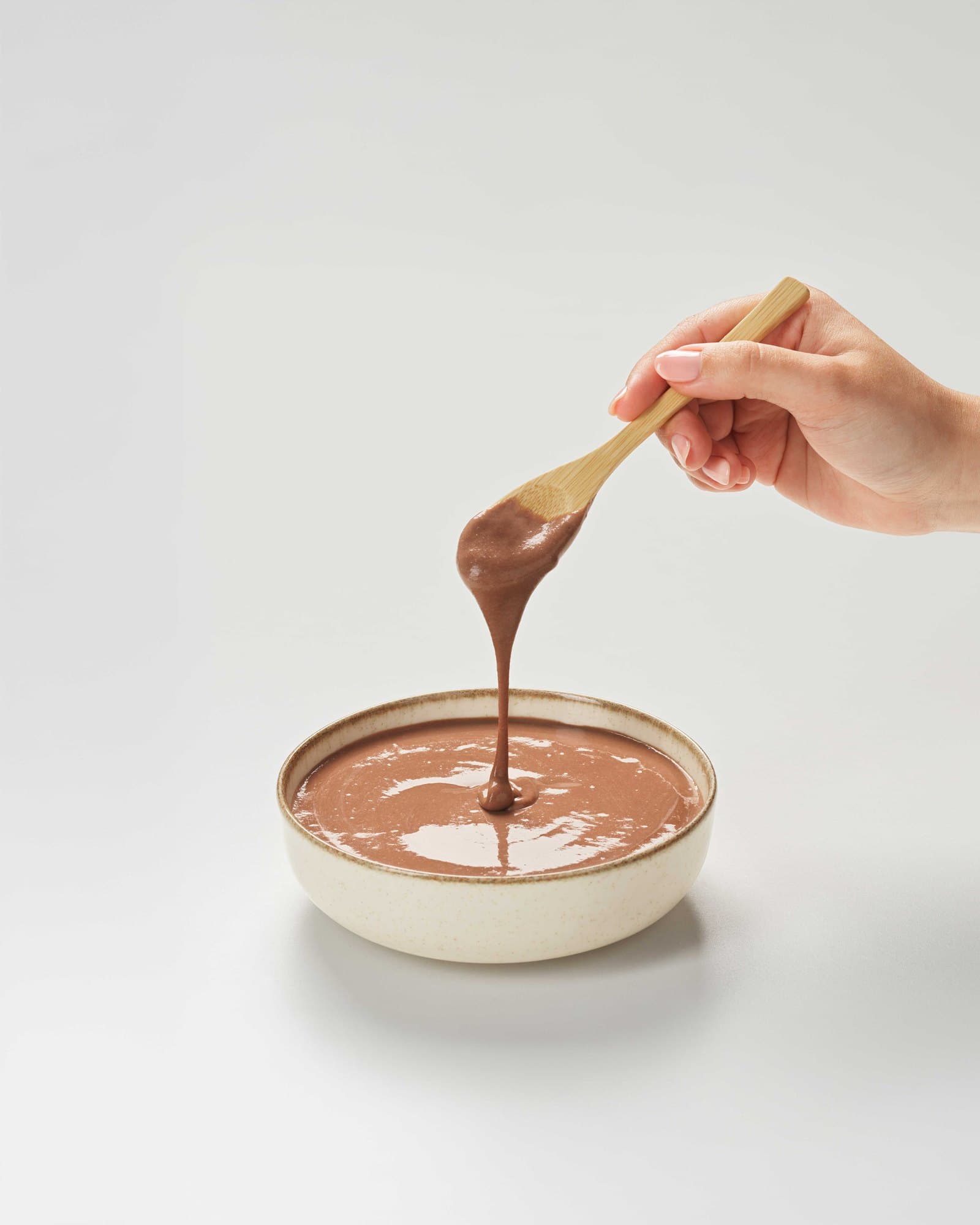
The question of how much protein and carbohydrate you need after training comes up for everyone who starts running or cycling more than three times a week. This article is for runners, cyclists and triathletes who are already doing long and intense sessions but finish them with a random snack, or with nothing at all. Below we look at why recovery nutrition is built on two nutrients at once, what a practical serving looks like using Recovery Drink 226ERS as an example, and which mistakes most often reduce the effect to zero.
Why protein alone is not enough after training
The habit of seeing recovery purely in terms of protein comes from strength sports. In endurance the task is broader: alongside micro-damage to muscle fibres, you also leave your muscle and liver glycogen stores out on the course. Protein supplies amino acids for repair and adaptation, while carbohydrate brings back the fuel without which the next quality session simply will not happen. That is why endurance recovery drinks are made as combined formulas rather than pure protein.
The carbohydrate to protein ratio in a recovery drink
One serving of Recovery Drink 226ERS contains 20 g of protein and 25 g of carbohydrate. A ratio tilted slightly towards carbohydrate is typical of endurance sport: the carbohydrate takes care of refilling glycogen, while the presence of protein in the same serving helps the body switch from expenditure mode into recovery mode. For a runner this is a convenient benchmark: look not only at the grams of protein on the packaging, but also at whether there is carbohydrate alongside it.
The recovery window: the first half hour after a session
The recommendation to drink a recovery shake within the first thirty minutes after training is not arbitrary. Immediately after a session the muscles take up nutrients from the blood most readily, while appetite after hard work is often suppressed and a proper meal is rarely possible straight away. A liquid format solves both problems: it is quick to prepare and goes down easily when food is the last thing you want. If the session finishes far from home, logistics matter more than the perfect protocol: a sachet in your bag works, whereas the perfect dinner three hours later does not.
How to prepare a recovery drink after training
The method could not be simpler: one 50 g sachet in 300 ml of water or milk, a shaker, ten seconds. Water makes the drink lighter and faster, milk adds satiety and a more familiar taste, and the choice here depends on lactose tolerance and on whether a full meal will follow. Three flavours are available: chocolate, vanilla and strawberry. The point about flavour only sounds trivial until the first month of regular use: anything you find unpleasant to drink is something you will start skipping.
When a recovery drink is needed and when food is enough
After an easy thirty or forty minute run, dedicated recovery nutrition is usually unnecessary: an ordinary breakfast or lunch is enough. It starts to make sense where the session genuinely depletes your stores: long runs, intervals, tempo work, a long ride, a second session on the same day, a training camp with two sessions back to back. One separate case is a block of races, when there is little time between starts and you need to get back to training as quickly as possible.
Common mistakes in recovery nutrition
The first: waiting several hours and assuming dinner will sort everything out. The second: cutting carbohydrate out of recovery through fear of gaining weight, after which the next session is run on empty stores and fatigue accumulates. The third: drinking a recovery shake instead of water and electrolytes, even though these are different jobs and the shake on its own does not cover fluid losses. The fourth: taking the powder unsystematically, on random days, and then being unable to tell whether it works.
How to fit recovery into your training week
The easiest approach is to tie the drink to the type of session rather than to the day of the week. Mark the two or three hardest sessions in your plan and cover exactly those: the long run, the intervals, the long ride. On the other days rely on normal food. This approach is more economical and clearer than drinking a recovery shake after every outing, and it gives you feedback: if quality sessions start feeling easier after a week or two, the protocol is working.
What to assess after a month of regular use
The effect of recovery nutrition shows up not in how you feel on the first evening, but in your ability to hold the plan. Watch three things: how your legs feel in the next quality session, whether you consistently hit the prescribed paces, and whether a persistent urge to cut volume has appeared. A recovery protocol is working if your training week stops falling apart by Friday. The rest is judged on race day.
The conclusion is simple: after a hard session the body needs both protein and carbohydrate, ideally within the first half hour and in a convenient format that you will actually use. Recovery Drink 226ERS, in a 50 g sachet for 300 ml, covers this task without extra calculations. Products from 226ERS, PILLAR and SiS are available at the spacefuel.kz store with delivery across Kazakhstan.


FAQ
How much protein and carbohydrate do you need after training?
One serving of Recovery Drink 226ERS contains 20 g of protein and 25 g of carbohydrate. A slight tilt towards carbohydrate is typical of endurance sport, where after a session you need to restore not only the muscles but also your glycogen stores.
When should you drink a recovery shake after training?
Within the first thirty minutes after the session. At that time the muscles take up nutrients from the blood more actively, while appetite is often suppressed, so a liquid format is more convenient than a full meal.
What is better for mixing Recovery Drink 226ERS: water or milk?
One 50 g sachet is mixed in 300 ml of water or milk, and ten seconds in a shaker is enough. Water makes the drink lighter, milk adds satiety, and the choice depends on lactose tolerance and on whether a full meal will follow.