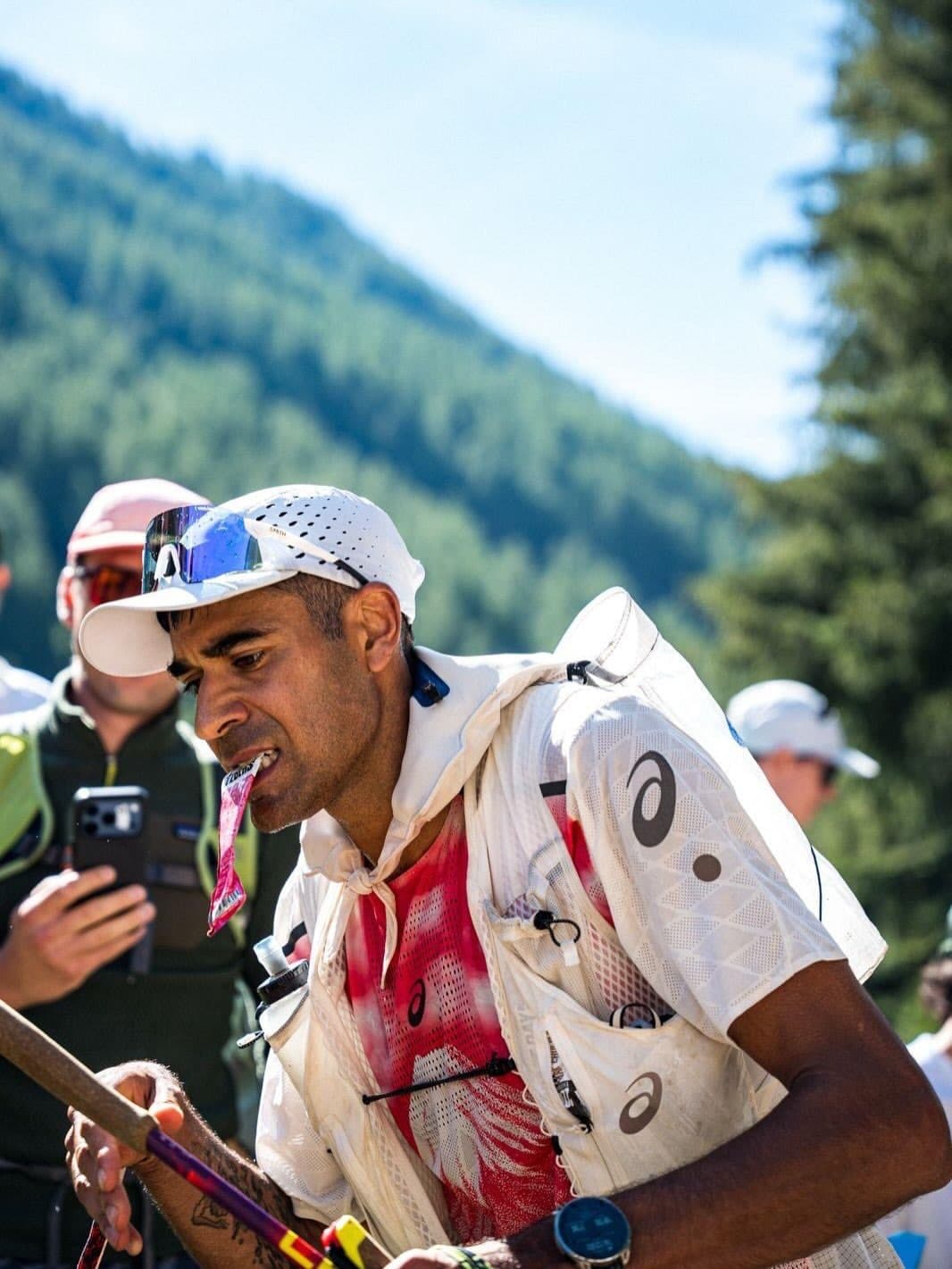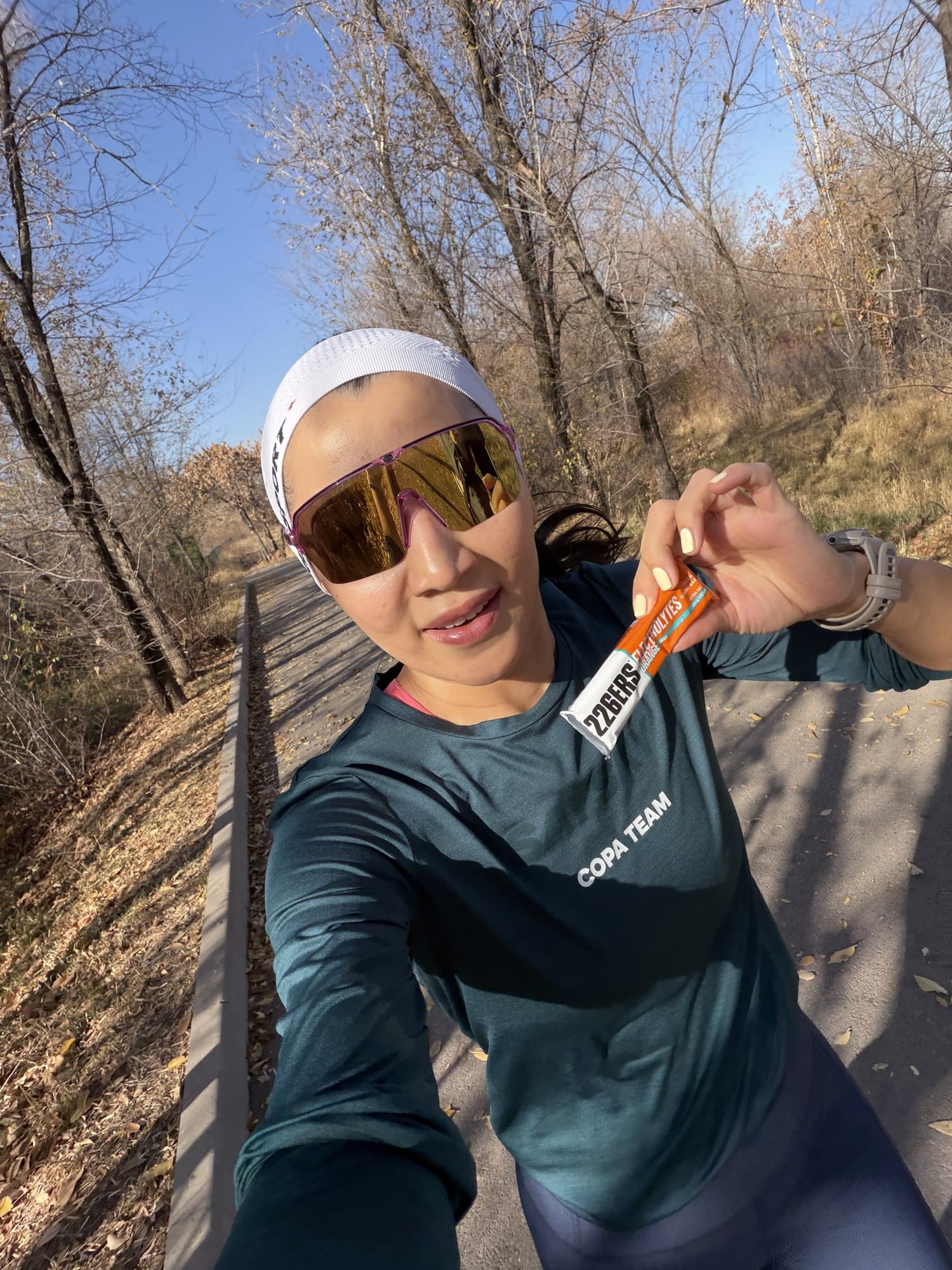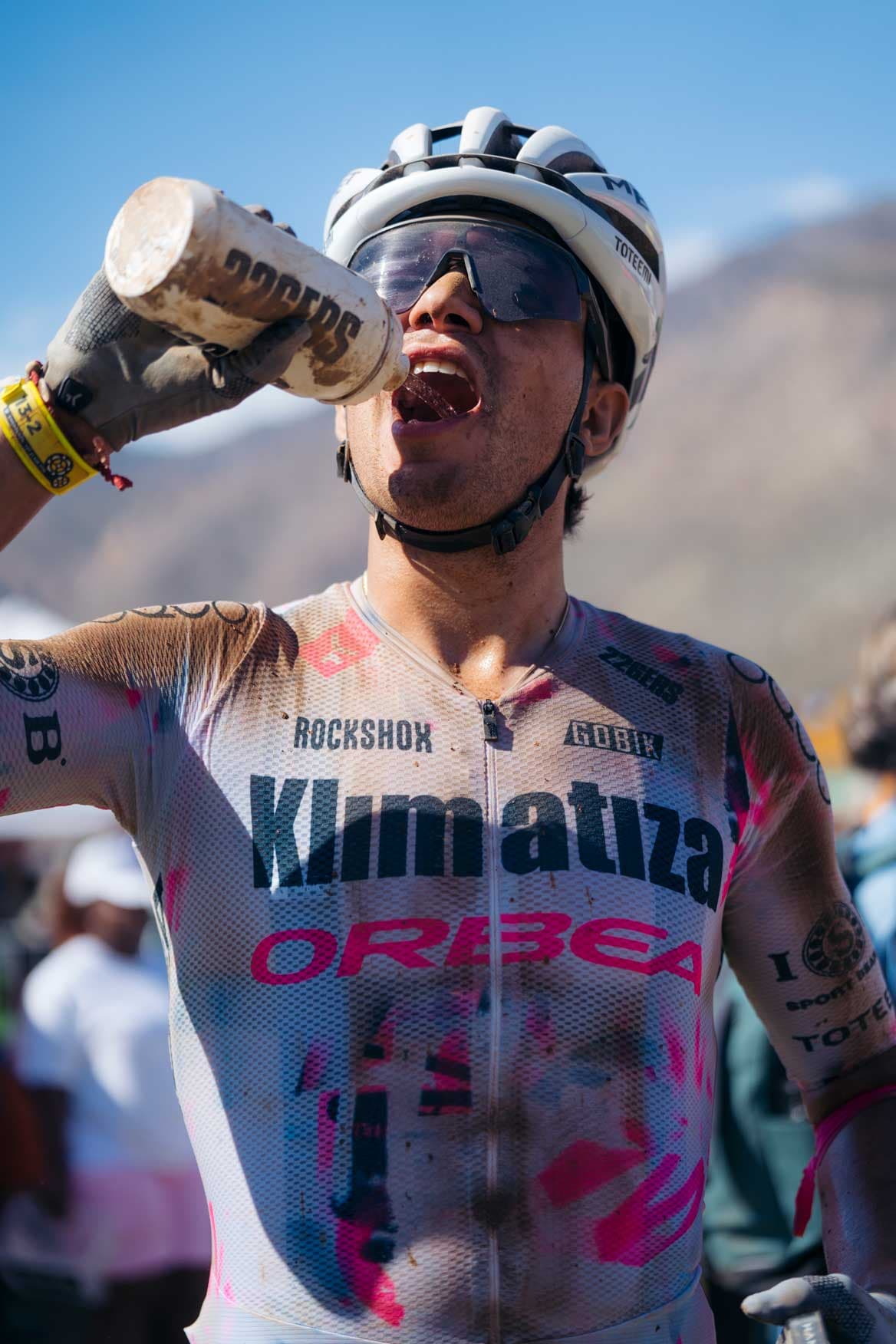
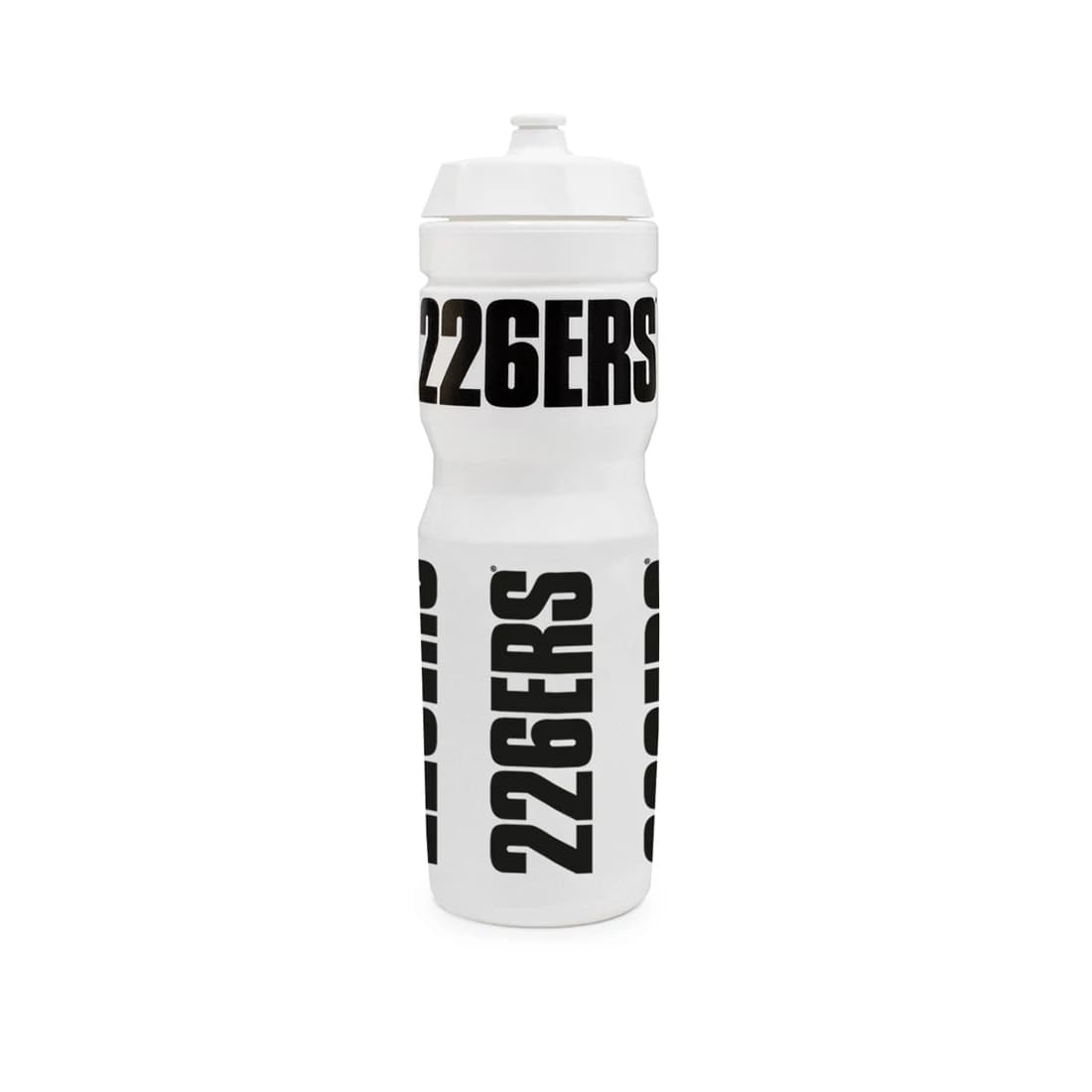
A long training ride across the open steppe under the sun tests your drinking plan rather than your legs. The main question every cyclist asks in summer is how much to drink on a bike ride and how not to miss the moment when the body has already started losing water. The answer experienced racers rely on is simple: drink to a schedule, not to thirst. This article will be useful for anyone riding long distances in the heat, preparing for road and gravel races, or regularly spending more than two hours in the saddle. Daryn Konysbayev, 226ERS ambassador, takes exactly this approach: his 226ERS bottle is always within easy reach, no more than one quick movement away.
Why thirst arrives too late as a dehydration signal
Thirst appears not at the start of fluid losses but once the deficit is already noticeable. On the bike the situation is worse than in running: the oncoming airflow evaporates sweat instantly, the skin feels dry, and your sensations suggest everything is fine. In the dry air of the steppe this effect is amplified. As a result, a rider happily covers the first hour and a half barely touching the bottle, then runs into a sharp drop in power, a heavy head and a rising heart rate at the same speed. That is why a schedule is more reliable than sensations.
A drinking schedule for a long ride: how to build it
The working approach is simple: small sips every 10 to 15 minutes rather than large volumes at stops. For most people in the heat the reference point sits somewhere around 500 to 800 ml per hour, but the exact figure depends on body mass, pace, humidity and individual sweat rate, which is why you dial it in during training. The easiest method is to set a reminder on your bike computer or watch and tie each sip to checkpoints along the route. The aim is not to drink as much as possible but to avoid long empty stretches without fluid.
Why the bottle belongs within reach, not in a backpack
Access to your drink matters more than how much of it you carry. If getting to the bottle means stopping, digging into a backpack pocket or pulling off the road, the schedule falls apart within the first hour. Two bottles in the frame, a rehearsed hand movement that needs no glance downwards, and the habit of returning the bottle to the same cage solve the problem. The skill of taking out and replacing a bottle while riding is worth practising separately, especially on gravel and broken tarmac where the handlebars demand attention. This is exactly why Daryn Konysbayev always keeps his 226ERS bottle quickly accessible.
Electrolytes on the bike: when plain water is not enough
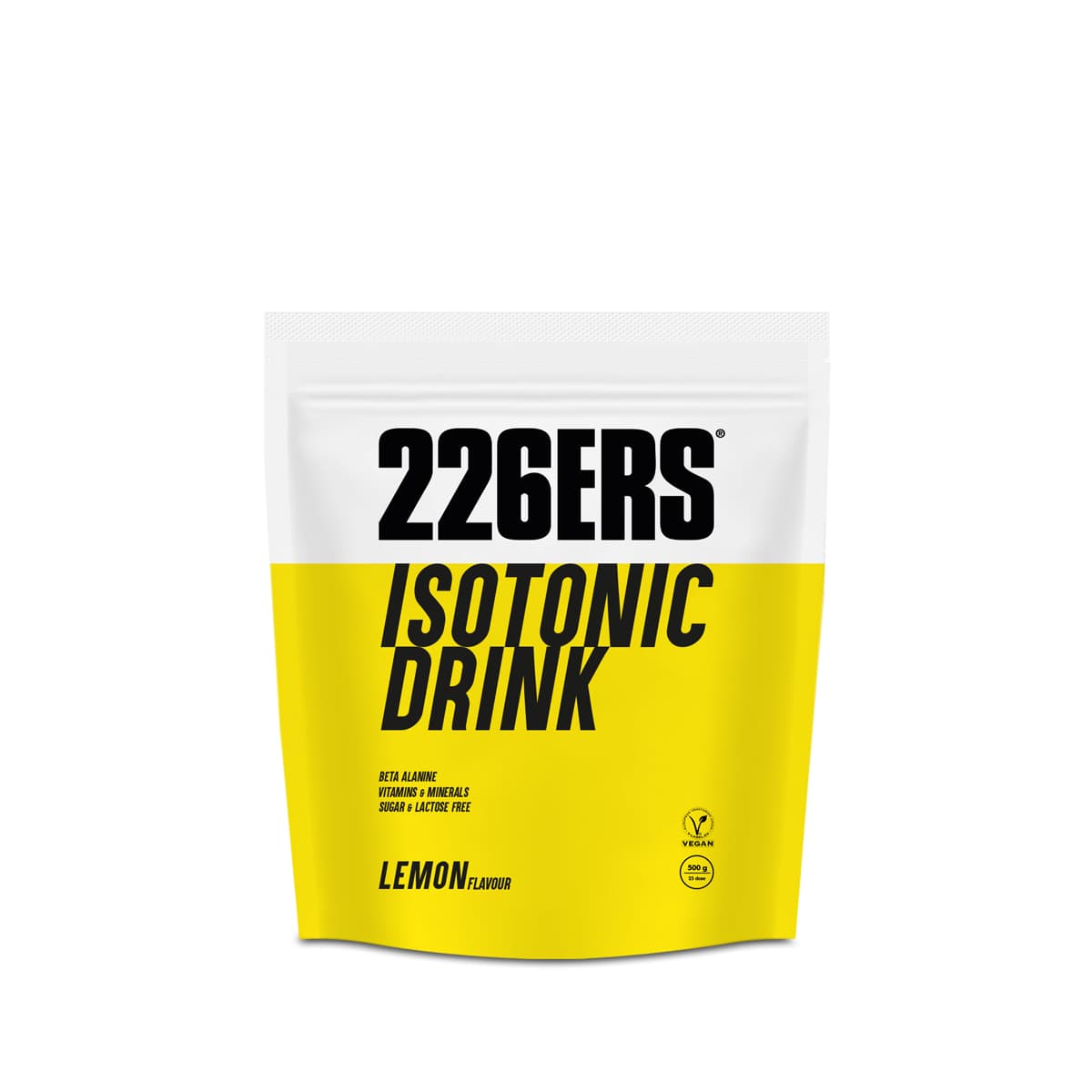
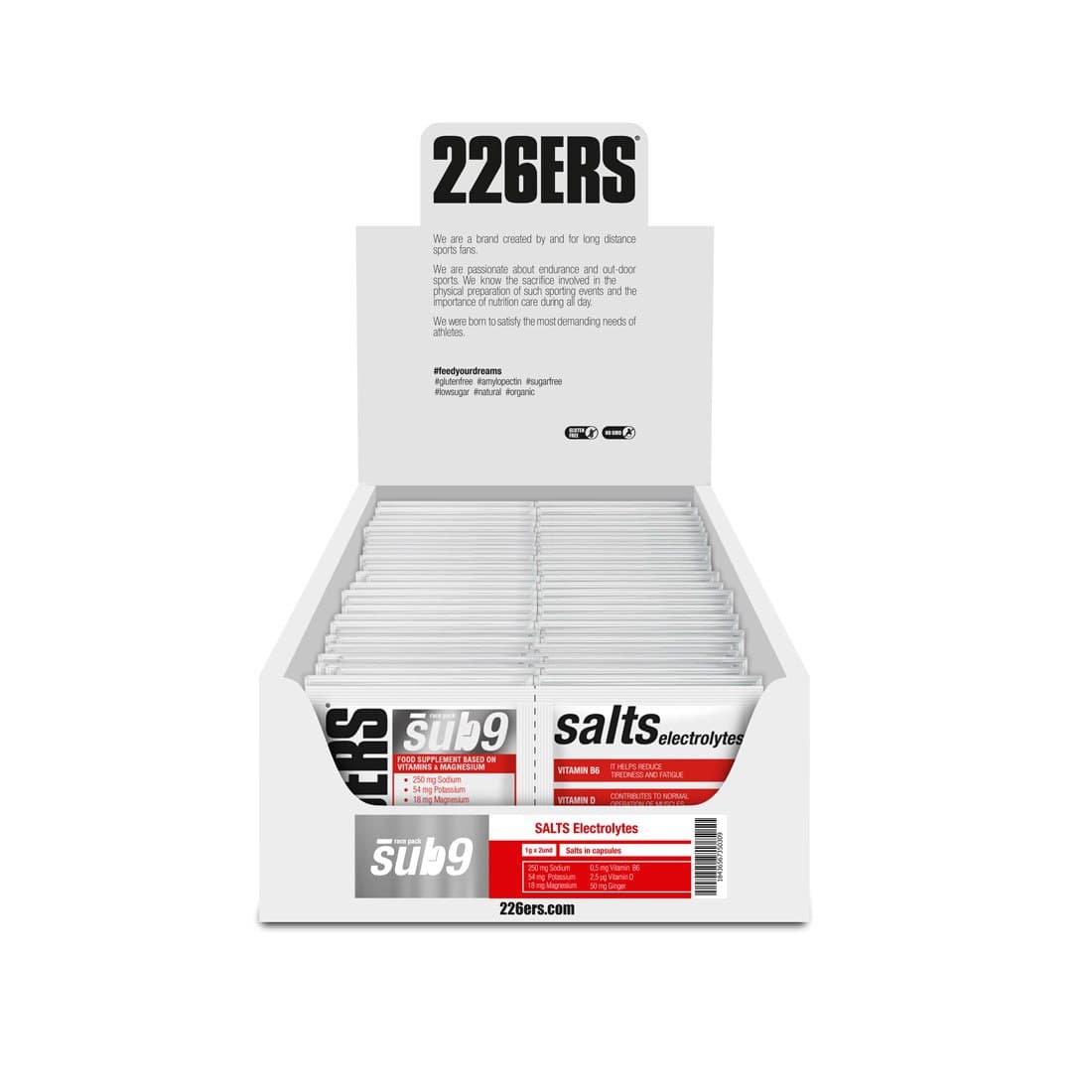
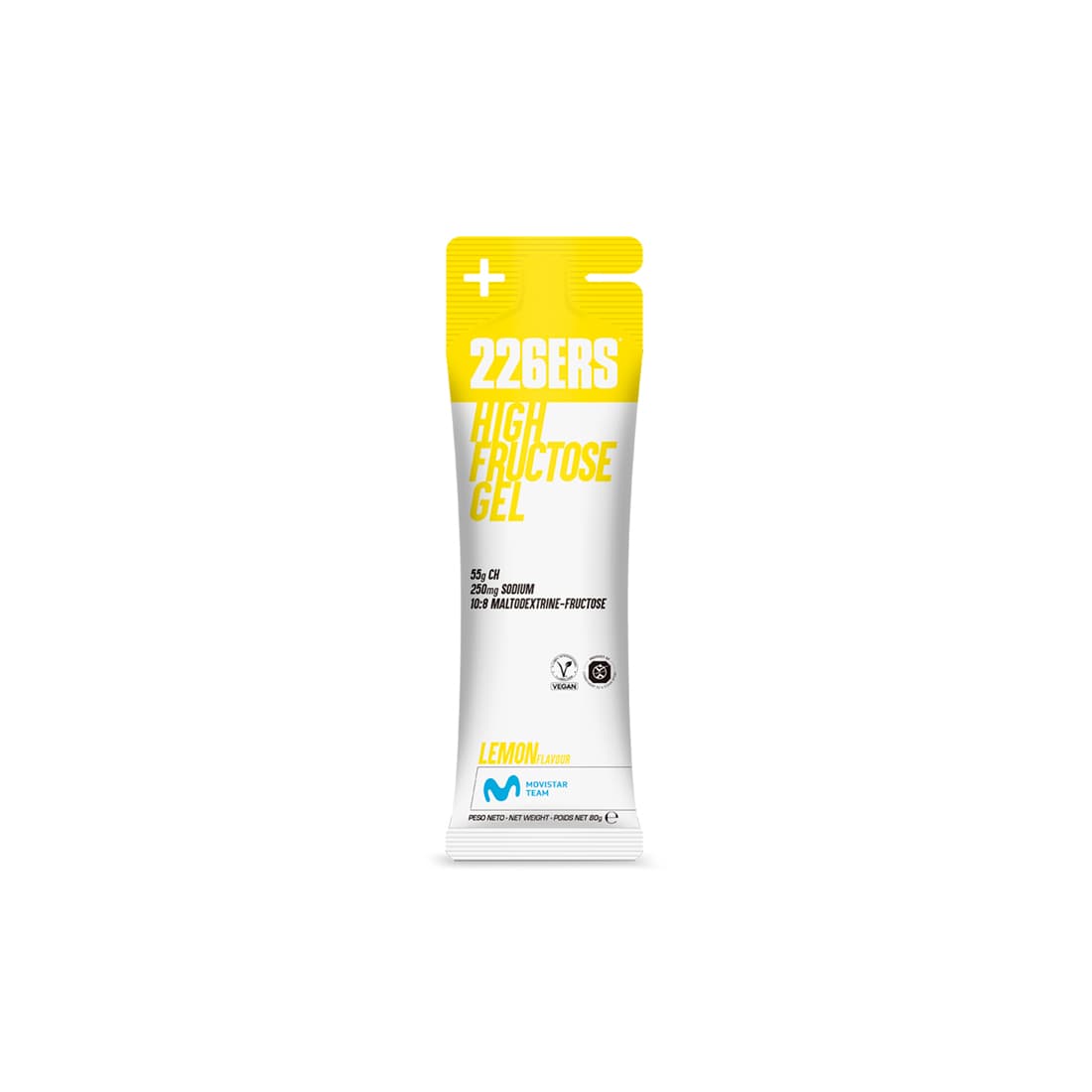
Sweat carries away not only water but sodium too. On rides longer than an hour and a half to two hours in the heat, plain water stops doing the job: it replaces volume but does not return the salts you have lost. With large volumes of plain water the opposite scenario becomes possible, where blood sodium concentration falls and you get swollen fingers, nausea and weakness. That is why long rides in the heat usually call for an isotonic drink or an electrolyte mix, with solid food and gels chosen so that they do not clash with the drink you have selected.
Steppe and sun: what a route without shade involves
The open steppe offers neither shade nor refuelling points. The sun works on you for the whole ride, the wind dries your skin, and the nearest shop may be fifty kilometres away. A route like this is planned around water rather than mileage: mark in advance where you can refill your bottles, and carry a reserve on the assumption that part of the way will have to be ridden without stops. It also makes sense to shift the start to early morning when temperatures are lower, and to keep a shorter loop option in reserve in case the heat turns out worse than forecast.
Common drinking mistakes in the heat
First: drinking only at stops, in large volumes that sit heavily in the stomach. Second: ignoring the first signs of a deficit and blaming the heaviness on fatigue. Third: taking nothing but water through four hours under the sun, with no sodium. Fourth: trying a new drink or concentration for the first time on race day, when the cost of a mistake is at its highest. Fifth: saving weight by heading out on a long route with a single bottle. All five mistakes are eliminated by one decision: plan your drinking routine before you set off and rehearse it in training exactly as you would intervals.
How to carry the drinking schedule over to race day
On the start line the schedule does not change, only the conditions do. Look up the placement of the aid stations in advance and work out whether your own bottles will last between them. If the gap is large, carry part of your fluid with you. It helps to practise grabbing a bottle on the move and transferring it into your own, so you neither lose time nor break your rhythm. Keep the drink concentration and sip frequency exactly as you have already tested them on long rides in similar weather: a race is no place to experiment with nutrition.
How to check that you drank enough
A simple post-ride check: weigh yourself before and after. Losing more than two per cent of your body mass means the schedule was too frugal. A second indicator is urine colour over the few hours after you finish, where a dark shade points to a deficit. A third sign is how hard the following day feels. If recovery is consistently worse than expected at normal volumes, the cause is often not the training load but chronic under-drinking on long rides. Data from two to three rides is usually enough to show how much fluid per hour you personally need.
The conclusion is simple: on a long ride in the heat it is the timetable that works, not thirst. Small amounts at short intervals, a bottle within quick reach, electrolytes on volumes longer than an hour and a half to two hours, and a route planned around water points. Everything else is tested in training and carried over to the race unchanged. Bottles, isotonic drinks and 226ERS nutrition for rides like these are available at spacefuel.kz, and the code DARYN10 from Daryn Konysbayev gives a 10 per cent discount.

FAQ
How much should you drink on a bike ride in the heat?
The reference point for most people in the heat is roughly 500 to 800 ml per hour, taken as small sips every 10 to 15 minutes. The exact volume depends on body mass, pace and humidity, which is why you dial it in during training.
Why should you not drink to thirst?
Thirst appears once the fluid deficit is already noticeable, while the oncoming airflow on the bike evaporates sweat quickly and masks the losses. That is why drinking to a schedule is more reliable than going by sensation.
Do you need electrolytes, or is water enough?
On rides longer than an hour and a half to two hours in the heat, plain water does not return the sodium lost in sweat. Large volumes of plain water can lower blood sodium concentration, which is why riders use an isotonic drink or an electrolyte mix.