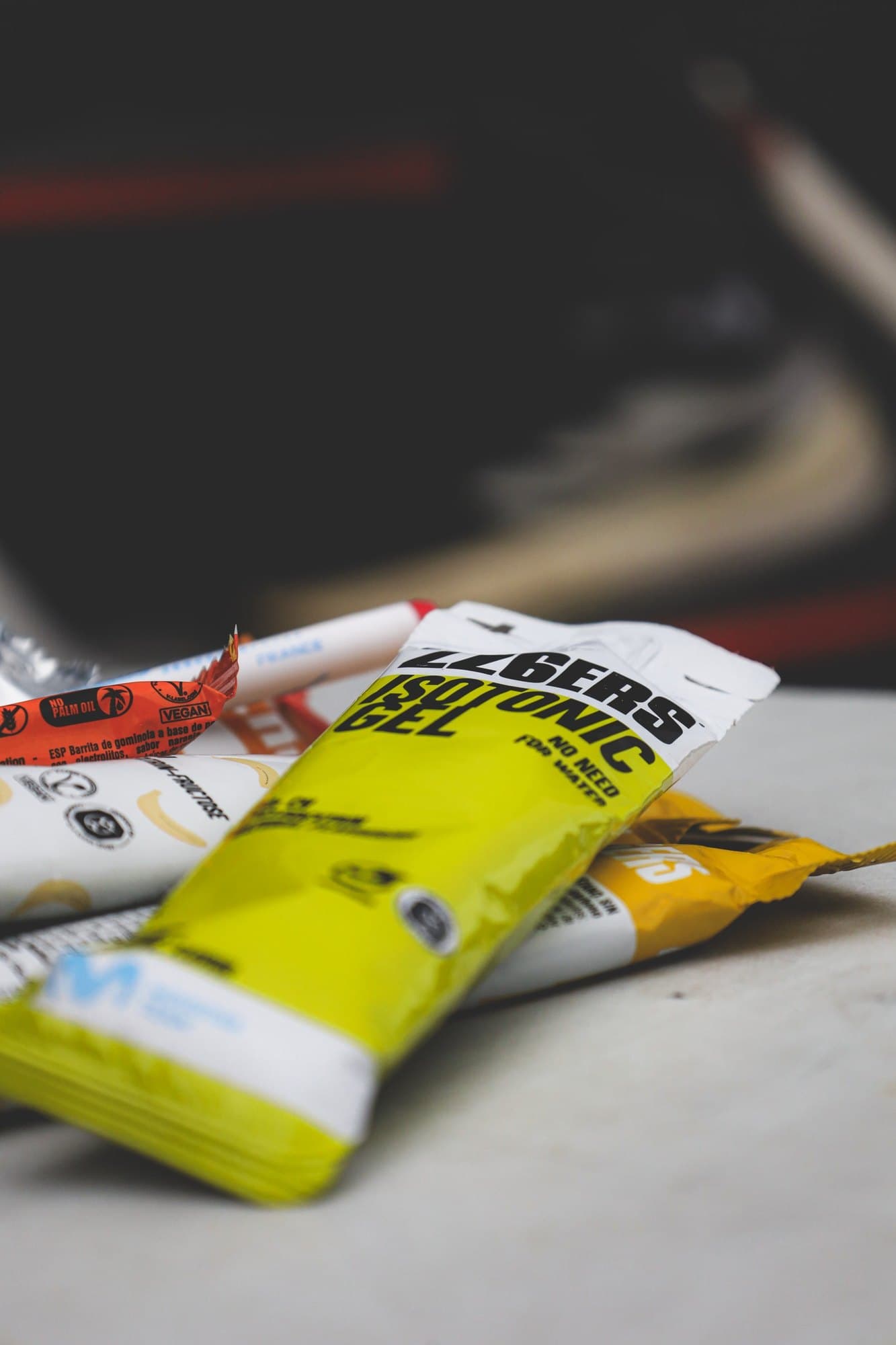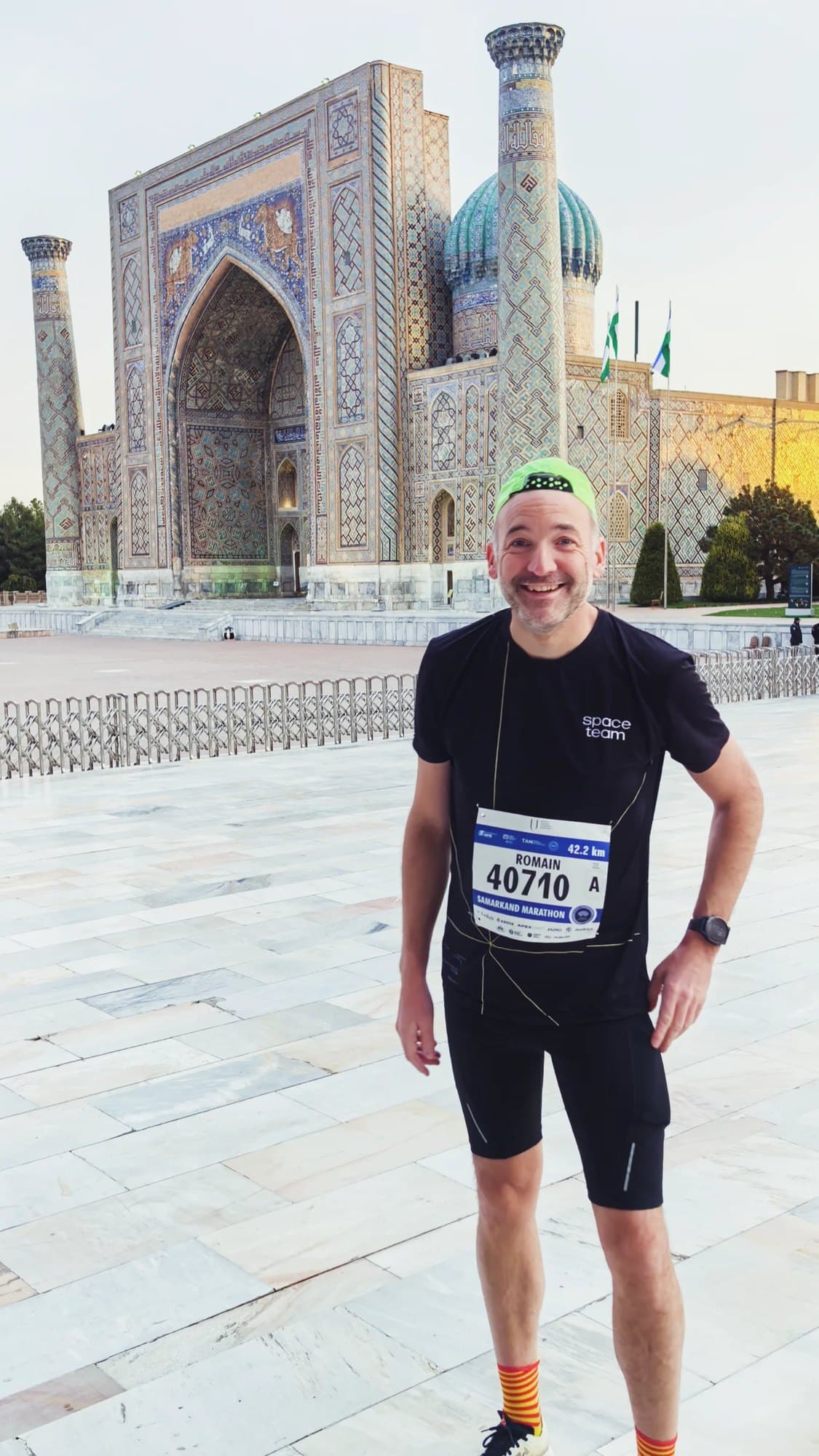
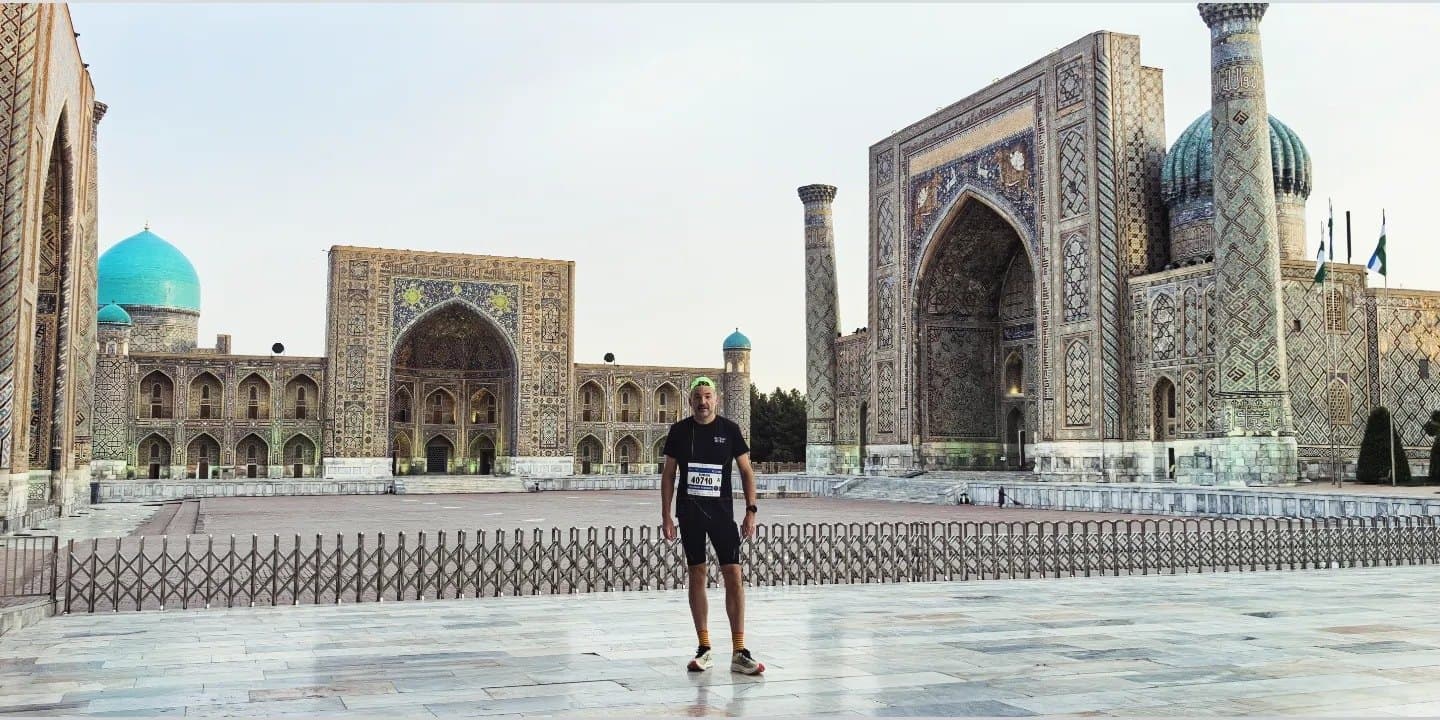
If you are preparing for a marathon and cannot work out why you should be carrying several different gels in your shorts pocket at once, this article is for you. We will look at how to combine gels during a marathon using a specific example: Romeyn from Space Team ran the Samarkand Marathon in 3:17:02 and finished seventh in their age group, and their breakdown of 226ERS products became known in November 2026. What makes the kit handy is that it brings together three different types of gel, each of which solves its own problem.
Why you need different types of gels during a marathon
Over 42 km the conditions keep changing: at the start your stomach is fresh, but absorption has not yet got up to speed; by the middle of the race you want some help holding your concentration; over the final ten kilometres the body takes anything sweet badly, yet this is when you need carbohydrates most. Using one and the same gel for all three situations works less well than a set of products that differ in composition and texture. That is why experienced marathon runners pack not “five gels” but a sequence: the ones easiest on the stomach first, then the more concentrated ones and those with caffeine.
Isotonic gel: when the water is already inside
On the course Romeyn had two Isotonic Gel “Watermelon” sachets with 22 g of carbohydrates each, with the water already in them. This is the simplest type of gel for the start: you do not need to wash it down, it does not have to coincide exactly with an aid station and its concentration barely loads the stomach. The downside is logical: it has fewer carbohydrates and more volume. That is why isotonic gels usually go into the first part of the distance and into sections where the water table is still a long way off.
A caffeine gel: why it belongs in the second half of the marathon
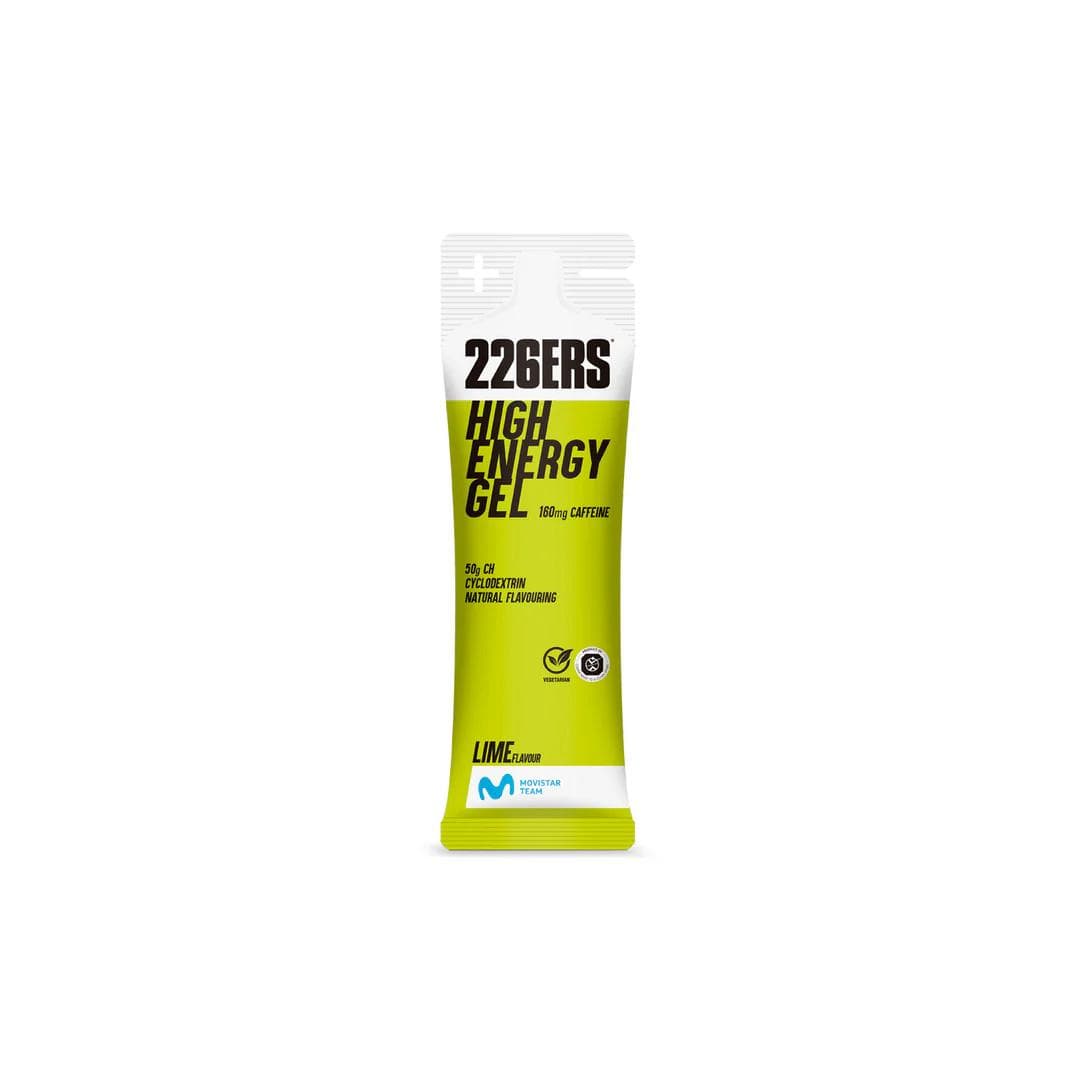
Romeyn saved two High Energy Gel “Lime”, with 50 g of carbohydrates and 160 mg of caffeine each, for the second half of the race. This is the generally accepted logic: caffeine lowers the perceived effort of the work, and you need that effect where the pace starts slipping away, that is after the 25 to 30 km mark rather than in the first kilometre. The second argument for taking it late: caffeine acts for several hours, so if you drink the whole dose at the start you will reach the finish with nothing left in reserve. Any caffeine plan is worth testing in training: sensitivity varies from person to person, and in some runners large doses cause tachycardia and stomach trouble.
High fructose: why you mix carbohydrate sources
Fifth in line came High Fructose Gel “Neutral” with 55 g of carbohydrates. The point of such products lies in the ratio of glucose to fructose: they are absorbed through different transport mechanisms in the gut, so a mixture lets you take in more carbohydrates per hour than pure glucose and causes heaviness in the stomach less often. The neutral flavour is no accident either: by the third hour of a race sweet, flavoured products often stop going down, and the most concentrated gel is easier to take if it tastes of nothing in particular.
Breakfast and the pre-race drink: 82 g of carbohydrates
Romeyn finished off race morning with a SUB9 Race Day “Lemon” drink containing 82 g of carbohydrates and 460 mg of sodium, plus a Race Day Choco Bits bar. The logic of pre-race fuelling is the same for any distance of an hour or more: you need to top up the liver glycogen spent overnight and at the same time start the race with normal sodium levels, especially if you sweat heavily. A liquid format is convenient because it goes down more easily than solid food at a nervous early breakfast, and it doubles as a drink.
How many carbohydrates per hour for a three-hour marathon
Five gels give around 200 g of carbohydrates. Across three hours of racing that is roughly 60 g per hour, the lower end of the generally accepted marathon guideline of 60 to 90 g per hour. This is an important point for runners who are afraid of “overeating on the course”: 60 g per hour is not exotic, it is the minimum at which proper marathon fuelling begins. The higher figures call for a trained stomach and a mix of glucose and fructose, so it is worth moving towards them gradually, from one race to the next.
How to spread five gels over the distance
It is more practical to plan fuelling by time rather than by kilometres: your pace at the finish is almost always slower than at the start, and the kilometre markers begin to lie. Five gels across three hours work out at roughly one gel every 30 to 35 minutes, with each one tied to an aid station where you can wash a concentrated gel down. It helps to know where the tables are on the course in advance and to write the plan on a wristband or straight onto the sachets, because at the 35th kilometre mental arithmetic stops working.
Common mistakes in a marathon fuelling plan
The first: trying a new gel on race day. Every product, including the pre-race drink, should be tested on long runs at race pace. The second: taking a concentrated gel without water where there is no water, which is exactly why isotonic formats exist. The third: forgetting about sodium, especially in the heat. The fourth: putting all the caffeine at the beginning. The fifth: counting carbohydrates “by eye”, when the grams are printed on every sachet and can be added up at home in five minutes.
Training and recovery: isotonic drink and whey protein
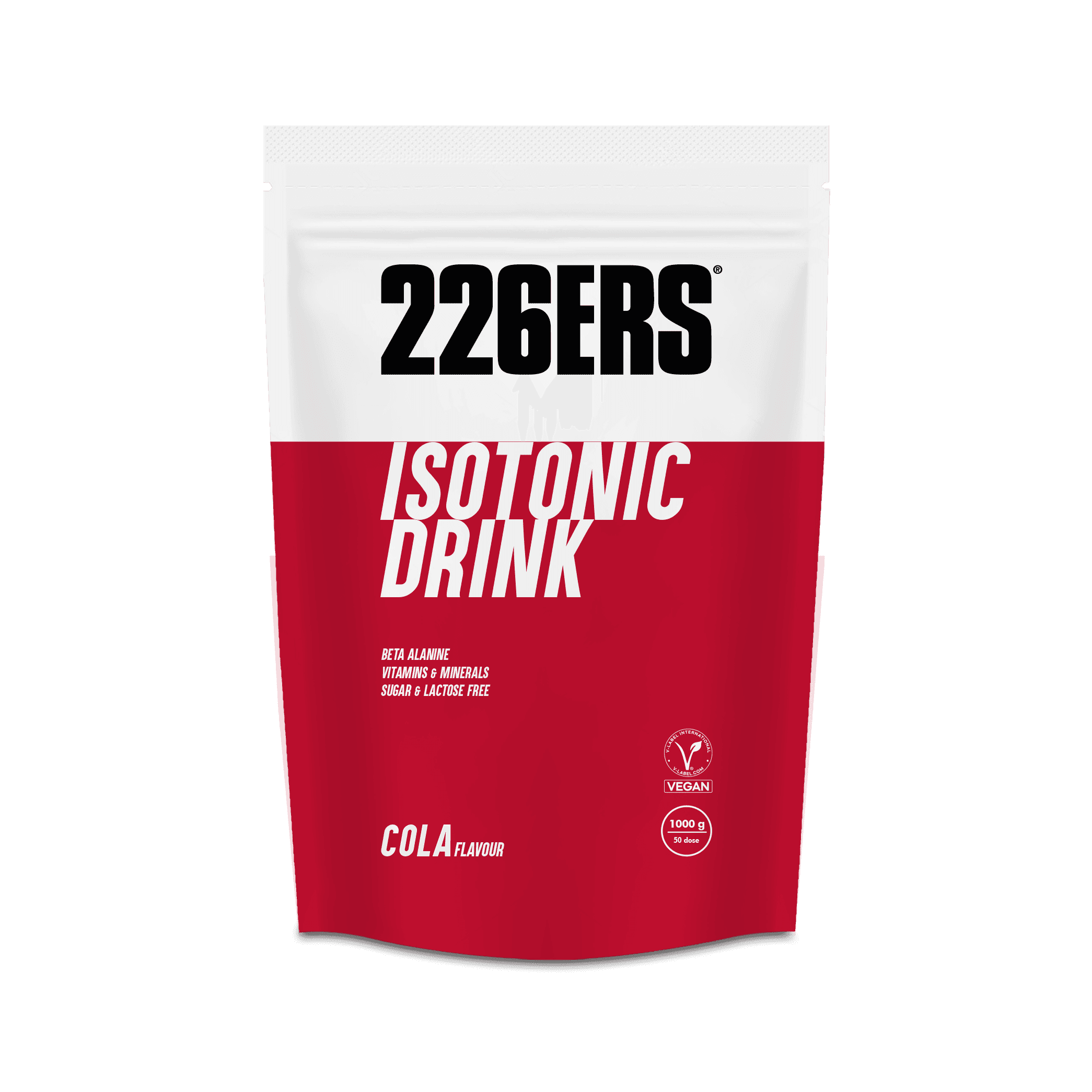
Besides the race kit, Romeyn uses Isotonic Drink “Cola” and Whey Protein “Vanilla” day to day. This split makes sense for any runner: race products are used a handful of times a season, while the everyday ones cover the mileage and recovery. An isotonic drink in training keeps up the carbohydrates and electrolytes you lose in large amounts through sweat, and a serving of whey protein after a session helps you reach your daily protein target when a proper meal straight after training is not an option.
The main conclusion from Romeyn’s plan is simple: marathon fuelling is not one favourite gel but a thought-out sequence in which every product has its own job and its own moment. Put the plan together in advance, count the grams, test it on two or three long runs, and the race stops being a lottery. The 226ERS products from this kit, including the gels, the pre-race drinks and the protein, can be chosen at spacefuel.kz.





FAQ
How many carbohydrates per hour do you need during a marathon?
The generally accepted guideline for a marathon is 60 to 90 g of carbohydrates per hour. The five gels in Romeyn’s kit give around 200 g, which is roughly 60 g per hour across three hours of racing, the lower end of that range.
When should you take a caffeine gel during a marathon?
It makes sense to keep caffeine gels for the second half of the distance, when the pace starts to slip away. Romeyn planned the two High Energy Gel “Lime” sachets for the second part of the marathon rather than for the start.
Why take different types of gels to a race?
Each type has its own job: an isotonic gel does not need washing down and suits the start of the distance, a concentrated gel with caffeine helps in the second half, and a gel with a high proportion of fructose lets you absorb more carbohydrates and goes down more easily towards the end of the race.