This article is for runners preparing for a marathon with a target time of around four hours who want to map out their fuelling in advance rather than improvising on the move at the 25 kilometre mark. Below is a protocol that works in practice: how many gels to carry, when to take the first one, where caffeine belongs, how to add salt and how to drink at the stations when it is warm on the course.
Seven gels for four hours of running
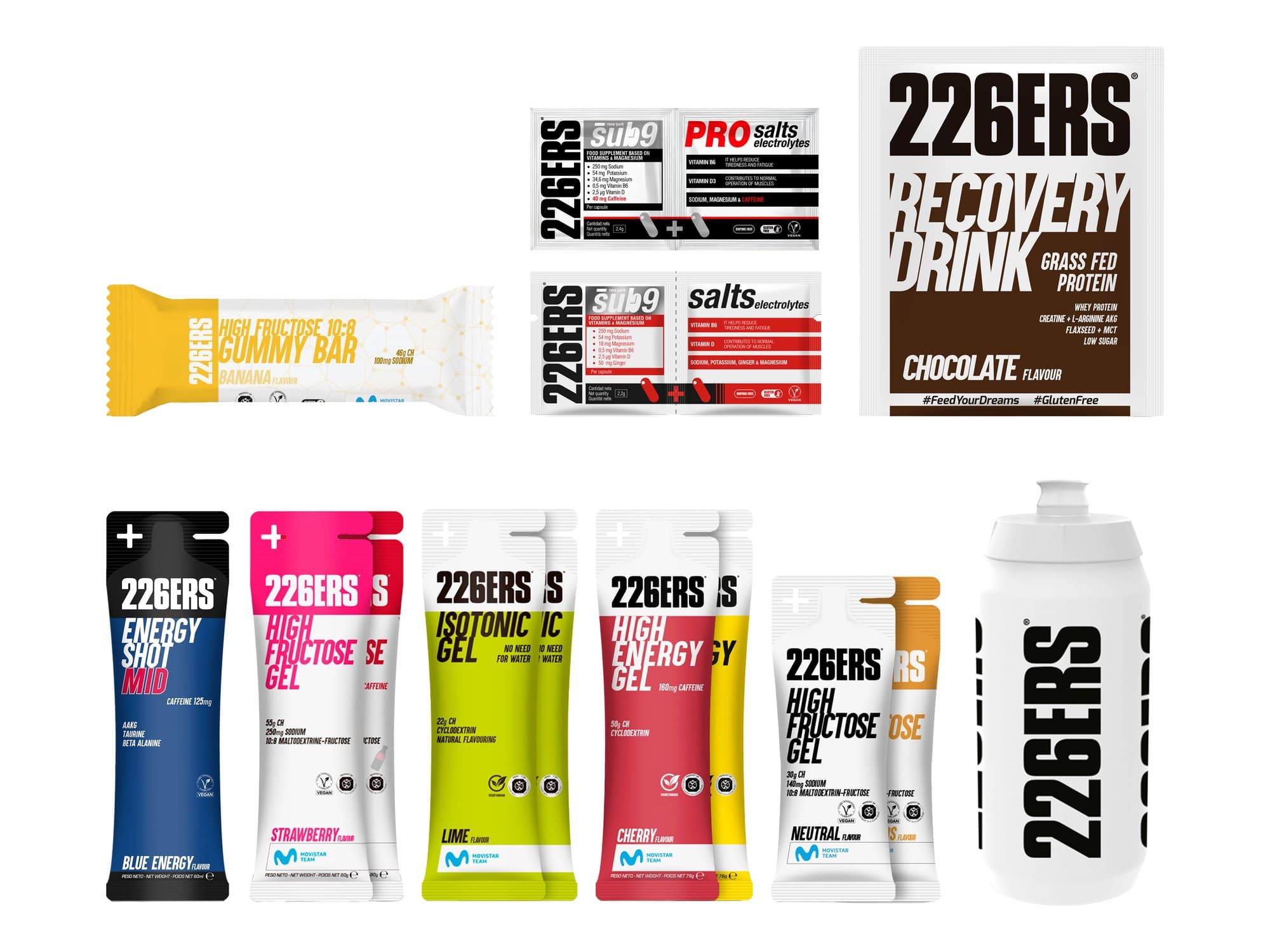
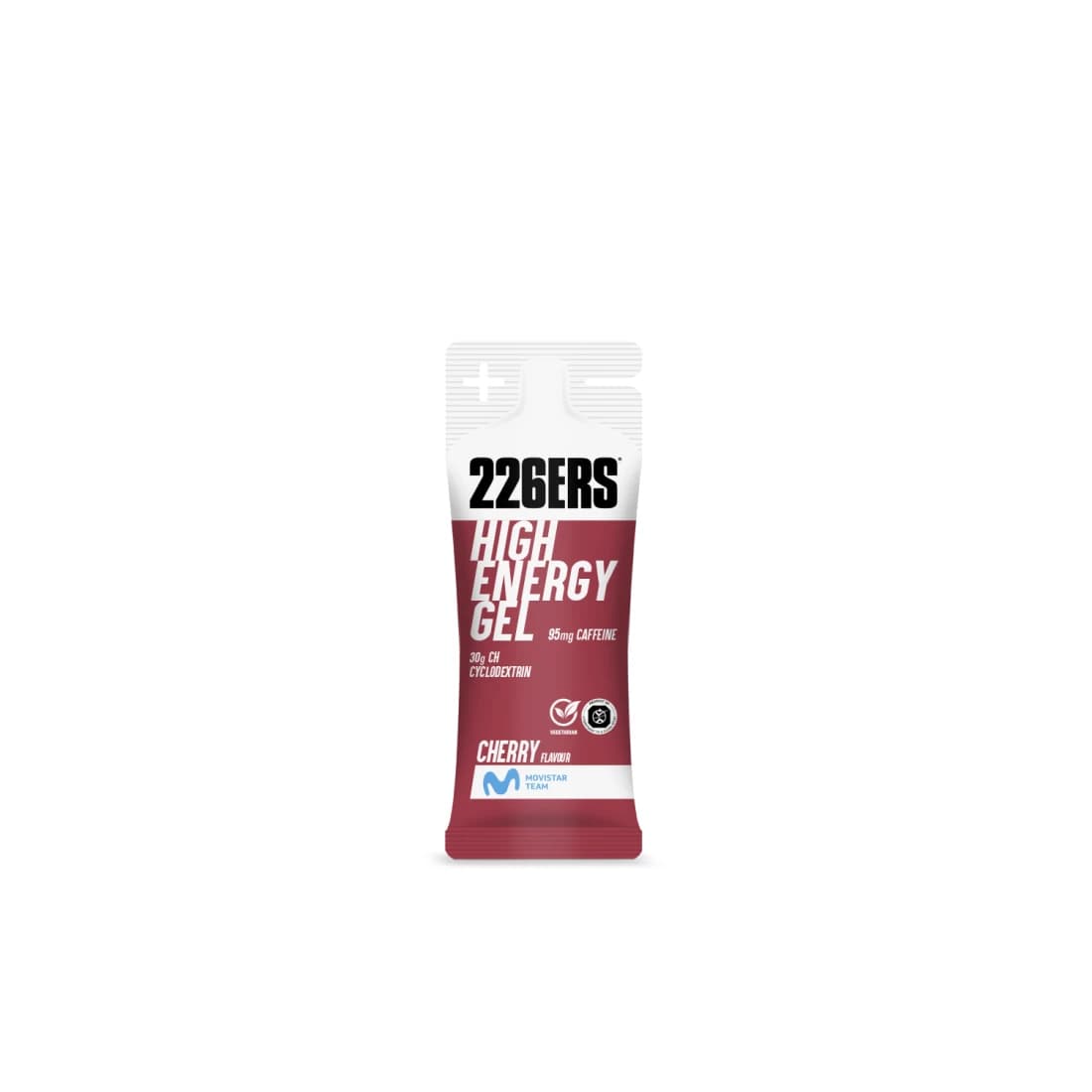
The basic plan for that kind of time is seven gels across the full distance. The first one comes at minute 40, then one every 30 to 35 minutes. The logic is simple: your stores are still ample early in the race, so the first gel is not needed at the start, yet you should not leave it too late either. A regular interval matters more than exact grams: the body copes better with small portions at even intervals than with one large one taken once things get hard.
Caffeine is saved for the closing stretch
The last two gels in the plan contain caffeine. That order is deliberate: caffeine works as a tool for the section where concentration drops and the effort starts to feel subjectively heavier, which is roughly after 30 kilometres. Take it from the first minutes and there is almost no effect left by the finish, while stomach discomfort may arrive instead.
Salt every hour, especially in the heat
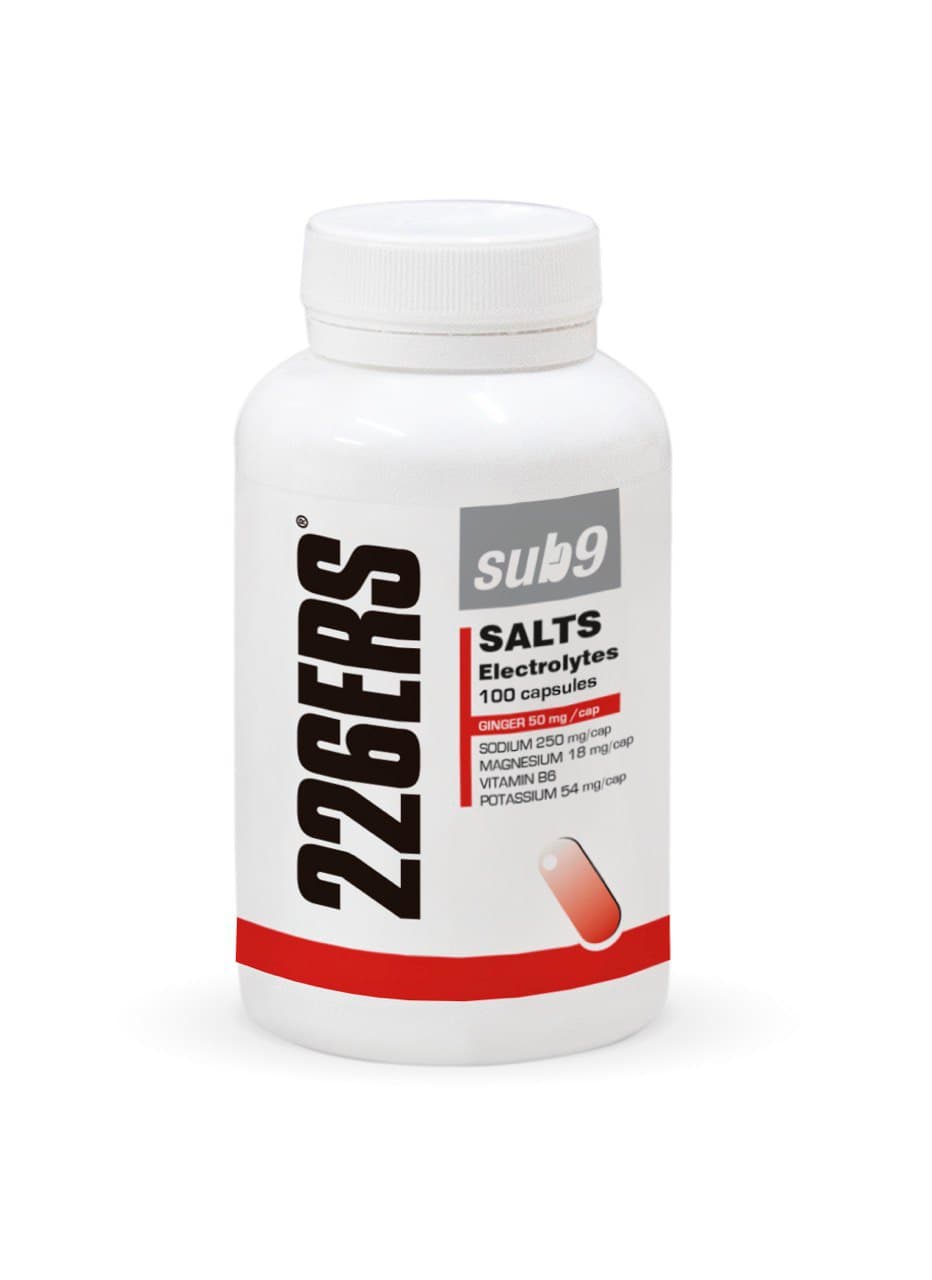
The protocol puts salt in once an hour. Turkestan is warm, and in that kind of weather sweat losses are noticeably higher: without electrolytes your drinking works less well, and the risk of cramp grows towards the end of the distance. The hourly interval is convenient because it is easy to remember once you tie it to the round numbers on your watch.
Two sips of water at every station
The drinking plan here is not about volume but about regularity: two sips at every fuelling station. This approach does not overload the stomach while you run and does not leave liquid sloshing about, yet water arrives often enough for the gels to be absorbed properly.
Breakfast and SUB9 Race Day an hour before the start
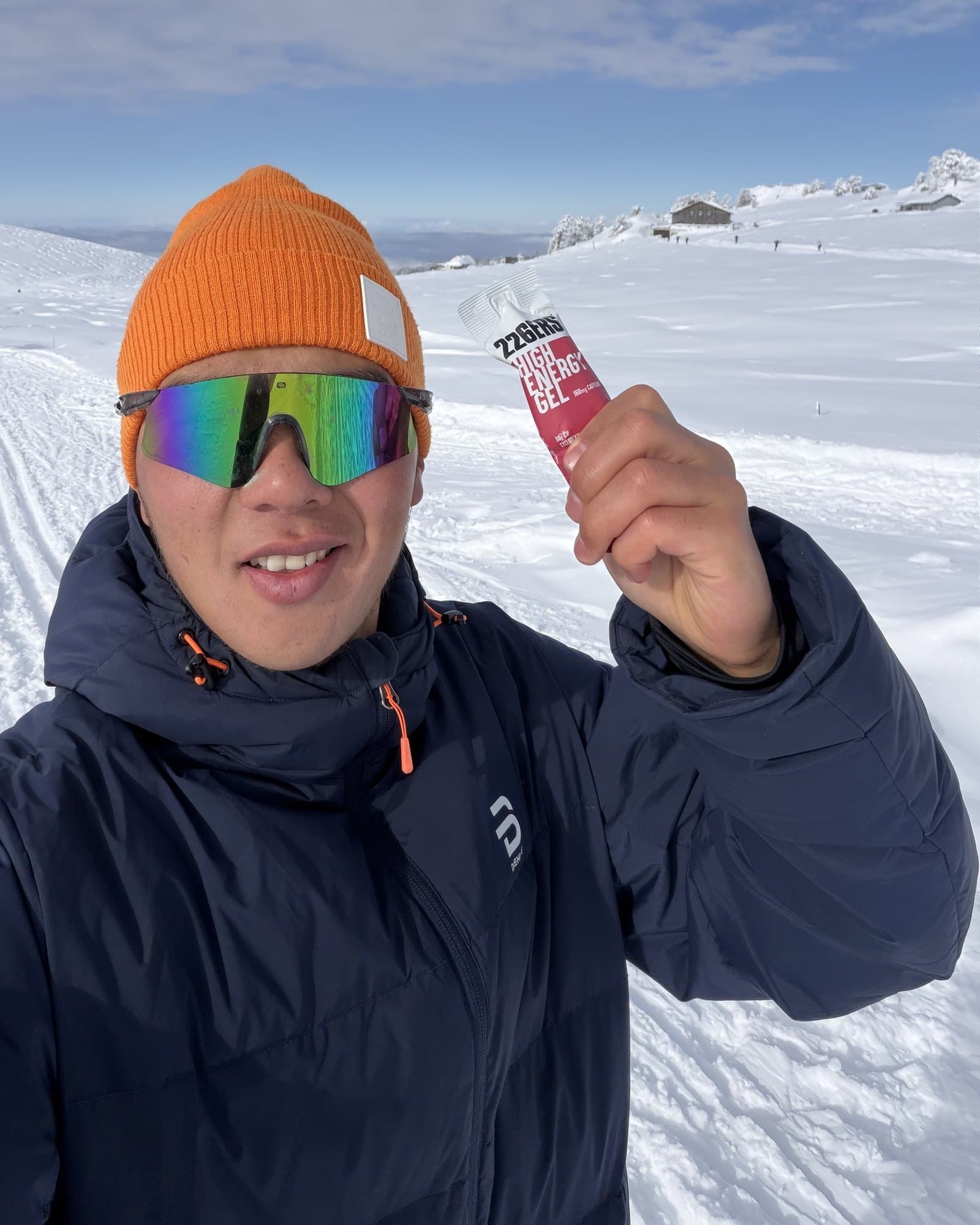
A race begins not with the gun but with your morning meal. In this protocol SUB9 Race Day is taken an hour before the start. The pre-race part matters just as much as the gels out on the course: it determines what reserves you carry into the first kilometres. SPACE FUEL works through plans like this together with athletes, including Rinat Kulygin, ambassador for 226ERS.
A different target time means recalculating the plan
The protocol above is built specifically for four hours. With a different target time both the number of gels and the intervals change: those running faster take fewer, those spending longer on the course take more. To save you doing the maths by hand, the site has a planner that builds a plan around your target time.
The key to race fuelling is not heroic doses but a schedule you have rehearsed on your long training runs. Set the protocol out minute by minute, test it in advance, and on marathon day all that is left is to follow the plan. You can calculate your own plan and choose the products to match it at spacefuel.kz.


FAQ
How many gels do you need for a four-hour marathon and when do you take the first one?
The basic scheme for this target time is seven gels for the whole distance. The first one is taken at minute 40, and after that one gel every 30–35 minutes. A regular interval matters more than exact grams: the body handles small portions at even intervals better than one large portion.
When should you take caffeinated gels during a marathon?
The last two gels in the scheme contain caffeine, so caffeine is saved for the final part of the race, roughly after 30 kilometres, where concentration drops and the perceived effort grows. If you take it from the first minutes, almost no effect is left by the finish, and stomach discomfort may come instead.
How should you drink water and take salt in a marathon in warm weather?
In this protocol salt is taken once per hour: in warm weather sweat losses are noticeably higher, without electrolytes drinking works worse, and the risk of cramps grows towards the end of the distance. Water is taken as two sips at every aid station, which does not overload the stomach and still helps the gels be absorbed.