Nutrition for a cross-country ski race calls for stricter timing than nutrition for a summer event: the race is shorter and more intense, the stomach copes less well in the cold, and there is almost no time to eat out on the course. That is why the main work is done before the starting pistol fires and immediately after the finish. A good example of this kind of plan was published on 15 November 2026 by Ilyas Isabek: three feeding points, each with its own purpose. The article will be useful for skiers as well as runners, trail runners, cyclists and triathletes, because the logic of the pre-start window is the same for everyone.
Ilyas Isabek’s scheme: three feeding points around the race
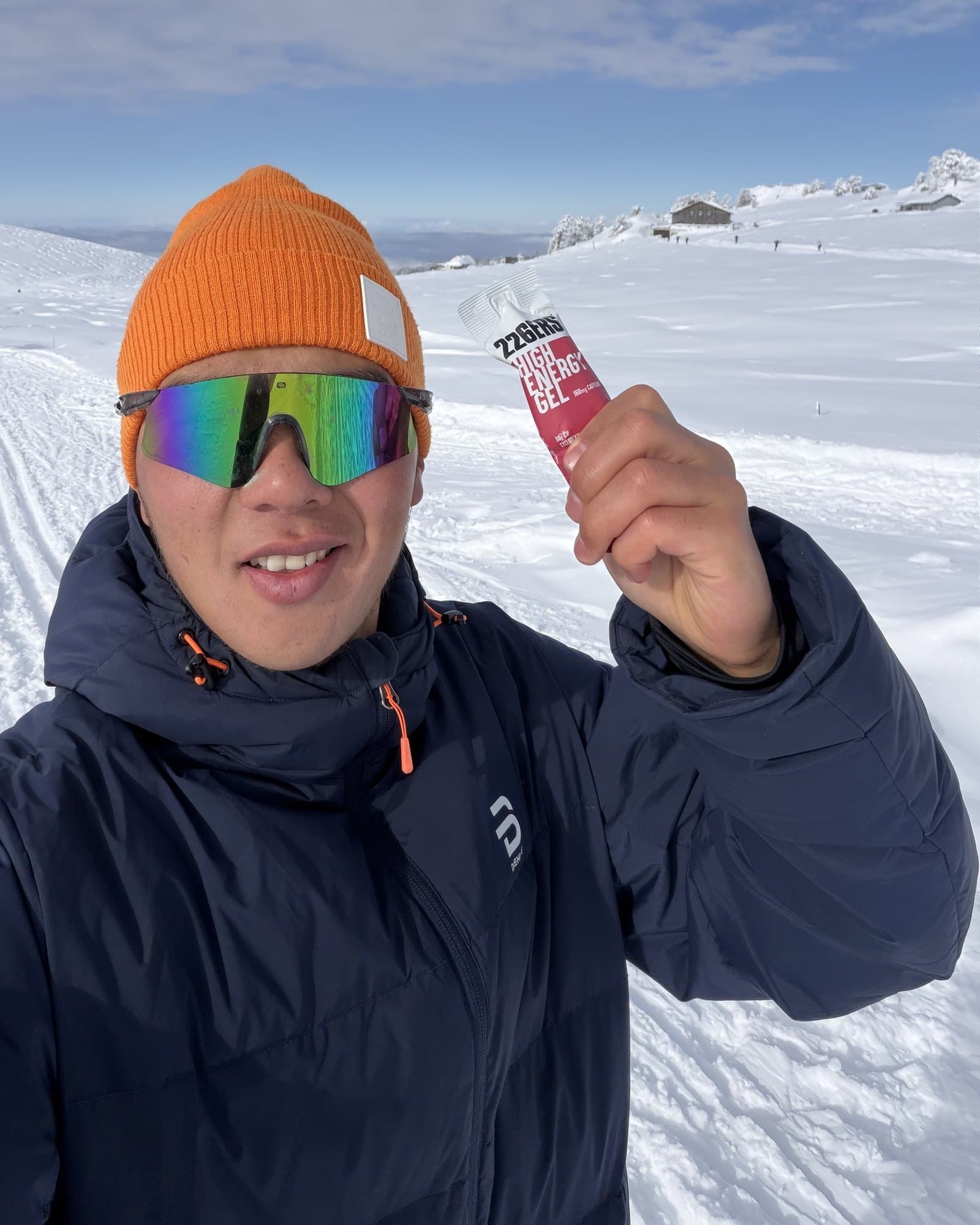
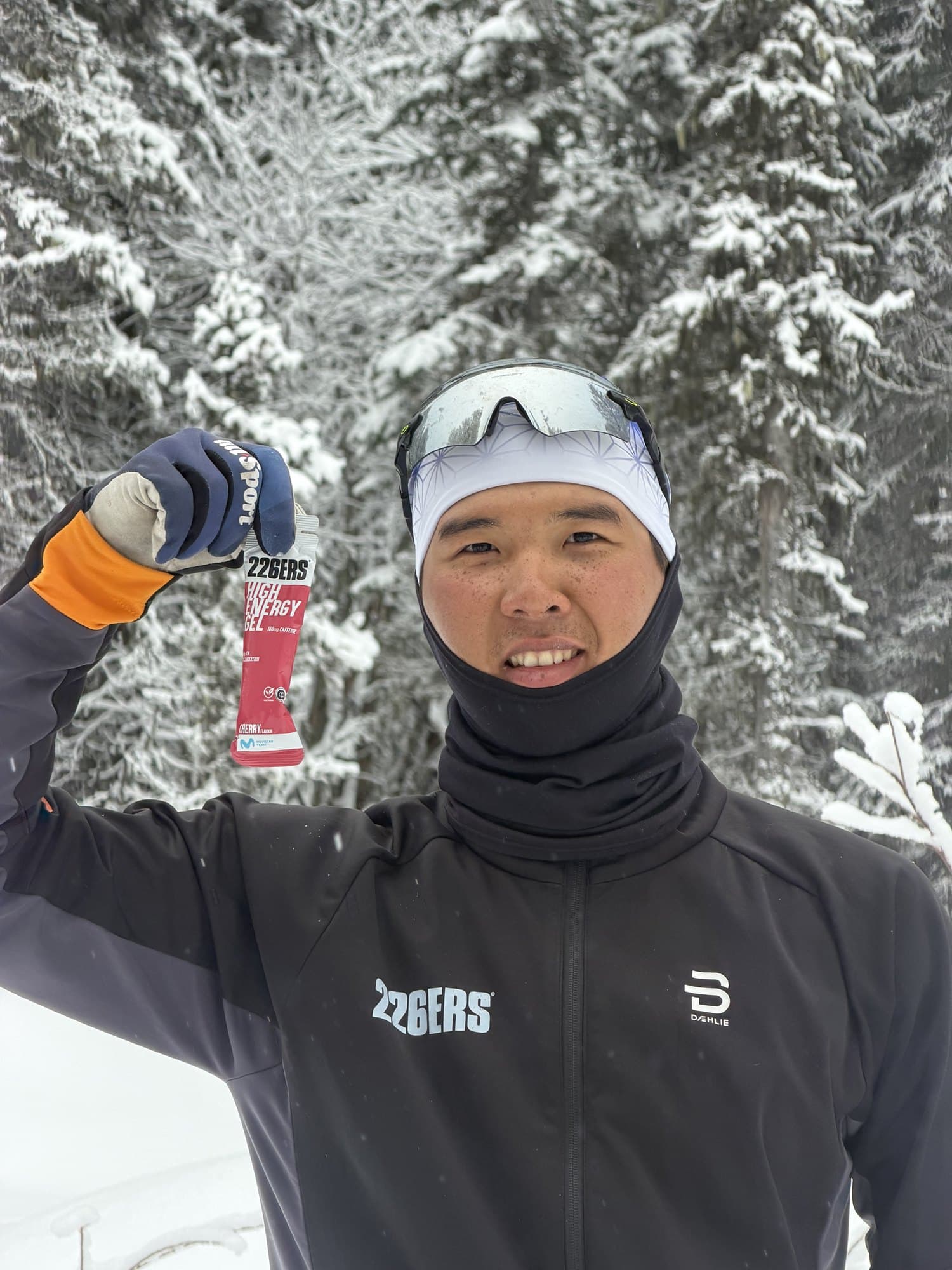
The protocol looks like this: a beetroot drink three hours before the race, High Energy Gel “Cherry” with 160 mg of caffeine 40 minutes before the start, and a Recovery Drink within the first 40 minutes after the finish. Nothing superfluous: one point works on blood flow and efficiency, the second on available energy and alertness, the third on the speed of recovery. The handy thing about this scheme is that it is easy to repeat in any logistics, even when the warm-up takes place in freezing temperatures and you have to walk to the start pen.
A beetroot drink three hours before the start: why nitrates
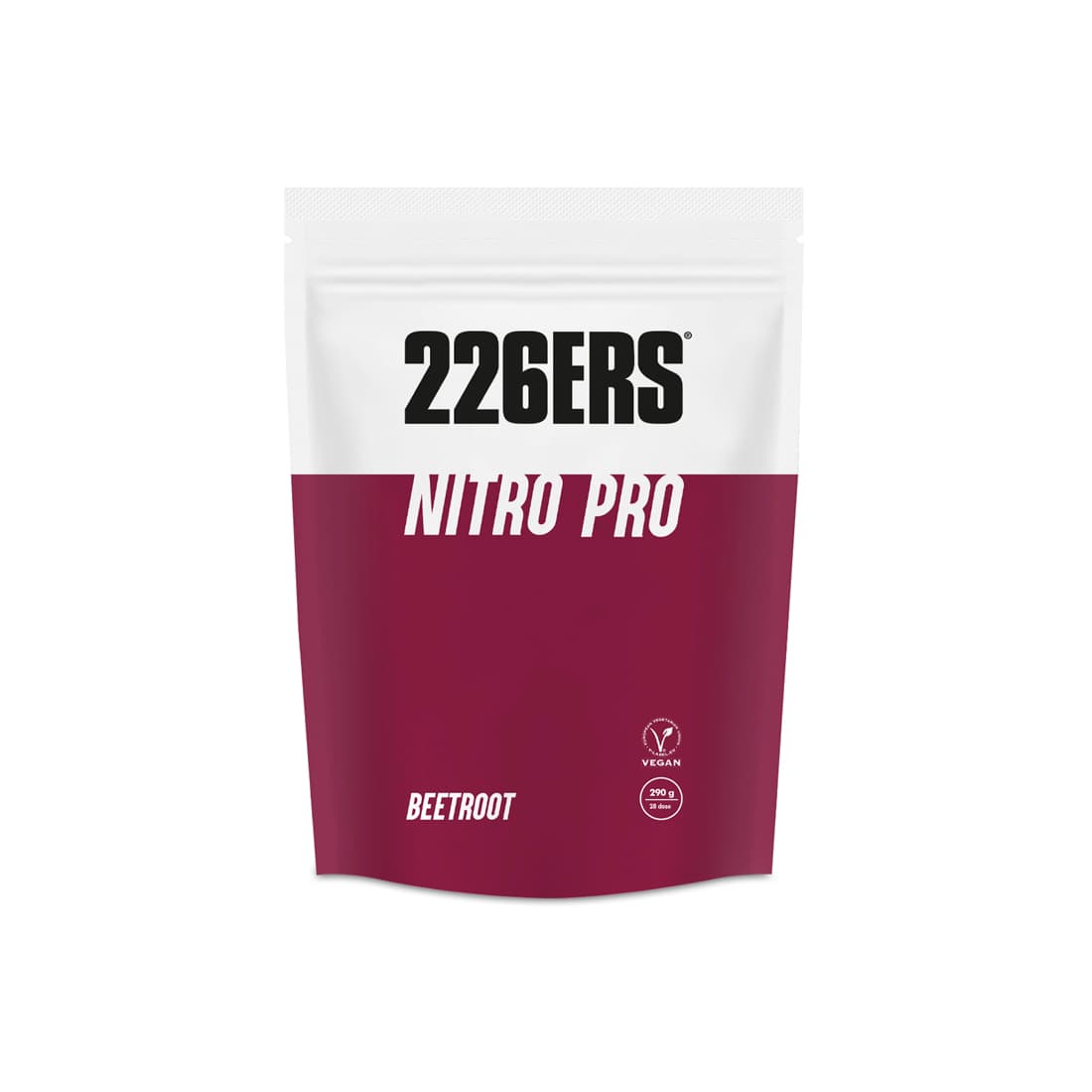
Beetroot concentrates are used in endurance sport because of their dietary nitrates: in the body these are converted into nitric oxide, which is involved in regulating vascular tone and the efficiency of muscle work. It is not a stimulant and nobody expects a “hit” from it, which is why the drink is taken well in advance rather than ten minutes before the start. The three-hour window in Ilyas’s scheme fits standard practice neatly: the drink has time to take effect, and by the warm-up the stomach is already empty.
A gel 40 minutes before the start: why this particular window
Forty minutes before the start is a compromise between two goals. On the one hand, the carbohydrates need time to leave the stomach so that you do not feel heavy during the warm-up. On the other, the caffeine has to reach a working concentration: its effect is usually noticeable half an hour after taking it and then lasts for several hours. Take the gel ten minutes before the pistol and you will begin the race with a full stomach and no caffeine effect. Take it two hours before and you will already feel hungry by the time you start.
160 mg of caffeine in a gel: how to find your own dose
160 mg of caffeine is roughly 2.5 shots of espresso, a genuinely noticeable dose, especially for anyone who normally drinks one cup a day. The High Energy range includes options with 80, 95 and 160 mg, and it makes sense to start with the smaller dose, guided by your own tolerance and body mass. Caffeine sensitivity is individual: for some it lowers the perception of effort, for others it brings tremor, a rushed first kilometre and stomach trouble. Caffeine is not intended for children or for pregnant or breastfeeding women. If the race is in the evening, remember your sleep too: caffeine clears slowly and can easily ruin the night after an event.
The composition of High Energy Gel: 50 g of carbohydrate and Cluster Dextrin
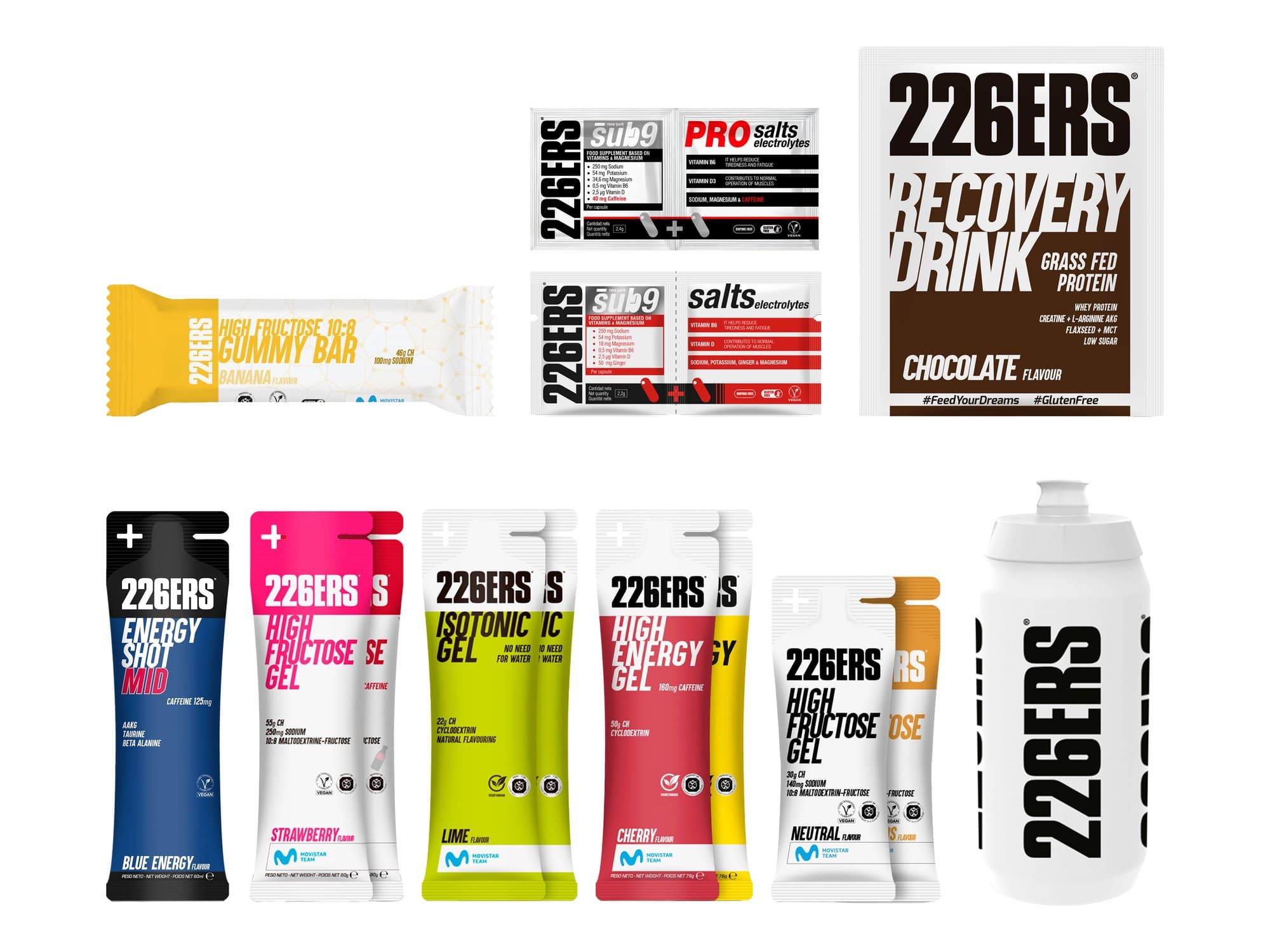
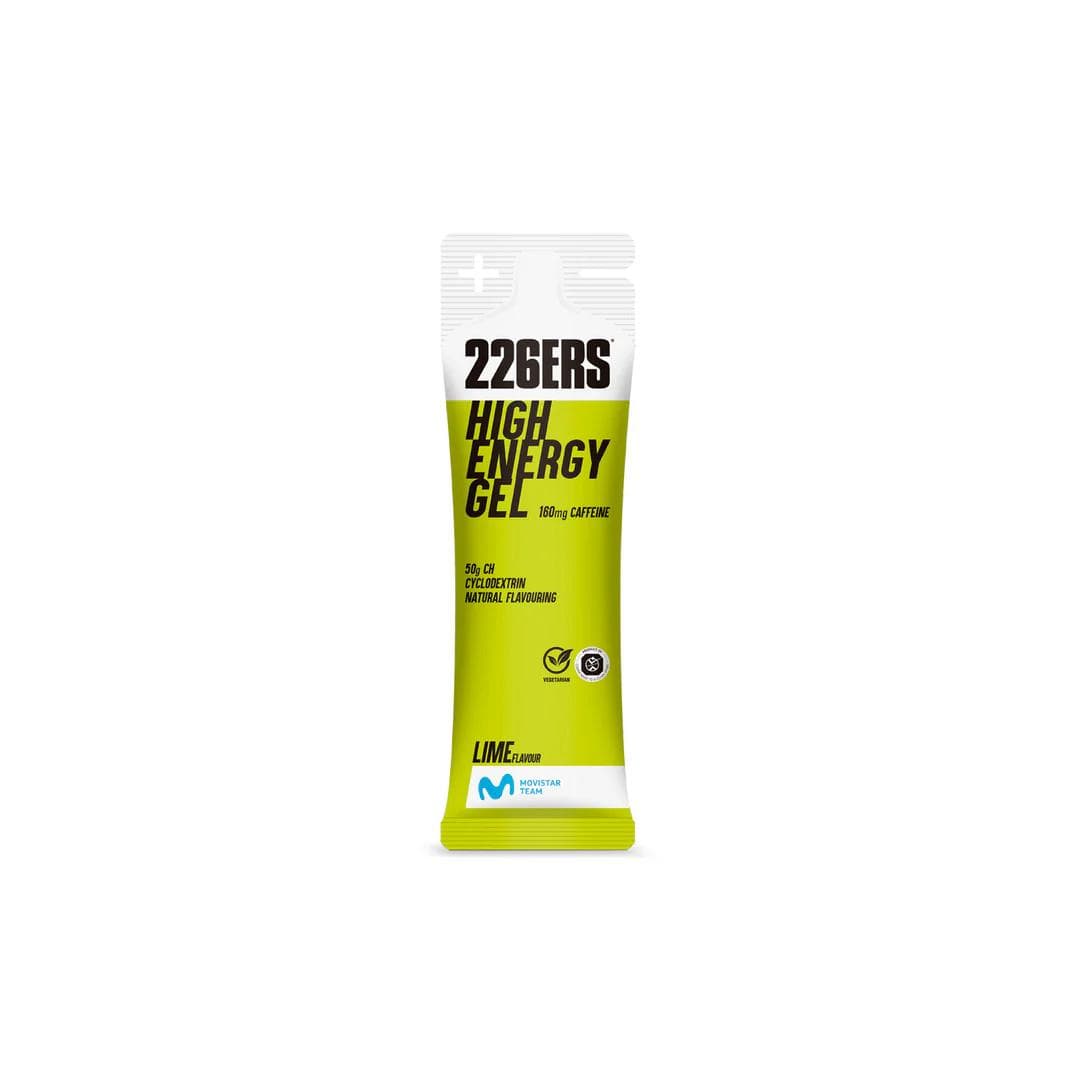
One gel contains 76 g of product: 50 g of carbohydrate, 40 mg of sodium, 160 mg of caffeine, 201 kcal, gluten free. The carbohydrate part is built from glucose syrup, maltodextrin and Cluster Dextrin. A blend of sources with different absorption rates is needed so that the energy arrives evenly rather than in a single peak. 50 g of carbohydrate is a lot for one serving, so this gel is more often used as a pre-start top-up or as the main energy point in the middle of a long effort, rather than as “one of many” small gels taken every 20 minutes.
What they eat in the peloton: 226ERS at Movistar Team and Cofidis
This gel is also used in professional road cycling: 226ERS has been an official partner of Movistar Team since 2020 and the nutrition sponsor of Cofidis since 2024. For an amateur that is no guarantee of results, but it is a useful signal: the product passes through the hands of people who eat while racing every day and are extremely fussy about texture and tolerability. The gel itself works across sports: cross-country skiing, running, trail, cycling, triathlon, plus a long day in the mountains. For those who do not need caffeine or cannot tolerate it, the range also offers “Banana”, “Lemon” and “Salted Strawberry”.
Recovery within the first 40 minutes after the finish
After an intense race the muscles are most responsive to nutrition in the first few tens of minutes, while the mechanisms for replenishing glycogen are still active. That is why the scheme places a Recovery Drink in the first 40 minutes after the finish: a combination of carbohydrate and protein covers two jobs at once, restoring stores and kick-starting the repair of muscle tissue. In cold weather this is the point people handle worst: you want to change first, get to the car and warm up. The sensible solution is to prepare a serving in advance and leave it in an insulated bag or in the car, so the drink does not freeze and stays close at hand.
Fuelling in the cold: a skier’s typical mistakes
The first mistake is keeping the gel in an outer pocket: in the cold it thickens and is hard to squeeze out. The second pocket of the race suit, or an inside jacket pocket, solves the problem. The second mistake is skipping water because you do not feel like drinking in the cold: fluid losses through breathing and sweat are still there, it is only the thirst that is dulled. The third is trying a new flavour or a new caffeine dose on the day of your main race. The fourth is taking a gel when there are five minutes to the start and no chance left to put anything right.
How to rehearse the scheme before the main event
Any pre-start protocol needs testing in a session that resembles the race in duration and intensity. Do it like this: on the day of a time trial or a tempo session, repeat the whole timing, including breakfast, the beetroot drink and the gel 40 minutes before the main part. That way you will see how the caffeine dose feels, whether the gel sits badly during the warm-up and whether the packet is easy to get out while wearing gloves. Two or three such rehearsals a few weeks before the race usually remove all the surprises.
In brief: a race nutrition plan
A workable scheme for a short, intense race is simple: nitrates well in advance, a concentrated carbohydrate gel with a caffeine dose that suits you 40 minutes before the start, and a recovery drink in the first 40 minutes after the finish. The rest comes down to rehearsals in training. High Energy Gel with 160 mg of caffeine costs 2 900 ₸, a pack of 6 gels costs 15 700 ₸, and 226ERS products along with other endurance brands are available at spacefuel.kz.
In brief: a race nutrition plan

FAQ
How many minutes before the start should you take a caffeine gel?
In Ilyas Isabek’s scheme the caffeine gel is taken 40 minutes before the start. This window lets the carbohydrates leave the stomach and gives the caffeine time to reach a working concentration.
How much caffeine is in 226ERS High Energy Gel?
The “Cherry” gel contains 160 mg of caffeine, roughly 2.5 shots of espresso. The High Energy range also includes 80 and 95 mg doses, while the “Banana”, “Lemon” and “Salted Strawberry” flavours come without caffeine.
What should you drink straight after the finish of a race?
The protocol uses a Recovery Drink in the first 40 minutes after the finish: the combination of carbohydrate and protein helps replenish glycogen stores and kick-start muscle recovery.