Sprint triathlon nutrition works differently from a marathon or full IRONMAN plan: the race fits into roughly an hour, and almost everything you have eaten and drunk has to do its job before the starting signal. The reason to come back to the topic was Ramazan Ainegov's result: on 5 November 2026 the 17-year-old Kazakhstani triathlete took bronze at the Youth Olympic Games in Dakar. This piece will be useful for juniors, their coaches and parents, and for adult age-groupers stepping onto the sprint distance for the first time after a background in running.
Dakar 2026 bronze: a photo finish and two medals
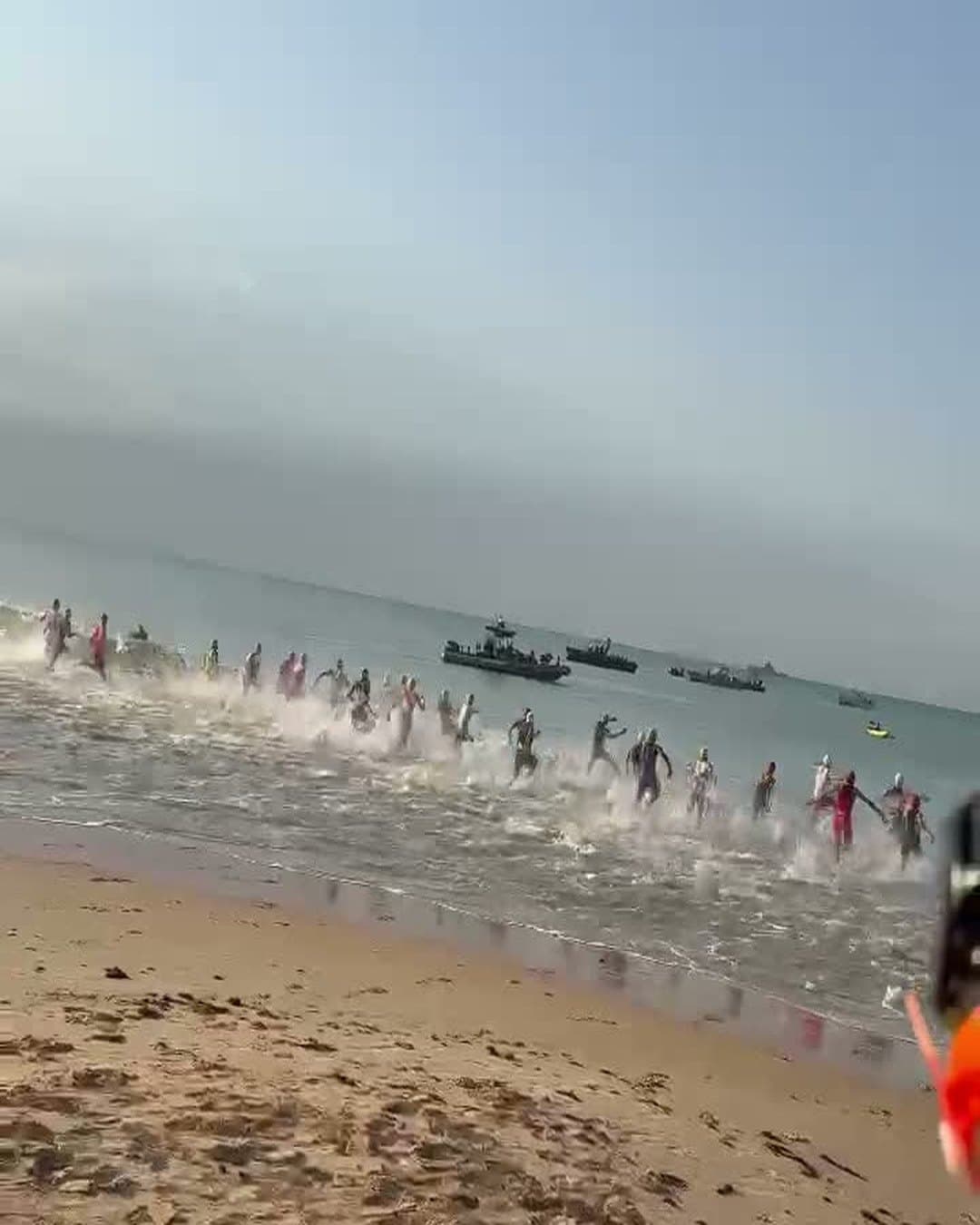
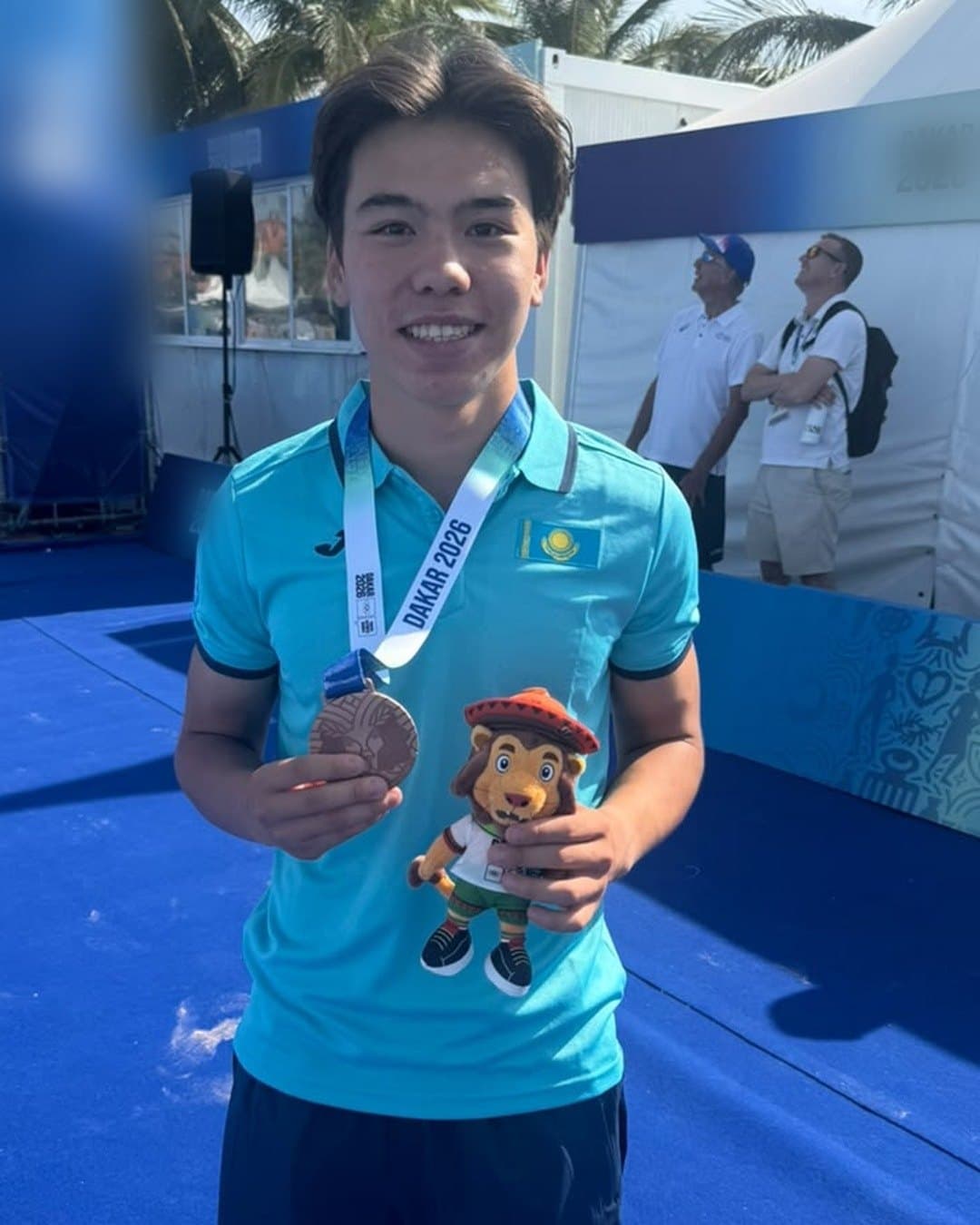
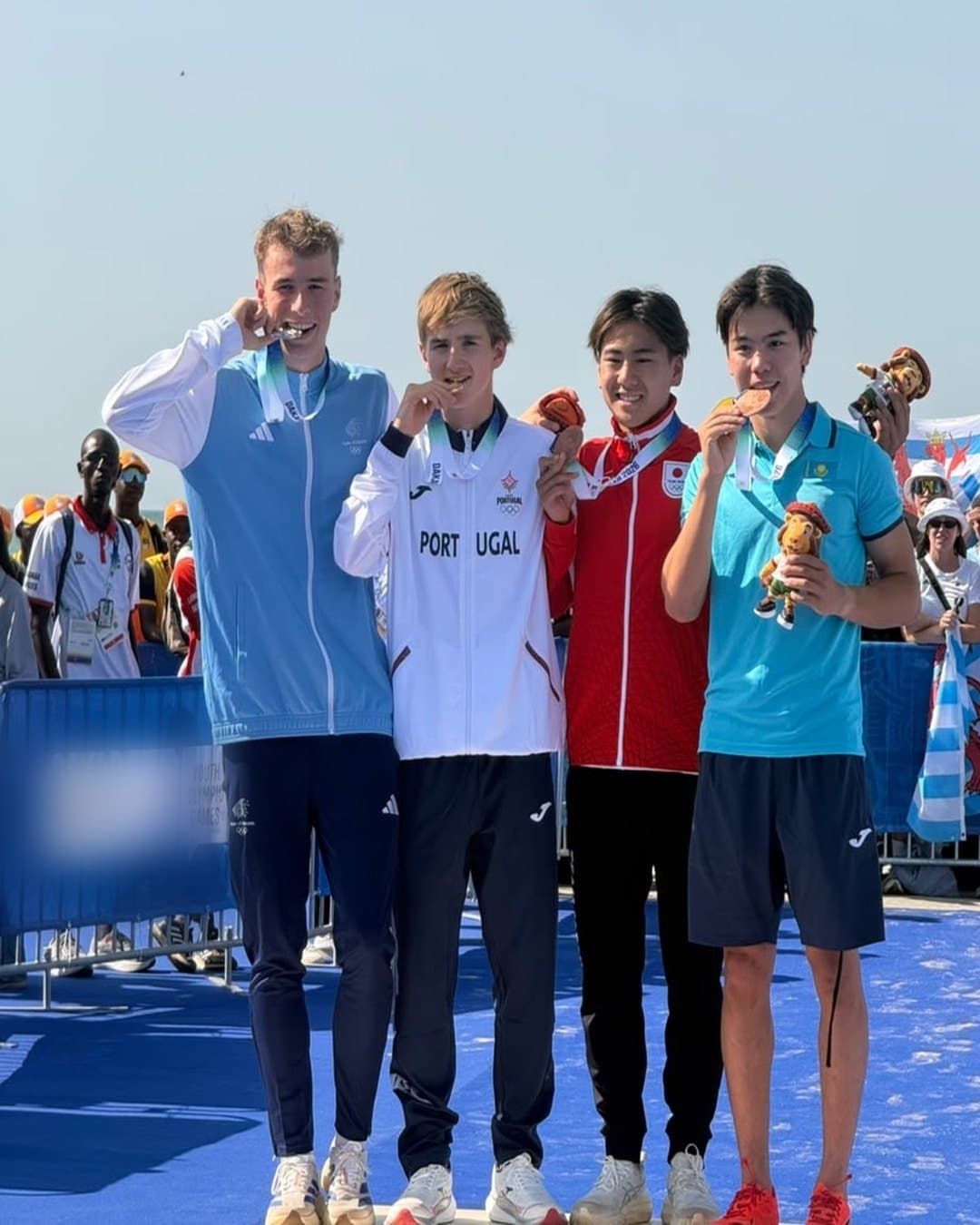
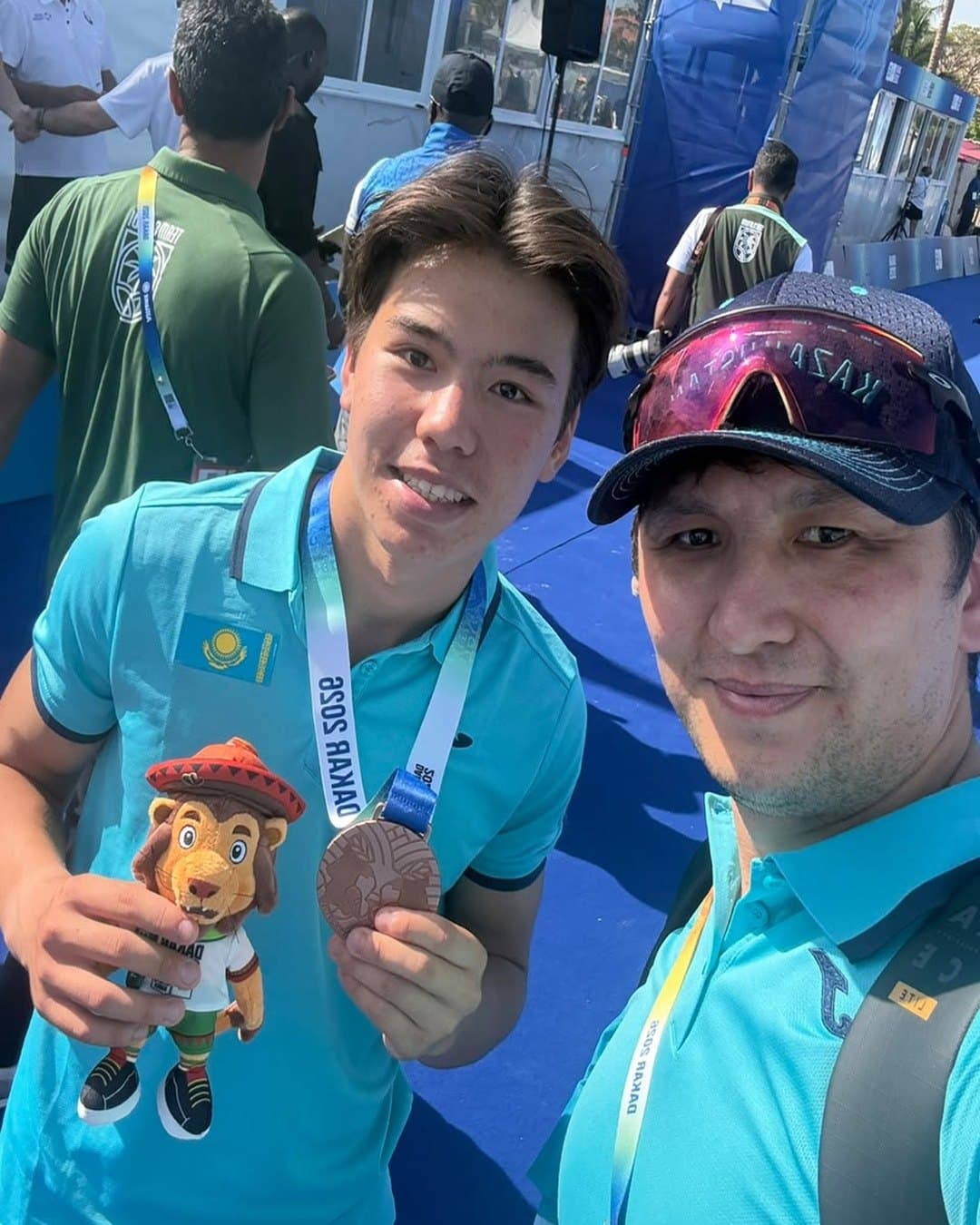
Ramazan Ainegov finished the race in 53:27, shoulder to shoulder with Japan's Daiki Nishizaki. The photo finish could not separate them, so two bronze medallists ended up on the podium. The flag of Kazakhstan was raised over Saly, where the competition was held, and the athlete's preparation was overseen by his coach Aslan. Ramazan is part of the team of athletes supported by 226ERS. For youth sport, a finish like this shows the price of details very clearly: over short distances the gap between third and fourth place is measured in moments.
Why a race shorter than an hour changes the logic of fuelling
Over a distance that lasts around 50 minutes, the glycogen stored in your muscles and liver is enough, provided you ate normally the day before and did not train yourself empty. That shifts the main work to the day before the start and to the final three hours before it. The limiting factors are not so much carbohydrate on the course as your hydration status, a calm stomach and the readiness to work close to threshold intensity from the first minutes of the swim. Overeating and overloading yourself with fuel does harm in a race like this: extra volume in the stomach makes it harder to breathe and to hold on.
Breakfast before a sprint triathlon: what to eat three hours out
The standard recommendation for short races is to finish your main meal two and a half or three hours before the start and to rely on easily digested carbohydrate with minimal fibre, fat and large amounts of protein. White bread, rice, porridge made with water, a banana, honey and a sports drink all work. Familiarity matters more than perfection: race morning is no time for a new product. If the start is very early and a full breakfast does not fit, it makes sense to split it into a small meal and liquid carbohydrate closer to the warm-up.
How to drink before a race in the heat without overdoing the water
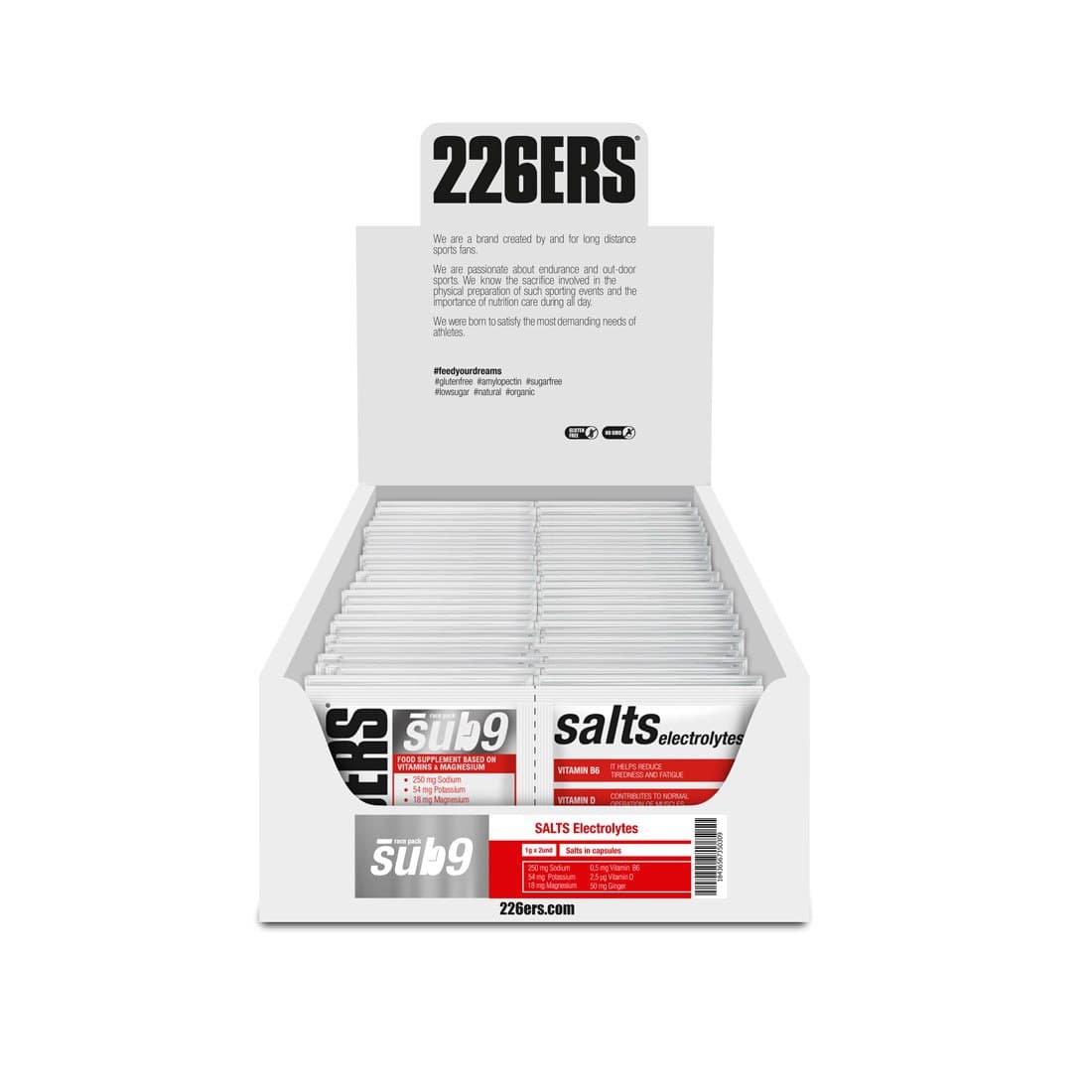
A hot, humid climate increases fluid and sodium losses before you even get into the water, during the warm-up and in transition. What works in practice: drinking small amounts on a schedule through the final hours, adding electrolytes rather than plain water alone, and using urine colour as a simple everyday marker. Drinking too much before the start does not help: it leaves you with a sloshing stomach and raises the risk of diluting your electrolytes. The aim is not to flood yourself with water but to reach the start line without a deficit.
Do you need a gel on a race that lasts about an hour
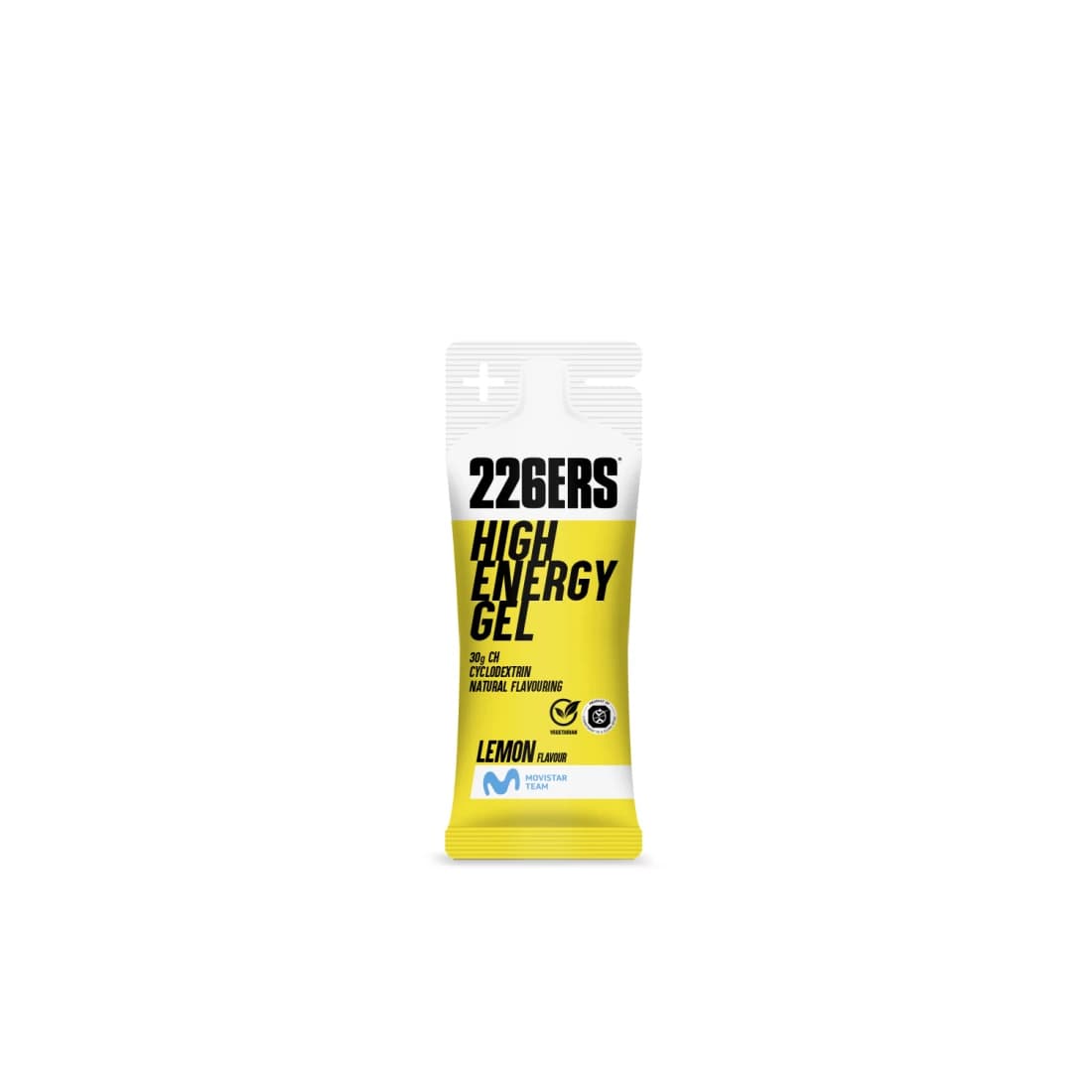
For efforts of up to an hour a large intake of carbohydrate on the course is not required, but many athletes take a small amount of carbohydrate or a sports drink a few minutes before the start, and sometimes a gel on the bike leg. The point here lies more in the signal it sends to the central nervous system and in comfort than in covering any real deficit. Caffeine in a sensible, familiar dose is also among the well-studied tools for short, intense races, but race day is not the time to try it for the first time.
Fuelling on the bike leg: the only window you have to drink
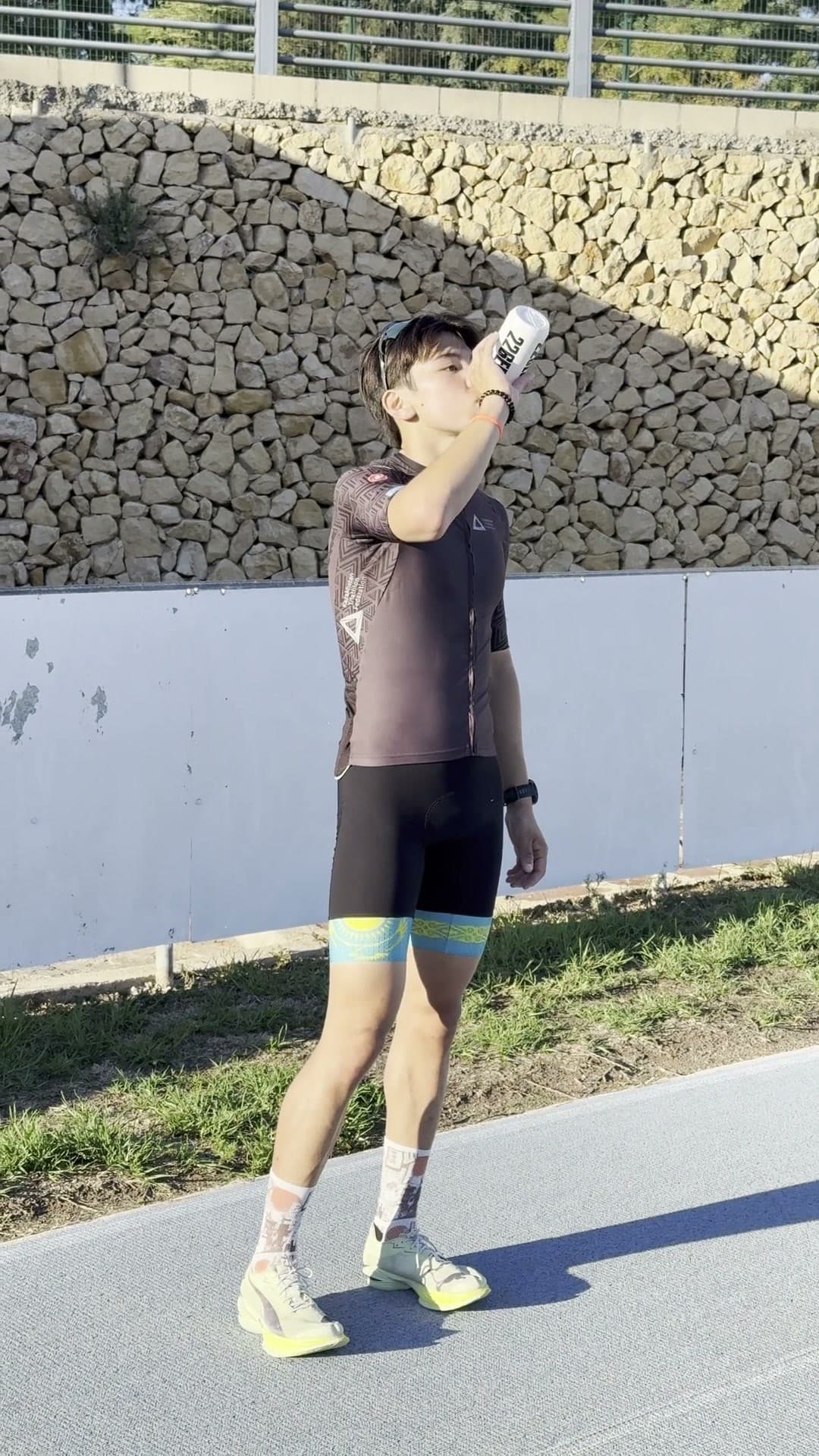
In a sprint the swim is too short and the run happens at a high heart rate, so the only section where you can realistically swallow anything is the bike. This is a skill to be trained separately: reaching for the bottle, taking a few mouthfuls and putting it back without losing your position in the group or breaking your cadence. Juniors often ride the whole distance without touching the bottle and then lose pace on the run. Practise drinking on the bike in the same conditions you will be racing in.
Typical race-day mistakes among juniors
First: a new product or a new brand on race day. Second: plenty of fibre and fatty food the day before, which all but guarantees stomach trouble at intensity. Third: too much caffeine, especially combined with nerves. Fourth: an empty or, conversely, an overly heavy transition period, when several hours pass between arriving at the venue and the start and the athlete either eats nothing at all or puts away a full lunch. Fifth: ignoring salt in the heat and during a long warm-up.

Recovery between races and on the day after
If the format of the event involves several trips onto the course or a series of back-to-back starts, recovery becomes part of the tactics. The basic algorithm is well known: in the first hour after the finish cover carbohydrate and protein, replace fluid and sodium in line with your sweat losses, then eat properly and sleep. The shorter the gap between efforts, the more important liquid forms of nutrition that do not sit in the stomach become. A full day after the race it makes sense to go back to your usual diet rather than carry on with race-week mode.
How to rehearse your plan in training
Any fuelling plan is tested not in the race but in swim-plus-bike and bike-plus-run sessions done at race intensity. Repeat the morning breakfast, the same volume of fluid and the same product on the bike leg, and write down what happened to your stomach and your pace. Three or four such rehearsals across a preparation cycle give you more than any universal table. The logistics deserve a separate rehearsal: wake-up time, the journey to the venue, the warm-up and whatever you drink while waiting for the start.
The short version
A sprint triathlon is won by training, and nutrition here works as insurance against disaster rather than a source of miraculous energy: a calm stomach, decent hydration and familiar products. Ramazan Ainegov's bronze in Dakar is a reminder of how fine the margins can be at the finish. You can choose gels, isotonic drinks and recovery drinks to suit your own distance at spacefuel.kz.




FAQ
Do you need to take gels in a sprint triathlon?
Over a distance of about an hour a large intake of carbohydrate on the course is not needed, as glycogen stores are usually sufficient. Many athletes take a small amount of carbohydrate or a drink before the start, and sometimes a gel on the bike leg, mostly for comfort and alertness.
How many hours before a sprint triathlon should you have breakfast?
The main meal is usually finished two and a half or three hours before the start, relying on easily digested carbohydrate with minimal fibre and fat. If the start is very early, it makes sense to split breakfast into a small portion of food and liquid carbohydrate closer to the warm-up.
Who took bronze in triathlon at the Dakar 2026 Youth Olympic Games?
On 5 November 2026 the 17-year-old Ramazan Ainegov won bronze with a time of 53:27. He crossed the line at the same moment as Japan's Daiki Nishizaki, the photo finish could not separate them, and two bronze medallists ended up on the podium.
Read next