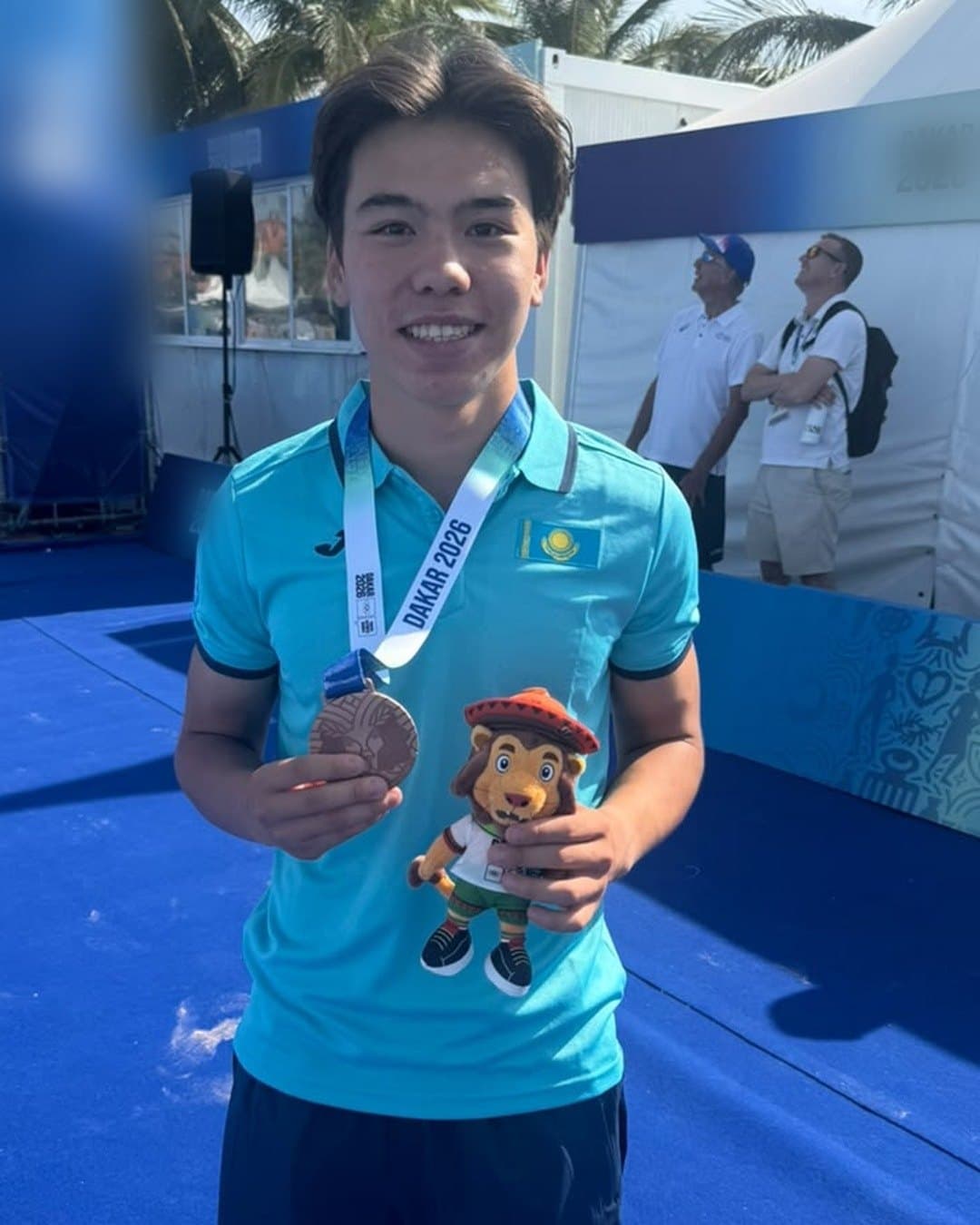
Heat acclimatisation before a triathlon matters for anyone flying from a cool autumn to a race in the tropics, and this piece is about how to build the final week of preparation: how much to drink, why electrolytes are needed, when to begin nitrate loading and what to take into the race itself. The starting point was the race on 5 November 2026 in Saly (Senegal), where 17-year-old Ramazan Ainegov took bronze in a photo finish. His preparation protocol will also be useful to runners heading for a hot marathon or half marathon: the principles are the same.
What happened in Saly on 5 November 2026
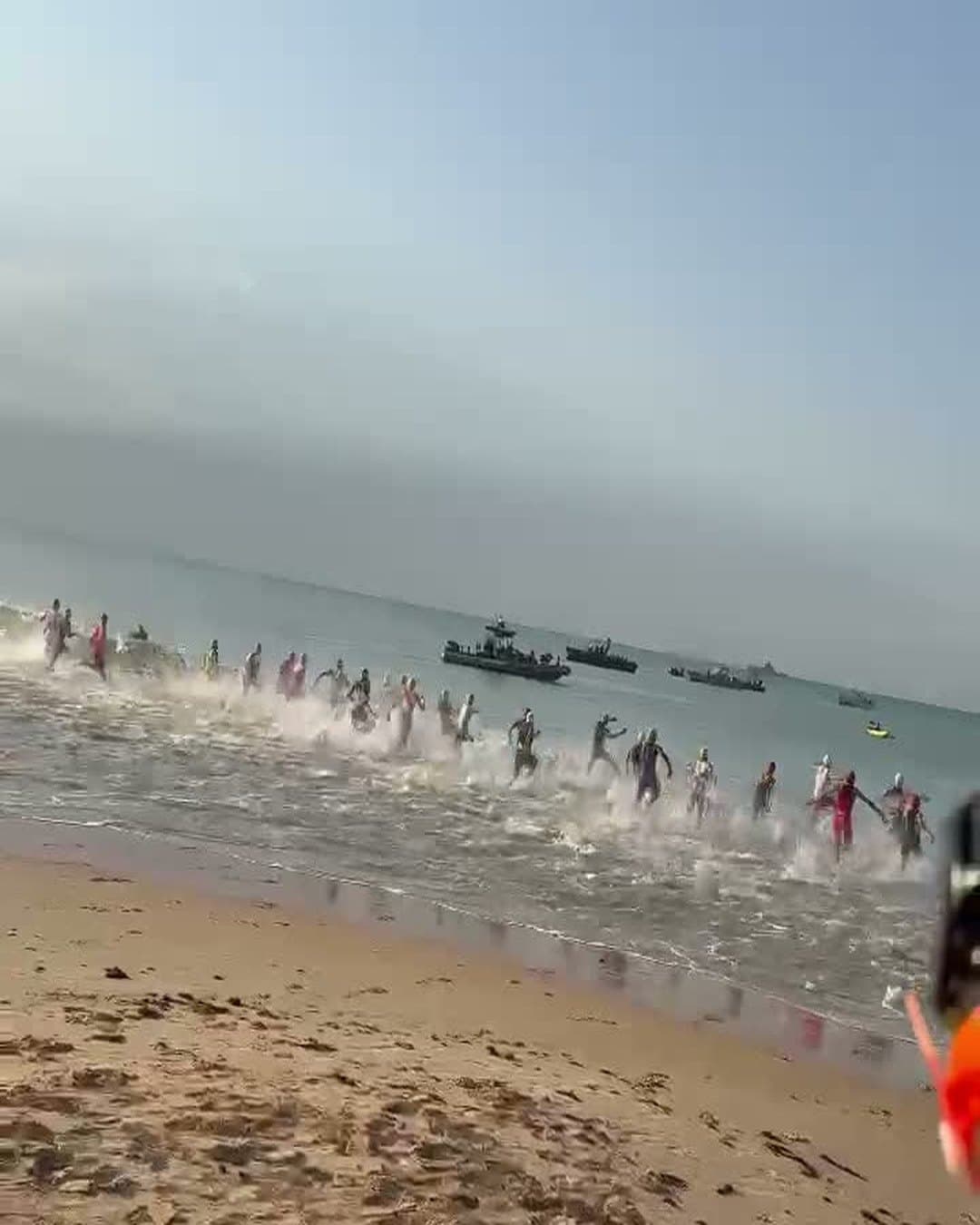
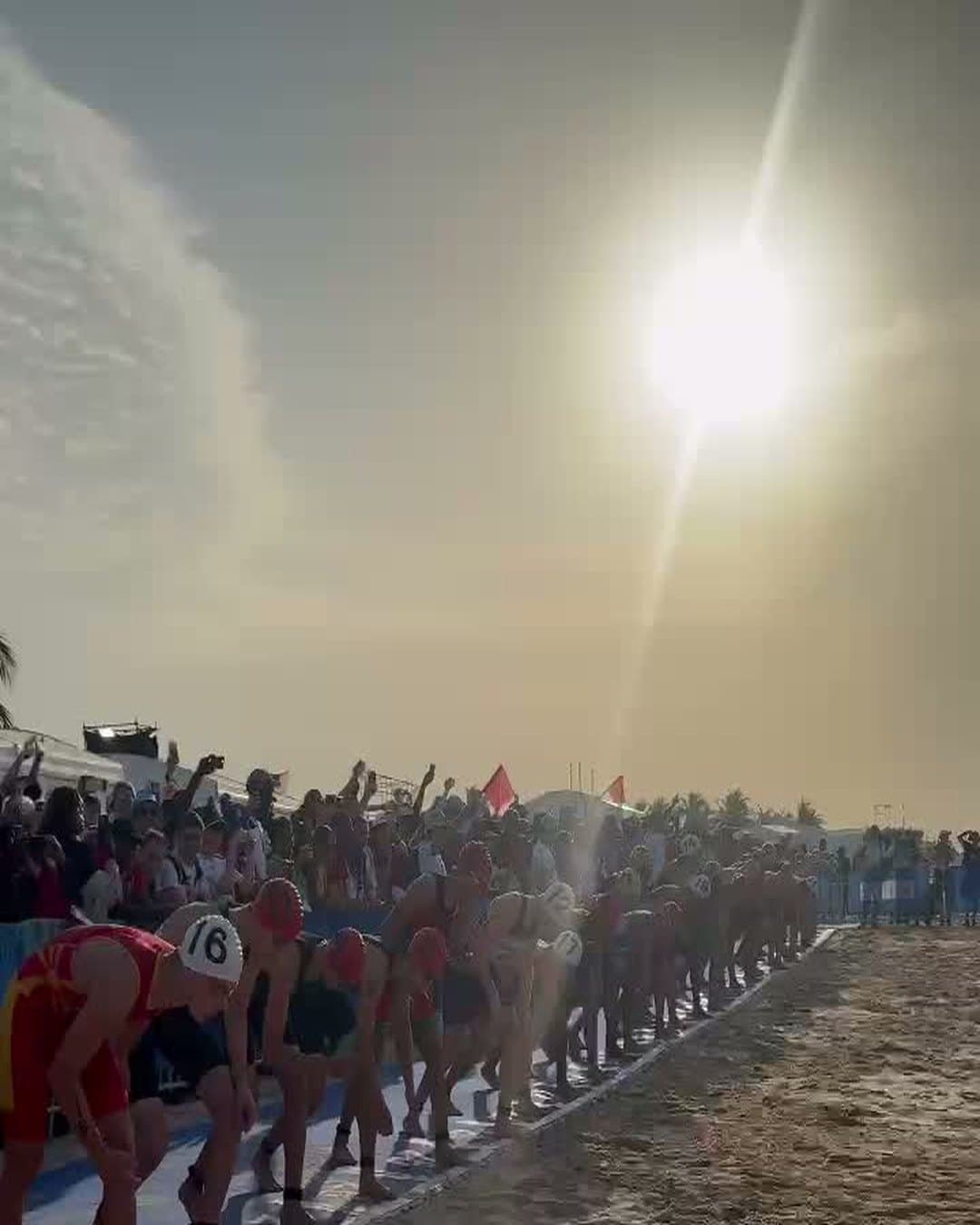
Ramazan came out of the water in fifteenth place, caught the leaders on the bike with the chase group, and on the run put seven seconds into Japan's Daiki Nishizaki. At the 4.1 km mark his rival was alongside him again. Both covered the last 900 metres in 3:02, the fastest segment of the whole race. They finished shoulder to shoulder on the same time of 53:27, the photo finish could not separate them, and both were awarded bronze. Ramazan also posted the third fastest run of the race, 15:55, and the second fastest T1.
A week of heat acclimatisation: what happens to the body
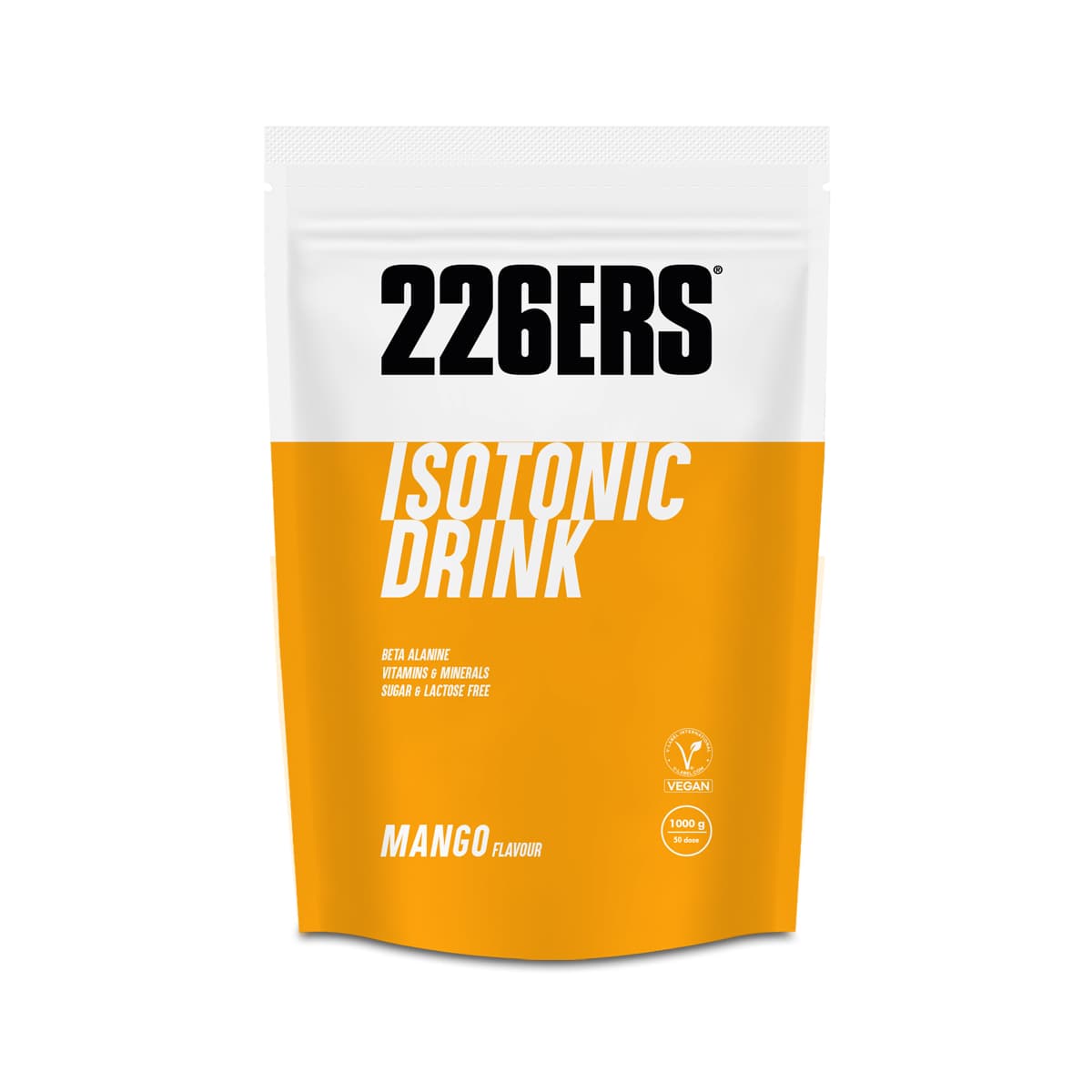
In the week before the race Ramazan trained in the heat and drank 500 to 700 ml of isotonic drink and electrolytes a day. This is the classic approach: the body needs time to adjust to high temperatures. With regular work in the heat, plasma volume increases, sweating starts earlier and becomes more profuse, and the sodium concentration in sweat falls. Heart rate at the same pace gradually drops and the effort feels easier. That adjustment usually takes one to two weeks, so flying in a day before a hot race and hoping for the best is not a plan.
Electrolytes in the heat: why you need sodium, not just water
In the heat, sweat carries away not only fluid but also salt, above all sodium. If you replace it with plain water alone, the sodium concentration in the blood falls, and heaviness, nausea and sometimes puffy fingers follow. That is why during the acclimatisation week it makes sense to drink an electrolyte drink rather than water, and to do it on a schedule rather than by thirst: in the heat the sense of thirst lags behind. A handy guide: weigh yourself before and after a long session and replace the lost weight with salty fluid over the following few hours.
Nitrate loading: why beetroot starts several days out
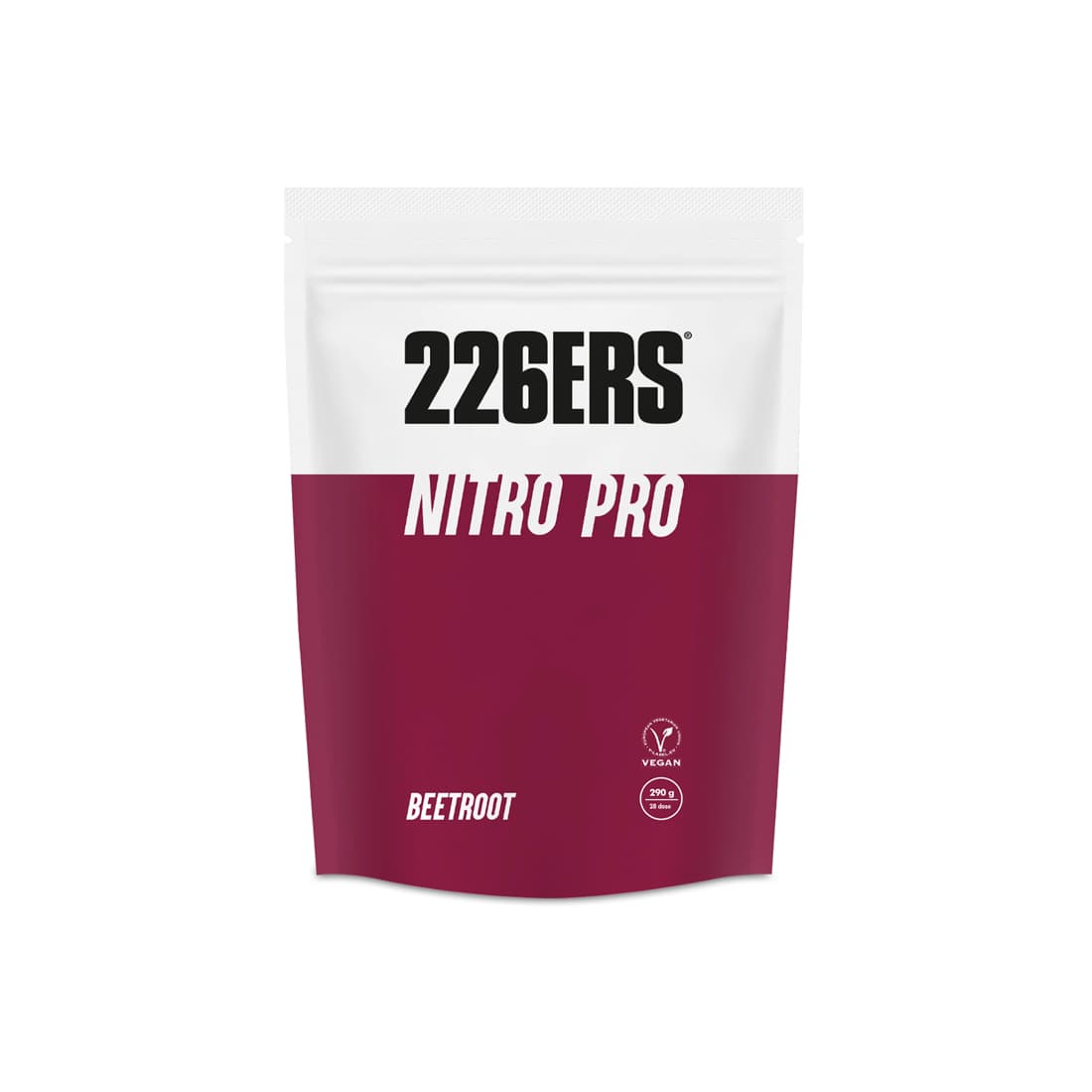
Five days before the race, beetroot and 226ERS Nitro Pro loading appeared in the protocol. Nitrates from beetroot are converted in the body into nitric oxide, which is involved in regulating blood vessel tone and the efficiency of muscle work. The key point is that this is loading rather than a single serving: the effect builds up with daily intake over several days before the race. A single dose an hour before the start works less well than a course, so it needs to be planned in advance, along with the rest of the pre-race logistics.
A sodium gel before the start: why eat it 15 minutes out
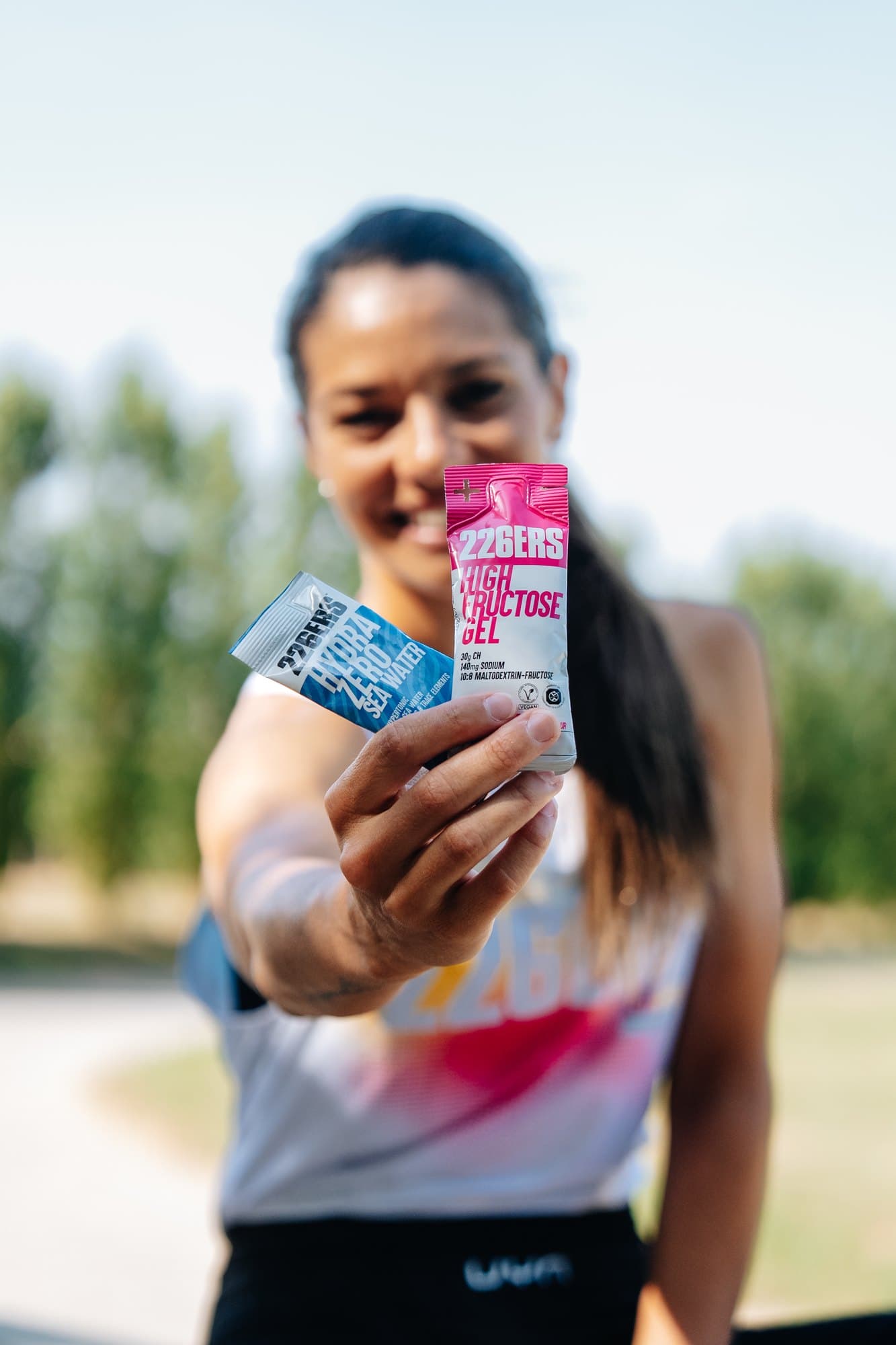
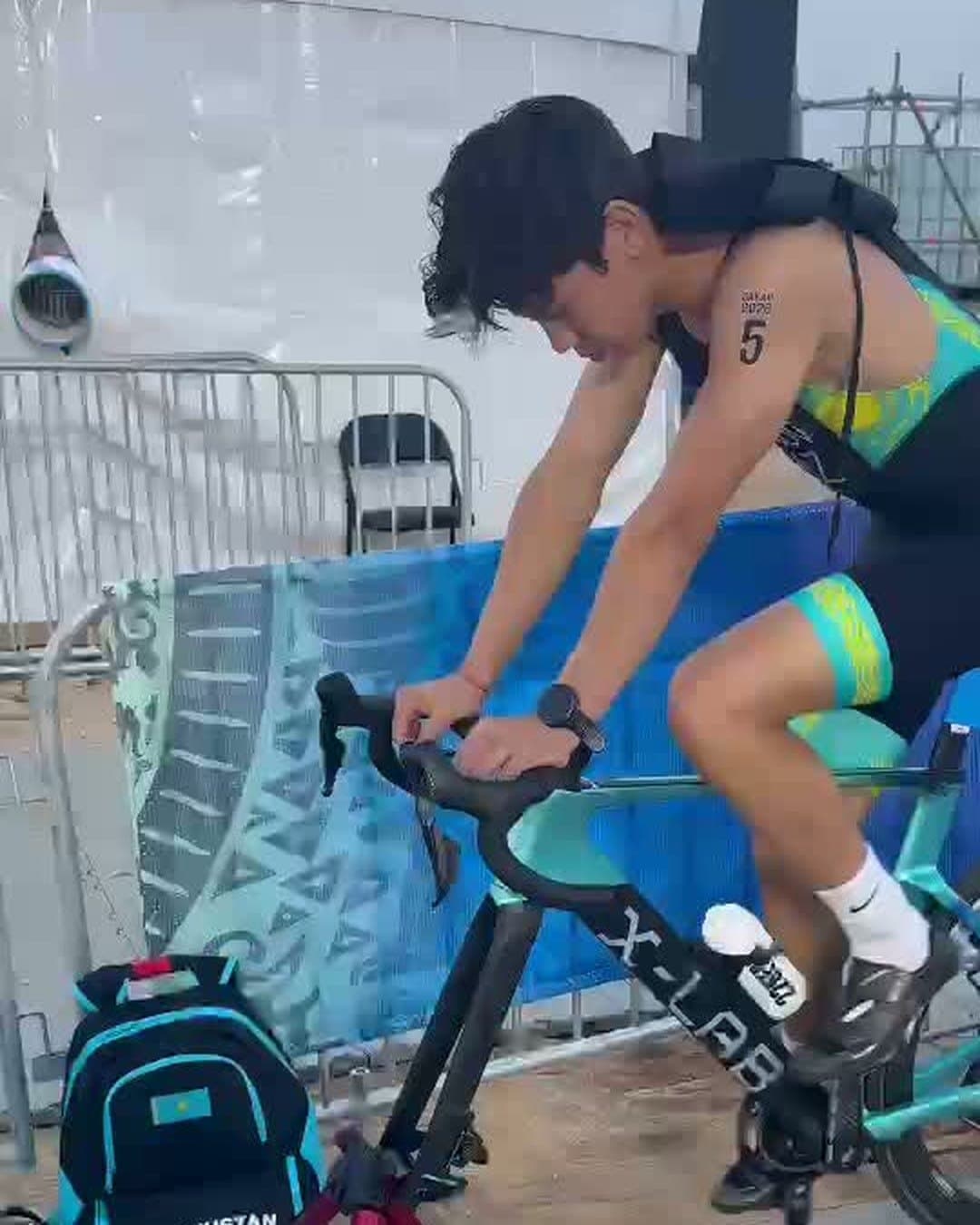
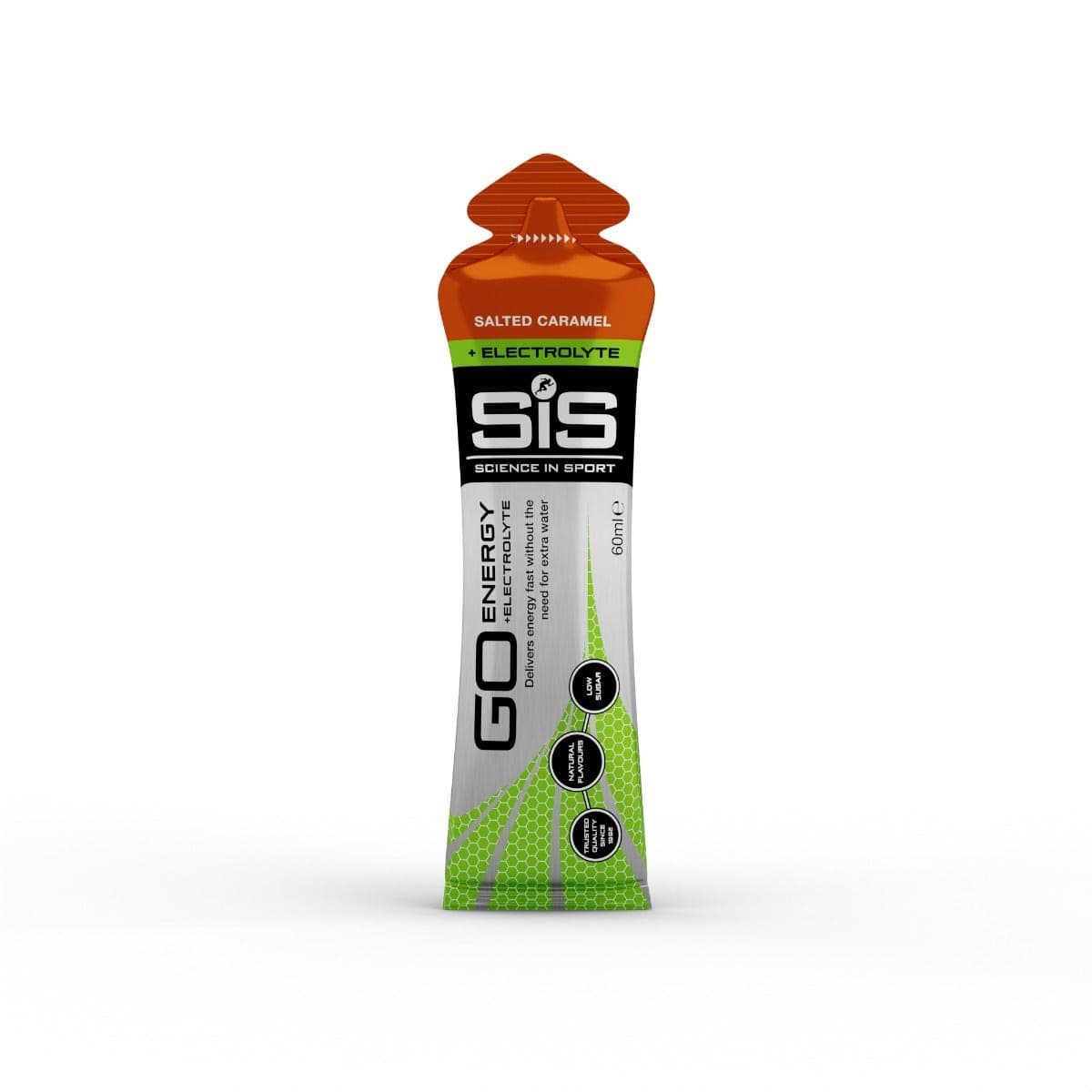
Immediately before the race Ramazan took a gel with sodium 15 minutes before the start. The logic is simple: on a short course there is almost no time to eat while working, so the last portion of carbohydrate and salt goes in at the very end of the warm-up. Fifteen minutes is not an arbitrary figure: in that time the gel manages to leave the stomach, but the body has not yet responded with the insulin spike that can sometimes cause sluggishness in the opening minutes. Wash a gel like that down with a small amount of water, not half a litre, otherwise you will be sloshing around with a full stomach.
Fuelling on a short race: why only isotonic drink on course
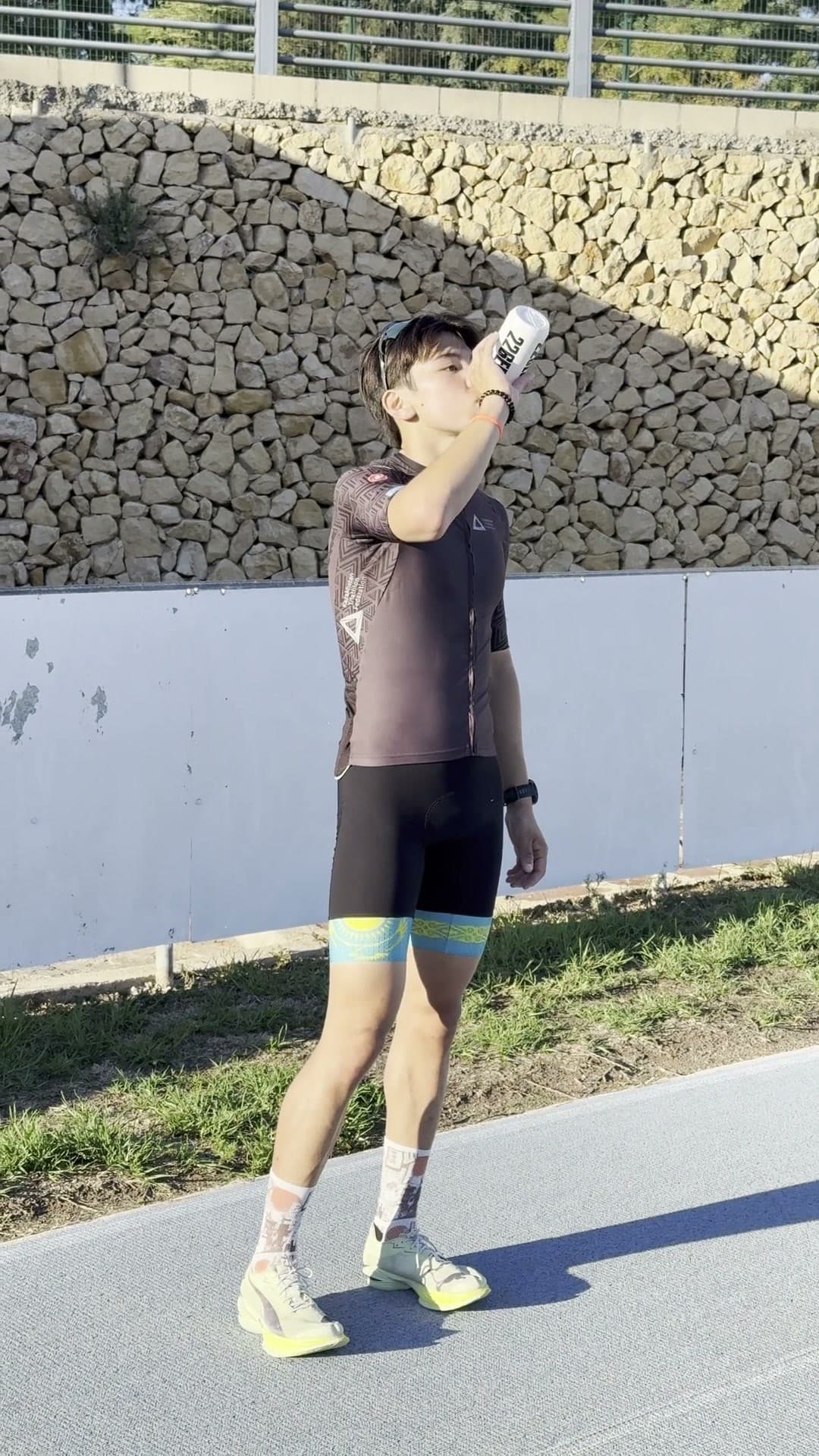
During the race itself Ramazan drank only isotonic drink. For an event lasting around an hour that is sensible: at high intensity blood flow goes to the muscles, the stomach digests less well, and glycogen stores are sufficient given a normal breakfast and a pre-race gel. Here the isotonic drink solves three problems at once: fluid, electrolytes and a little carbohydrate. Heavier fuelling with gels and bars becomes essential later, when a race goes beyond an hour and a half to two hours. The shorter and more intense the event, the more of the work shifts to preparation done in advance and the less is left for the course.
The finishing sprint and transitions: what decides the final metres
The story in Saly shows nicely where the seconds are made. Fifteenth place after the swim did not spoil the result, because the chase group worked on the bike. The second fastest T1 saved time exactly where almost all beginners lose it. And a final 900 metres in 3:02 after an hour of work is only possible when the pace has been distributed evenly over the course and hydration has held up. Hence the practical conclusion for training: practise transitions separately, run after the bike and get used to accelerating on tired legs.

Common mistakes when preparing for a race in a hot climate
The most frequent one: trying new nutrition on race day. Everything planned for the race should be rehearsed in training at a similar pace. The second mistake: drinking plenty of plain water without salt and ending up heavy rather than light. The third: starting nitrate loading the day before, when there is no time left for the cumulative effect. The fourth: flying into the heat at the last moment and hitting the race in the hardest phase of adaptation. And the fifth: ignoring breakfast and the pre-race portion of carbohydrate, assuming that on a short course character will decide everything.
Ramazan Ainegov's bronze in Saly rests on more than talent and a finishing sprint: behind it lie a week of work in the heat, daily electrolytes, nitrate loading planned well in advance and a very simple fuelling plan for the race itself. This is a level of preparation available to any amateur heading for a hot race: you only need to start planning a week ahead rather than the evening before. Nutrition from 226ERS, PILLAR and SiS for protocols like this can be put together at spacefuel.kz.

FAQ
How many days before a race should heat acclimatisation begin?
Adjusting to the heat usually takes one to two weeks of regular training in warm conditions. Flying in a day before a hot race is a poor trade-off: the event will land in the hardest phase of adaptation.
Why should you drink isotonic drink rather than water in the heat?
Sweat carries away not only fluid but also sodium, and if you replace it with water alone the sodium concentration in the blood falls. That brings heaviness, nausea and sometimes puffy fingers, so in the heat it is better to drink an electrolyte drink on a schedule rather than by thirst.
What should you eat before a short triathlon lasting around an hour?
The main work is done by breakfast and the pre-race portion of carbohydrate: a gel with sodium is taken about 15 minutes before the start and washed down with a small amount of water. On a course of that length isotonic drink is usually enough, providing fluid, electrolytes and a little carbohydrate.
Read next