A triathlon camp is not a holiday with a bit of training attached: it is a compressed block of work in which two or three weeks lay the foundation for the entire season. We look at how such a camp is structured and what it demands of nutrition and recovery, using the example of Ramazan Ainegov, a triathlete on the Kazakhstan national team who has joined the 226ERS team. This will be useful to anyone heading to their first camp abroad, and to coaches planning the training load of young athletes.
Ramazan Ainegov: who he is and what he has already achieved
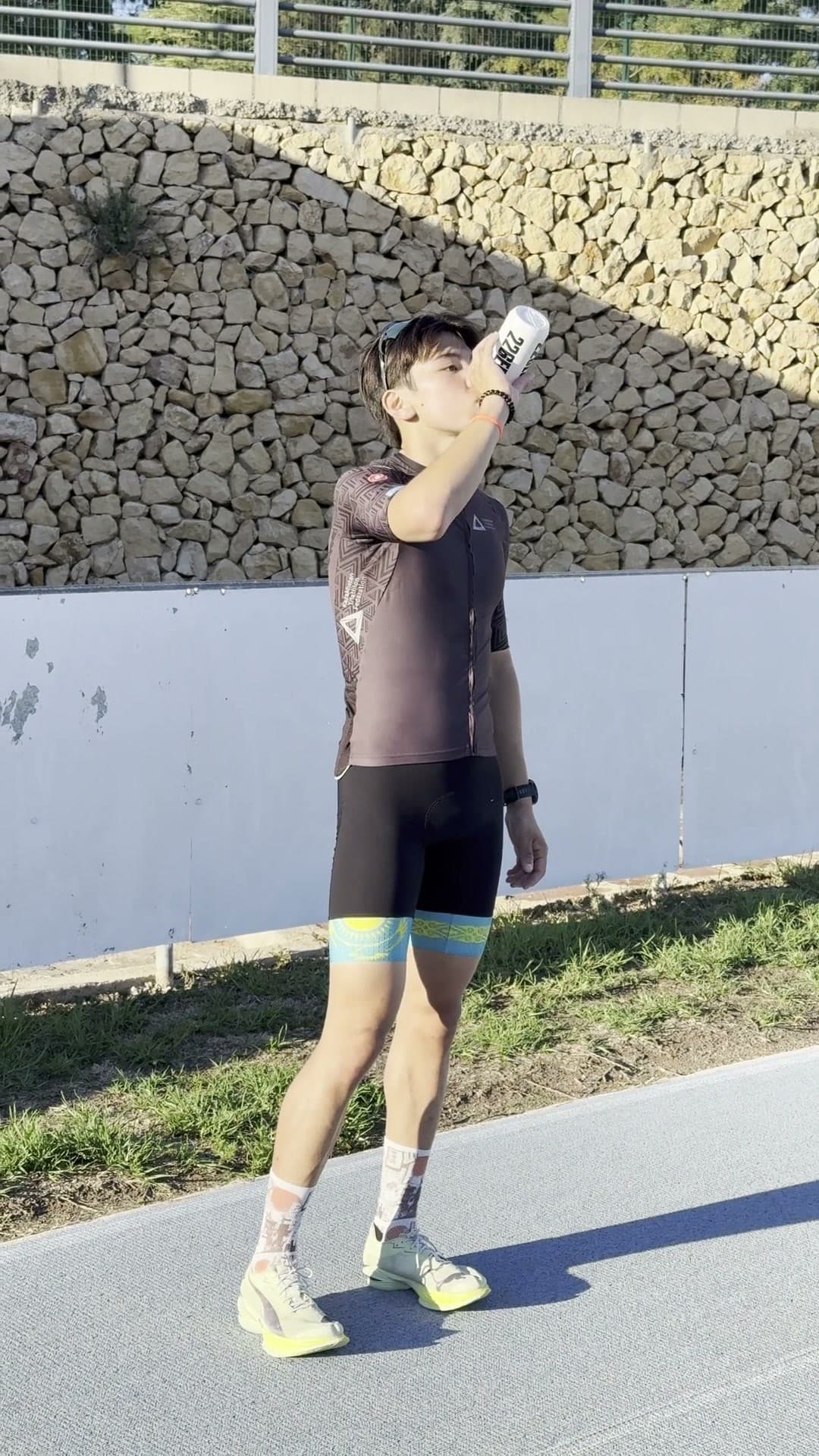
Ramazan Ainegov represents Kazakhstan in triathlon. He is the Asian champion in the youth super sprint and a silver medallist at the 2025 Asian Youth Games. This is the level at which training stops being a collection of separate sessions and becomes a system: load, sleep, food and the race calendar are all planned together. Ramazan is now part of the 226ERS team.
Why triathletes go to Benidorm for a training camp
Benidorm, in south-eastern Spain, has long been one of the classic bases for autumn and winter triathlon and cycling camps. The logic of the choice is simple: mild off-season weather, open water nearby, mountain roads twenty minutes from town and a track for running work. All three disciplines sit within a short trip of each other, so the athlete loses no time travelling between sessions. That is precisely what separates a camp from training at home: the everyday time losses disappear and the whole day is built around training.
Three sessions a day: what it looks like in practice
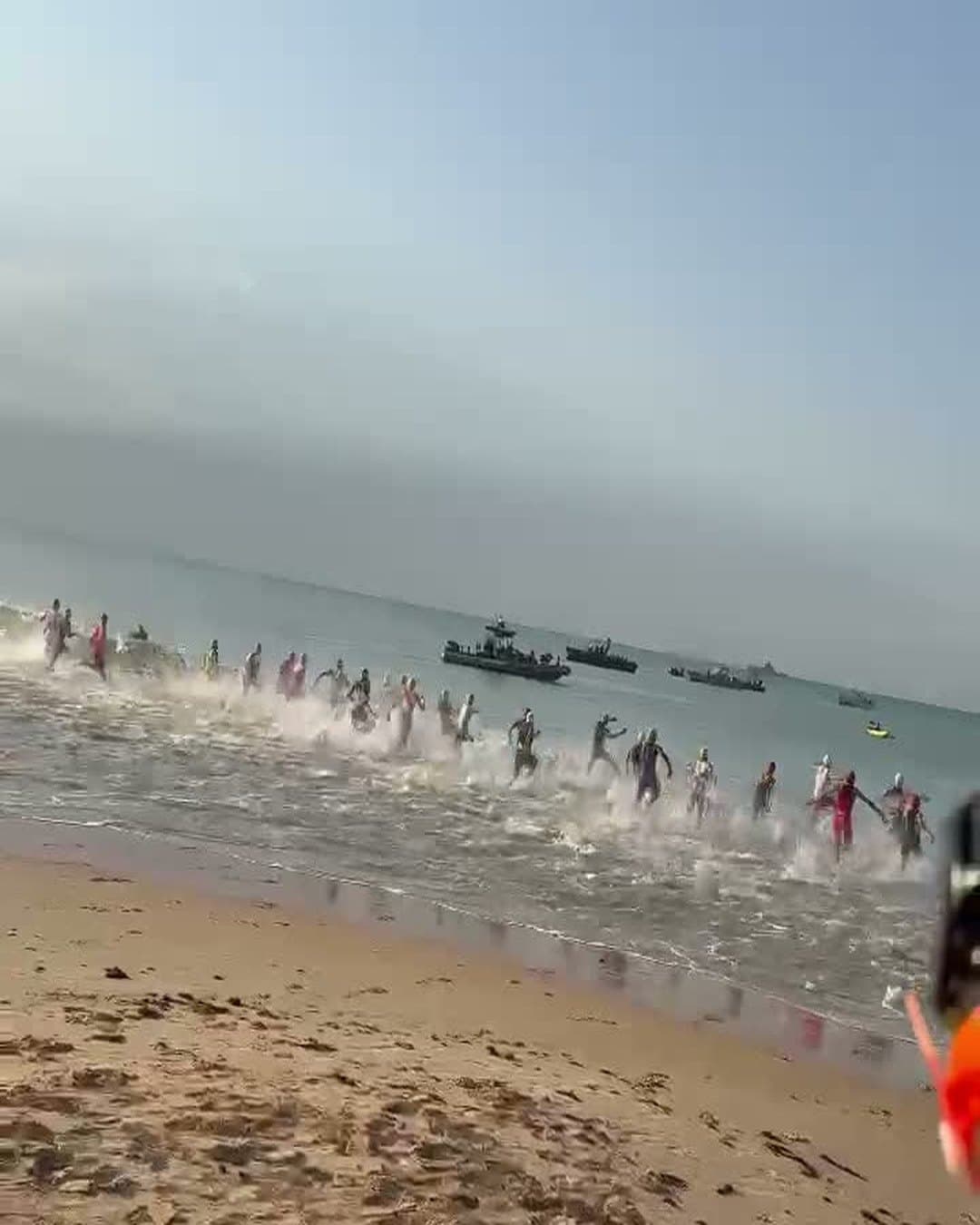
At camp, Ramazan's day is laid out like this: the sea in the morning, the bike on mountain roads in the afternoon, intervals on the track in the evening. That structure is typical of triathlon. Swimming goes at the start of the day because technique requires a fresh nervous system. The bike takes the middle of the day as the longest block in time and the safest in terms of impact. Running is left for the evening, when warmed-up muscles handle intervals better, and running volume is deliberately kept lower than swim and bike volume: running is what puts the main impact load on the ligaments.
The super sprint in triathlon: how preparation differs
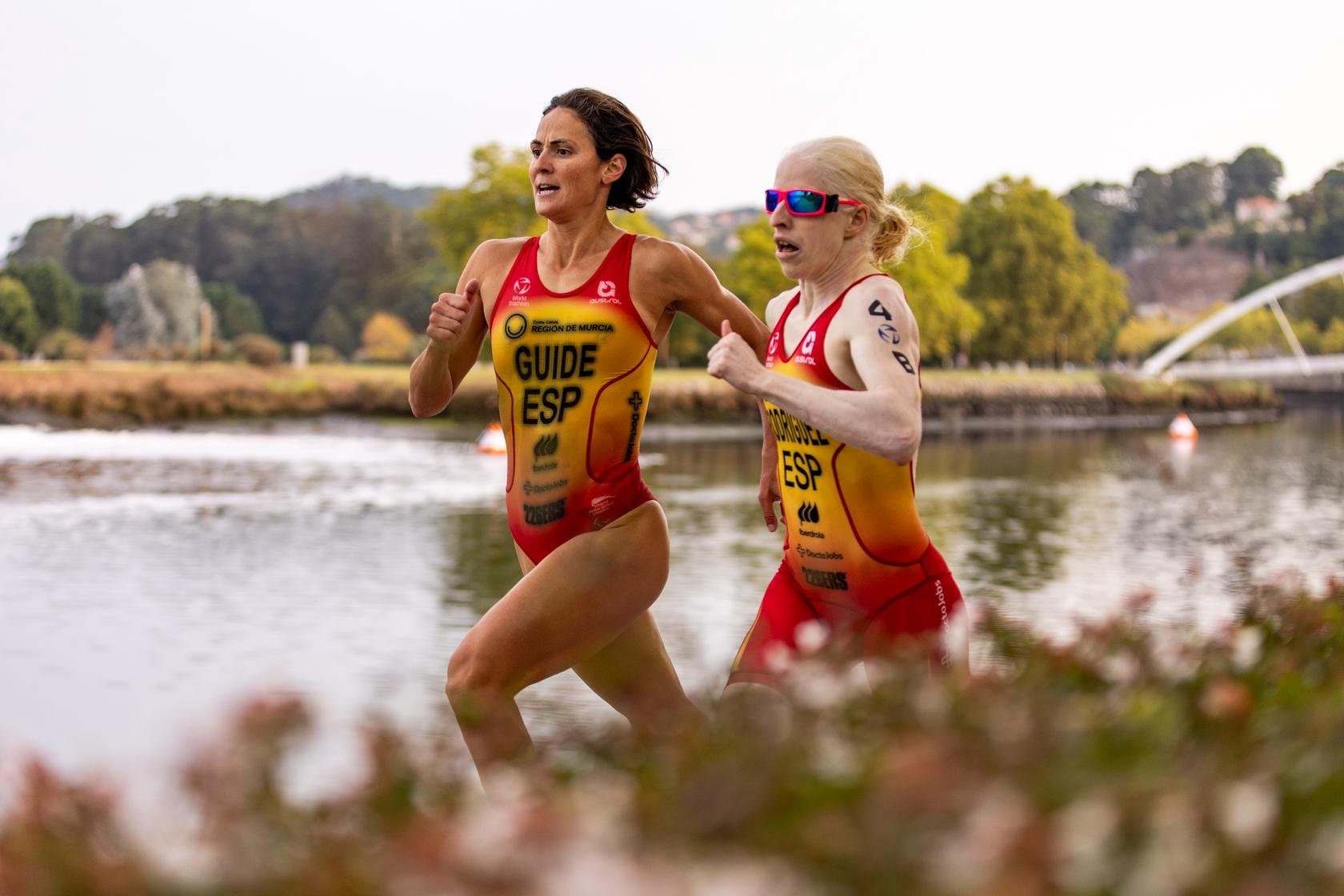
The super sprint is the shortest official distance in triathlon, and its physiology is closer to middle-distance running than to a half IRONMAN. The race is run at near-maximum heart rate almost from the gun, mistakes in the transition areas cost more than the legs themselves, and the ability to get into the work from the first seconds matters more than being able to hold a pace for two hours. Preparation for the short distances therefore carries a great deal of intensity: short intervals, repeated work on incomplete recovery, and drilling the transitions from water to bike and from bike to run. Even so, base volume is still needed, otherwise the body will not withstand the density of intense sessions.
Nutrition at camp: carbohydrates matched to volume, not to appetite
The defining feature of a camp is that daily energy expenditure rises sharply while appetite fails to keep up. The generally accepted recommendation in sports science for prolonged sessions is 30 to 60 grams of carbohydrate per hour for work of up to two hours, and 60 to 90 grams per hour for longer and more intense blocks, provided the gut has been trained for it. On the bike this is most easily covered with an isotonic drink and gels; for running intervals a drink with electrolytes is enough. Food after training is counted separately: protein and carbohydrate in the first hour or two speed up the restoration of glycogen stores, and that directly determines the quality of the next session on the same day.
Hydration and electrolytes with three sessions a day
Swimming masks fluid losses: sweat is not felt in the water, and the athlete leaves the pool or the sea already in deficit. Next comes the bike in the mountains, where the airflow hides sweating once again. By the evening intervals, accumulated dehydration noticeably raises the heart rate at the same pace and spoils the quality of the work. The practical answer is to drink to a plan rather than to thirst, to add sodium to the drink on long and hot sessions, and to rely on simple markers such as body weight before and after training and the colour of urine.
Preparing for a race in a hot climate
Next on Ramazan's calendar is the main start of the season, in Senegal. Racing in a hot and humid climate is a separate task, and it has to be solved in advance. The general principle of heat adaptation is well known: one to two weeks of regular training in the heat are needed before the body begins to sweat earlier and more heavily and the salt concentration in sweat falls. In parallel, the race strategy is revised: pace in the heat is naturally lower, the need for fluid and sodium is higher, and the warm-up is often shortened and supplemented with cooling. Trying to hit the usual pace numbers in thirty-degree heat is the most common mistake visiting athletes make.
Typical mistakes at a training camp
First: starting the camp too fast. The benefit comes from the total volume across all the days, not from a heroic first day after which a whole week goes on recovery. Second: trying new nutrition at camp in race mode. Any gels, drinks and bars should be tested in training beforehand, otherwise there is a risk of stomach trouble in a key session. Third: skimping on sleep. With three sessions a day, sleep remains the main recovery tool, and missing hours cancels out part of the work already done. Fourth: ignoring small pain signals in the ligaments, especially during running blocks.
A camp is a concentrate of the season: a great deal of work is done in a short time, and the price of mistakes in nutrition and recovery is higher here than in an ordinary training week. Get the simple things right, carbohydrates matched to the load, fluid with electrolytes, food straight after sessions and enough sleep, and the camp brings a gain rather than burnout. The 226ERS nutrition Ramazan uses is available at spacefuel.kz, where the code RAMAZAN10 gives 10 per cent off until 30 November 2026.





FAQ
How many sessions a day are there at a triathlon camp?
At a camp, three sessions a day are often planned, one for each discipline. The typical pattern is swimming in the morning, cycling in the afternoon and running work in the evening.
How does preparing for a super sprint differ from preparing for a long distance?
The super sprint is run at near-maximum heart rate almost from the gun, so preparation involves plenty of short intervals and transition practice. Base volume is still needed in order to withstand the density of intense sessions.
How should you prepare for a race in a hot climate?
Heat adaptation requires one to two weeks of regular training in the heat. Alongside that, it is worth lowering your pace expectations in advance and increasing the fluid and sodium volumes in your race plan.