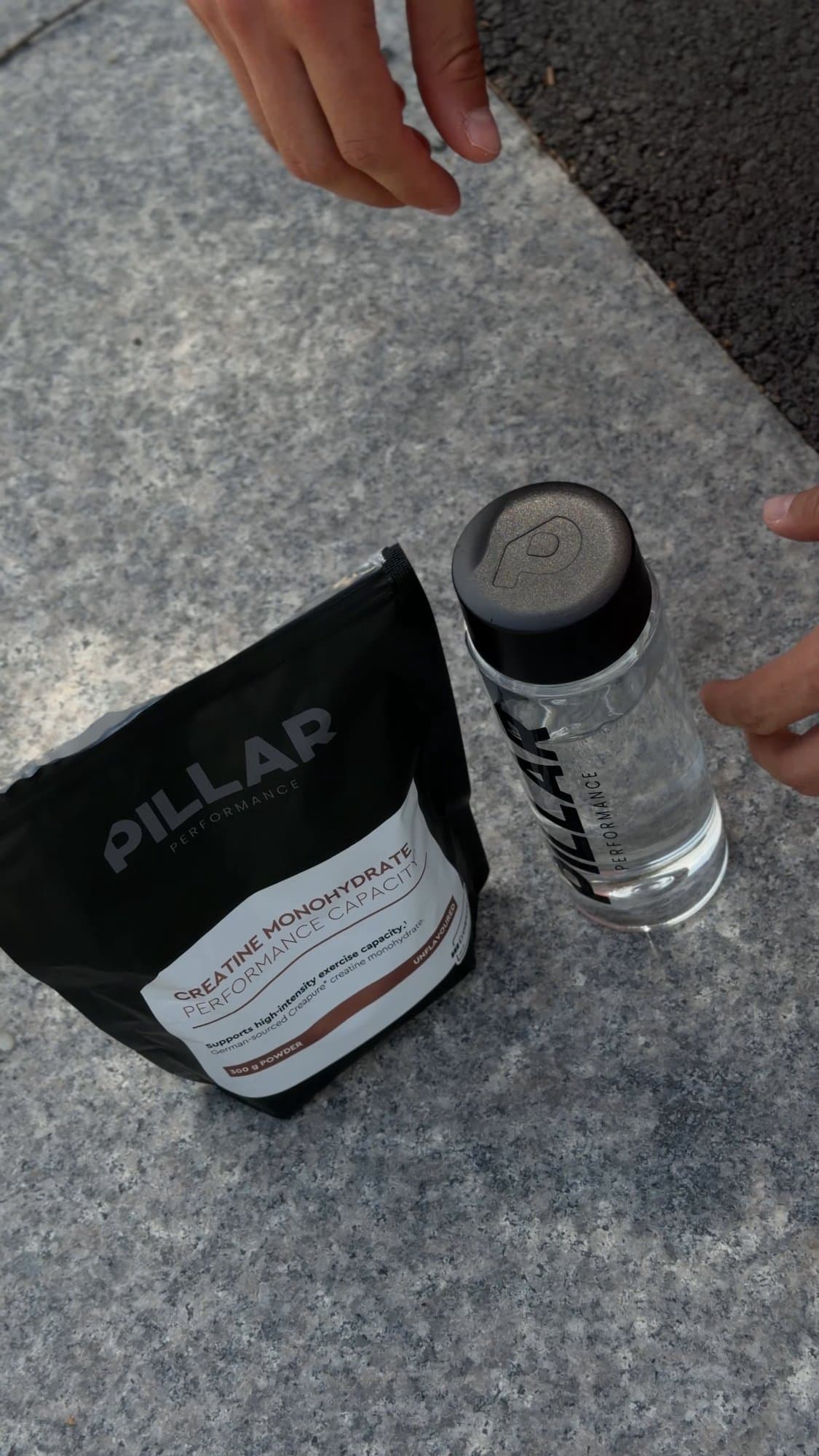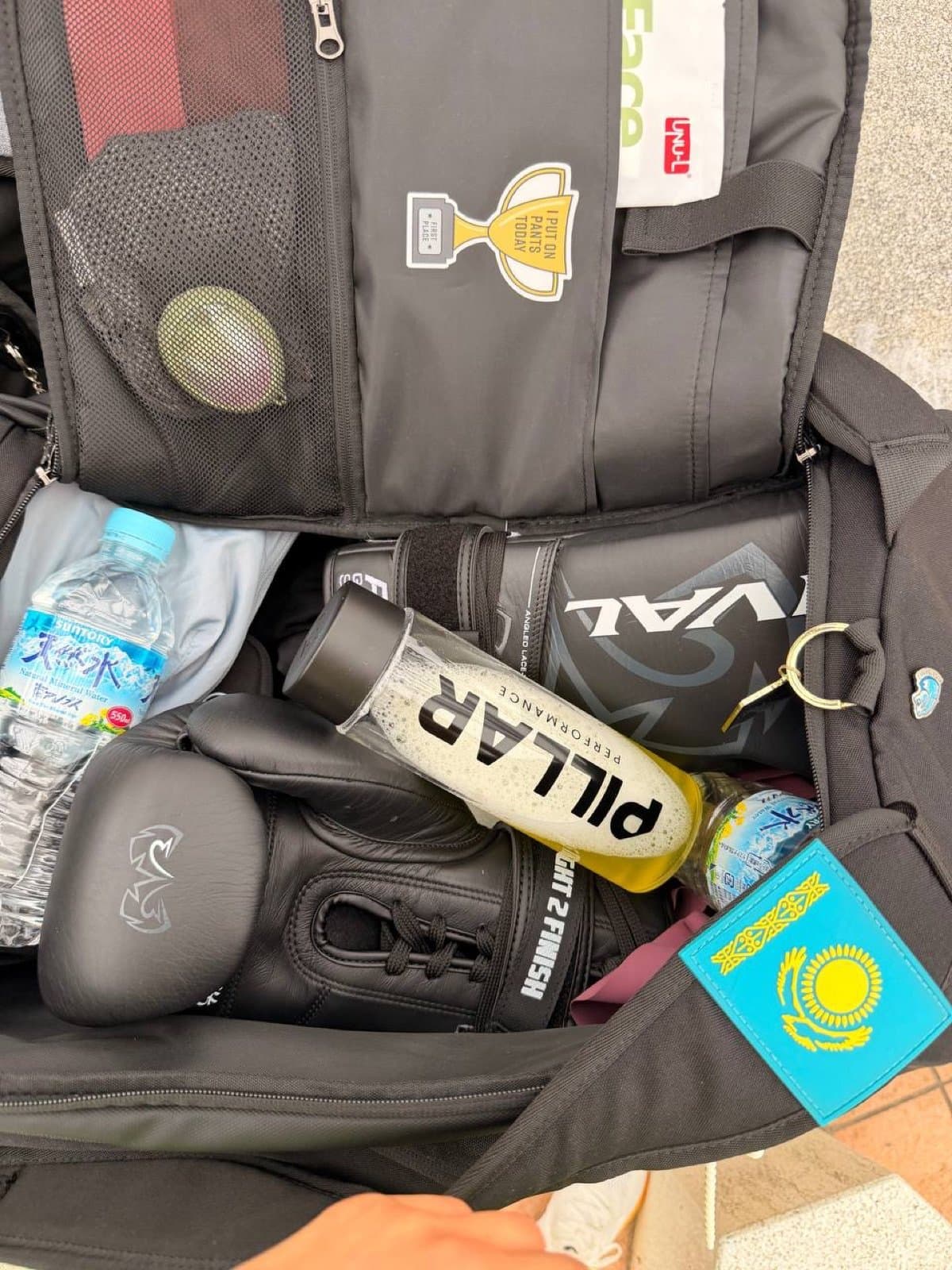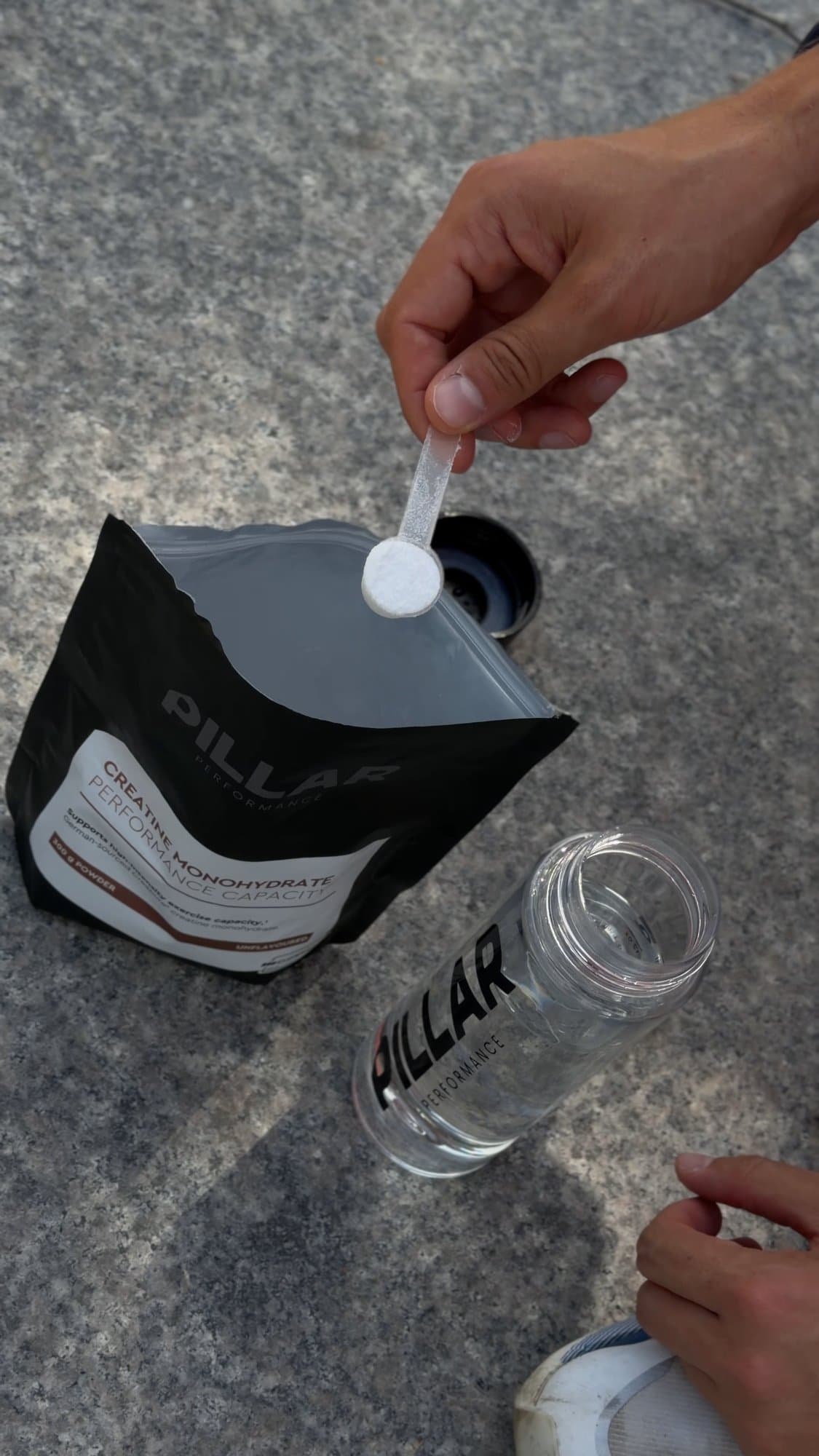
Creatine for runners sounds unexpected: the supplement is usually associated with barbells and building mass. In endurance sports it has entirely different jobs, and athletes training for long distances take creatine not for size but for the quality of their hard work. This article will be useful for runners, cyclists and triathletes who have already sorted out their basic nutrition and are wondering what to add as the next step.
How creatine works: energy for short efforts
Muscle spends energy in the form of ATP, and the store of ATP inside a cell is tiny, used up within a few seconds of powerful work. Creatine phosphate serves as a rapid reserve for restoring it: the more creatine is stored in the muscle, the faster it returns to normal between hard efforts. That is precisely why the effect shows up less at an even pace and more where sharp bursts are needed: intervals, climbs, changes of pace in a group, a finishing sprint.
For a marathon runner creatine is not about mass
For a long-distance runner creatine works in three directions: strength in the final kilometres, the quality of strength sessions and recovery between hard days. This matters, because expecting to “become more powerful and faster at any distance” leads to disappointment. The real benefit is that demanding sessions come out slightly better, you tolerate them more easily, and across a season that adds up to a noticeable gain.
How much creatine to take: 3-5 g a day with no loading phase
Creatine remains the most studied supplement in sport, and its protocol is extremely simple: 3-5 g every day, with no loading phase. Loading with large doses only saturates the muscle sooner, but calm daily intake brings you to the same result, just over a longer period. That is why there is no point in taking creatine “in cycles, as the mood strikes”: it works as a background habit, not as a one-off stimulant before a session.
When to take creatine: before or after training
The exact timing is not important in principle; what matters is consistency day after day, including rest days. The most practical approach is to tie your serving to something you already do every day, and then you will hardly ever miss it. For our athlete Sasha that is the drive to training: the serving is mixed in a shaker right there in the car and drunk before the session. Any similar anchor, a morning coffee or an evening meal, works just as well.
Creatine and body weight: water stays in the muscles
Creatine holds water inside muscle cells, so at the start of supplementation the scales may show a small increase. This is not fat and not swelling, but athletes who are sensitive to body weight are better off starting in the base period rather than a few days before a key race. That way the body adapts long before weight and the feeling in your legs become a source of worry in the final week of preparation.
Typical mistakes when taking creatine
First: expecting an effect from the very first serving. The muscle saturates gradually, and it makes sense to judge the result by the quality of your training over several weeks, not by a single session. Second: taking the supplement only on strength days, even though creatine stores are maintained by daily intake. Third: starting the experiment in season, right before a key race, instead of during a calm block of preparation. And fourth: counting on the supplement to make up for a shortfall in calories, carbohydrates or sleep. Creatine completes the system, it does not replace it.
Creapure and Informed Sport: why certification matters
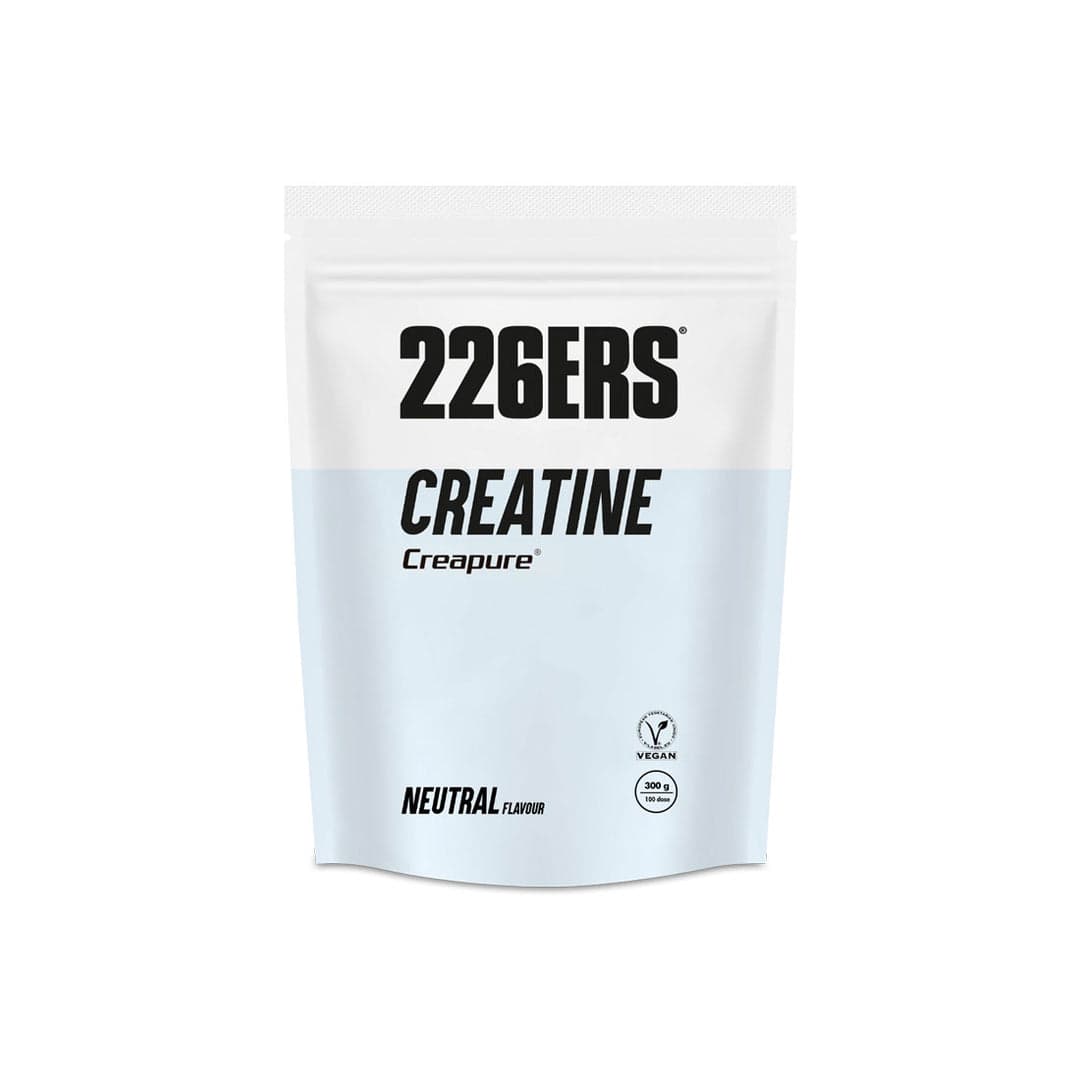
Creatine monohydrate is the form around which the main body of research is built, and more elaborate versions give it no obvious advantage. PILLAR Creatine is pure Creapure monohydrate with Informed Sport certification. For an athlete who competes and could in theory be called for doping control, independent batch testing matters no less than the ingredient list: contamination of raw materials with foreign substances remains a real risk in the sports nutrition market.
How to build creatine into your season preparation
The most logical time to start is the base period, when the plan includes regular strength work and gradually increasing volume. Creatine supports exactly that part of your preparation: sets are performed more cleanly, recovery between hard days comes more easily, and you reach the competitive period with a better strength base. The order of priorities does not change, though: first your nutrition routine and carbohydrates to match the load, sleep, a well-thought-out plan, and only then supplements.
Creatine is an inexpensive, well-researched tool that makes sense alongside your training work rather than instead of it: 3-5 g daily, patience for a few weeks and an honest assessment of the quality of your strength sessions. PILLAR Creatine on Creapure with Informed Sport certification costs 24 850 tenge and is available in the spacefuel.kz catalogue alongside the rest of the range for runners, cyclists and triathletes.
FAQ
Does a long-distance runner need creatine?
Yes, but not for building mass. For a runner, creatine supports strength in the final kilometres, the quality of strength sessions and recovery between hard days.
How much creatine should I take a day, and is loading necessary?
The standard protocol is 3-5 g daily, with no loading phase. What matters is consistency, including on rest days, rather than the exact time of day.
Is it true that creatine makes you gain weight?
Creatine holds water inside muscle cells, so your weight may rise slightly at the start of supplementation. This is not fat, but it is better to start in the base period rather than before a key race.