A full rest day in a runner's plan looks like an empty box in the calendar, which is why it tends to be the first thing crossed out: surely there is room for one more easy run. This article is for anyone who has finished the season and is about to sit down with a winter plan. We will look at why rest sits alongside training in professional groups, what such a day looks like in practice, what to do after a bad night's sleep, and which mistakes stop you recovering in time for the next cycle.
How rest works at the NN Running Team camp
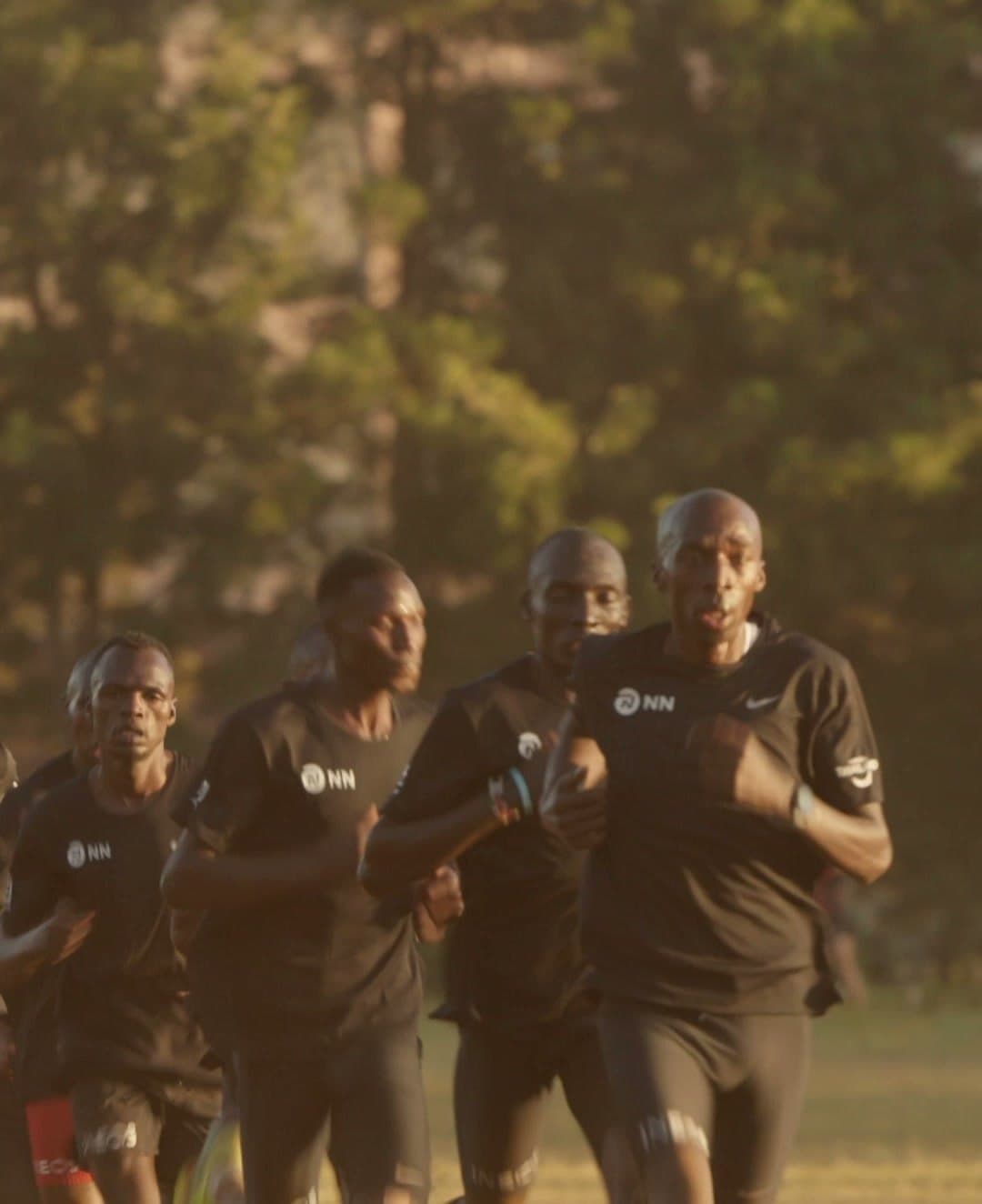
200 km weeks and three sessions a day: very few people can match the volume of the Kenyan NN Running Team camp. Yet coach Patrick Sang and the champions in his group all say the same thing: rest is part of the programme, just as training is. Joshua Cheptegei, Olympic champion over 10,000 m, calls rest a vital part of the programme. Geoffrey Kamworor, a two-time winner of the New York Marathon, puts it as plainly as possible: he rested, he slept, and the strength came back.
Why “simply doing nothing” works better than treatments
Among its recovery tools the camp uses massage, ice baths and the sauna, but the athletes name plain inactivity as the main method. That matches the basic logic of training: a workload only creates the demand for adaptation, while the adaptation itself happens at rest. While you are running, the body spends its resources; while you are lying down, sleeping and eating, it rebuilds muscles, tendons and metabolism for a new level. Treatments help you feel better, but they do not replace time without a workload.
The glass of milk rule: when extra training ruins everything
The camp's rule is explained through a glass of milk: it is already full, yet you keep pouring, and in the end you ruin everything. It is an exact metaphor for overtraining. The difference between a stimulus that develops you and one that harms you is measured not by motivation but by your ability to recover. One quality session plus proper rest brings progress. The same session added to accumulated fatigue brings a depressed heart rate, heavy legs, worse sleep and a risk of injury. An overfilled glass cannot be put right with another session.
A bad night's sleep: what to do with the session
Yalemzerf Yehualaw, winner of the London Marathon, describes her rule like this: if she slept badly during the night, the session is easy. This is an important skill for an amateur, whose lack of sleep comes on top of work and commuting. Sleep remains the main recovery tool: during sleep, processes take place that no supplement can set in motion. Aim for eight hours. If the night did not go well, it is wiser to keep the volume and drop the intensity rather than prove to yourself that the plan matters more than how you feel.
What to do in the one or two weeks after the season ends
City Run on 15 November 2026 closed the running season in Almaty, and the next one or two weeks are best built around a simple scheme: easy running strictly by feel, eight hours of sleep, and a meal with protein and carbohydrates after training. This is not lost time and not a loss of form: over such a period the fatigue accumulated across the season clears, while the aerobic base stays. It helps to leave the watch and the pace out of these runs: the only reference points are your breathing and how you feel.
Protein and carbohydrates after training: why together
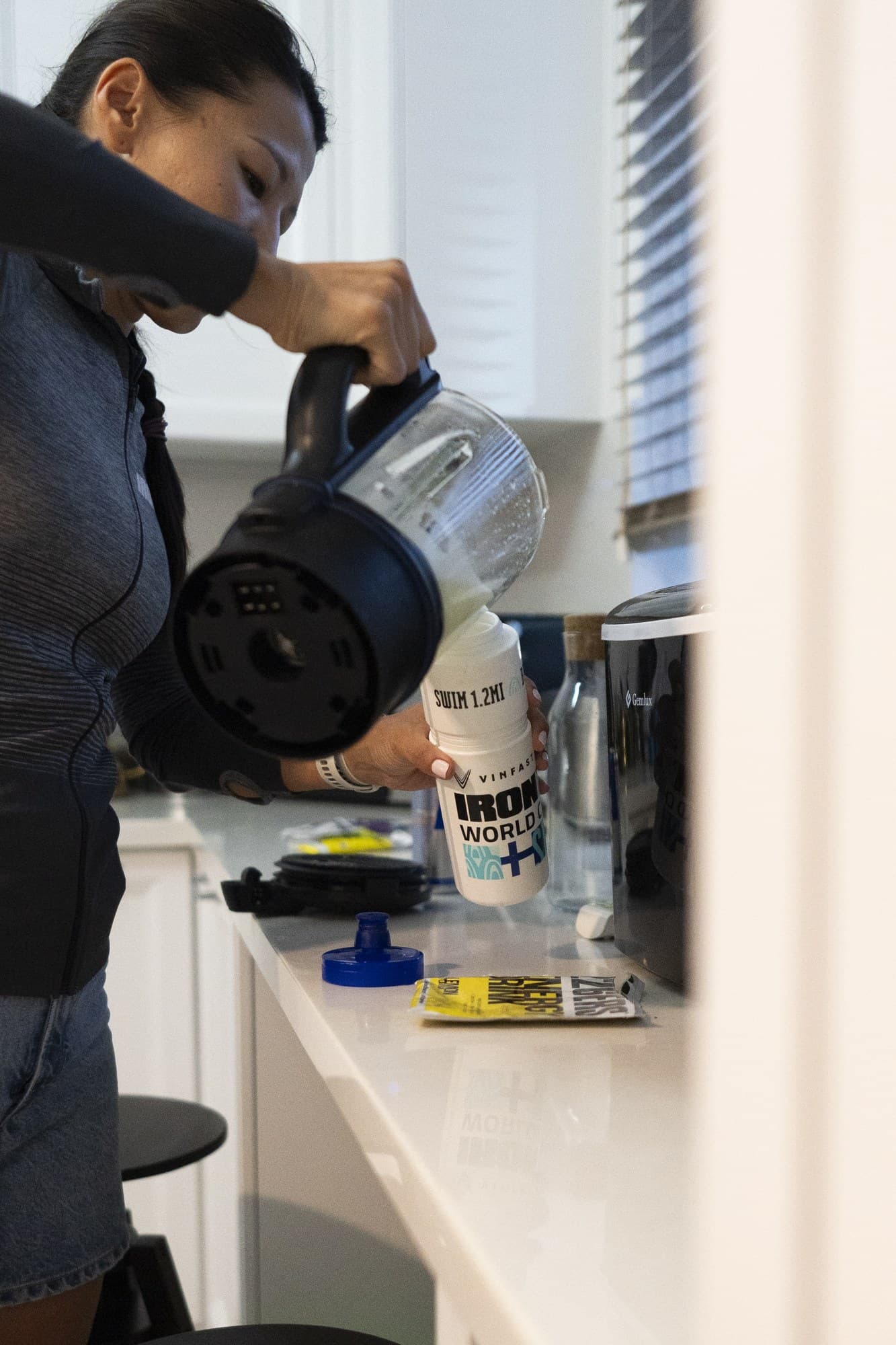
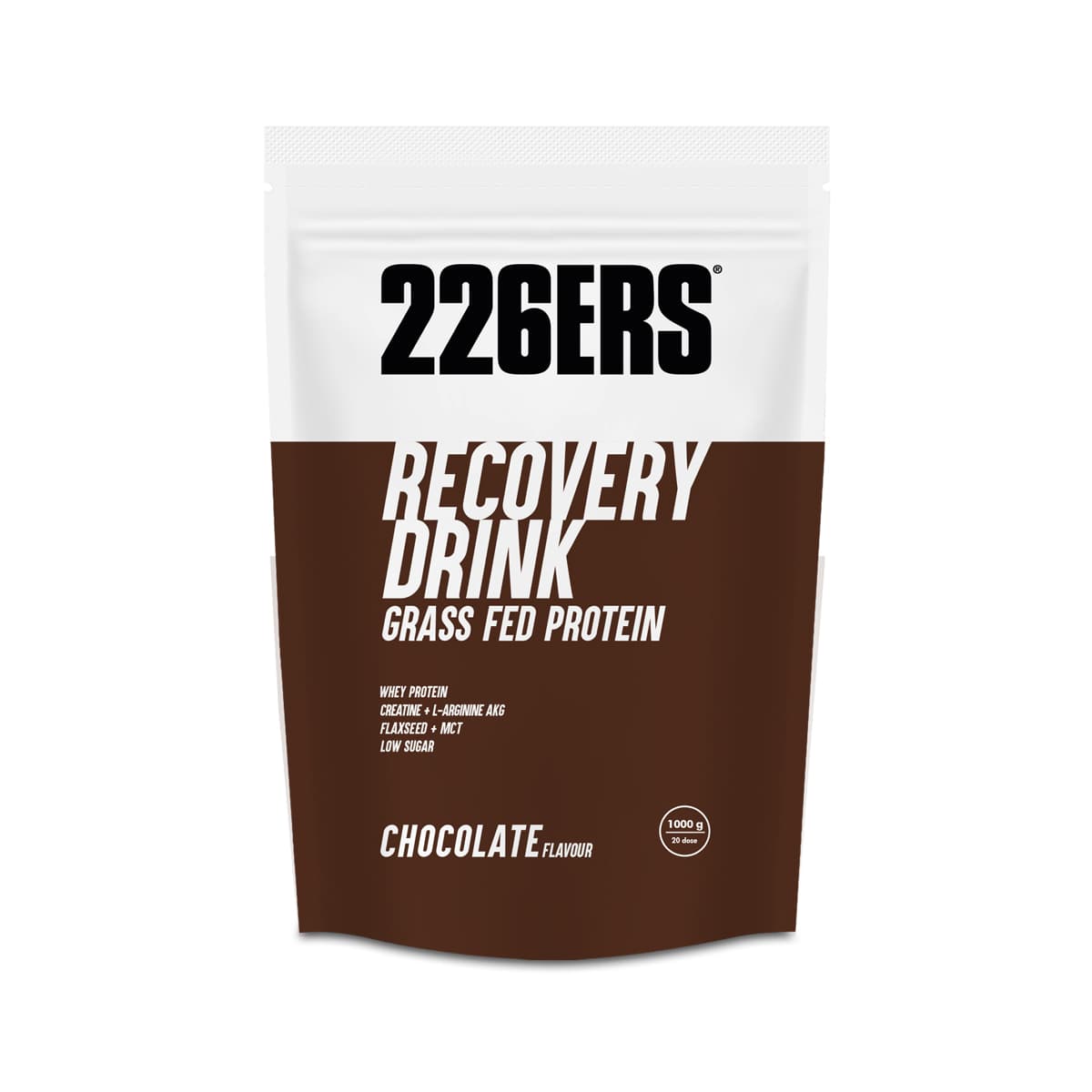
The post-training meal is worth building from two components rather than one. Carbohydrates restore the glycogen you spent on the run, and the sooner that happens, the easier the next day will be. Protein provides the material for repairing muscle fibres. A common mistake during a recovery period: people cut their volume and cut their food at the same time, assuming that without training they do not need it. Recovery then goes more slowly than it could, and the fatigue drags on for weeks.
How to fit rest into a winter plan
When it comes to the winter plan, rest deserves a place in the schedule as firm as the long run. In practice that means a full rest day every week and a down week after several loading weeks, written in advance rather than left as an afterthought. Planned rest differs from forced rest in that you choose its timing yourself. Forced rest arrives in the form of a cold, an injury or a failed race, and it takes far more than a single day.
Typical rest mistakes among amateurs
First: making up for what was missed. A rest day cannot be moved or paid back with a double session. Second: turning an easy run into a hidden tempo because the heart rate feels bearable. Third: replacing rest with treatments and assuming that the sauna and massage let you keep the workload high. Fourth: starting a new plan straight after the season finishes, leaving no off-season break. Fifth: judging recovery by the legs alone, ignoring sleep, appetite and overall motivation.
Rest is not the opposite of training but its second half: it is where everything you did on the run is consolidated. If you give yourself one or two weeks of easy running, decent sleep and sensible food with protein and carbohydrates after the season ends, the winter base period will start with a clean slate. Sports nutrition and recovery supplements for this period can be chosen at spacefuel.kz.
FAQ
Do I need a full rest day if I do not run much?
Yes, adaptation to a workload happens at rest, not during the run itself. One full rest day a week is worth writing into the plan in advance rather than leaving it as an afterthought.
What should I do with a session after a bad night's sleep?
Drop the intensity and keep an easy run. That is the rule described by London Marathon winner Yalemzerf Yehualaw: if she slept badly during the night, the session is easy.
How should I recover in the first weeks after the season ends?
One or two weeks of easy running strictly by feel, around eight hours of sleep, and a meal with protein and carbohydrates after training. Cutting your food in this period is not a good idea: recovery will go more slowly.