
Many runners see a 10 km race after a marathon as a pointless gamble: the legs still remember those forty-two kilometres, the season is all but over, and it feels easier to coast through to winter. In practice, a 10 km two weeks after a marathon often turns out to be one of the best races of the year: the fitness is still there and the distance is short. This article is for anyone who has already run their marathon and is wondering whether to line up for a short race, how to structure the week before it and what to eat beforehand. The prompt for it was the pre-City Run week shared in early November 2026 by 226ERS ambassador Chingiz Rakparov.
Marathon fitness does not disappear in two weeks
The aerobic base you spent months building does not fall apart after a couple of weeks of rest. Capillary density, cardiac function and running economy hold for weeks and fade slowly. What does go in the two weeks after a marathon is something else: accumulated fatigue. Glycogen stores refill within a few days, and the muscle microdamage from eccentric work on the downhills and in the closing kilometres clears in one to two weeks given easy training. The result is a window in which fitness is high and freshness has already come back.
Why 10 km is easier on the body than a marathon
Most amateurs cover 10 km in anything from thirty-five minutes to an hour. The demands are fundamentally different: the fuel comes almost entirely from your own glycogen, and the stores in the muscles and liver cover that kind of effort with plenty to spare. The impact load is four times smaller in volume than a marathon, so the recovery cost is lower too. Which leads to a simple conclusion: there is no reason to complicate your nutrition over this distance, and none of the complexity of a marathon fuelling plan is needed here.
The week before a 10 km race
The week before a short race is not built like a marathon taper. The long run comes out of the final week and overall volume stays below normal, but switching to complete rest is a mistake: the legs lose their edge quickly. The working logic is this: two or three easy runs, one short session with intervals at race pace to remind the body of the speed it needs, and a day of full rest or light jogging the day before. Sleep is the priority: that, rather than an extra session, is what will add seconds at the finish.
Breakfast two hours before the start: what to eat
The scheme is simple: breakfast two hours before the start. That interval is enough for the stomach to empty and for the carbohydrates to reach the bloodstream. Keep the contents familiar and tested in training: porridge, toast, a banana, a little honey or jam. Keep fat and fibre to a minimum, as they slow digestion and leave you with a stone in the stomach over a fast distance. Coffee is fine if you drink it every morning, not for the first time on race day.
One gel 15 minutes before the start: when you need it
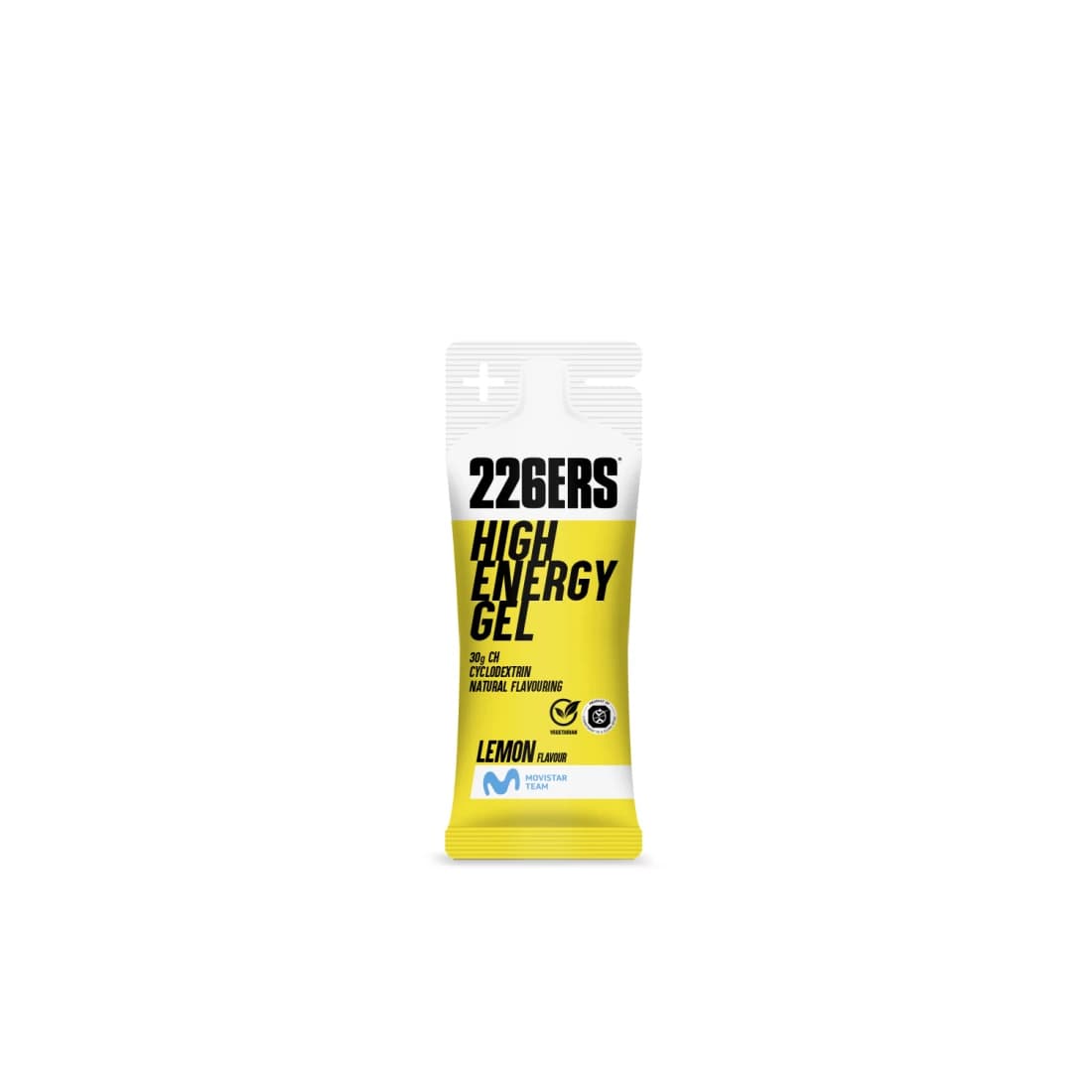
If you are racing for a time, one XS format gel fifteen minutes before the start is enough, with nothing along the way. The point of that gel is not to cover what you burn on the course: over an hour of running you barely need to use external carbohydrate at all. It lifts blood glucose for the moment the gun goes and takes the edge off the residual hunger after a two-hour gap. The small format matters here: a small volume of fluid will not slosh around in the stomach during the first surges. And if you are running the 10 km steadily, as a training run, you can skip the gel altogether.
Why you can skip the water at aid stations over 10 km
Over this distance, runners go straight past the water on the aid stations. In an effort of under an hour dehydration does not have time to become a limiter, provided you arrive at the start properly hydrated: drinking through the previous day and a glass or two with breakfast. Stopping at the table, taking a cup and trying to swallow water at speed costs time and often ends in a stitch in the side or broken breathing. There is one exception: heat. In that weather it makes sense to rinse your mouth or tip water over your head, while replacing what you have lost in earnest will have to wait until after the finish anyway.
Common mistakes in a 10 km after a marathon
The first and most common one: running the opening kilometres on marathon feel. Ten-kilometre pace feels subjectively harder from the very start, and if the second kilometre is comfortable, you are most likely already behind. The second mistake: hauling a marathon fuelling kit to a short race and eating two or three gels where one at most is needed. The third: trying a new product on race day, when any nutrition should be tested in training well in advance. The fourth: a short warm-up. The shorter the distance, the longer the warm-up needs to be, because a 10 km starts at a high heart rate from the first minute.
When it is better not to race 10 km after a marathon
The two-week window works if the marathon went without mishaps. If you are left with localised pain in one spot, if you fell ill after the race, or if running still feels heavy even at the easiest pace, it is better to postpone a short race for time. Telling general fatigue apart from a developing injury is simple: fatigue goes after a few days of rest, while an injury comes back with every surge. In that case run the 10 km for pleasure, without a stopwatch, and treat it as part of your recovery.
A 10 km two weeks after a marathon needs no new build-up: all it takes is a careful easy week, your usual breakfast two hours out, one small gel before the start for those racing the clock, and a calm decision not to spend energy on the aid stations. Everything else was already done in the marathon cycle. Gels and drinks from 226ERS, PILLAR and SiS for a plan like this can be put together at spacefuel.kz.

FAQ
Can you race 10 km two weeks after a marathon?
Yes, provided the marathon passed without injury or illness. Two weeks clear the accumulated fatigue while aerobic fitness is retained, so a short distance in that window often comes out fast.
Do you need to take gels during a 10 km race?
No, fuel along the way is not required: your own glycogen covers that kind of effort. If you are racing for a time, one XS format gel fifteen minutes before the start is enough.
Should you drink water at the aid stations over 10 km?
In an effort of under an hour runners usually skip the water on the aid stations, provided they started properly hydrated. In the heat it makes sense to rinse your mouth or tip water over your head, and to replace your losses fully after the finish.