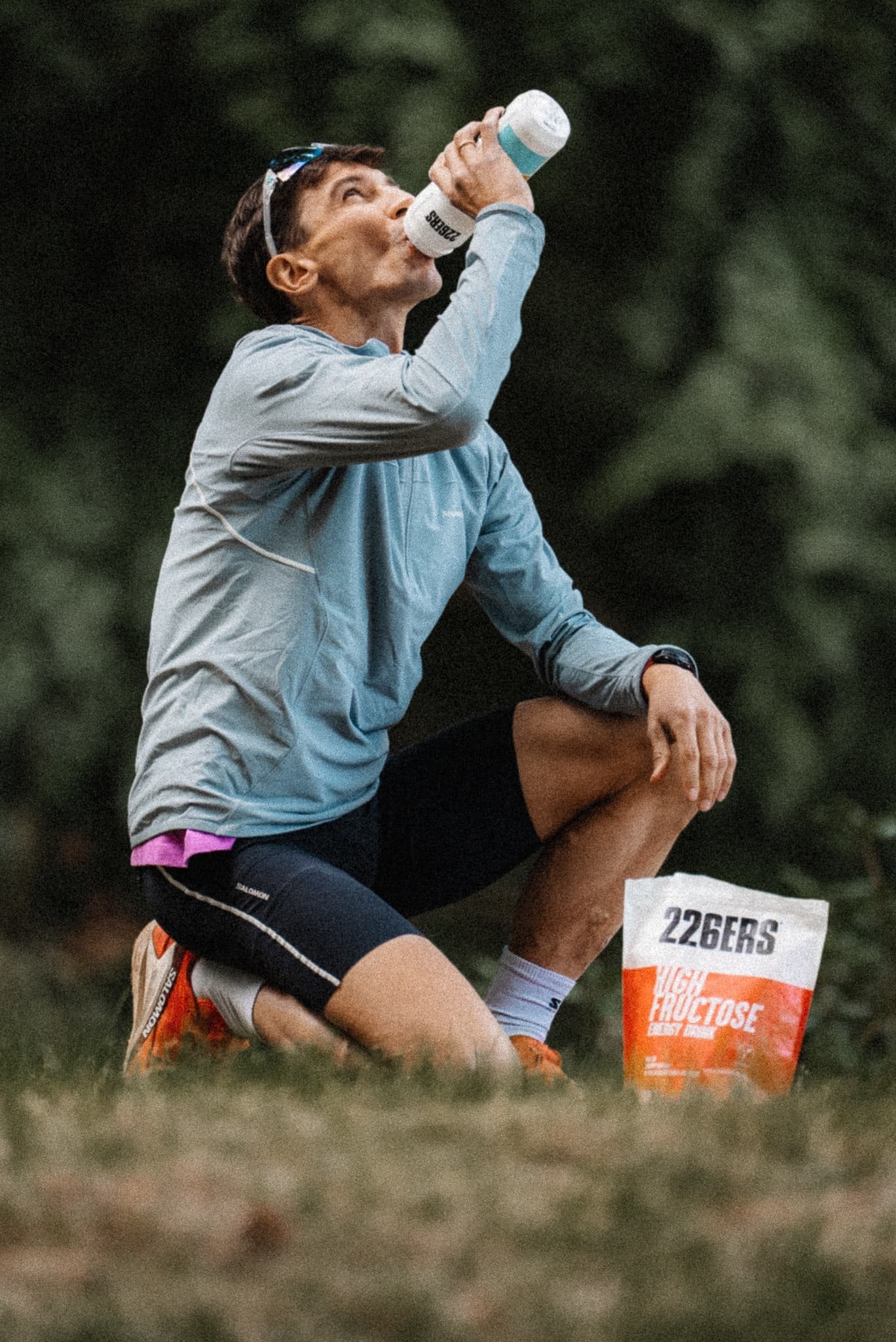
A checklist for a 10 km race is for anyone who wants to reach a city start line with no surprises in the stomach and no last-minute scramble in the start pen. The 10K looks like a simple distance, and that is exactly why it is so often spoiled by small things: a late or overly heavy breakfast, an unfamiliar gel, new shoes. Below is the plan Space Fuel offered to participants of City Run on 15 November 2026, along with the general context that works the same way at any city 10K: what to eat, when to take your nutrition and what you simply do not need to do over this distance.
On 10 km it is logistics that decide, not the amount of carbohydrate
The shorter the distance, the less sense there is in carrying large amounts of fuel on course, and the more the preparation before the starting gun matters. In a marathon you can correct a mistake made in the first few kilometres; over 10 km there is almost no chance of that: the pace is high, breathing is rapid and the stomach copes far worse than on an easy long run. So the 10 km checklist is short: a properly timed breakfast, one or two nutrition decisions before the start and kit you already know.
Breakfast before a 10 km start: 2.5 to 3 hours out, simple and familiar
The baseline option in the Space Fuel plan: porridge, a banana and tea 2.5 to 3 hours before the start. The logic is clear: the carbohydrate has time to be absorbed, the stomach is already empty by the time you warm up, and the make-up of the breakfast is familiar to the body from training mornings. If the start is early, breakfast moves earlier with it rather than being skipped: you can run a 10K fasted, but that is an unnecessary risk for anyone who has not trained that way. Race morning is not the time to experiment with a new cereal, a milky coffee or pastries.
What to take 30 minutes before the start: a SUB9 capsule
Half an hour before the gun, the plan calls for a SUB9 capsule. This is the part of the plan that absolutely must be rehearsed in advance: anything you take before a race should have been trialled in at least one hard session or time trial. The rule is simple and universal: race day is not for meeting a product for the first time, even if experienced runners recommend it.
Caffeine 15 minutes out: an XS gel if you are racing the clock
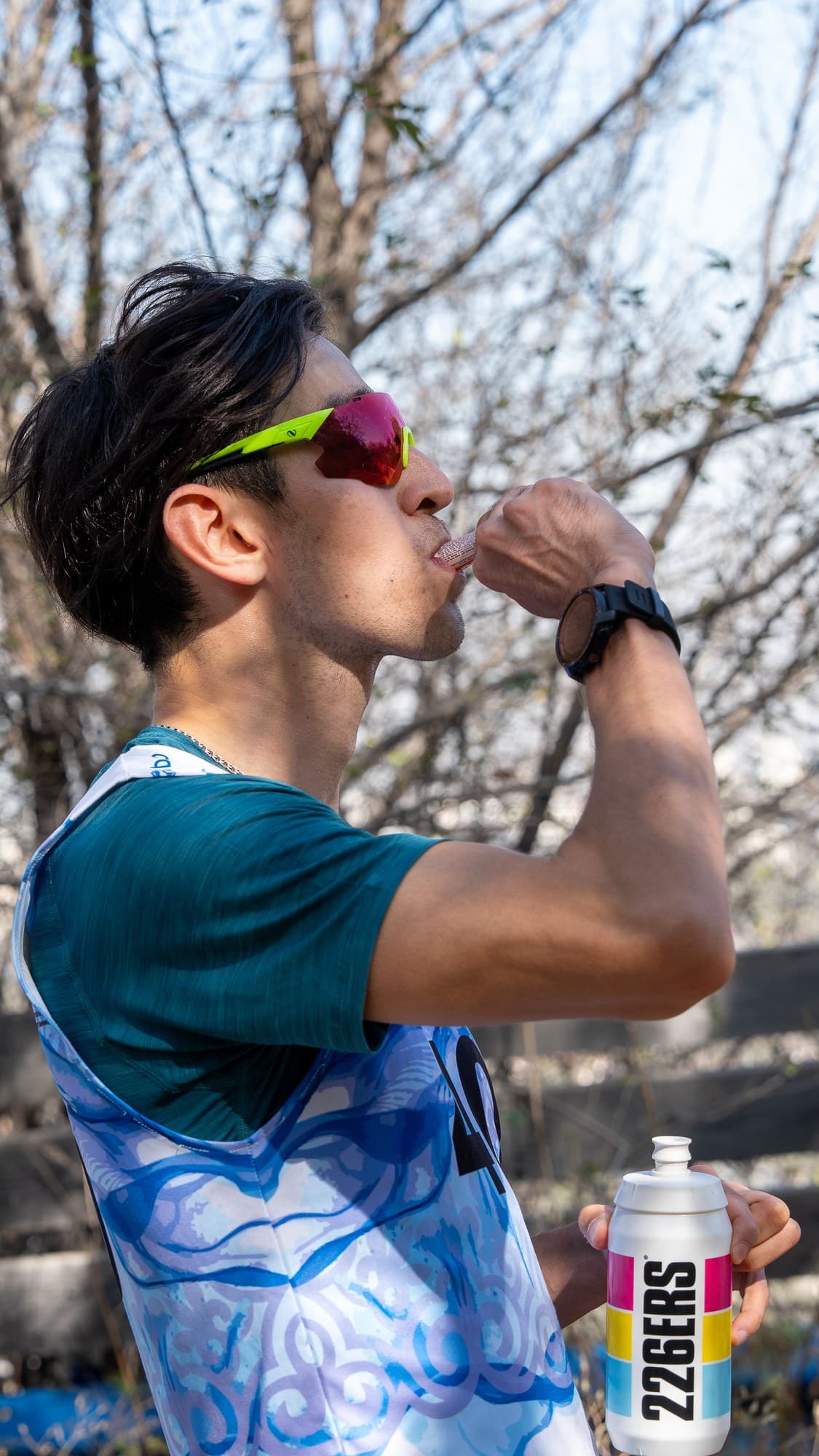
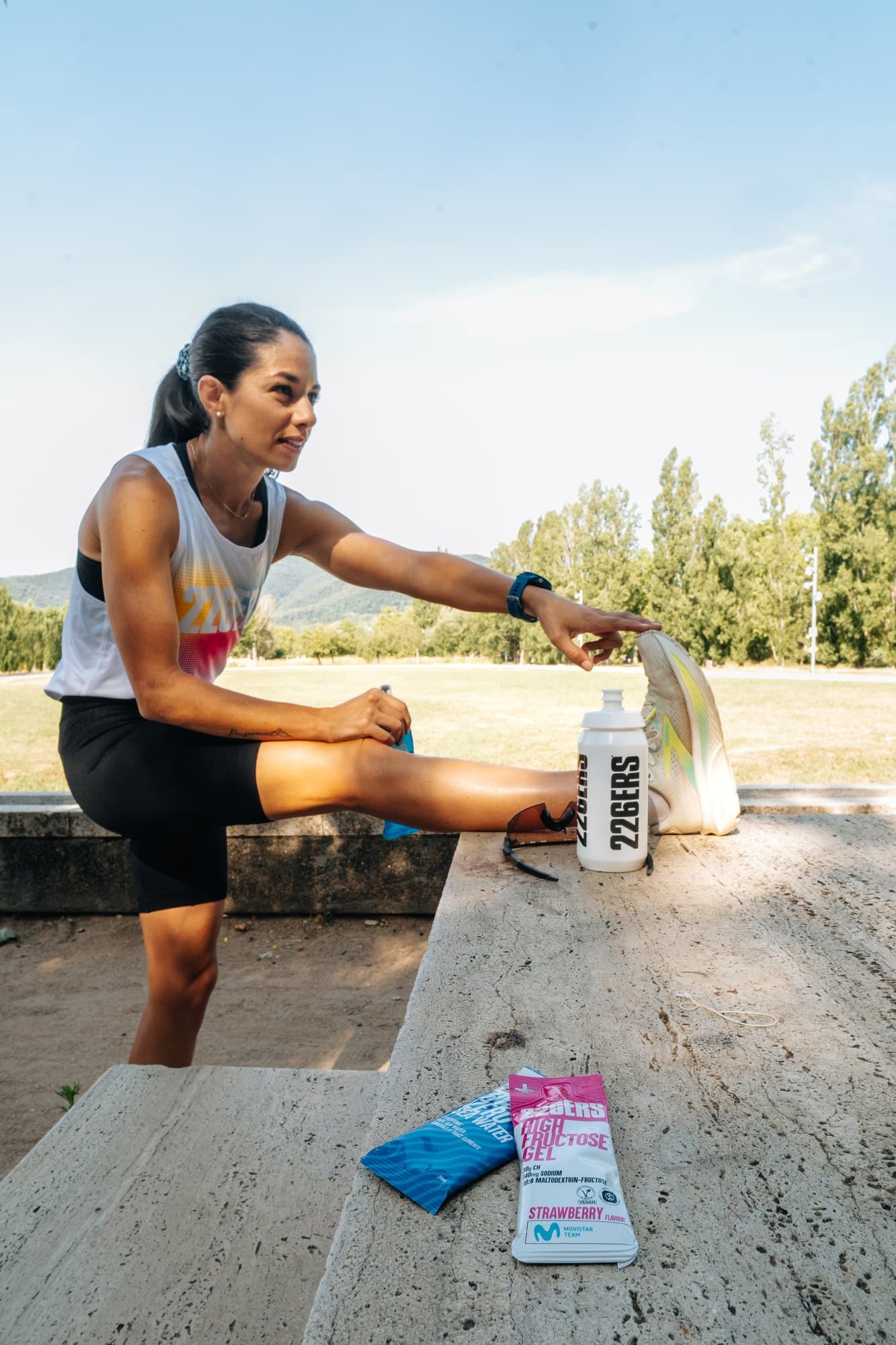
If the goal is not just to finish but to post a time, the plan puts a caffeinated XS gel 15 minutes before the start. Caffeine is widely used before short, intense efforts: it makes a high pace feel subjectively easier. But two things matter here. First: the caffeine has to be familiar, otherwise you risk tremor, a raised heart rate and discomfort in the stomach. Second: if you are sensitive to caffeine, or you start in the evening and then sleep badly, it is calmer to go without. For running purely for enjoyment, a caffeine gel is not essential.
Do you need gels on a 10K: the 55-minute benchmark
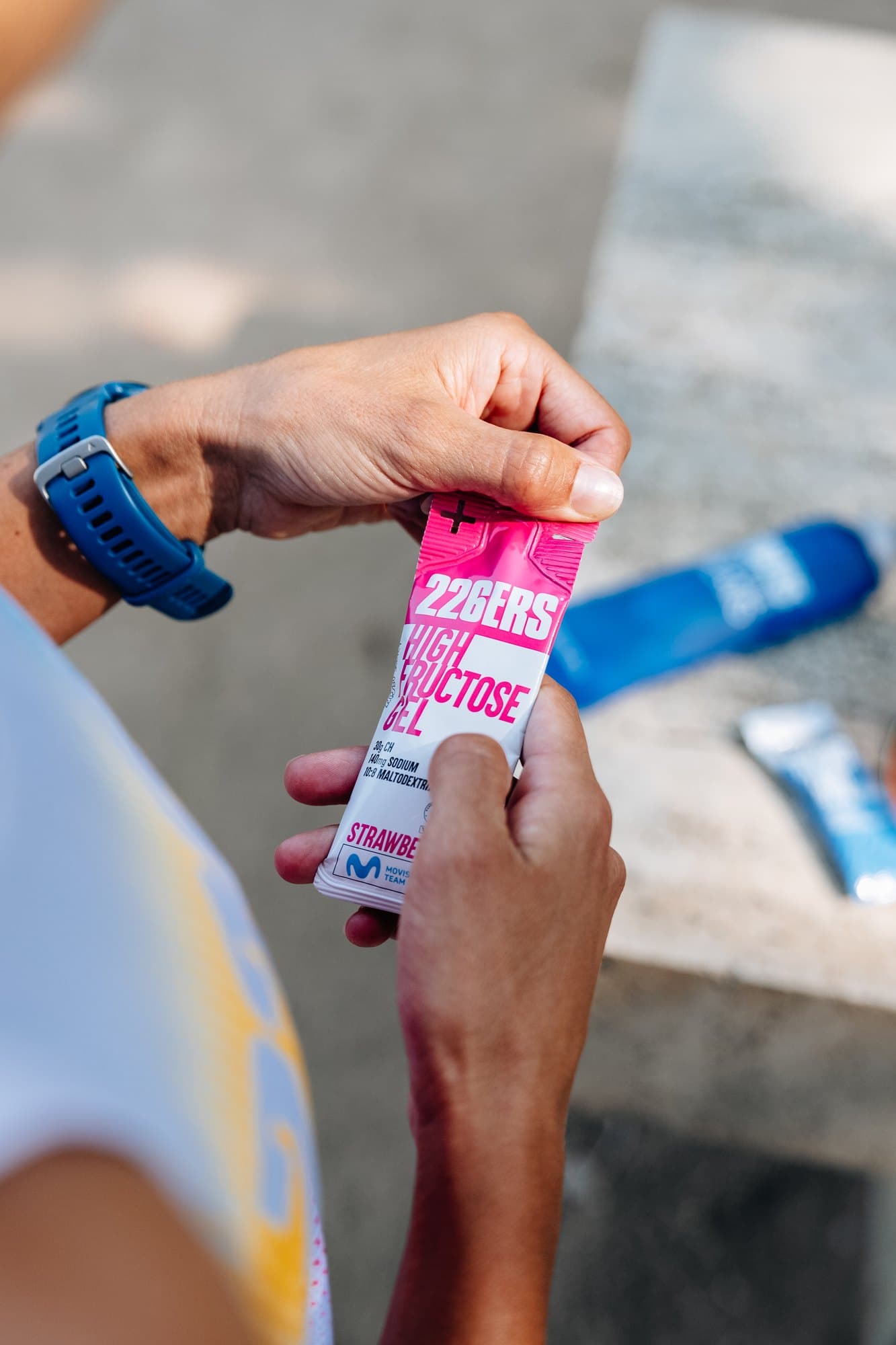
The main question beginners ask about the 10K is this: how many gels should I carry. The answer from the plan: if you run faster than 55 minutes, you do not need gels on course. After a normal breakfast, the glycogen stored in your muscles and liver covers an effort like that with plenty to spare, and trying to eat a gel at a high heart rate ends in a heavy stomach far more often than in extra pace. This is one of the most common mistakes: copying a marathon fuelling plan onto a distance that lasts less than an hour.
If your 10K takes longer than 55 minutes: one gel at minute 30
For anyone spending more than 55 minutes on course, the plan allows for a single gel at roughly the 30-minute mark. The options: XS Lemon without caffeine, or SiS GO Isotonic, which does not need to be washed down with water. That last point is especially handy at city races, where aid stations are sparse or water is poured into cups you cannot really drink from on the move. One gel halfway through solves less of an energy problem than a psychological one: it splits the race into two halves and gives you a tangible reference point.
Shoes and kit: nothing new on race day
You race in the same shoes you train in. The rule applies to all your kit: socks, shorts, race vest, number belt. Over 10 km new shoes have time to rub a heel or an arch within the first few kilometres, and an unfamiliar seam on a shirt turns into chafing by the finish. The one thing worth checking in advance: that everything is clean, dry and laid out the evening before rather than in a rush in the morning.
Warm-up and start pen: the classic mistakes at a city 10K
A 10K starts fast, so the warm-up matters just as much as it does before an interval session: easy running, a few strides, some mobility work. The second common mistake is heading into the pen too early and cooling down while standing in a November wind. The third is starting from a group noticeably faster than your own pace and running the first kilometre on adrenaline, then paying for it at the seventh. It is wiser to hold an even pace and pick it up in the final third if you still have something left.
How to test your nutrition plan before race day
Any plan only works once you have rehearsed it. The most reliable way to check it: do a time trial or a tempo session over 8 to 10 km at the same time of day, with the same breakfast and the same pre-start nutrition. That way you find out in advance how your body reacts to caffeine, whether breakfast is absorbed in 2.5 to 3 hours and whether eating a gel at a high pace feels comfortable. After one such rehearsal, race morning becomes routine rather than a series of guesses.
The conclusion is short: over 10 km the order of things matters more than the amount of fuel. Breakfast 2.5 to 3 hours out, a clear decision before the start, at most one gel if the race takes longer than 55 minutes and familiar shoes cover almost every question. You can put together nutrition for your specific race and distance at spacefuel.kz.
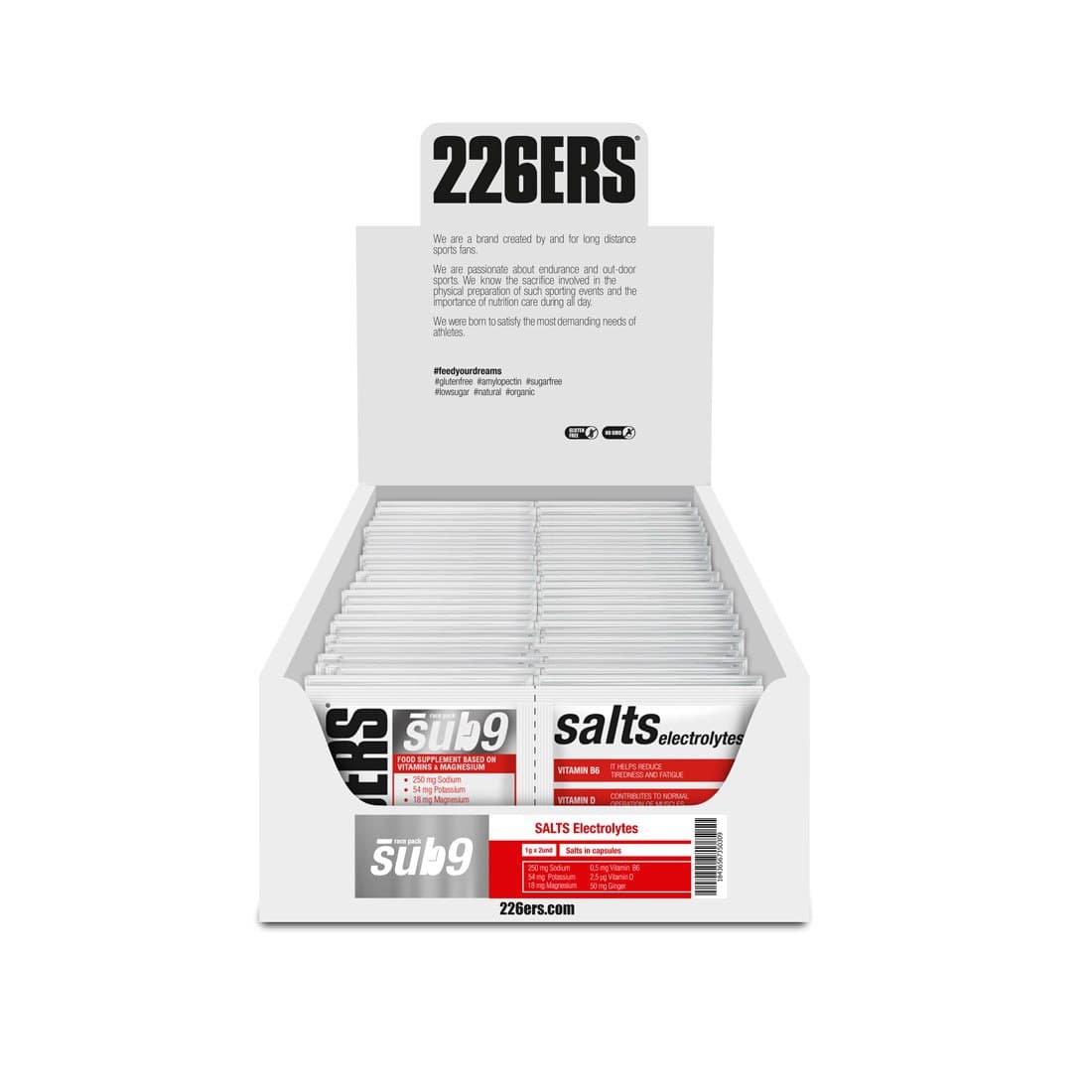
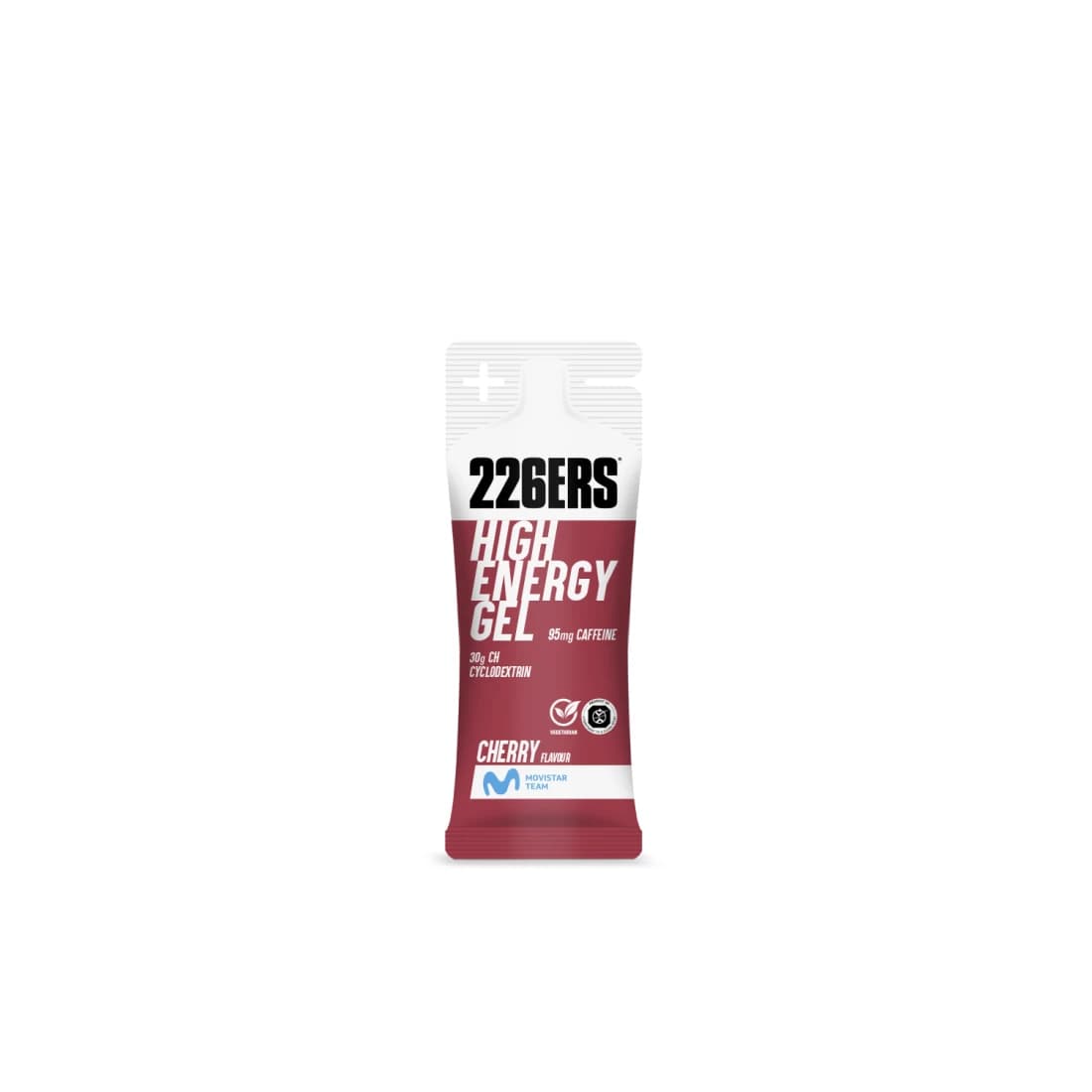
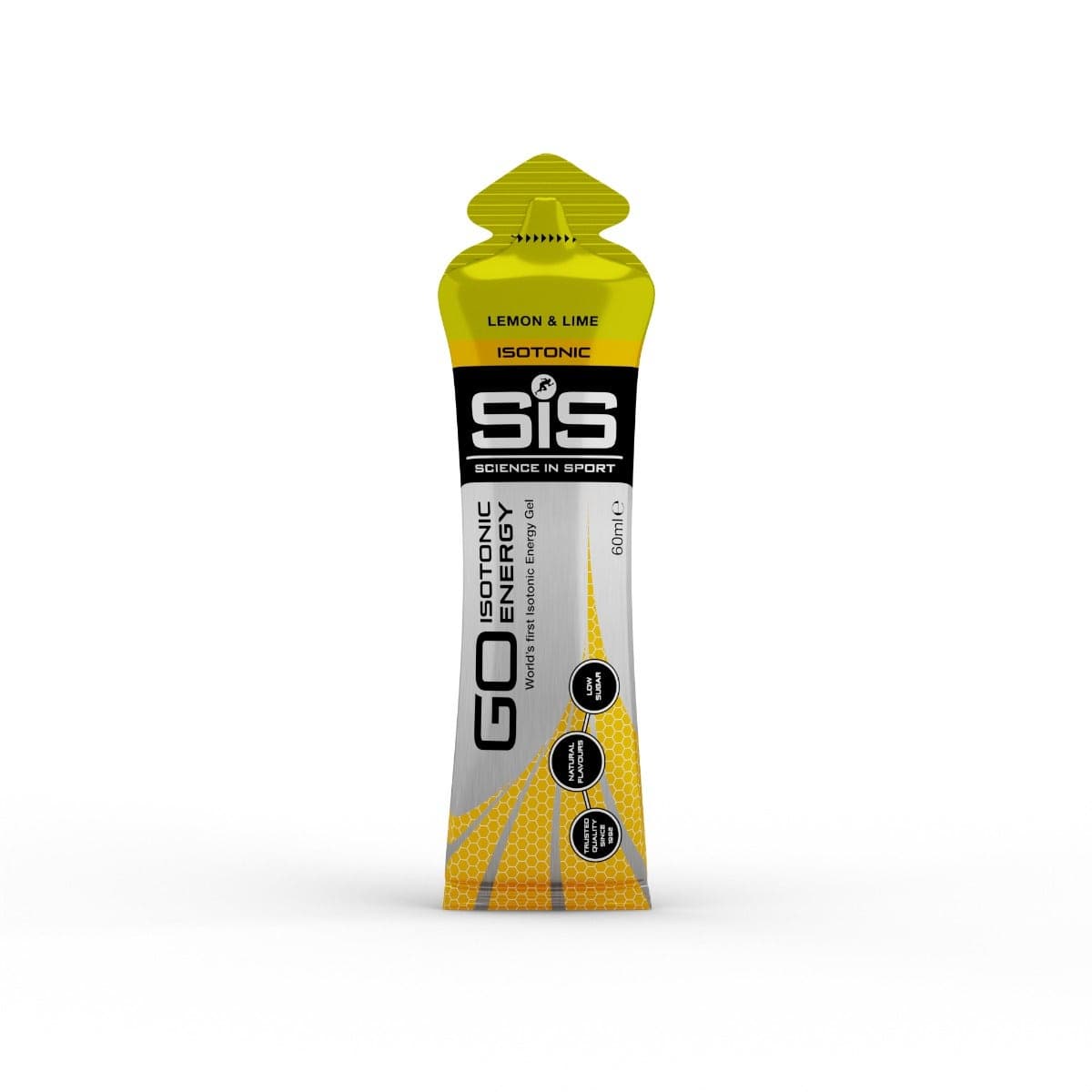
Photo: Фото: 226ERS
FAQ
Do you need a gel for a 10K?
If you plan to cover the distance faster than 55 minutes, you do not need gels. If your 10K takes longer than 55 minutes, one gel at around the 30-minute mark is enough.
How many hours before a 10 km race should you have breakfast?
2.5 to 3 hours before the start. A simple, familiar breakfast works well: porridge, a banana and tea.
Which gel should you take if there is little water on course?
SiS GO Isotonic, which does not need washing down. That is handy at city races where aid stations are sparse.