A runner's winter routine affects form more than it seems. The training plan stays roughly the same as in autumn, yet in winter the results somehow slide: colds appear, mornings feel heavy, long runs fall apart. This article is about assembling the winter day around training: what to do in the first half hour after waking, how to head out into the cold, what to do the moment you get back and how to close the evening. It will be useful for runners, cyclists and triathletes who work through the base period in winter and want to reach the spring season without any collapses.
In winter it is not the training that breaks your form, but the small things around it
In summer, routine mistakes are forgiven: it is light and warm, food goes down easily, recovery takes care of itself. In winter every small thing costs more. Darkness disrupts your sleep rhythm, cold adds an extra load on top of the session, dry indoor air speeds up fluid losses, and the short day squeezes out meals. The result is that the load stays the same while your ability to absorb it drops. So in winter it is worth working not on the plan but on the four points of the day that hold the whole structure together: the morning, heading out to train, the first hour afterwards and the evening.
Morning: light in the first half hour, water and a protein breakfast
The first point falls in the first thirty minutes after you get up. Light at that moment sets your daily rhythm: in Kazakhstan the winter dawn comes late, and the body easily slips into a state of permanent half sleep. Step out onto the balcony, switch on a bright light, go over to the window: that is enough for the morning to begin. Then a glass of water, because fluid is lost overnight through breathing and sweat, and a protein breakfast, which keeps you full for several hours and supports muscle recovery after yesterday's work.
Ten minutes of warming up indoors: go out already warm
The second point concerns the moment you step into the cold. Ten minutes of warming up indoors, and out into the street already warm: a simple rule that solves several problems at once. Cold muscles and tendons stretch worse, joints work through a smaller range, and the first kilometres are run with a stiff technique. Add to that a cold breath taken at full effort, which almost always feels like burning in the throat. If you raise your heart rate and body temperature in advance, a winter run starts with proper running rather than ten minutes of endurance.
Take wet kit off straight after training
The third point: the first minutes after you get back. Wet clothing on a cooling body draws heat away many times faster than air does, and this is exactly where people most often pick up a chill and lingering colds in winter. Take off everything that is soaked, change into something dry, get to a warm shower: this matters more than stretching immediately or uploading your data to an app. A separate situation is training far from home. In that case a dry T-shirt and a warm top should be packed in your bag in advance, otherwise the journey back becomes the most dangerous part of the day.
Food with protein and carbohydrates within an hour after training
Next, within an hour you need food with protein and carbohydrates. Carbohydrates restore the glycogen stores spent during the session, protein covers the need for amino acids to repair muscle fibres. In winter this is the point people skip most often: after the cold you first want to warm up, then to lie down, and then it turns out that dinner is still four hours away. Ordinary home cooking works, as does a recovery drink if your appetite does not switch on after the cold. Hot food works better than cold food in winter simply because you actually want to eat it.
The last substantial meal 2-3 hours before bed
The fourth point: the evening. The last substantial meal two to three hours before bed leaves time for digestion and lowers the chance of struggling to fall asleep and waking in the night. This is not about going hungry before bed: if an evening session finished late, you need food in any case, the portion is simply kept gentler in composition. The problem is usually elsewhere: a person under-eats all day and then compensates for everything at once in the evening, so the night goes on digestion instead of recovery.
Going to bed at the same time: why a runner needs a steady sleep schedule
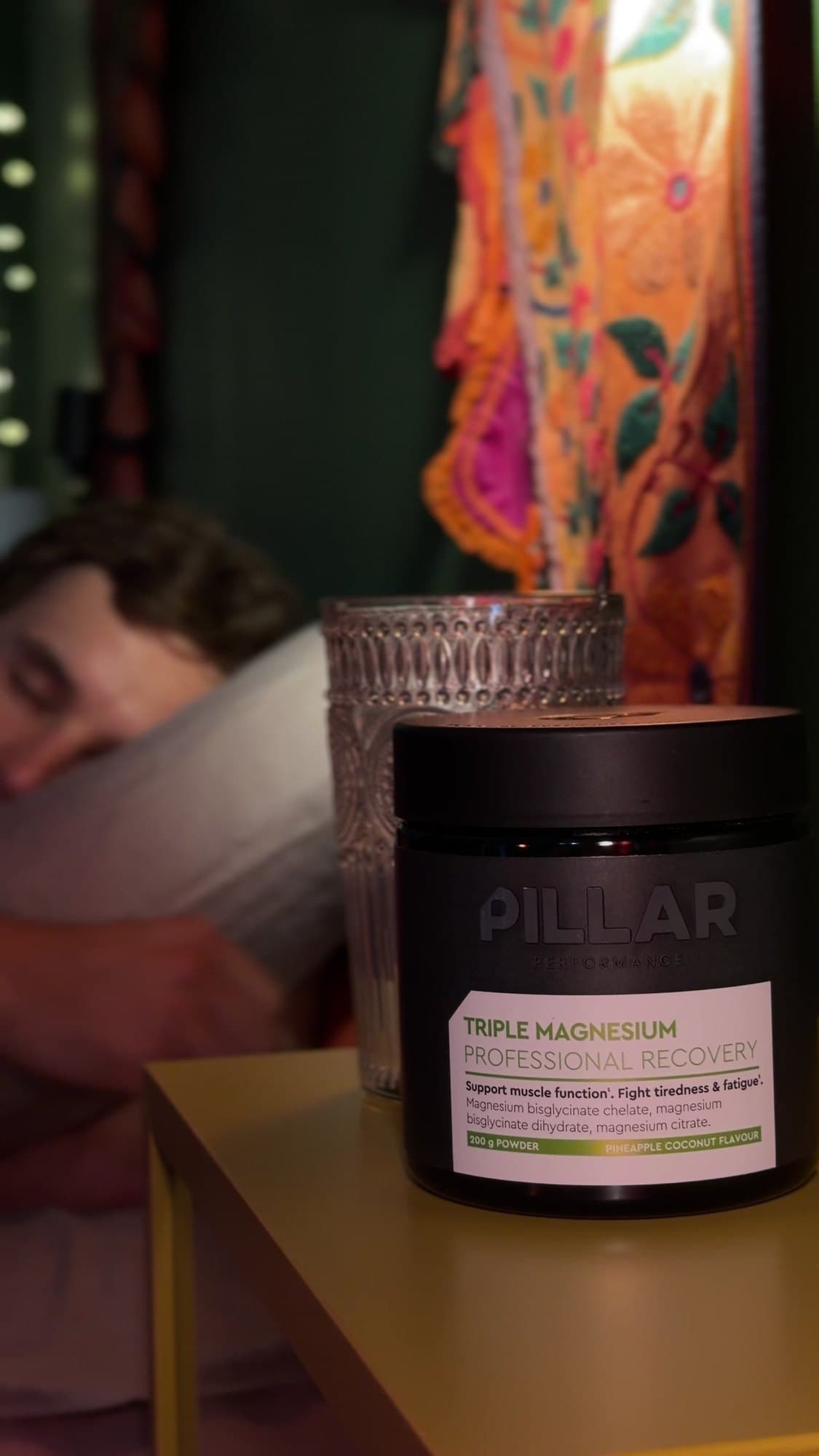
The second half of the evening rule: go to bed at the same time. A steady bedtime works more reliably than trying to catch up on sleep at the weekend: the body gets used to the schedule and falls asleep faster. In winter this schedule is especially easy to break, because it is dark by six in the evening and the evening stretches out by itself. A useful guide: plan not the time you fall asleep but the time you switch off your screens and go to get ready for bed. The same bedtime plus morning light give you a pairing that holds the rhythm all winter.
Typical mistakes in a winter routine
The first: cutting the warm-up short because standing still is cold. That is where injuries and ruined interval sessions come from. The second: not drinking, since in the cold you barely feel thirsty while fluid losses continue, especially under several layers of clothing. The third: putting off the post-training meal until later. The fourth: chasing the perfect day instead of a regular one. In winter it is tempting to build an exemplary schedule for Monday, fail on Tuesday and start again a week later. The opposite is what works: a moderately good routine repeated many times in a row.
What is worth repeating every day
A winter routine does not require heroics: light and protein in the morning, ten minutes of warming up before you head out, dry clothes and food in the first hour after training, a calm dinner and the same bedtime every night. One perfect day settles nothing, a hundred ordinary days in a row do. If this scheme is missing the tools for recovery and everyday nutrition, you can look at PILLAR products and other endurance brands on spacefuel.kz.

FAQ
Do I need to warm up before a winter run?
Yes, about ten minutes of warming up is worth doing indoors so that you head outside already warm. Cold muscles and tendons stretch worse, and otherwise the first kilometres are run with a stiff technique.
What should I eat after training in winter?
Within an hour after training you need food with protein and carbohydrates: carbohydrates restore glycogen, protein supports muscle recovery. Hot food is easier to take in winter, and when your appetite is missing a recovery drink helps out.
How many hours before bed should I eat if I train in the evening?
It is better to place the last substantial meal two to three hours before bed, so that digestion does not interfere with falling asleep. After a late session you still need food, the portion is simply kept gentler in composition.
Read next