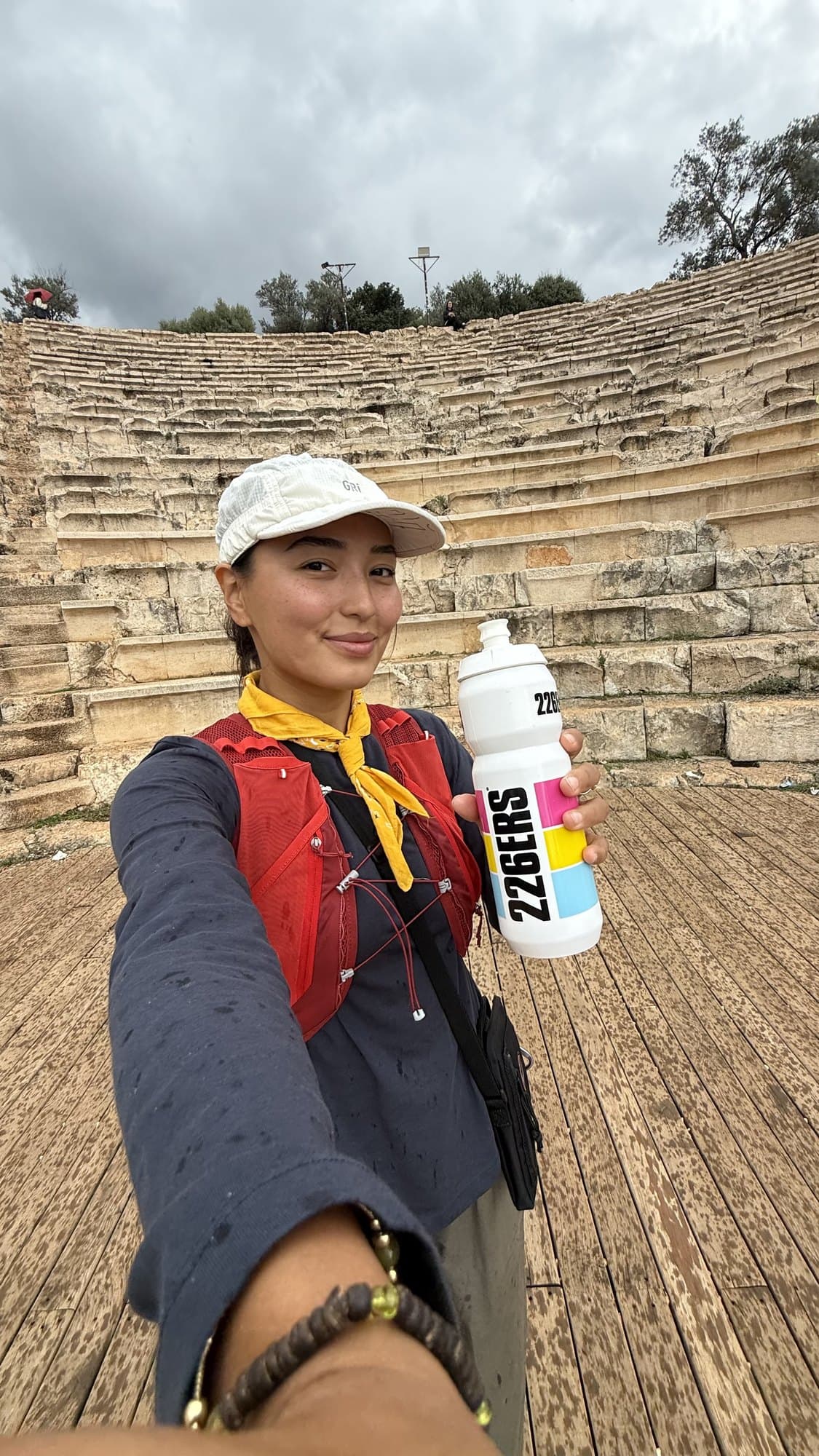
Nutrition on a multi-day trek and nutrition at an ultra trail solve two different problems, and it is worth keeping them apart. On a trek the load is moderate, but it lasts all the daylight hours and repeats day after day: the main risks here are dehydration, loss of electrolytes and accumulated fatigue. In a race the load is shorter, yet the intensity is higher and the stomach copes less well. This piece will be useful to anyone planning a trek on a route such as the Lycian Way, a start at an ultra trail, or both in a single trip. It is built around the nutrition kit of Saltanat Arstanbekova, who hiked the Lycian Way and ran the Cappadocia Ultra Trail: she described the contents of her pack in November 2026.
Trek and race: why the two nutrition kits are packed separately
A multi-day crossing and an ultra trail call for different priorities. On days of 6 to 10 hours of walking the body gets through a lot of fluid and salt, but the pace lets you eat ordinary food and drink calmly. In a race there is almost no time to eat, so carbohydrates arrive in concentrated form. If a trip combines both a trek and a start, it makes more sense to build two subsets: one for the daily crossings, one for race day, and not to spend the race nutrition early.
Electrolytes on a trek: water without salts does not restore the balance
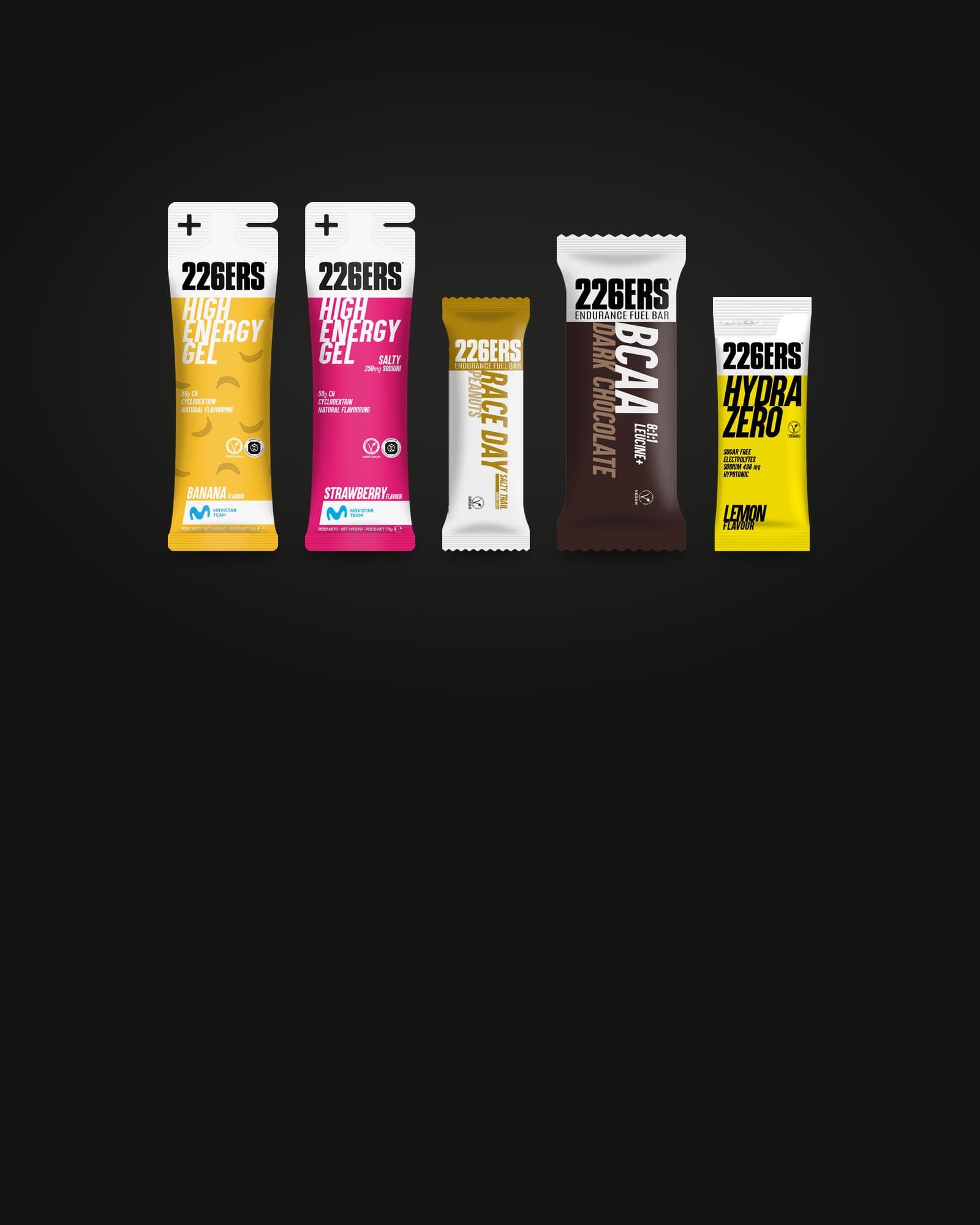
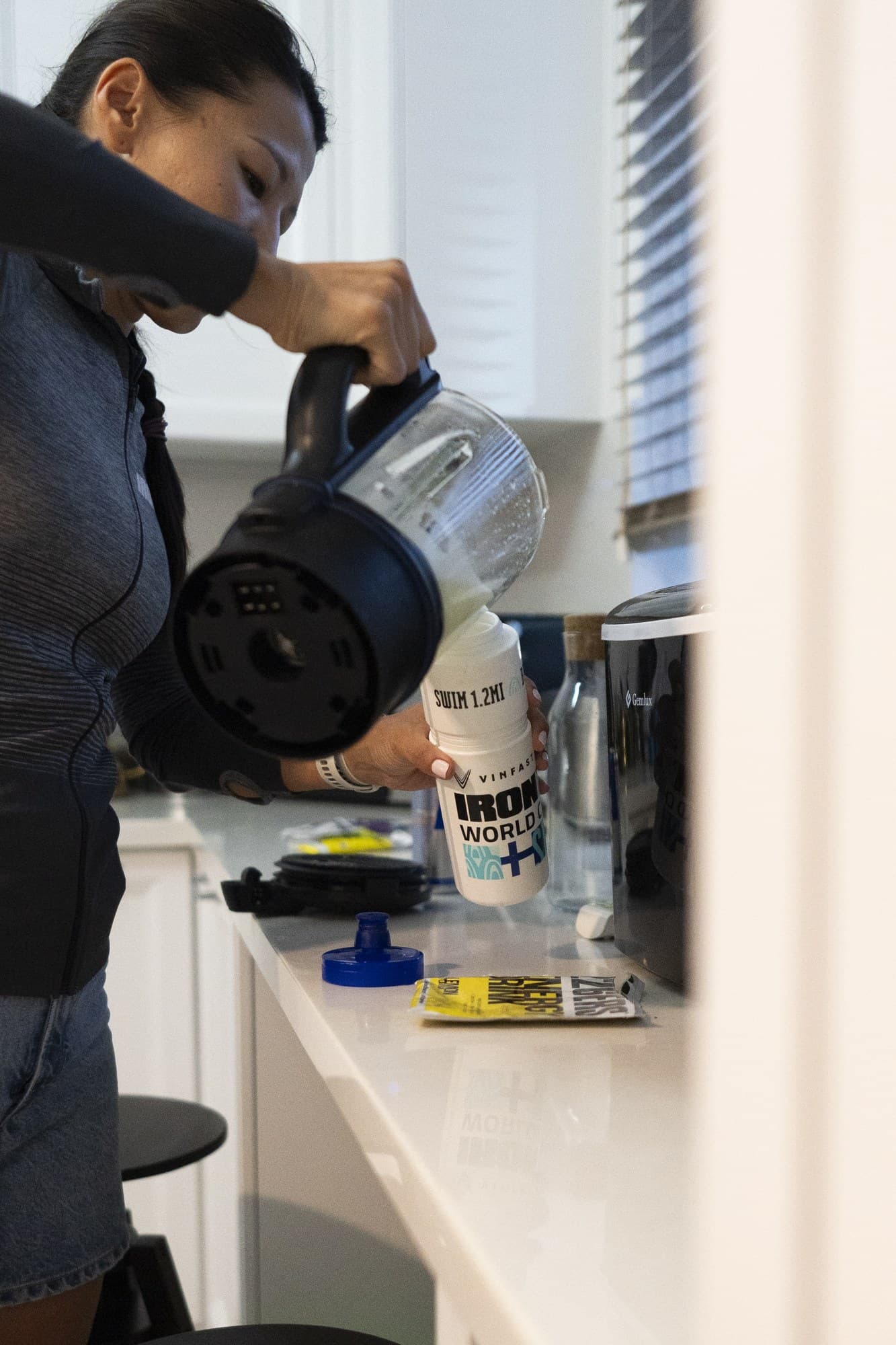
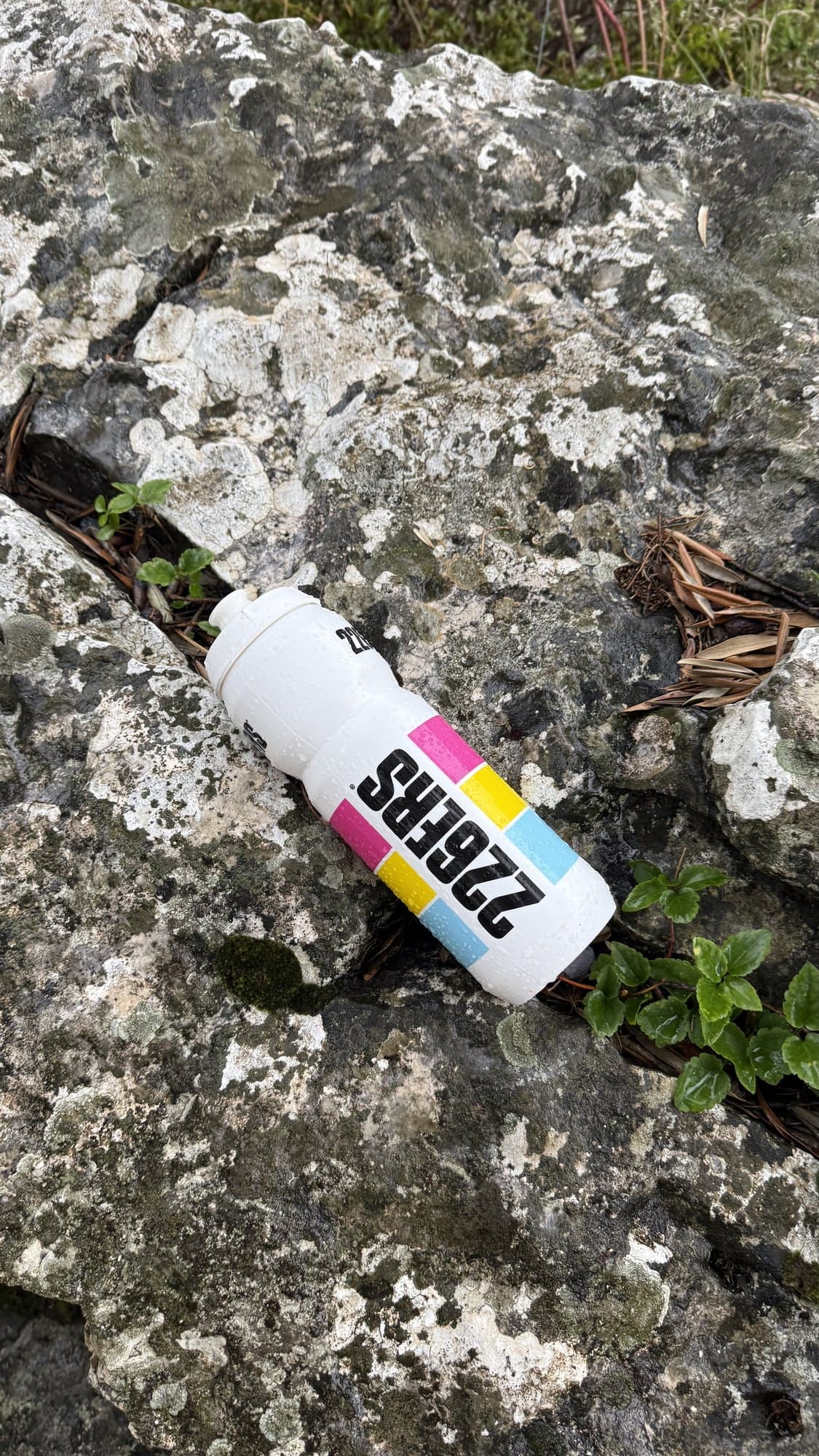
Saltanat's pack held High Fructose Energy Drink every single day. Her explanation is simple: “We walked a lot, we sweated and we lost electrolytes, so replacing fluid and minerals mattered to me.” This is the key point that newcomers to trekking often miss. Sweat carries away not only water but sodium, plus smaller amounts of potassium and magnesium. If you drink only plain water in large volumes, the sodium concentration in the blood falls, and sluggishness, headaches and cramp follow. A drink with carbohydrates and salts covers three jobs at once: fluid, minerals and energy.
Bars on long crossings: compact fast carbohydrates
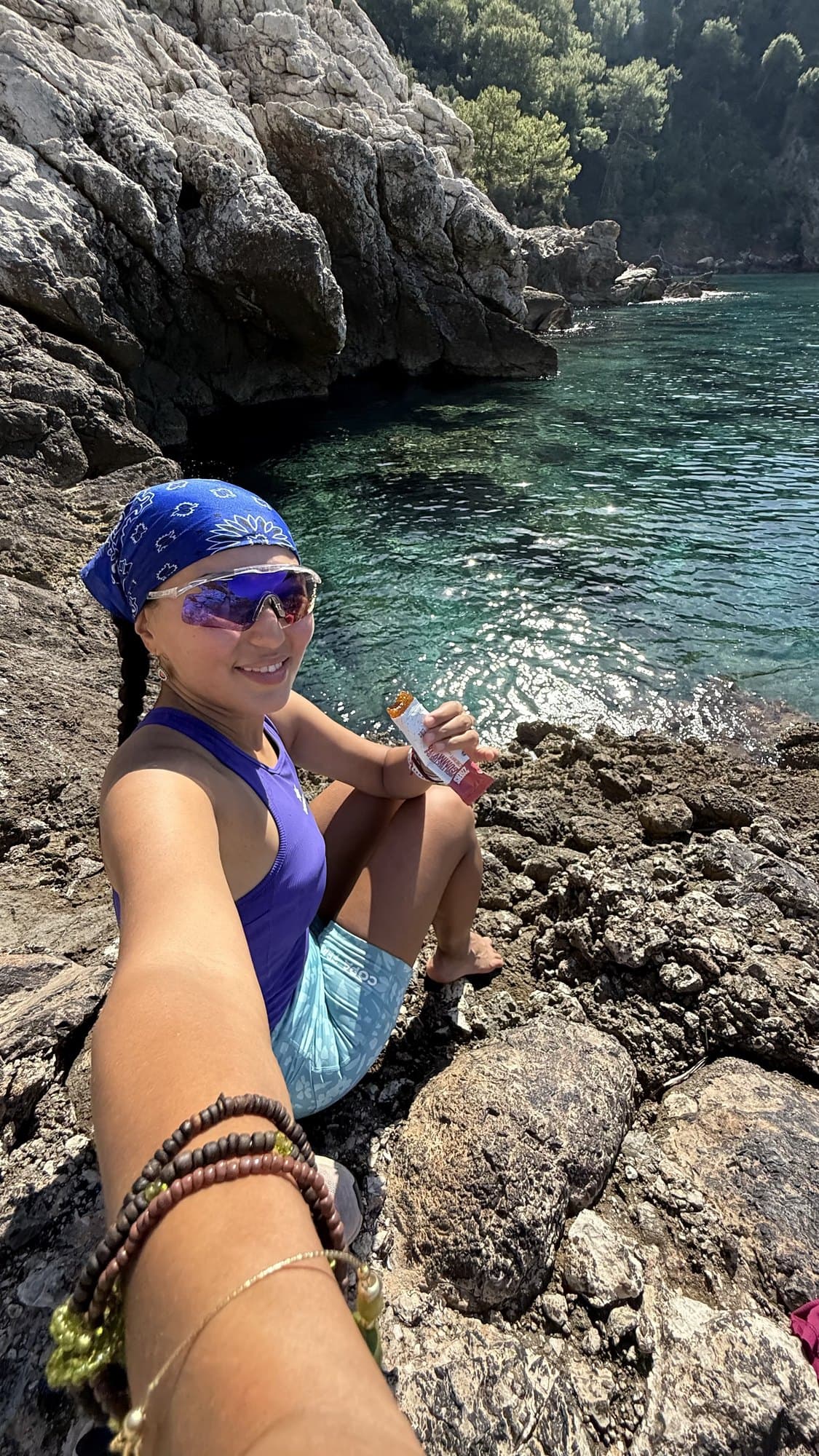
On the move Saltanat ate High Fructose Gummy Bar: “Compact bars that give you fast carbohydrates and help keep your energy up during long walks.” The logic is the same as on a long run: better to eat a little and often than to wait until hunger arrives and the pace collapses. On a trek it helps to tie food to the terrain: a snack before a long climb rather than halfway up it. Worth noting separately, Saltanat also took these bars on her ordinary running sessions. That is what proper rehearsal looks like: what you eat in training will not surprise your stomach on a trek or in a race.
Gels at an ultra trail: carbohydrates taken while you run
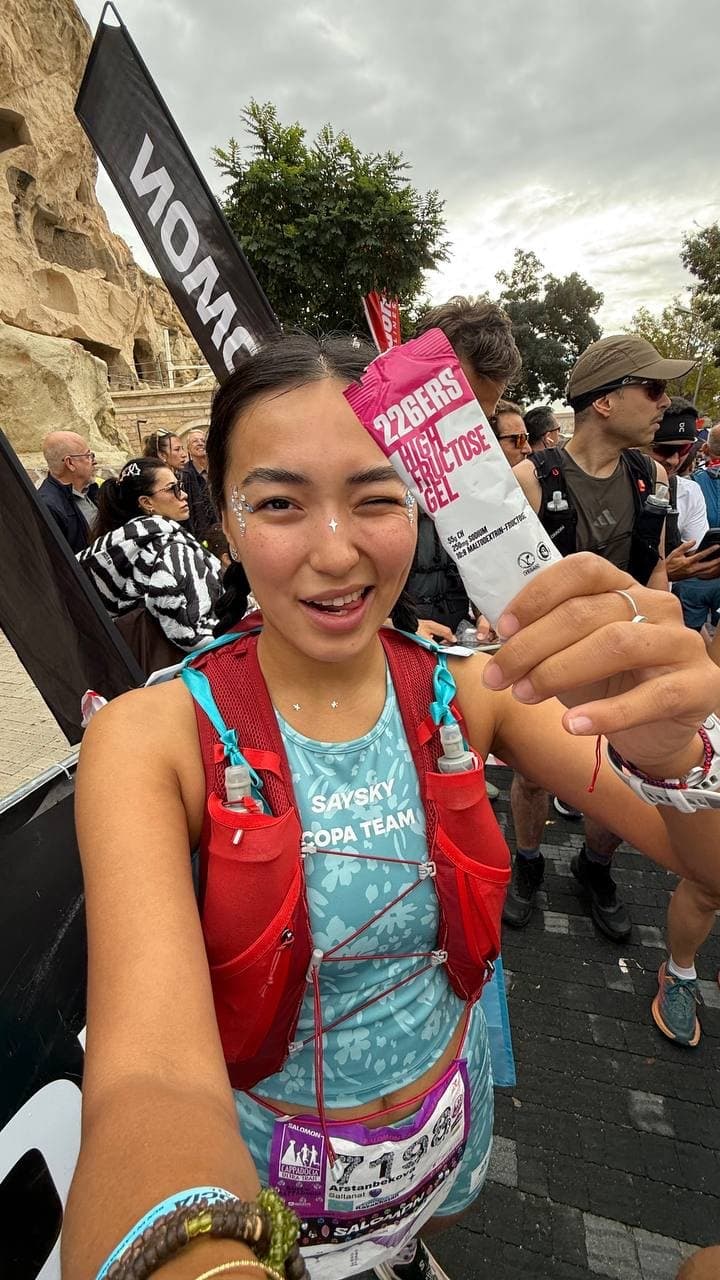
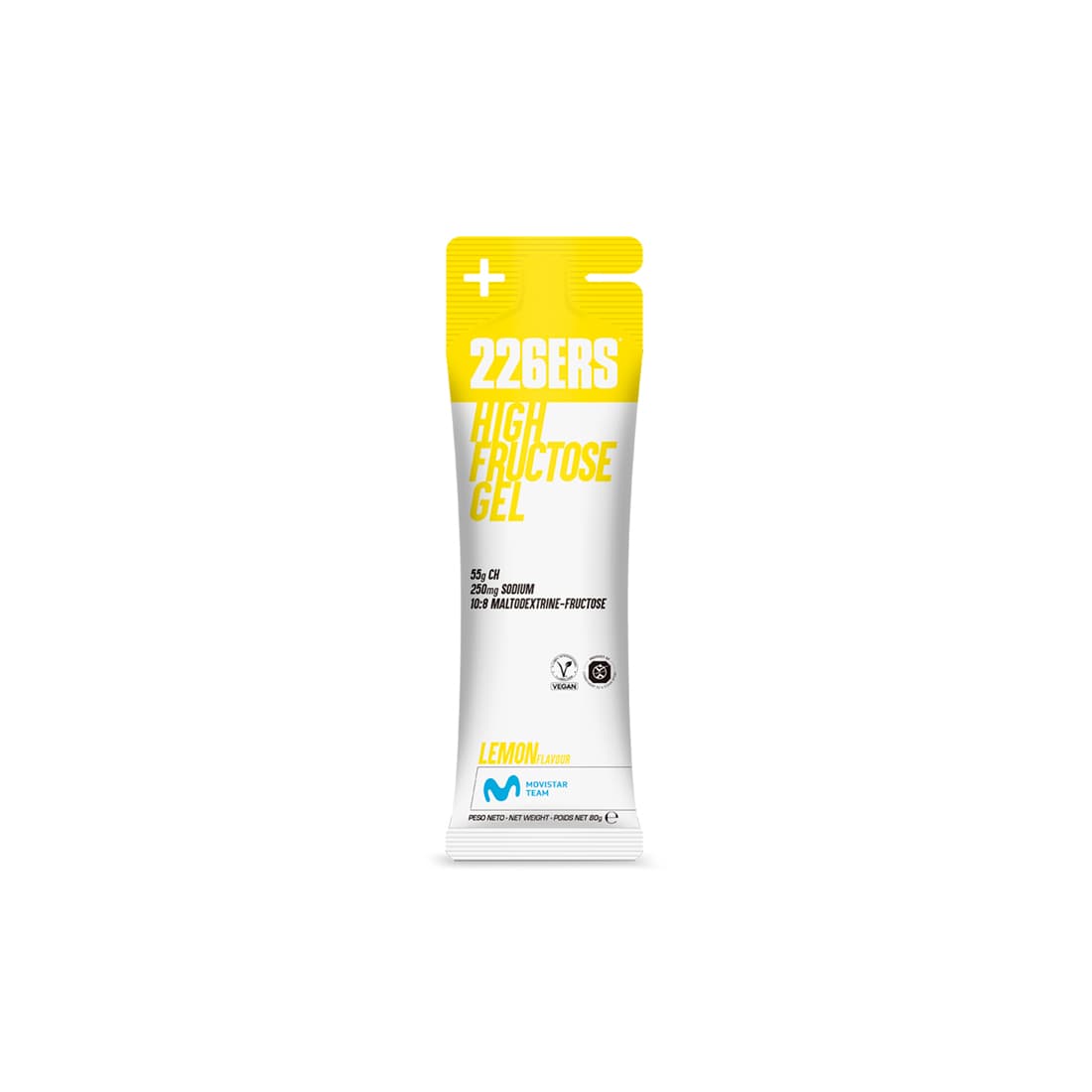
At the Cappadocia Ultra Trail Saltanat used High Fructose gels: “They helped me take in carbohydrates while I was actually running.” In an ultra the stomach often turns down solid food, especially in the second half of the distance, and gels remain the most predictable source of carbohydrates. The general rule of trail preparation: decide in advance how many gels belong to each section between aid stations, and spread them through your vest pockets so that you can reach the one you need without stopping or taking the pack off.
Why nutrition products mix sugars: glucose and fructose together
Mixed carbohydrate sources are used because glucose and fructose are absorbed through different transport routes in the gut. When the effort is long, glucose on its own runs into its absorption ceiling, and everything above that stays in the stomach, causing heaviness and nausea. Adding fructose lets the body process more carbohydrate per hour on the same amount of water. The practical conclusion for trail and ultra running: on distances longer than two hours it makes sense to choose products with a mixed composition rather than to keep increasing the volume of a single sugar.
Recovery after the hardest days of a trek: immune support
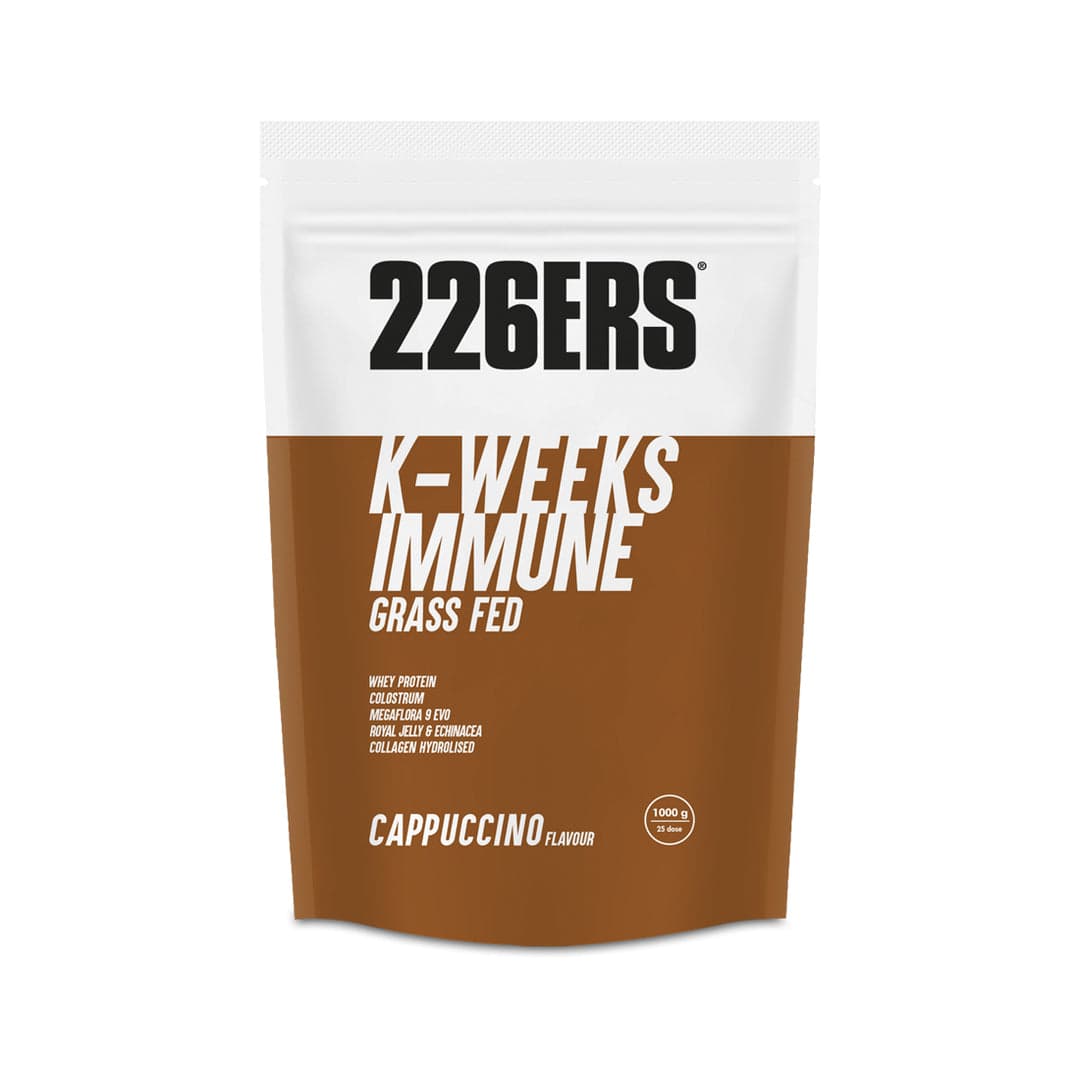
After the toughest days Saltanat took K-Weeks Immune: 40 g in 500 ml of water. Days of effort without proper rest, swings in temperature, sleeping in unfamiliar conditions and travel itself all take a toll on the immune system, and that is a well known problem on any long trip. The basic recovery routine on a trek looks like this: replace fluid and salts straight after the crossing, eat carbohydrates and protein in the first few hours, let the body sleep. Immune support on the hardest days fits naturally into the same order.
How to pack: weight, access and a margin for bad weather
On a multi-day trek every gram is noticeable, so food is chosen by calorie density and by packaging that will not tear or melt. Powders in sachets beat ready-made drinks, because you carry the water anyway or collect it along the route. Inside the pack a simple rule applies: whatever you need on the move lives in the lid or the side pockets, not at the bottom under the tent. And a small reserve for one extra day is always useful: a weather delay or a crossing that drags on happens regularly.
Typical mistakes on the trail: starting to eat too late and trying new products
First mistake: eating and drinking only once you already feel bad. Carbohydrates and electrolytes work ahead of the curve, and catching up on a deficit out on the route is close to impossible. Second mistake: trying unfamiliar nutrition on the trip or on race day. The stomach trains just like muscle, and everything should be rehearsed on long sessions at home. Third mistake: going by thirst alone. In cool weather and at altitude thirst becomes blunted while losses through sweat and breathing continue, so it is better to drink to a schedule. Fourth mistake: ignoring recovery in the middle of the trip and counting on resting once you are back home.
One approach for different loads: from crossings to races
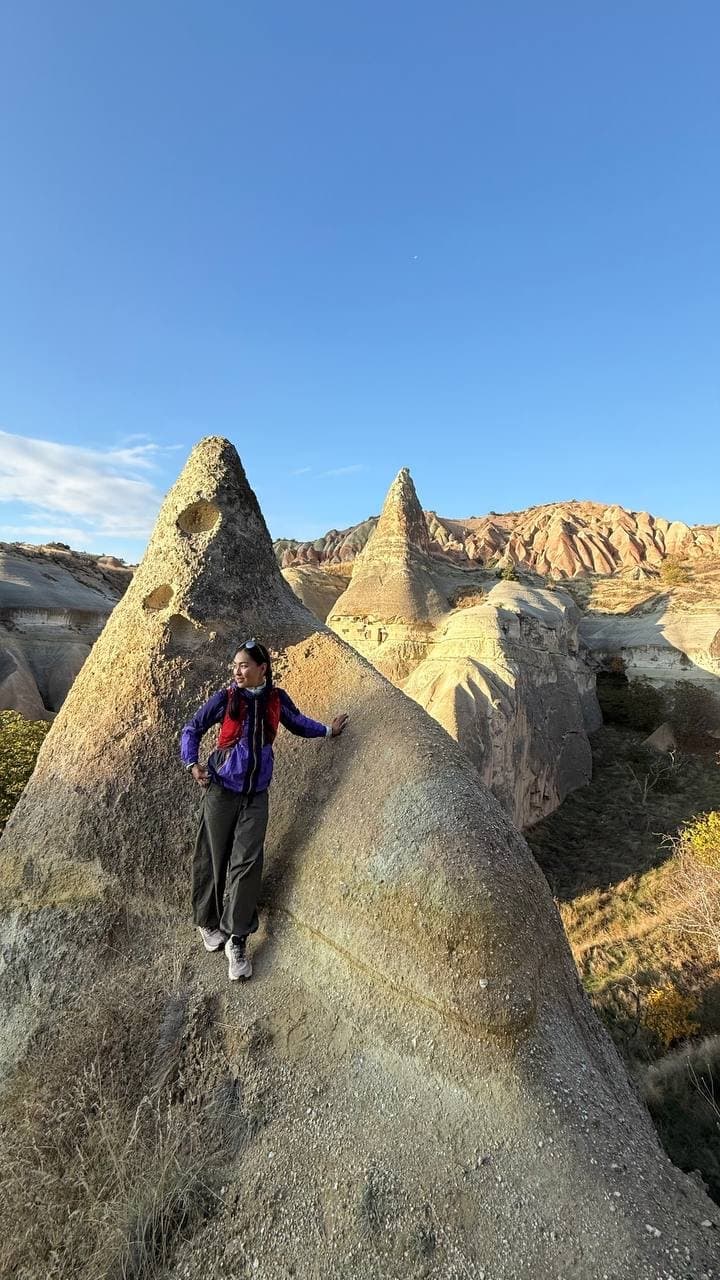
Saltanat herself puts the point like this: “What I like is that sports nutrition can be matched to different loads: long crossings, running sessions, races and recovery after active days.” That is the working model for anyone combining trekking with competitive running. Not a separate kit for every occasion, but one clear principle: an electrolyte drink for volume and heat, compact carbohydrates on the move, gels for intensity, recovery support after the hardest days.
A multi-day trek and an ultra trail in one trip are perfectly realistic if the nutrition is thought through in advance and tested in training: fluid and salts every day, regular carbohydrates on the crossings, gels on the distance, recovery after the hard sections. Everything that was in Saltanat Arstanbekova's pack can be put together at spacefuel.kz and rehearsed calmly before the trip.

FAQ
What sports nutrition should you take on a multi-day trek?
The basics are an electrolyte drink for every day, compact carbohydrate bars for the crossings and recovery support after the hardest days. On the Lycian Way Saltanat Arstanbekova used High Fructose Energy Drink daily, High Fructose Gummy Bar on the move and K-Weeks Immune, 40 g in 500 ml of water, after the hard days.
Why can you not drink water alone on a trek?
Sweat carries away not only fluid but sodium along with other minerals. If you replace large volumes with plain water, the sodium concentration in the blood falls and sluggishness, headaches and cramp appear, which is why electrolytes are added to the drink.
What can you eat at an ultra trail if your stomach refuses food?
In an ultra gels remain the most predictable source of carbohydrates: those are exactly what Saltanat used at the Cappadocia Ultra Trail to take in carbohydrates while running. Products that combine glucose and fructose are absorbed better because they travel through different transport routes in the gut.