The most common question before a marathon is how many gels to take. The answer depends on your time on course and on how many carbs per hour you've trained your body to take in. Below is a plan based on SiS gels that you can easily adapt to yourself.
The starting numbers
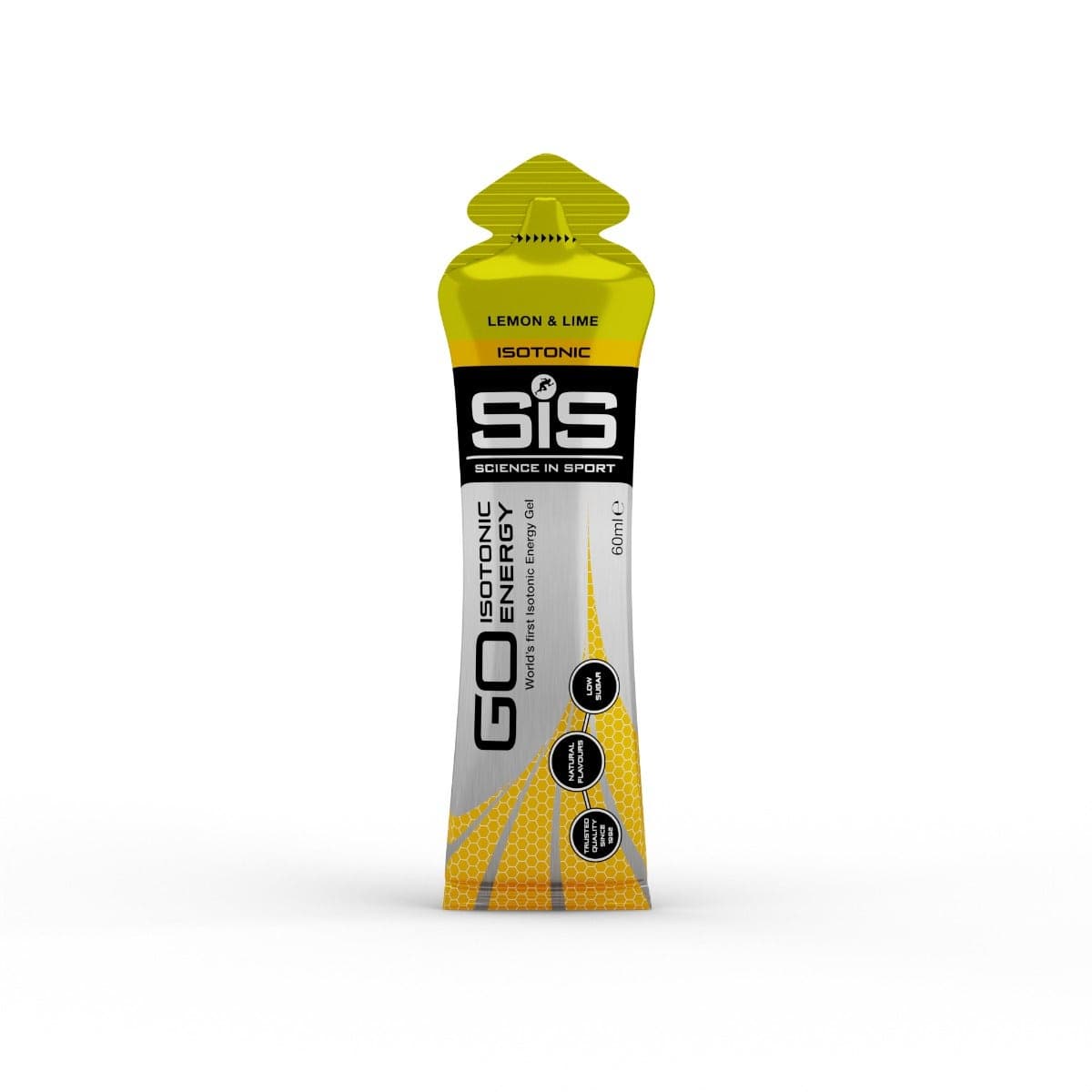
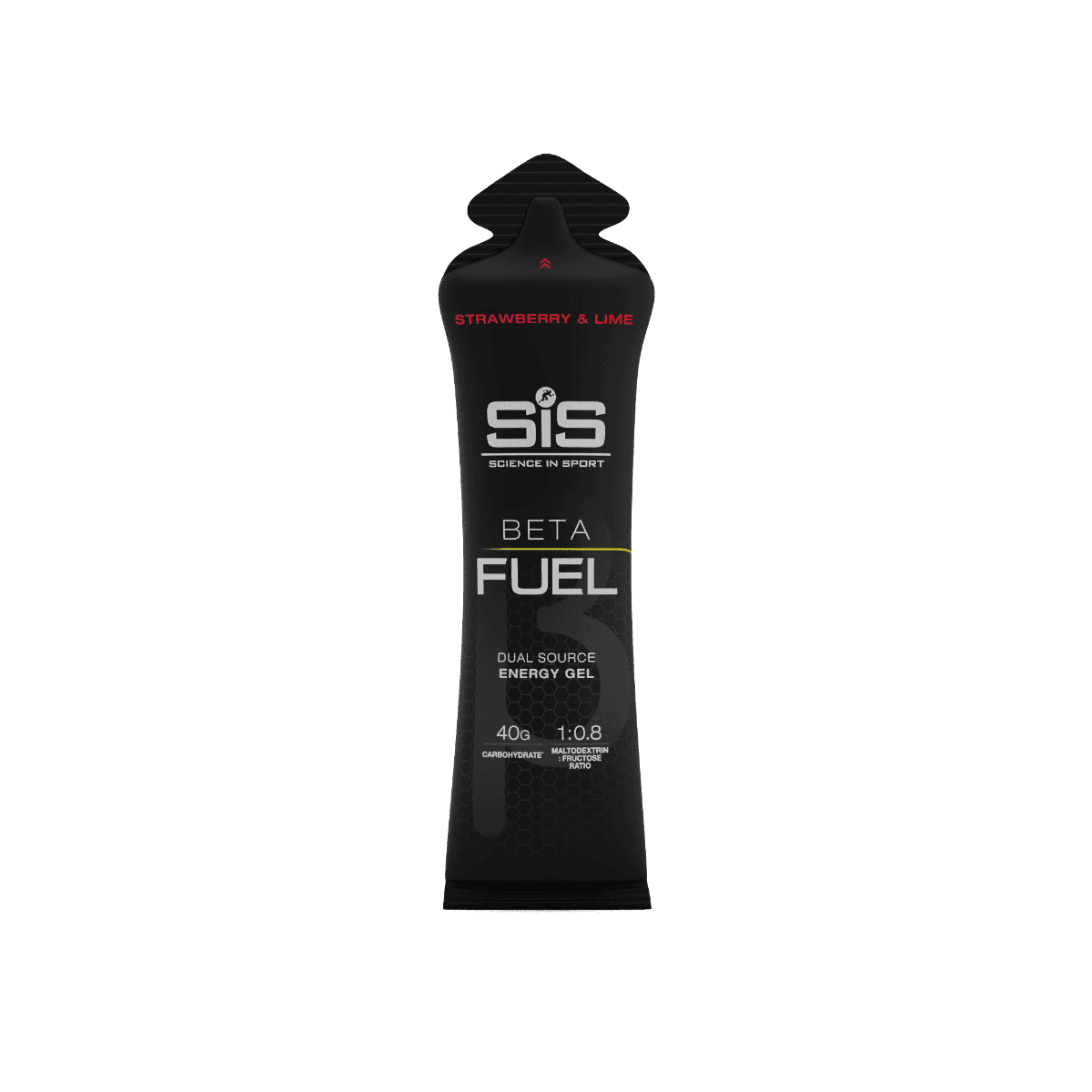
A GO Isotonic gel gives you 22 g of carbs, Beta Fuel 40 g. A working target for long distances is 60–90 g of carbs per hour. In races longer than two hours, well-trained runners go up to 80–120 g per hour, and Beta Fuel was created for exactly that dose.
When to fuel
First gel 10–15 minutes before the start, then one every 25–35 minutes. Go by the timer, not by how you feel: if you wait until it gets hard, you've already left it too late.
5-hour marathon, mostly GO Isotonic
One gel before the start, then one every 25–30 minutes. To reach 60 g of carbs per hour, swap two or three GO Isotonic for Beta Fuel in the second half. That comes to about eight GO Isotonic and three Beta Fuel in total. Plus water at the aid stations.
4-hour marathon, GO Isotonic and Beta Fuel
One GO Isotonic before the start. For the first hour and a half, GO Isotonic every 25–30 minutes. From the second hour, switch to Beta Fuel: one gel roughly every 30 minutes, which is 80 g of carbs per hour. That comes to three or four GO Isotonic and four or five Beta Fuel in total.
3-hour marathon, built around Beta Fuel
The pace is high and eating is the last thing you want to do, so a concentrated gel makes more sense: Beta Fuel every 30 minutes from the first kilometres, five gels in total, about 75 g of carbs per hour. GO Isotonic before the start. You need to practise this dose in advance on long runs at race pace.
Salt and water
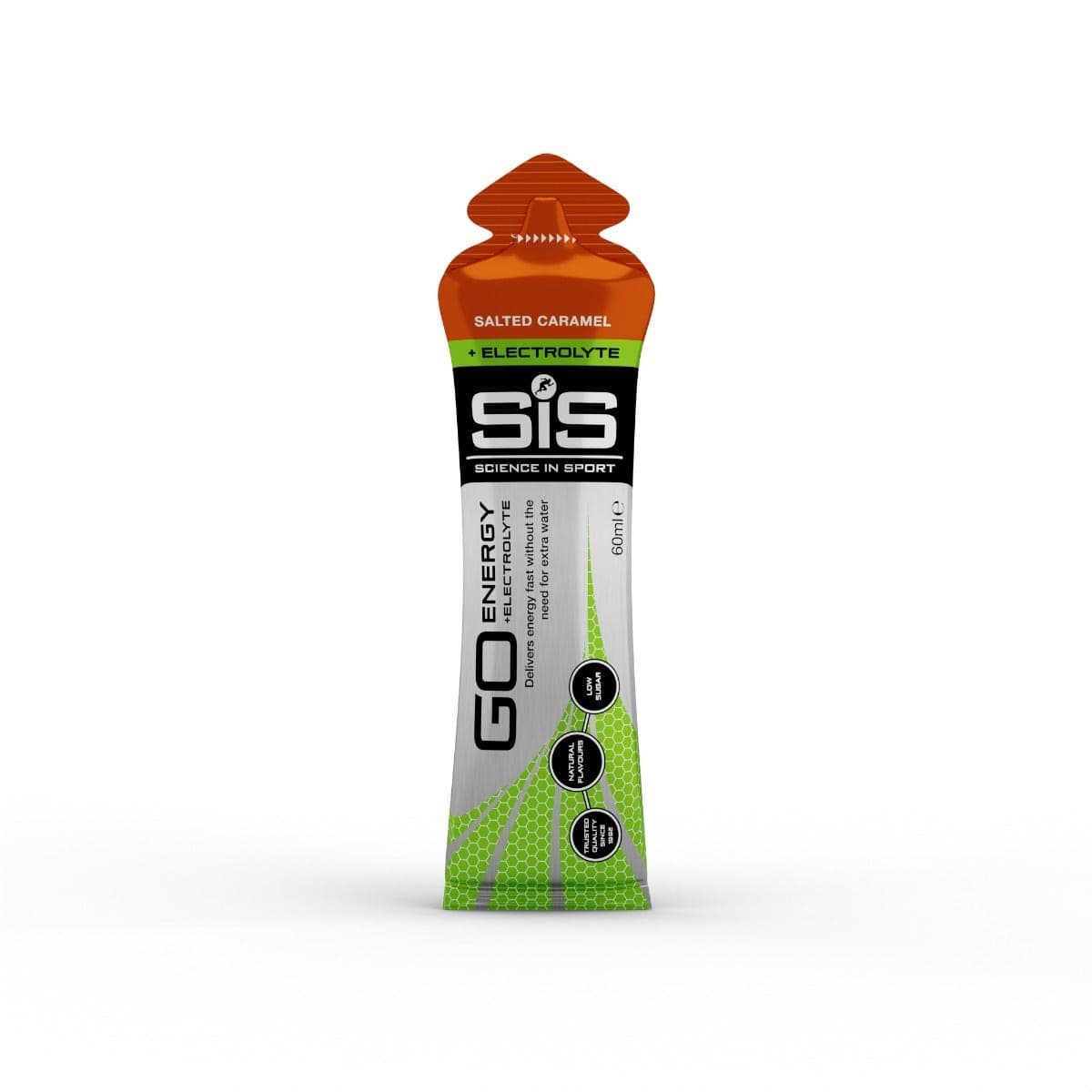
In the heat, replace some of your GO Isotonic with GO Isotonic + Electrolyte: 118 mg of sodium in each. Drink water at the aid stations to plan. You don't have to wash GO Isotonic down, but your body still needs fluid.
One rule: nothing new on race day
Test every plan on a long run two to three weeks before the marathon. Both types of SiS gel are available at spacefuel.kz, and orders in Almaty are dispatched the same day.
FAQ
How many SiS gels do I need for a 4-hour marathon?
One GO Isotonic before the start, GO Isotonic every 25–30 minutes for the first hour and a half, then Beta Fuel roughly every 30 minutes from the second hour. In total three to four GO Isotonic and four to five Beta Fuel.
When should I take my first gel in a marathon?
10–15 minutes before the start, then every 25–35 minutes. Follow the timer, not how you feel.
How much carbohydrate per hour do I need in a marathon?
A working target for long distances is 60–90 g per hour. In races over two hours trained runners go up to 80–120 g per hour, and that dose has to be practised in training first.