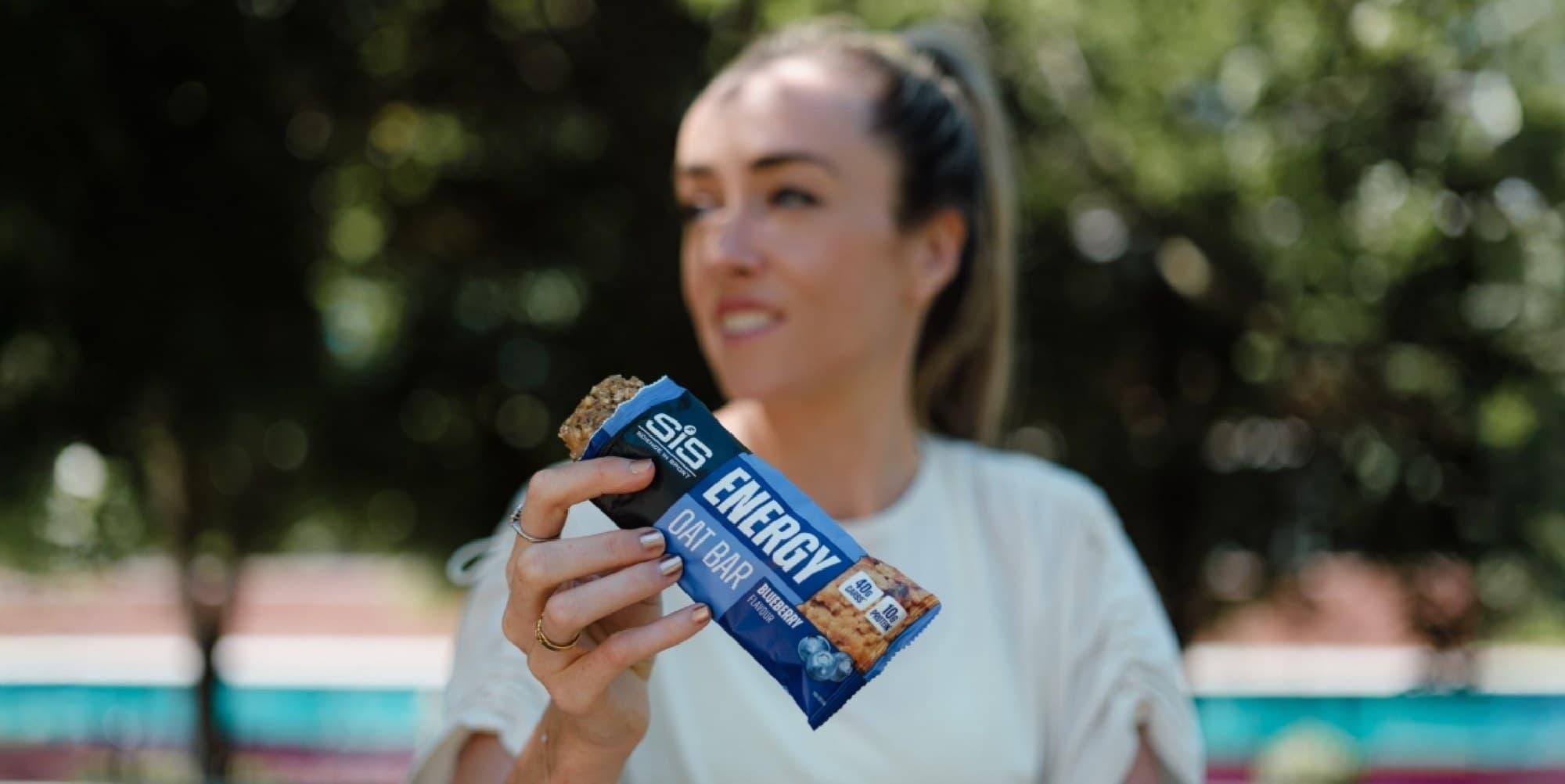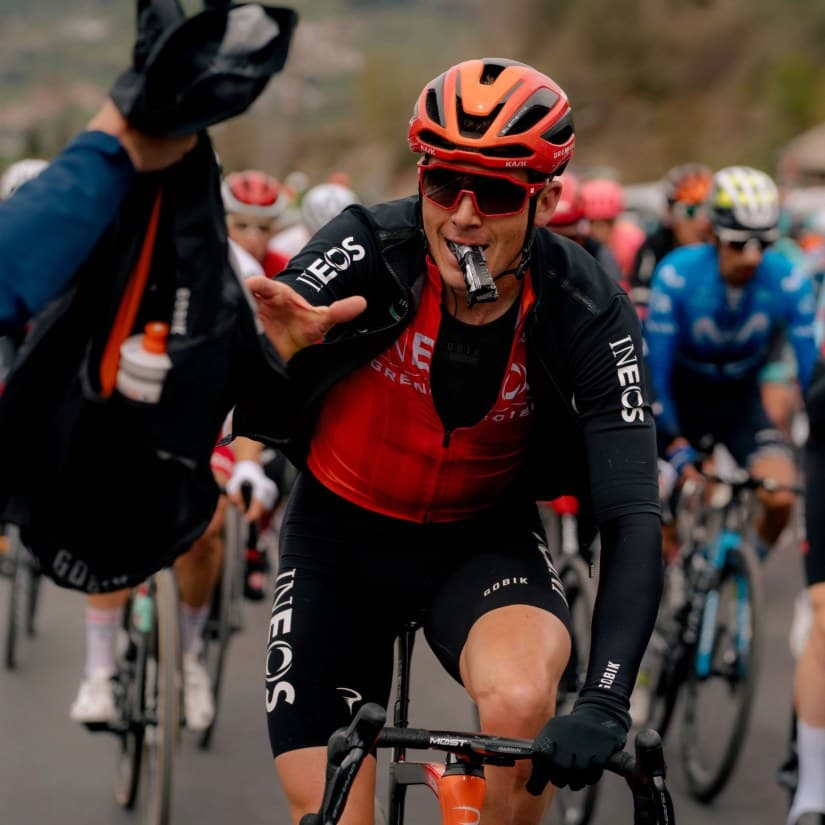
Moving over to sports nutrition usually comes down not to the choice of brand but to your own stomach. The question of how to train your stomach for gels faces everyone who carries nutrition on the course for the first time and gets heaviness, burping or an urgent search for a toilet in return. This article is for runners, cyclists and triathletes preparing for 10 km, a half marathon, a marathon or a race longer than two hours, who want to work out in advance which gel format suits them and how to introduce it calmly into training.
Why you should test your nutrition on a long session
The gastrointestinal tract adapts to load in much the same way as the muscles and the heart do. With regular practice, the rate of gastric emptying increases, as does the number of transporters that carry carbohydrate from the gut into the blood. An athlete who runs every long session of the season on water alone is not physiologically ready to absorb on race day what someone who took nutrition on every long run handles easily. So the rule is simple: try any new format on a long session first, not at the start line.
The four SiS gel formats: how they differ
SiS has four formats and each has its own job. GO Isotonic, GO Isotonic with electrolytes, Beta Fuel and Beta Fuel Chew differ in concentration, carbohydrate content and texture. The choice depends not on your fitness level but on how long you will be working, the weather and how much water you will realistically have to hand. Understanding that logic saves both money and nerves on the course.
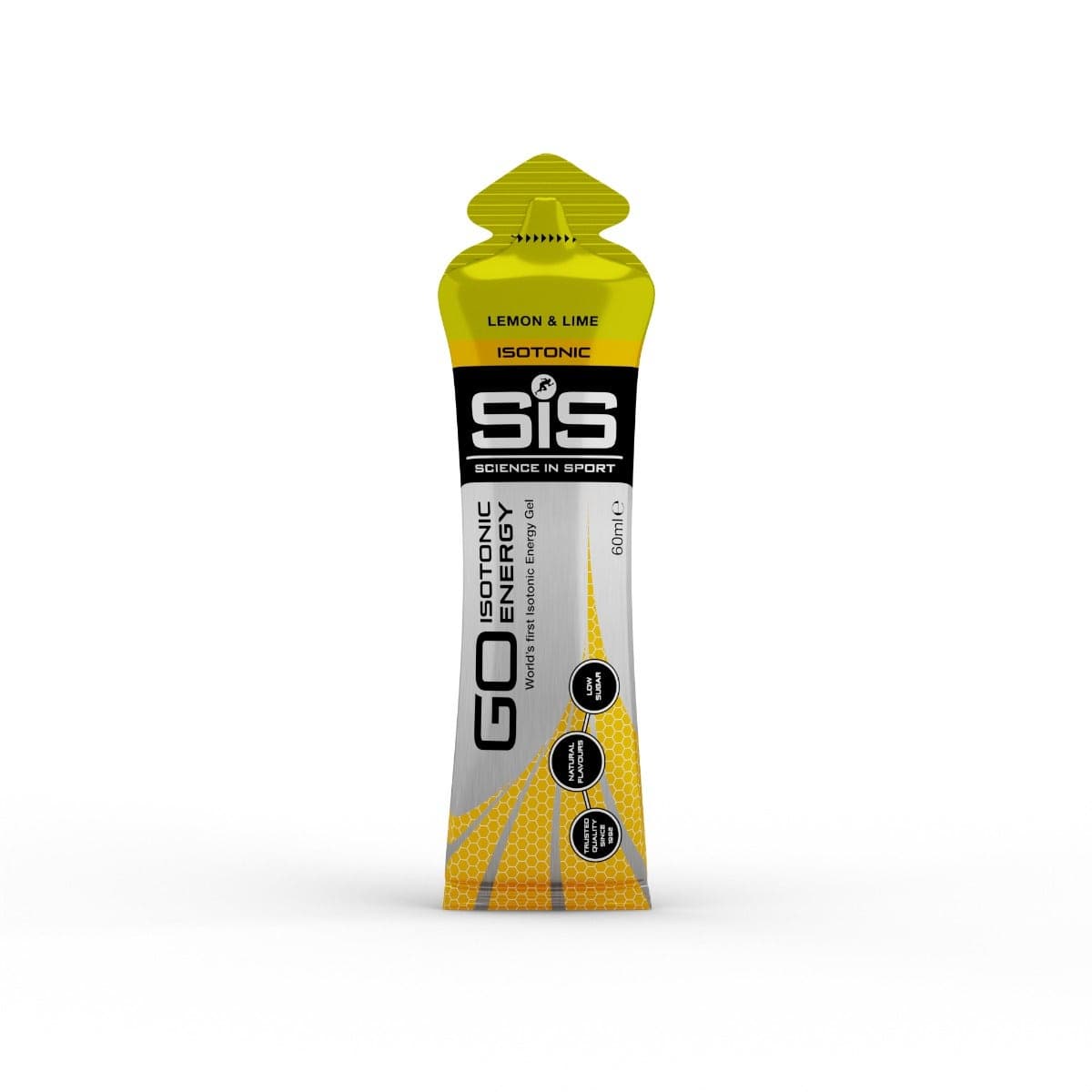
GO Isotonic: 22 g of carbohydrate with no need for water
This is a liquid gel with 22 g of carbohydrate, at a concentration close to blood plasma, so it does not need to be washed down. The recommended rate is one to three gels per hour, and the format suits 10 km, the half marathon and the marathon. Its practical value is obvious on short, fast distances where aid stations are sparse and running with a bottle is awkward. A concentrated gel taken without water in that situation sits in the stomach for a long time and feels heavy, whereas an isotonic one goes down far more easily.
The electrolyte gel: 118 mg of sodium for the heat
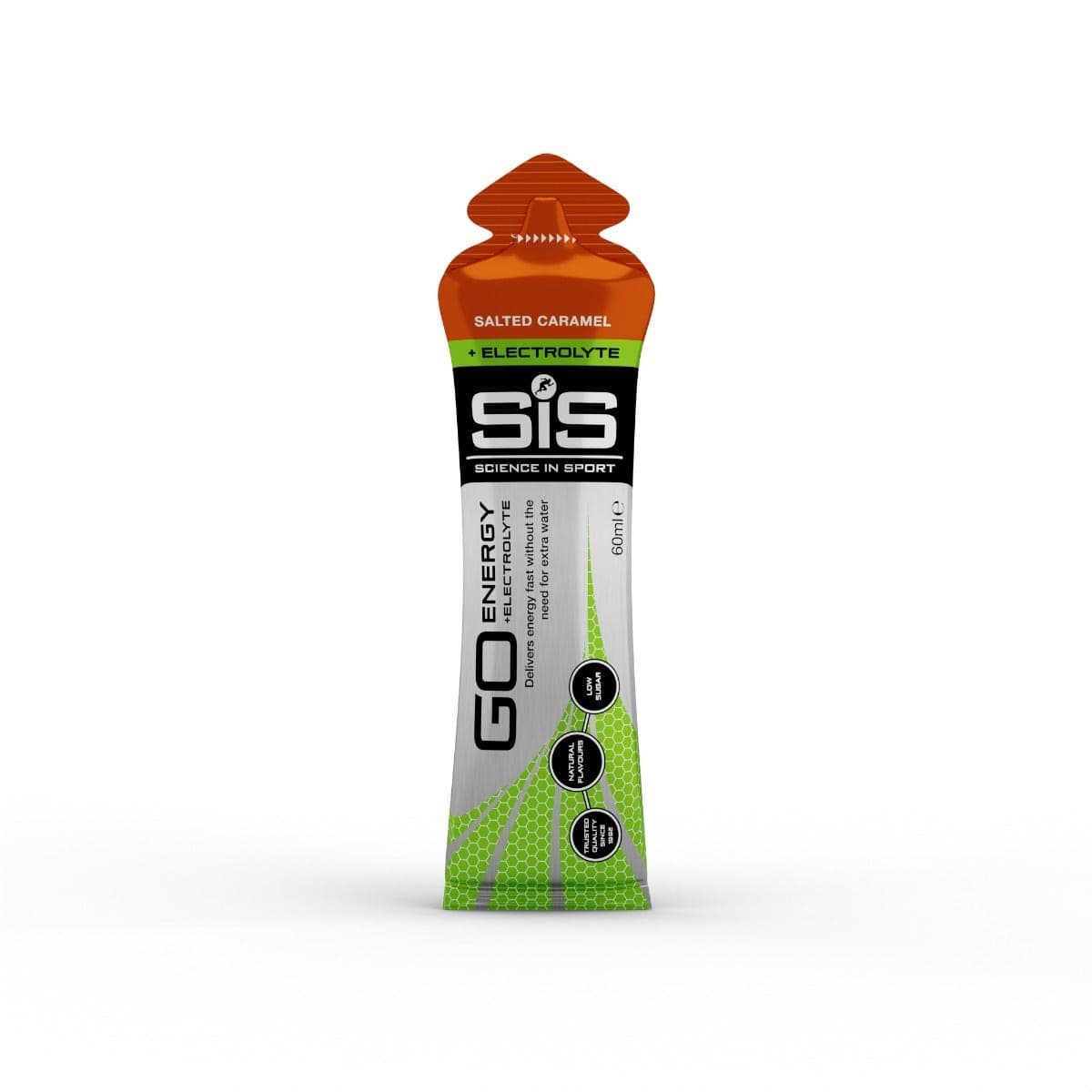
The GO Isotonic version with electrolytes repeats the same formula and adds 118 mg of sodium. That option makes sense in hot weather and on long races, where sweat losses build up over hours. Sodium is involved in fluid retention and in nerve signal transmission, and a deficit alongside large volumes of plain water is hard to tolerate. If you sweat heavily, leave white marks on your kit and run in warm conditions, the electrolyte version is the more logical choice.
Beta Fuel: 40 g of carbohydrate and a maltodextrin and fructose blend
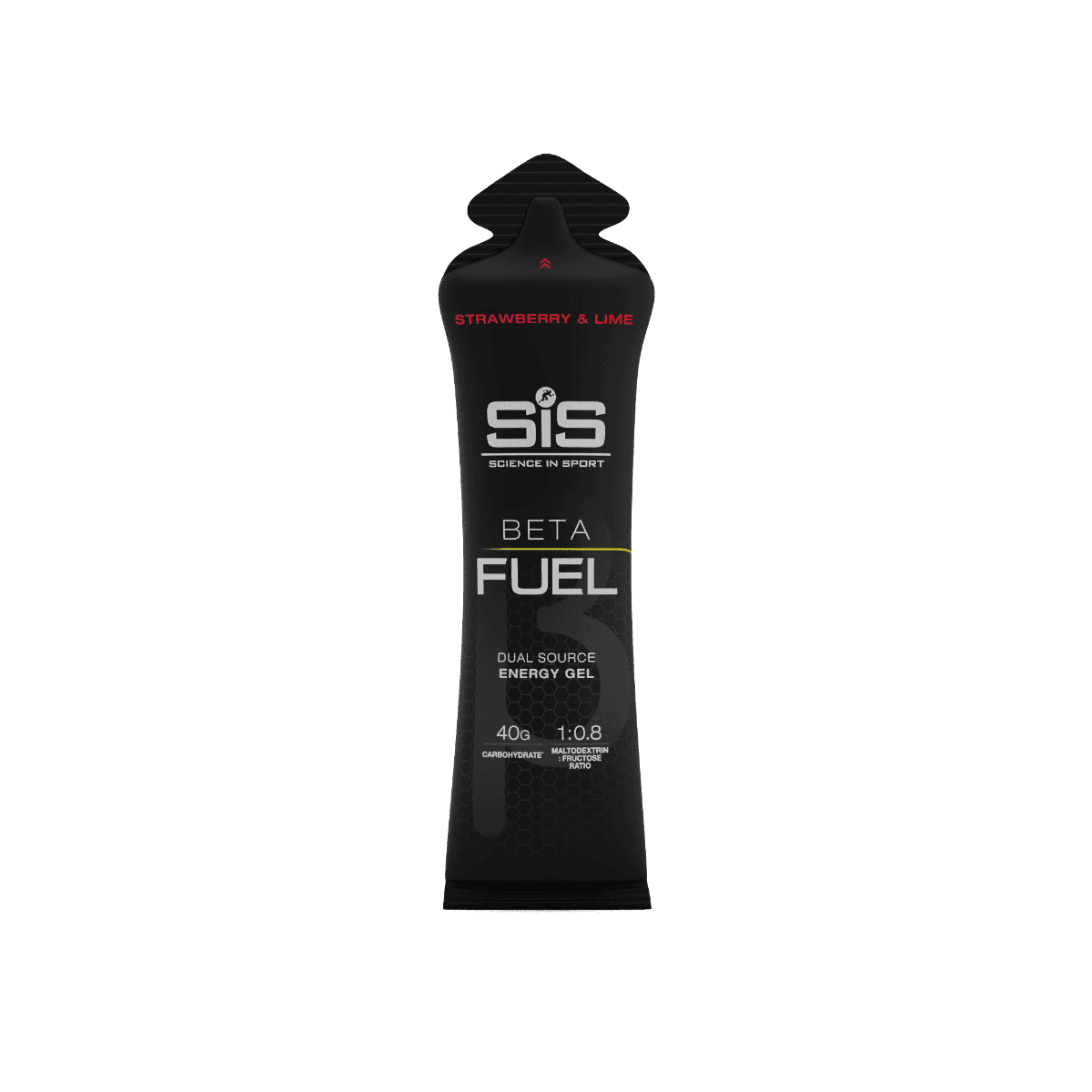
Beta Fuel provides 40 g of carbohydrate per sachet from a 1:0.8 blend of maltodextrin and fructose, and is designed for races lasting longer than two hours. The point of the blend is that glucose and fructose are absorbed through different transport systems in the gut. Relying on glucose alone runs into a ceiling of absorption, while bringing in a second pathway lets the body process more carbohydrate per hour and reduces the share of unabsorbed sugar that draws water into the gut and causes discomfort.
Beta Fuel Chew: what to do when gels will not go down any more
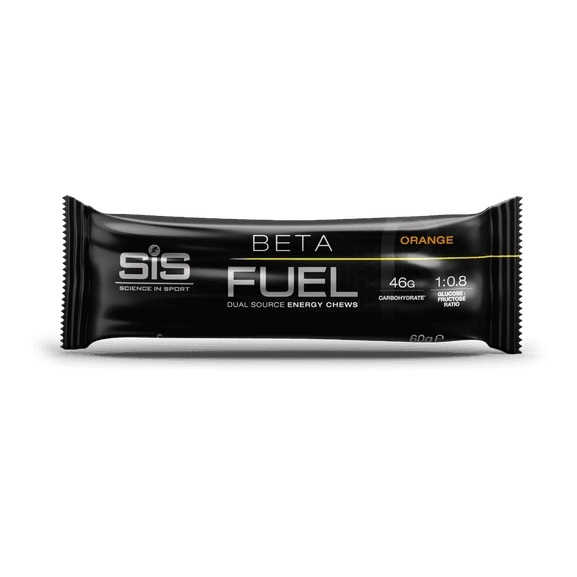
The same formula comes in a chewable format: 46 g of carbohydrate per pack. It answers a situation familiar to anyone who has run for more than three hours: flavour fatigue, when the next sweet gel brings on nausea even though you need the energy. The chewable format changes the texture and the feel in the mouth, and it is easy to split into pieces and spread out over time. There is a downside too: chewing at high intensity and in the cold is harder than swallowing a liquid gel, so the format is more often suited to ultras and to the bike leg of a triathlon.
How to build the process: a plan over several weeks
Start with one gel on a long session and write down what happened over the following half hour. On the next long one add a second feed, then build up to the amount you plan to take in the race. Practise taking nutrition at your target race pace, not only in easy running: at high intensity blood flow moves away from digestion towards the muscles, and tolerance changes. Keep the same breakfast, the same start time and the same drinking pattern you plan for race day.
Common mistakes when switching to a new gel
The first mistake is trying an unfamiliar flavour or format on race day. The second is changing everything at once, the gel, the drink and the breakfast, after which it is impossible to tell what exactly did not agree with you. The third is washing an isotonic gel down with a sports drink and ending up with a mixture that is far too concentrated. The fourth is taking a concentrated gel without planning the water to go with it. The fifth is judging by the feel of a single session instead of several repeats in different conditions.
What to check two weeks before the start
By this point your nutrition plan should be fixed rather than invented from scratch. Run a dress rehearsal on a long session at race pace, with the same number of gels and the same order of formats. Make sure the nutrition fits into your pockets or belt, that the sachet opens with wet hands and that your supply has been bought in advance: hunting for the right format the day before a race is a poor idea, especially if you are used to one particular flavour.
Gels differ not in marketing but in concentration, carbohydrate composition and texture, and it makes sense to match the option to the distance. The main thing stays the same: the stomach trains along with the legs, and anything new is tested on long sessions well before race day. You can choose the formats for your distance and order them with delivery across Kazakhstan at spacefuel.kz.
FAQ
How many gels per hour should I take for a half marathon or a marathon?
For GO Isotonic the recommended rate is one to three gels per hour, and the format is designed for 10 km, the half marathon and the marathon. The exact amount is worked out on long sessions at race pace.
Do I need to wash an isotonic gel down with water?
GO Isotonic has a concentration close to blood plasma, so it does not need to be washed down. Concentrated gels, by contrast, do require water, otherwise they sit in the stomach for longer and feel heavy.
How does Beta Fuel differ from an ordinary gel?
Beta Fuel provides 40 g of carbohydrate per sachet from a 1:0.8 blend of maltodextrin and fructose and is designed for races lasting longer than two hours. The two types of carbohydrate use different transport pathways in the gut, which allows more energy to be absorbed per hour.