


All blog articles
Articles 1–24 of 135
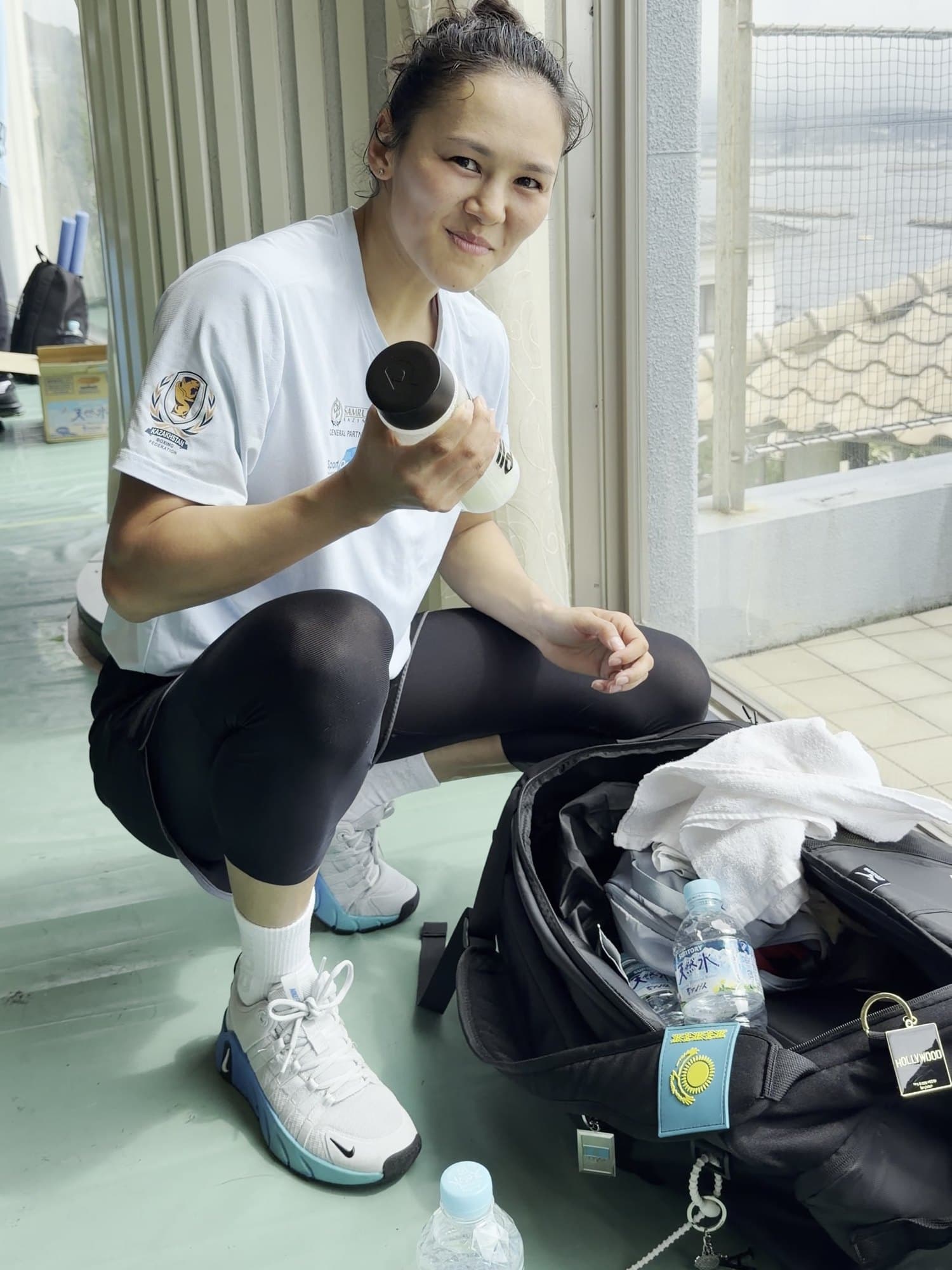
Sleep, food and recovery: what a boxer, a wrestler and a triathlete have in common
The PILLAR Kazakhstan team of six athletes: boxing, wrestling, running, triathlon, mountains. We break down the daily recovery basics that work in any sport.
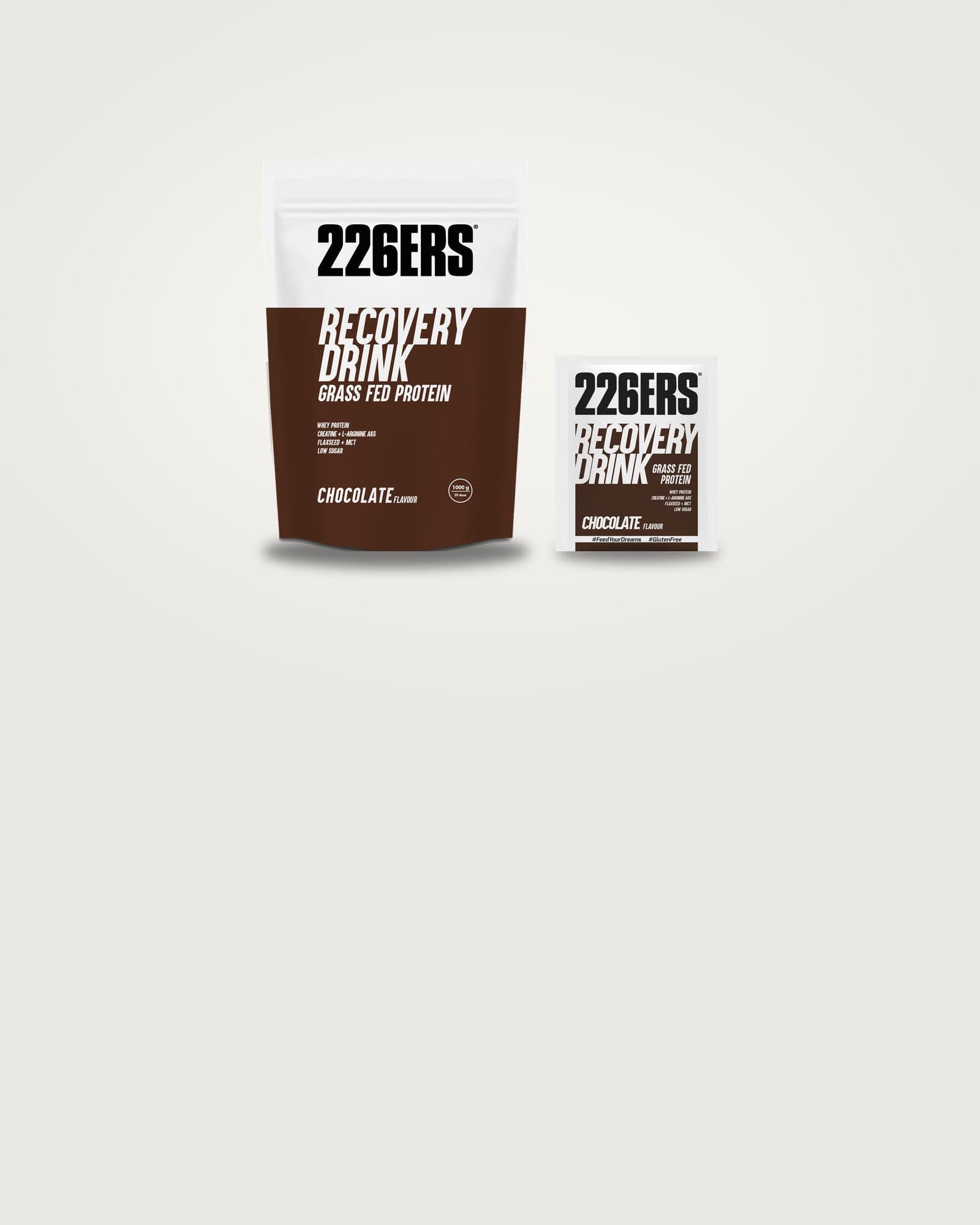
Do you need a recovery drink after every session?
We look at which sessions genuinely call for a recovery drink and when ordinary food is enough: what is in the sachet, how to take it and the mistakes people usually make.
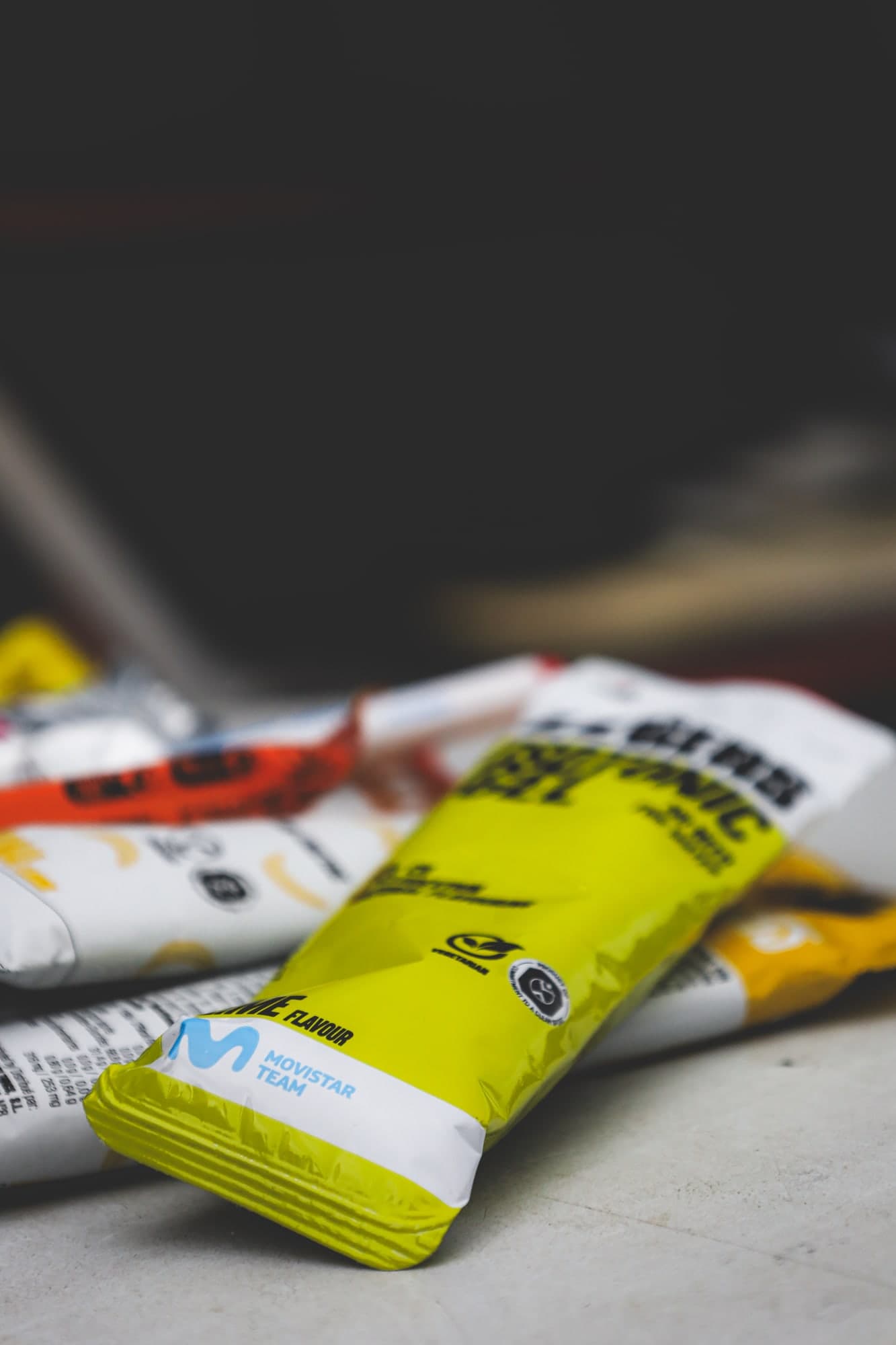
How to order sports nutrition online: what to check before you pay
A practical guide to ordering sports nutrition online: how to build a basket around your own distances, count servings, rehearse flavours and avoid being left without gels before a race.
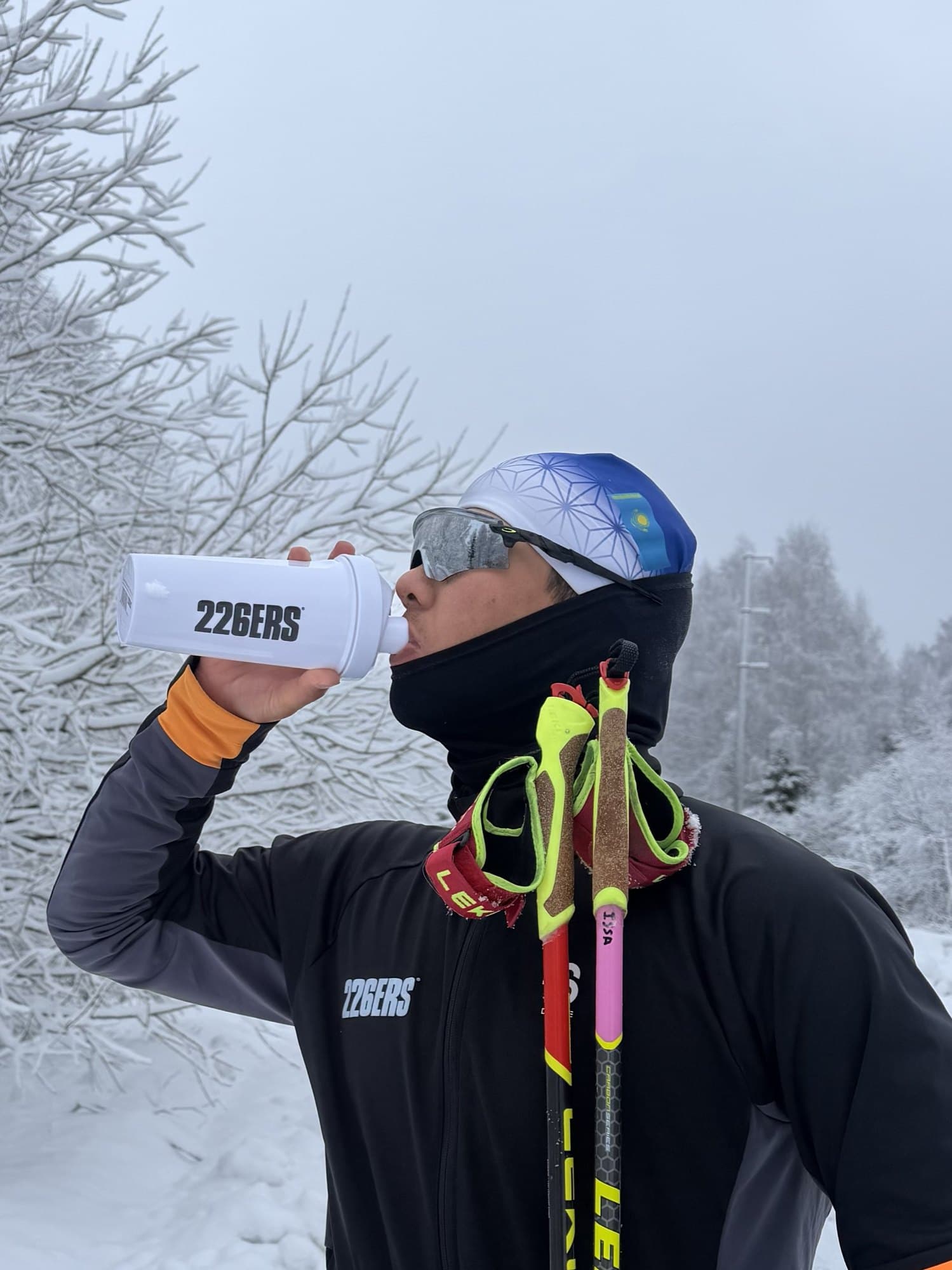
When a ski race is postponed: how to rebuild your training
What to do when the start is pushed back by two weeks: how to rebuild the taper, where to find snow and which fuelling plan works in the cold.
A runner's winter daily routine: four points that keep your form
How to build a winter day around training: morning light and protein, an indoor warm-up, food afterwards and a steady bedtime. Four routine points from PILLAR.
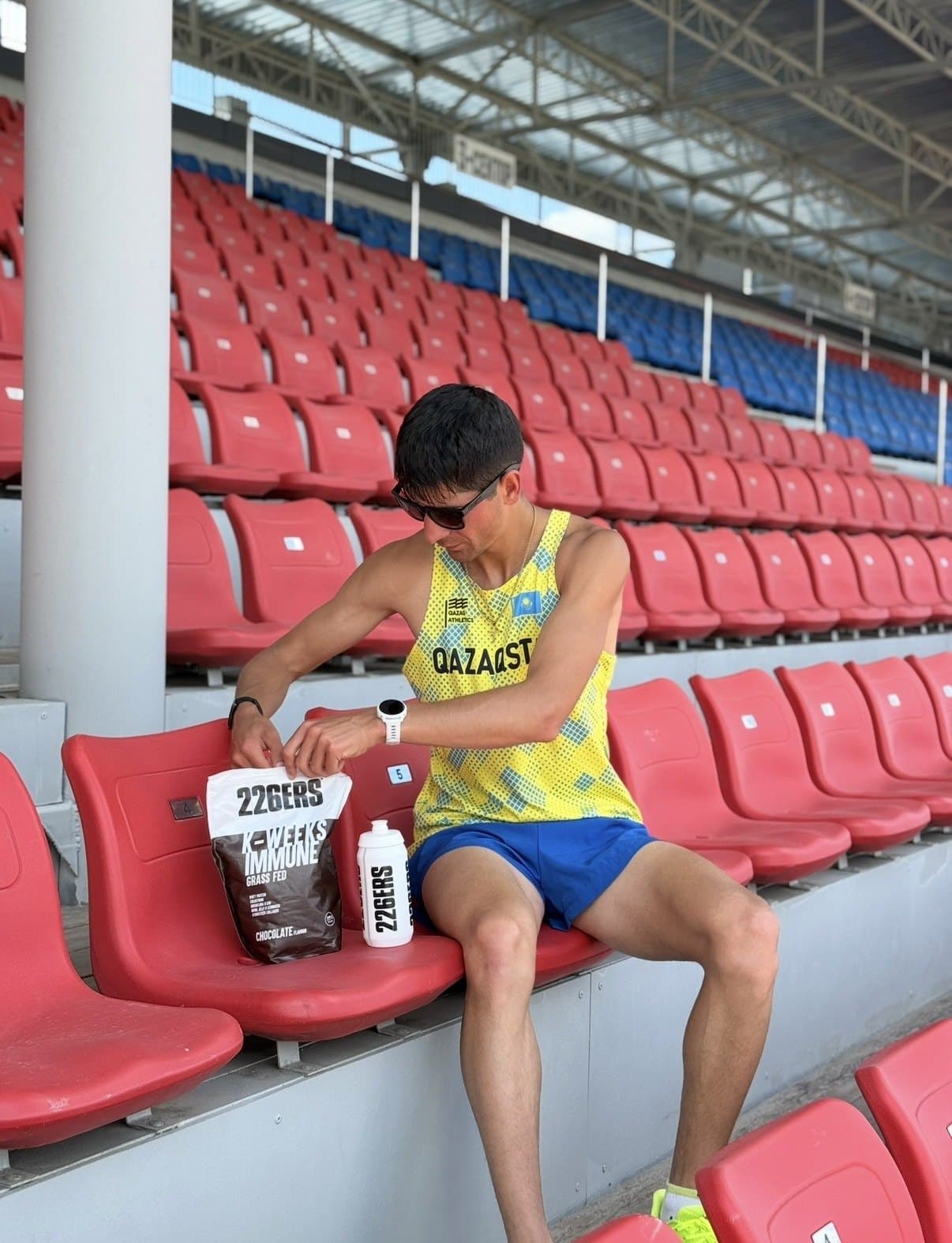
Protein at peak training volume: K-Weeks Immune by 226ERS
Why protein matters at peak training volume, how K-Weeks Immune by 226ERS is put together and how to take 40 g with breakfast during the hardest weeks of a build.
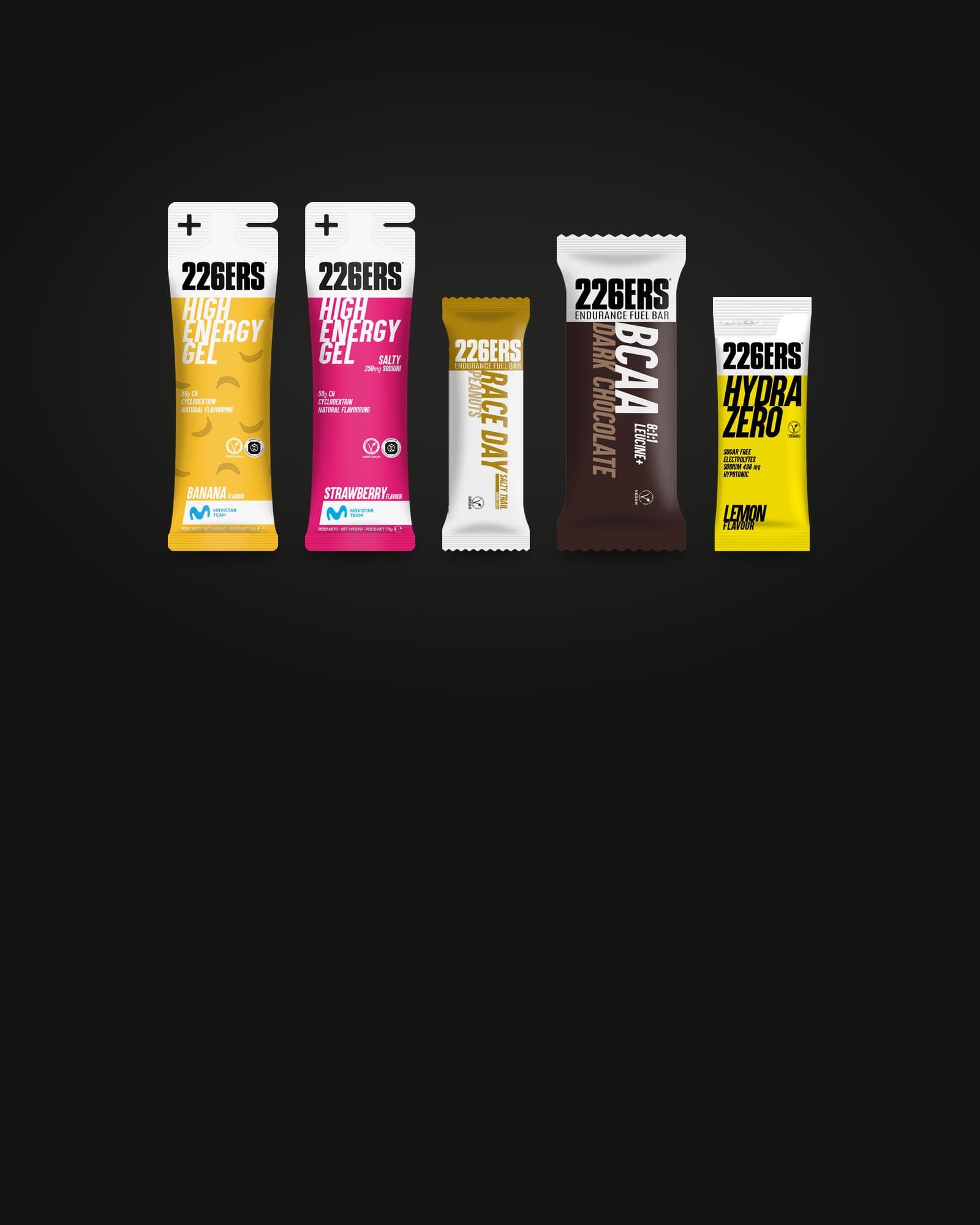
Race nutrition kit: marathon, trail and recovery
How to build a nutrition kit around your goal: gels and a drink mix for the marathon, bars and electrolytes for trail, Recovery Drink and magnesium after the effort.
Off-season supplements: vitamins, protein, magnesium, collagen
Which supplements make sense in the off-season: testing before vitamins, protein, magnesium for sleep and collagen. Advice from coach Elvira Takhauova and how to apply it in practice.
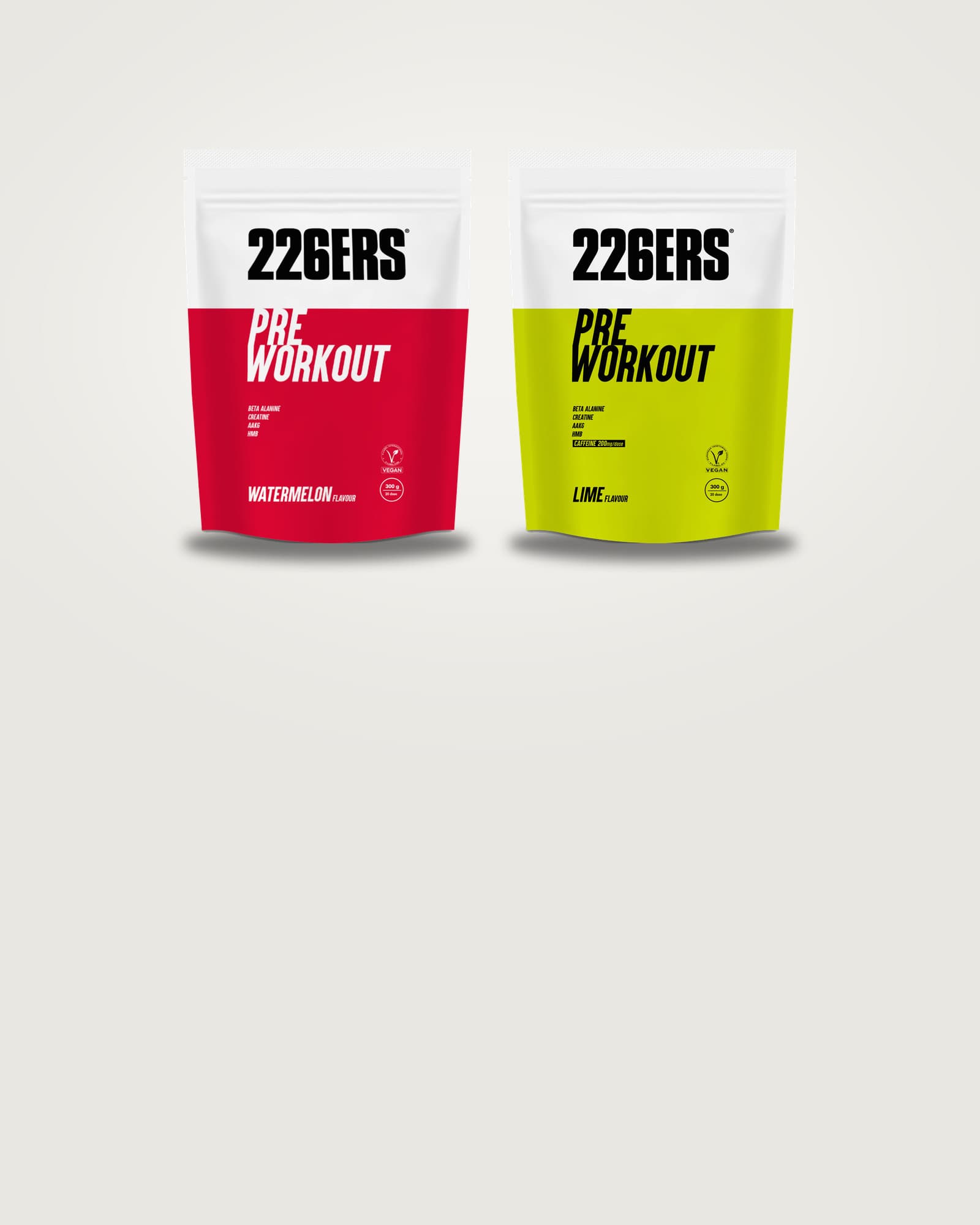
Pre-workout for runners: what is inside and how to take it in the gym
Why a runner needs strength work and a pre-workout in winter: a breakdown of 226ERS Pre Workout, how to take it, choosing between the caffeinated and caffeine-free flavours, and the usual mistakes.
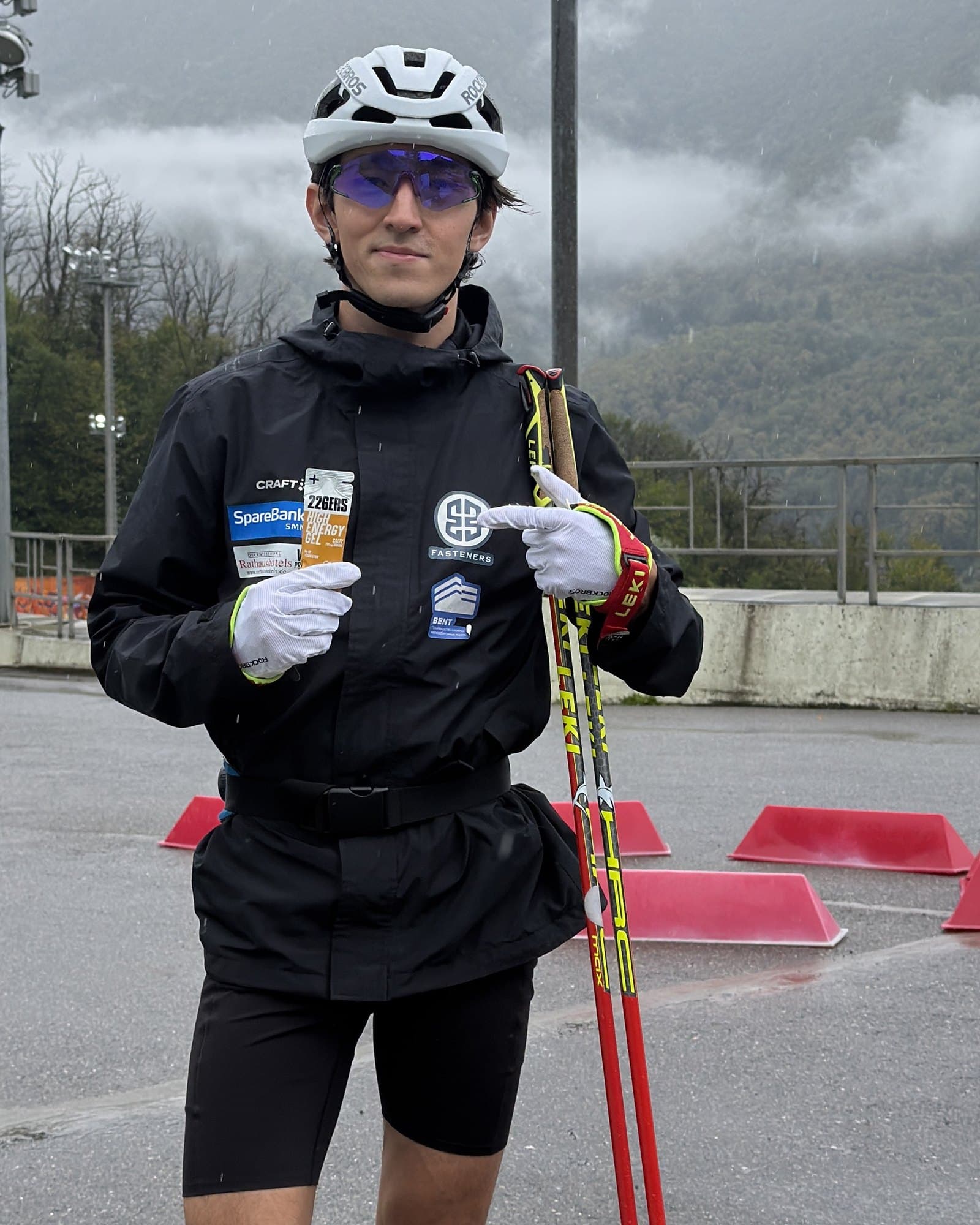
Pre-race gel: how many minutes before the start to take it
How to use a gel before the start: how many minutes beforehand to take it, why there is sodium in the formula and when a salty flavour is easier to handle than a sweet one. A closer look at High Energy Gel “Salted Peanut and Honey” from 226ERS.
A long winter session: bar or gel, and how much to drink
Why you should carry fuel on a winter long session, how to choose between a bar and a gel, how much to drink in the cold, and the mistakes runners and cyclists make most often.
How many gels you need for a half marathon and a marathon: working out a season
Guideline gel numbers for a half marathon, a marathon and long runs, how to work out a supply for a season of three races, and the main rule: count carbs per hour, not gels.
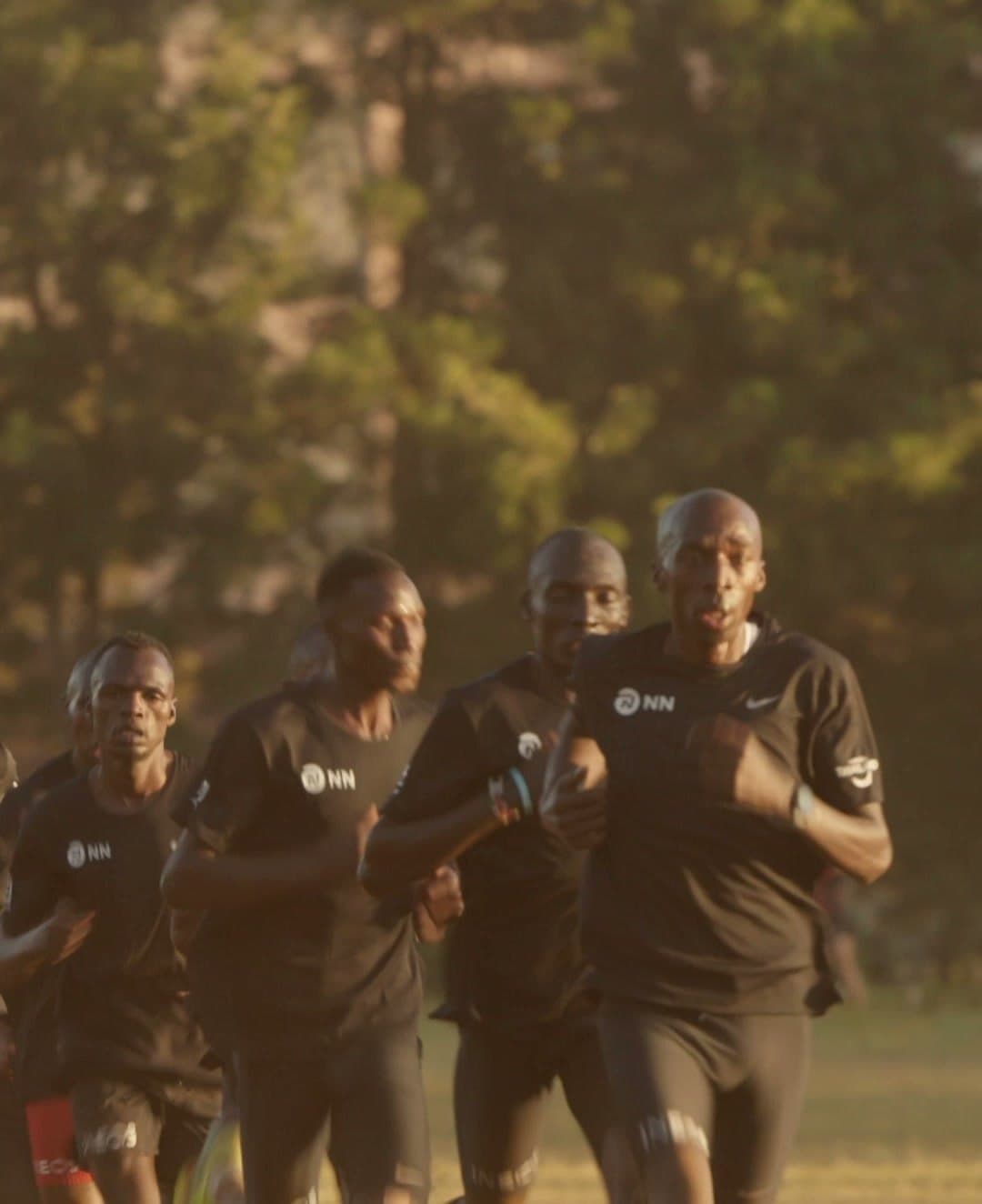
A full rest day in a runner's plan: why doing nothing works
Why rest sits alongside training in the programmes of professional groups, how to plan a full rest day, and what the one or two weeks after the end of the season should look like.
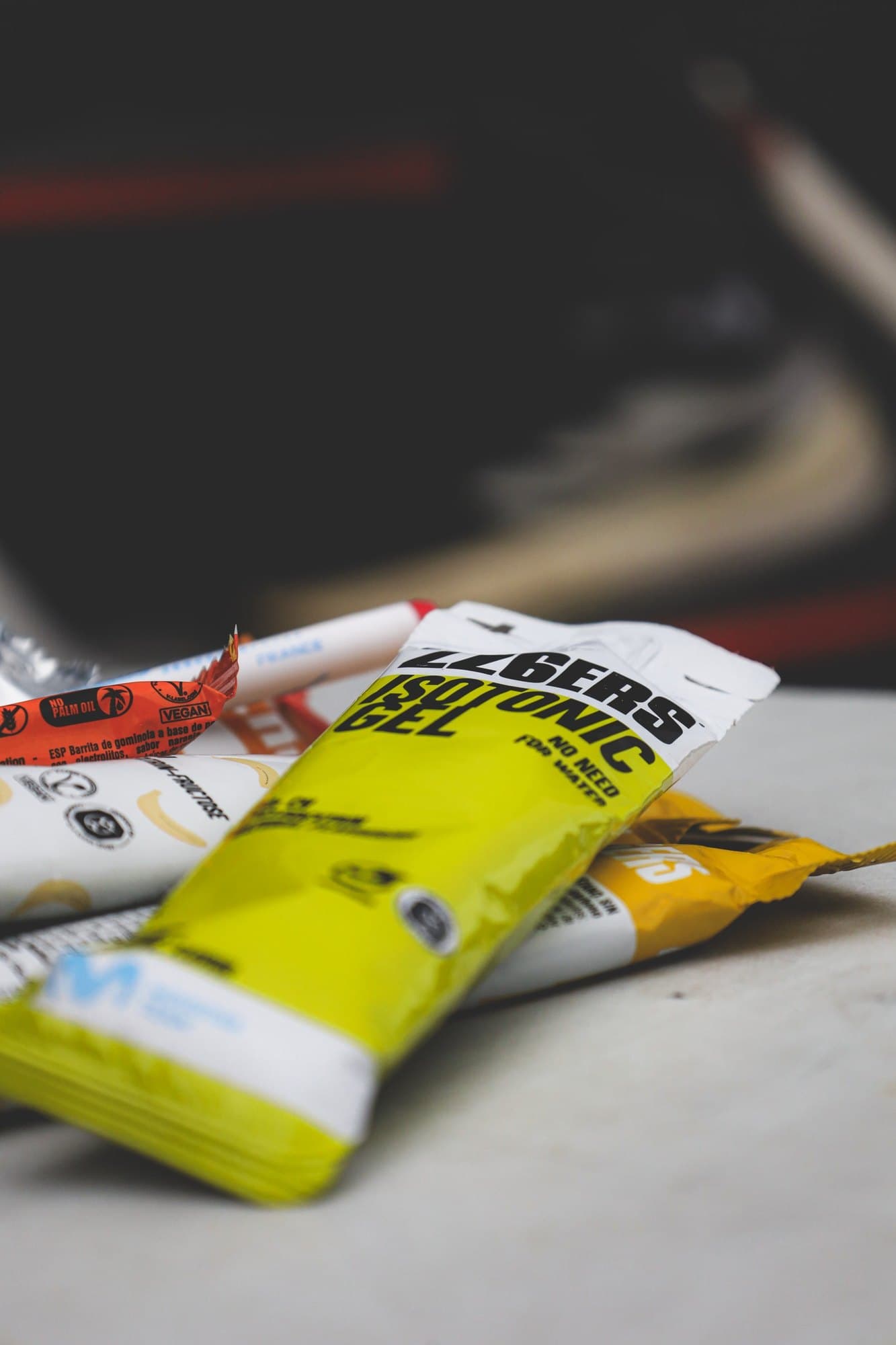
How many isotonic gels per hour: flavour and caffeine limits
How many isotonic gels you can take in an hour: a close look at 226ERS Isotonic Gel, 22 g of carbohydrates per stick, flavour limits, caffeine and a fuelling plan for a winter long session.
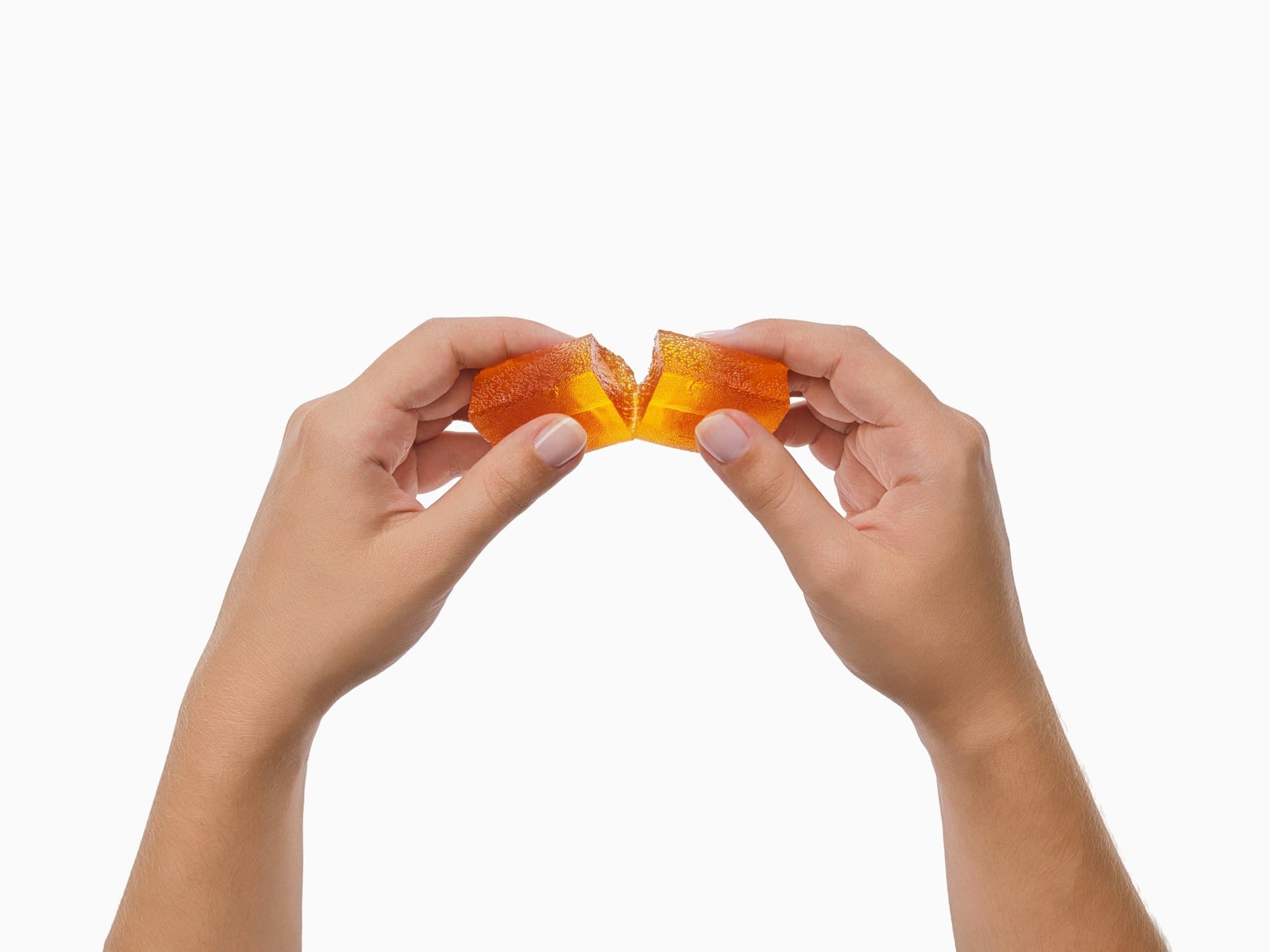
High Fructose Gummy Bar: 46 g of carbohydrate in a chewable gummy
High Fructose Gummy Bar: a soft gummy with 46 g of carbohydrate per 60 g serving, plus sodium and caffeine. How and when to eat it on the bike, the trail and the skis.
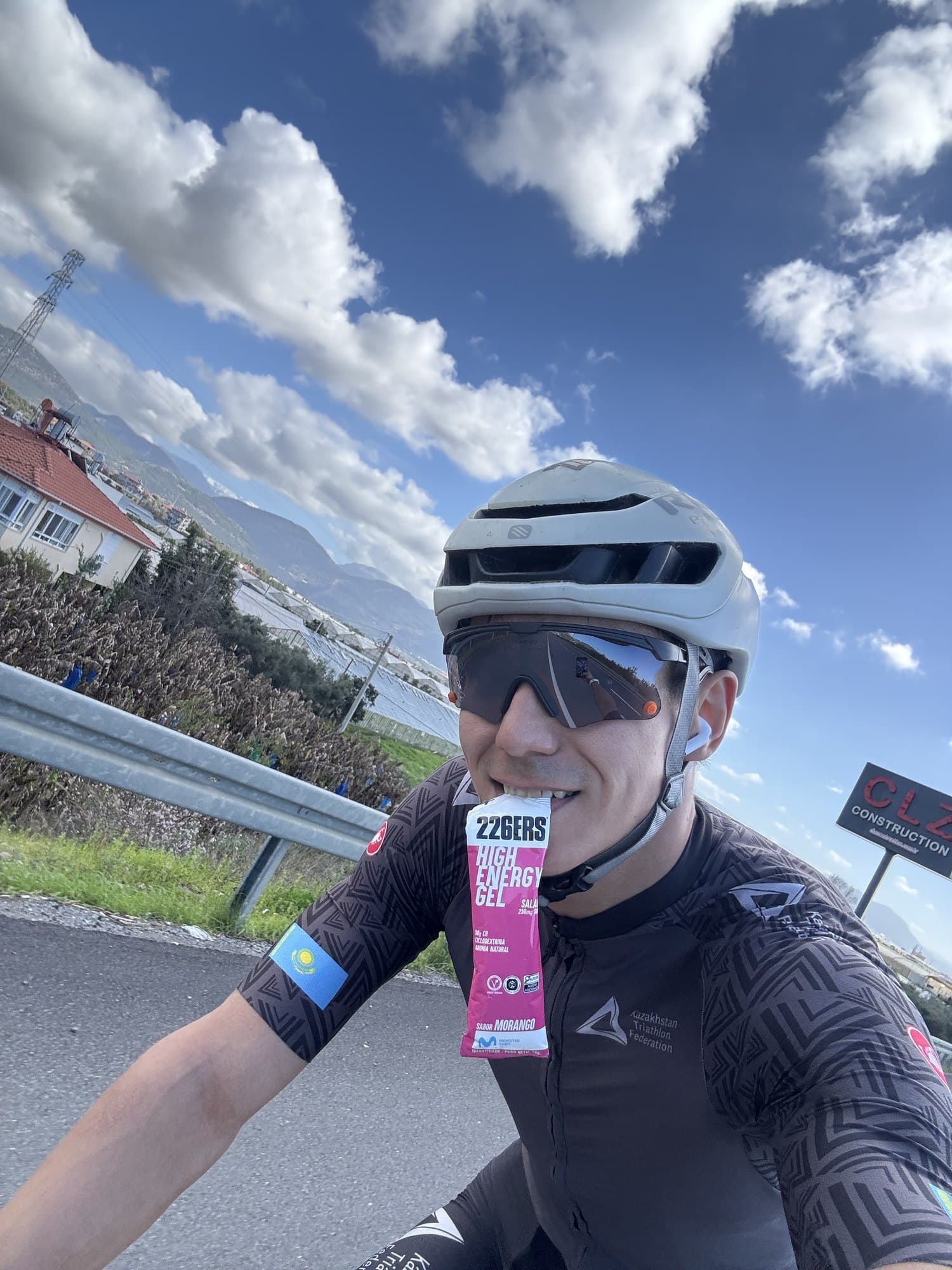
Caffeine-free gel in training: why you need one and how to use it
Why keep a caffeine-free gel in your arsenal, how much carbohydrate and sodium it holds, how to take it during long work and which mistakes upset your stomach.
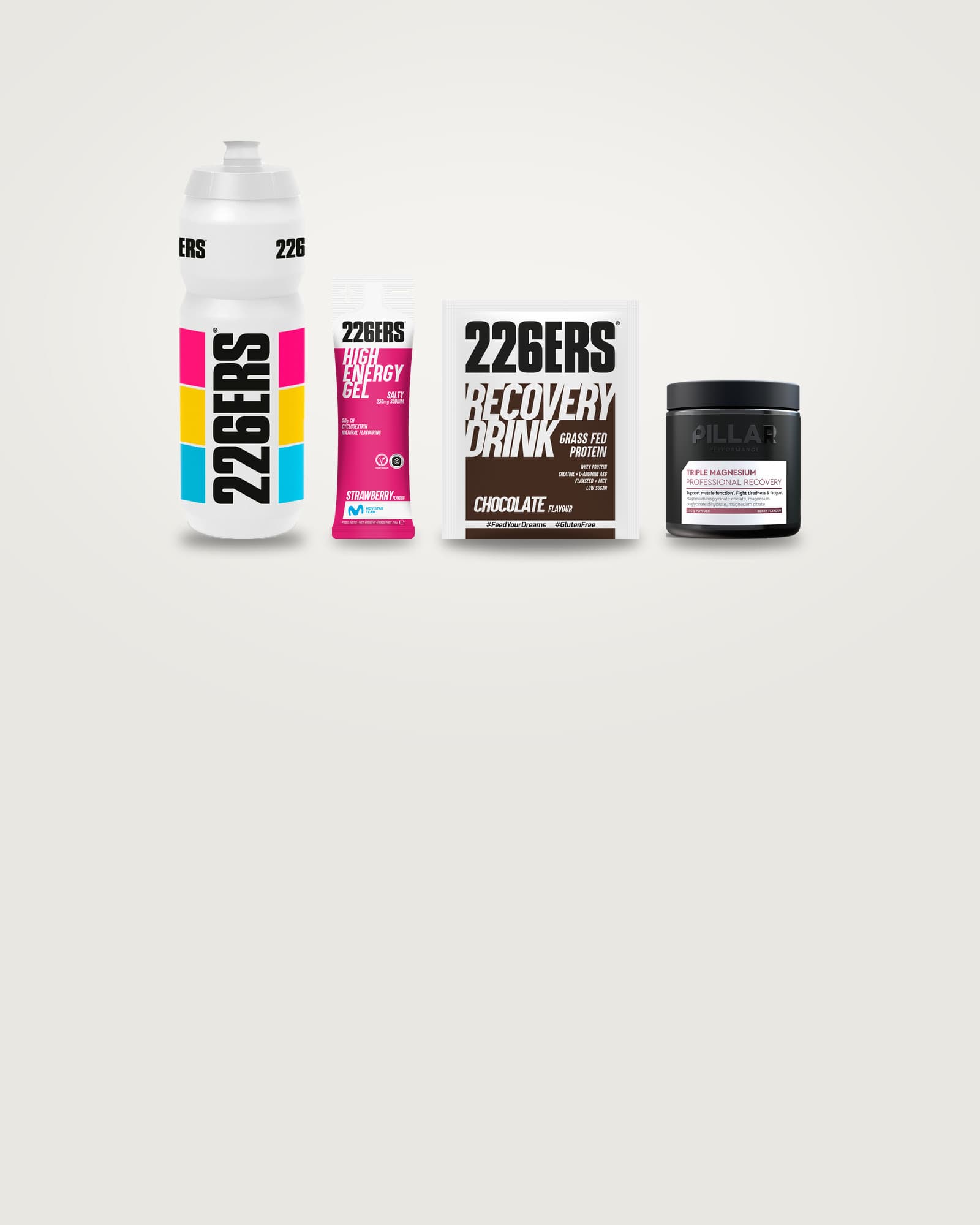
What to Give a Runner: Three Sports Nutrition Gift Sets
A gift guide for runners: three sports nutrition sets from 226ERS and PILLAR under 15,000, 30,000 and 55,000 tenge, how to choose one by distance and how to avoid the usual mistakes.

Warming up before a 10 km race: a 10–15 minute plan
How to build your warm-up before a 10 km race: how long it lasts, what it consists of, when to have breakfast and why the first kilometre is worth running calmer than you feel like.
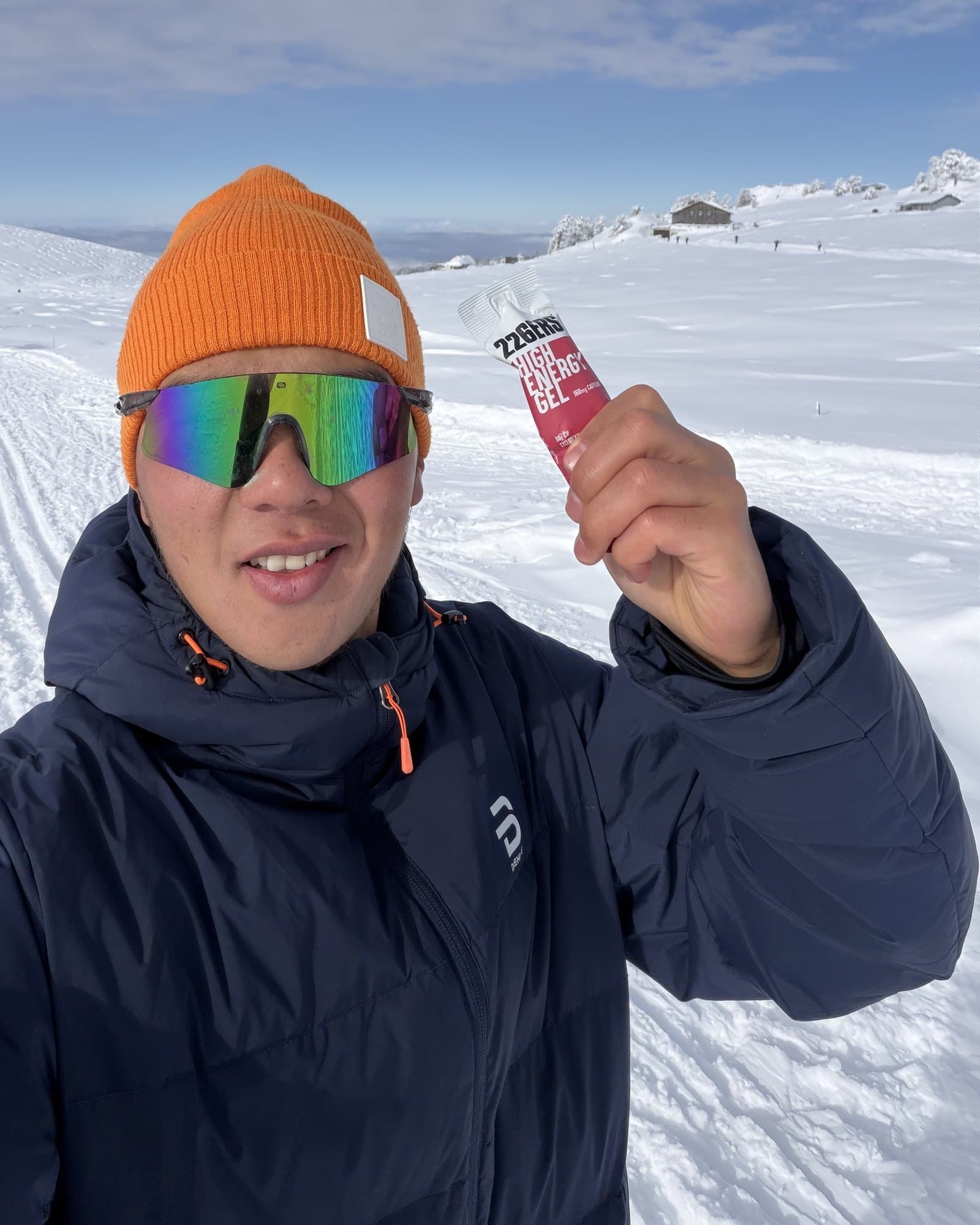
Nutrition for a cross-country ski race: what to take before the start and after the finish
A nutrition scheme for a cross-country ski race based on Ilyas Isabek’s protocol: a beetroot drink three hours out, a caffeine gel 40 minutes before the start, and recovery within the first 40 minutes after the finish.
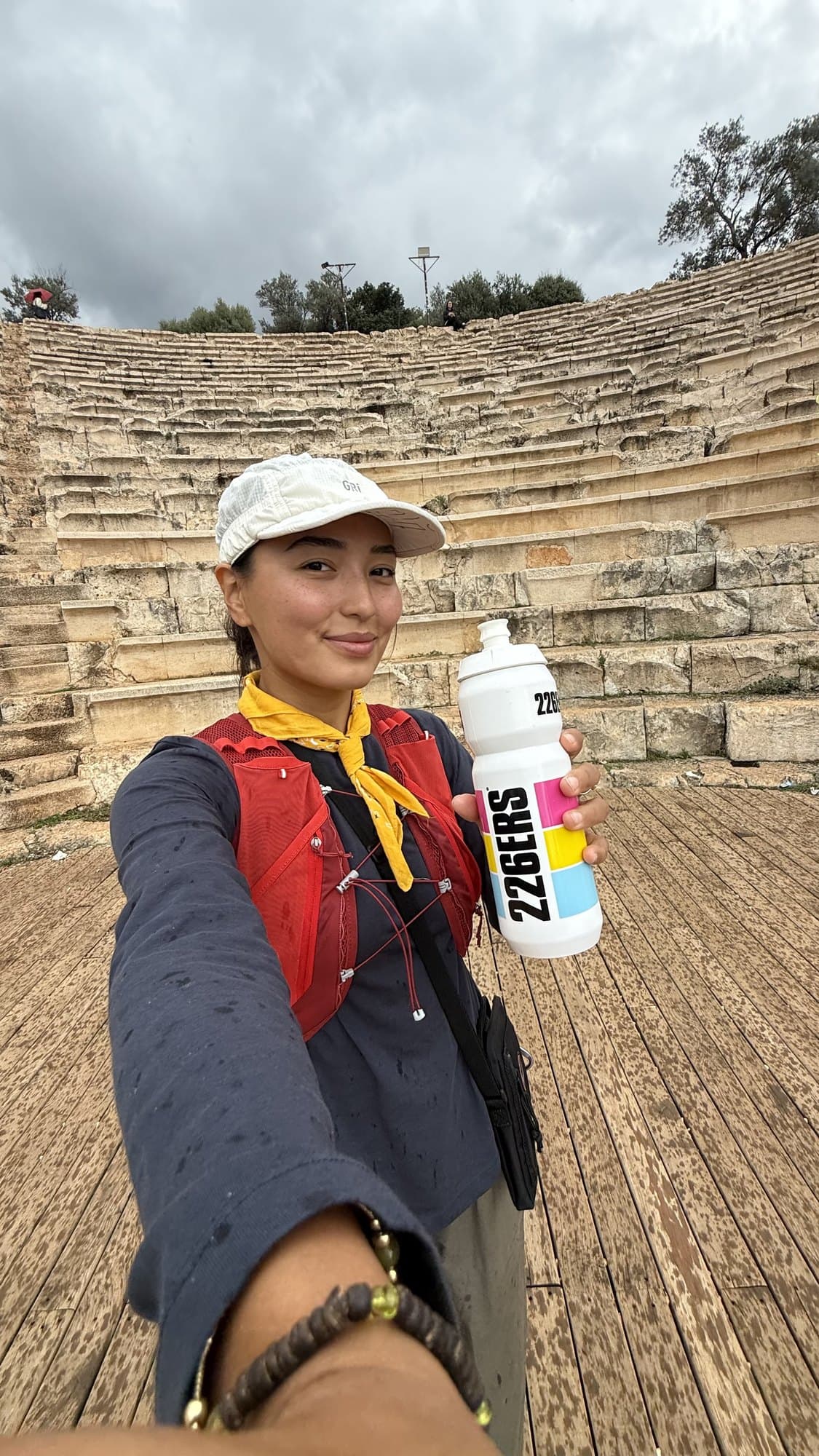
Nutrition on a multi-day trek and at an ultra trail: lessons from the Lycian Way
How nutrition works on a multi-day trek and at an ultra trail: electrolyte drink, bars, gels and recovery. A look inside Saltanat Arstanbekova's pack.

How to dress for a winter run: a layering system from a coach
Coach Elvira Takhauova on how to dress for running in the cold: three layers, bottom half and top half, accessories and the key rule about feeling slightly cool at the start.

10 km race checklist: your race morning minute by minute
How to structure the morning before a city 10K: breakfast 2.5 to 3 hours out, a SUB9 capsule 30 minutes out, caffeine 15 minutes out and the 55-minute rule for gels on course.
The last week before a 10K: tapering and getting ready
How to handle the last week before a 10K: how much volume to cut, when to collect your race pack, what to do the evening before. Example: City Run in Almaty.
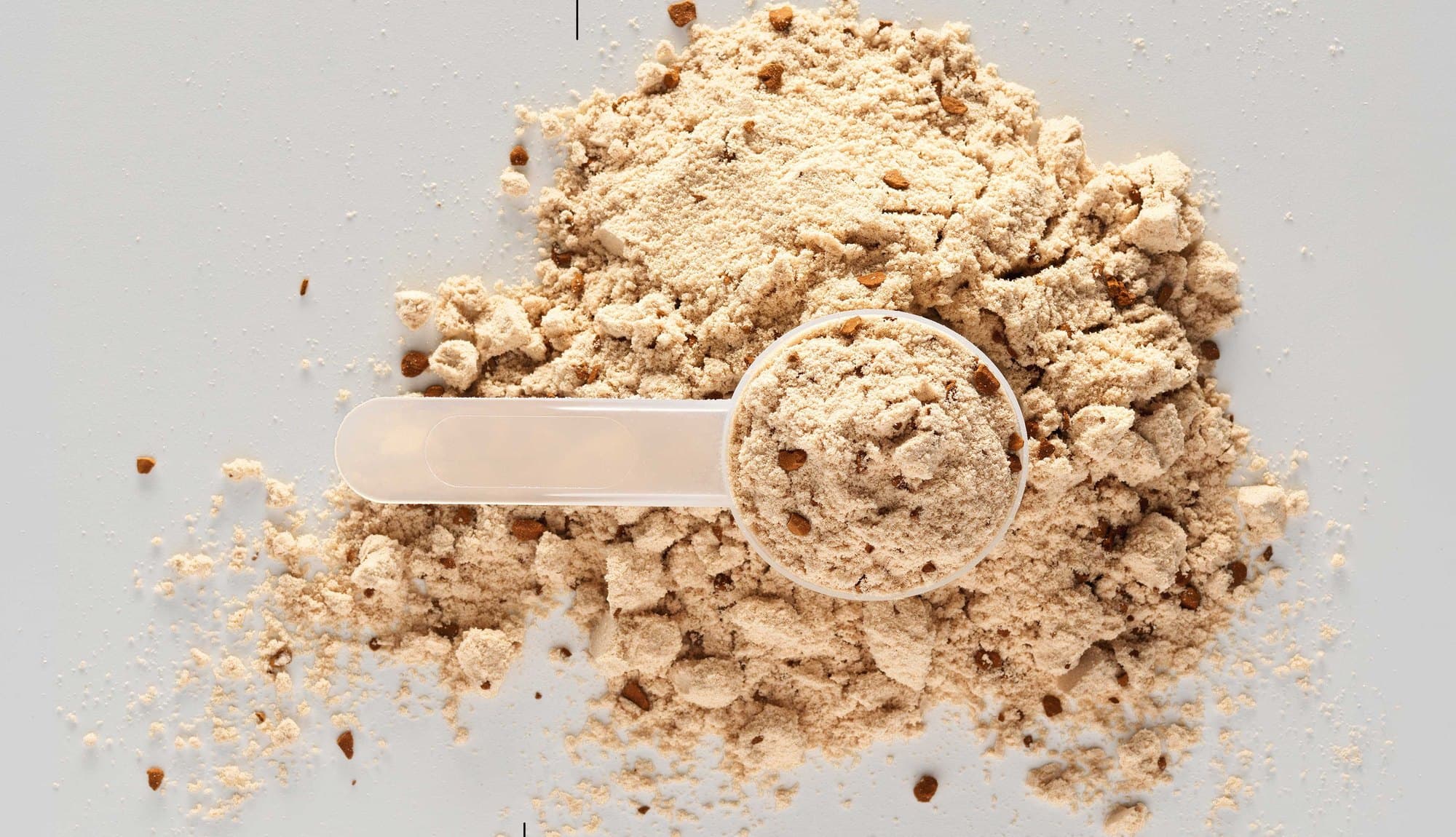
Does a runner need protein: whey in the winter base period
Why runners and triathletes need whey protein in winter, how much protein the base period calls for, how to take 226ERS Whey Protein and when the supplement adds nothing.