A postponed start is probably the most common disruption of the winter season. Snow arrives earlier or later than the calendar expects, the tracks are not ready, organisers move the dates, and the training plan you spent a month building stops matching reality. That is exactly what happened to the first ski races in Kazakhstan in the 2026 season: there was no snow in Shchuchinsk, and the races were moved to 10–13 December 2026. Here is what to do with your fitness, your training and your fuelling when the date shifts, and how to use the pause rather than lose it.
Why ski races get postponed and how to think about it
A ski race depends on the weather far more than running or cycling does: you need not just cold, but a prepared track. If there is no snow, the start is moved, and that is a normal part of the winter calendar. Psychologically it is the hardest part: the athlete has already settled into race-week mode, done the short efforts, cut the volume and got into the right frame of mind. The right response is not to treat the postponement as a loss, but to rebuild the schedule from the new date. Two weeks of breathing room, as with the move to mid-December, is enough time to put one proper training week back in and then taper again.
How to rebuild the taper when the start moves by two weeks
The general principle of a taper: volume comes down, intensity stays. If you were already in race week and the start has been pushed back, there is no sense in staying in rest mode for the whole gap: a long drop in load with no stimulus costs you tone and your feel for speed. The logic is simple: one week at your usual volume with a couple of quality sessions, then another 5–7 day taper. The checkpoints of race week repeat themselves: short efforts at race pace, work with your kit, sleep, fuelling. The steadier those habits are, the less a postponement hurts your form.
Altitude camps: where to find snow before the season starts
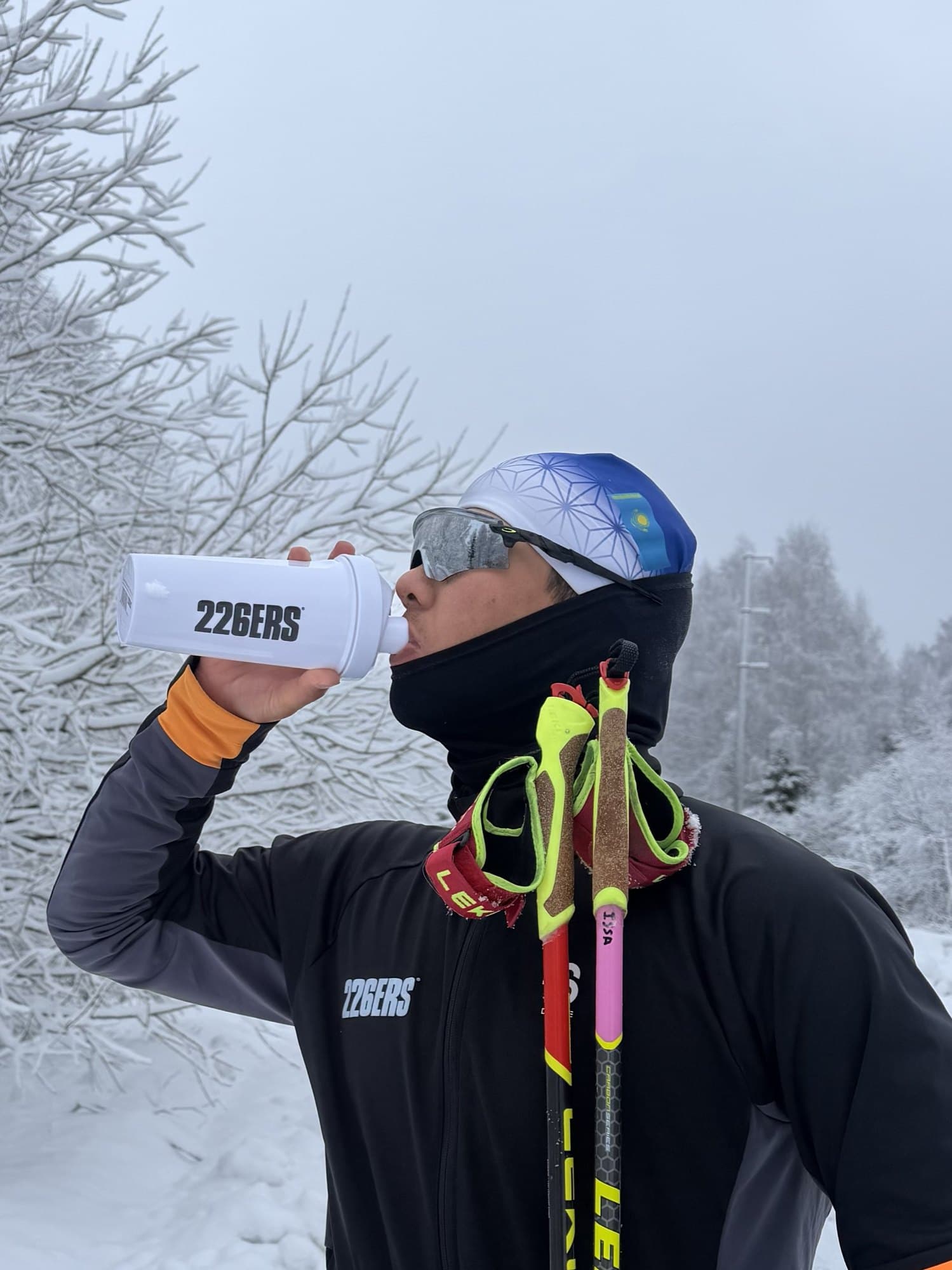
When there is no snow lower down, training moves upwards. Ilyas Isabek trained in the mountains during this period, and that is the standard solution for skiers: at altitude the snow falls earlier and lasts longer. That choice comes with a few things worth remembering. At altitude the same pace feels harder, the air is drier and you lose more fluid through breathing, and recovery between hard sessions is slower. So it makes sense to keep the first days in the mountains long and easy, and to push the quality sessions into the second half of the camp.
Fuelling for a ski race: Ilyas Isabek's plan
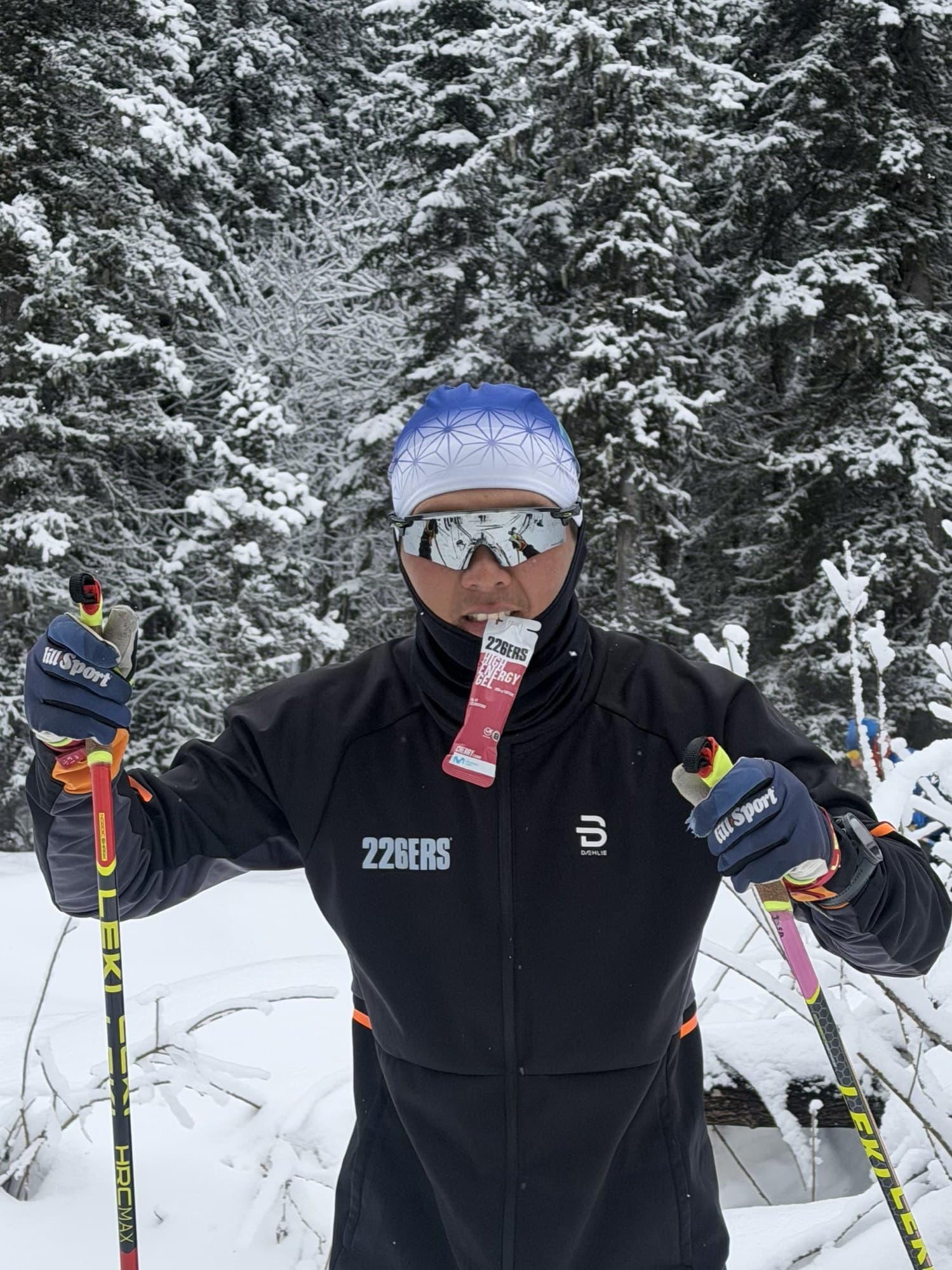
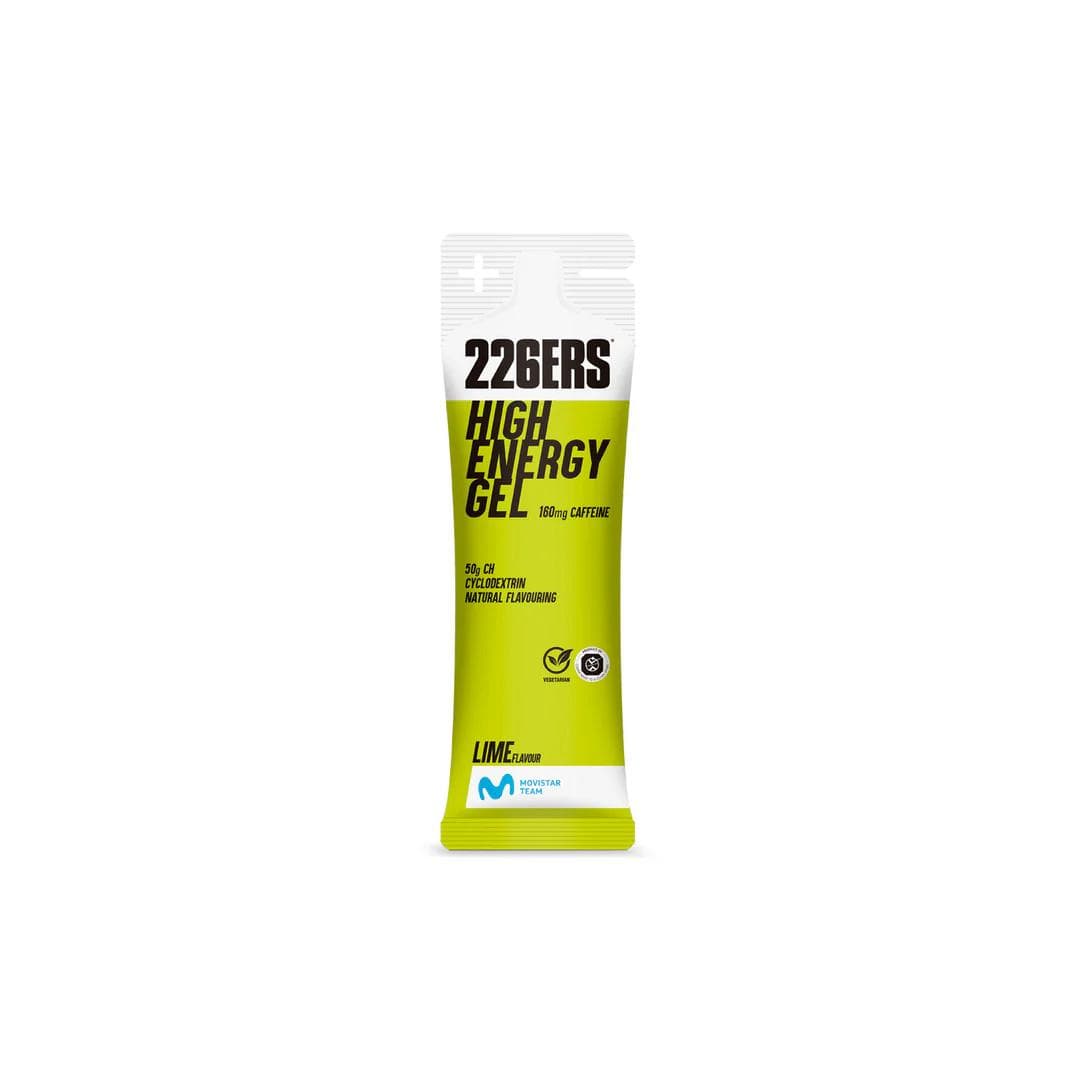
Ilyas Isabek's plan is built around three points. Three hours before the start he takes a beetroot drink. Forty minutes before the start: a High Energy gel with 160 mg of caffeine. After the race, within the first 40 minutes, Recovery Drink. That layout suits ski racing in particular, where the distance is often covered with no chance to eat on the move: all the fuelling work comes down to what you do before the start and immediately after the finish. The main rule when the date changes: change nothing. The plan you have tested in training stays the same, it simply shifts along with the new start time.
A beetroot drink three hours out: why nitrates
Nitrates from beetroot are one of the most studied pre-race options in endurance sport. The body converts them into nitric oxide, which affects blood vessel tone and how economically the muscles work. The effect does not come on instantly, which is why the dose is planned several hours before the start, as in the plan above. One important practical point: nitrates need to be tested in training well in advance, not on race day, and they should not be combined with an unfamiliar breakfast. An extra experiment on race day almost always costs more than the gain it might bring.
Caffeine before the race: why 40 minutes out, not 5
Caffeine is not absorbed instantly: a meaningful blood concentration appears roughly 30–60 minutes after you take it, which is why a caffeine gel is taken in advance rather than on the start line. Hence the 40 minute window. The second aspect is individual tolerance. A dose that feels comfortable to one athlete gives another the shakes, a high heart rate in the warm-up and stomach trouble. So you cannot simply copy someone else's dose without testing it: caffeine is trialled in key sessions and time trials, where the cost of a mistake is low. And one more winter detail: caffeine increases urine output, and in winter people already drink less than they should.
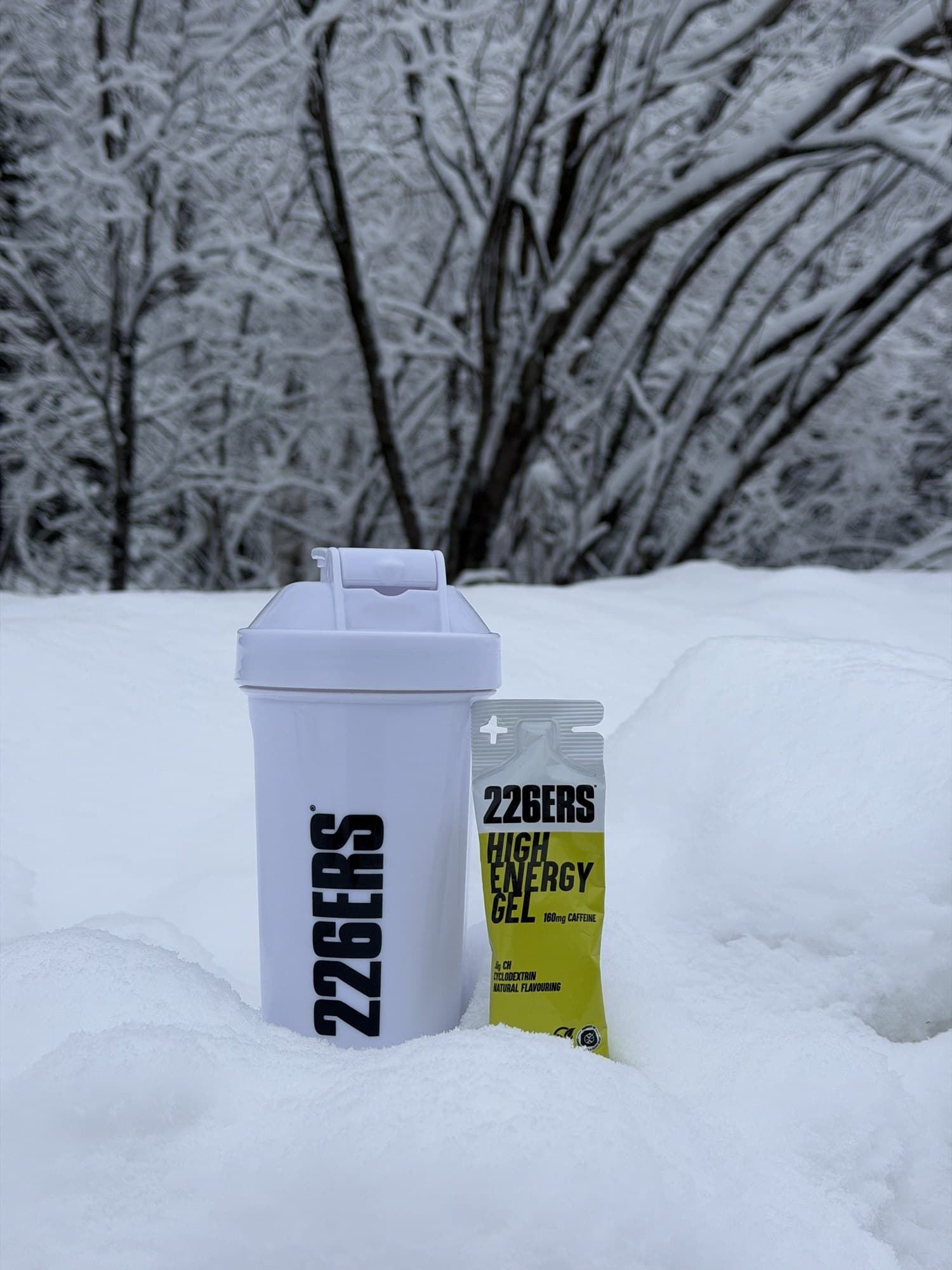
Gels and isotonic drinks in the cold: a warm bottle and an inside pocket
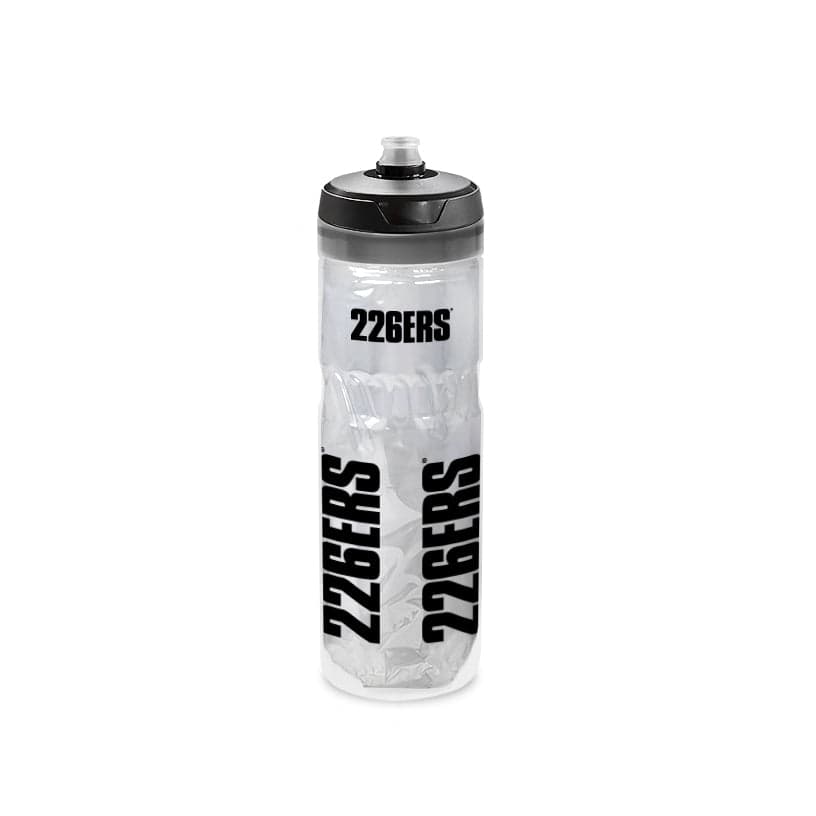
In the cold it is not the content of your fuelling that changes, but the logistics. A gel in an outside pocket thickens and becomes almost impossible to eat on the move, so it is carried in an inside pocket, closer to the body. The drink goes in warm: a warm isotonic drink in the bottle is easier to swallow and does not turn to ice. Another winter mistake is assuming you do not need to drink in freezing weather. Thirst is dulled by the cold, but fluid still goes out through sweat under the layers and through breathing dry, frozen air. In winter a drinking schedule based on time works better than going by feel.
Recovery in the first 40 minutes after the finish
After the race the task is simple: start replacing carbohydrates as soon as possible and get protein in for muscle repair. Ilyas takes Recovery Drink within the first 40 minutes of finishing. In winter this matters even more: cold blunts your appetite after hard work, proper food may be an hour or two away, and in freezing conditions you also chill down fast. A ready-made recovery drink solves both problems at once, because you can drink it in the warmth of the car or the changing room without waiting for a full meal. Alongside it, the basics apply: change into dry clothes, warm up, eat within a couple of hours.
Common mistakes when the start is postponed
First: dropping out of routine completely, deciding the race “did not happen”, and losing two weeks. Second, the opposite: chasing fitness and squeezing an extra hard session or time trial into the free time, then not recovering from it. Third: changing fuelling and kit at the last minute because there is suddenly time to “try something new”. Fourth: forgetting to recalculate your supplies, because a date change often means one more long session, and therefore extra gels and servings of isotonic drink. The season is long, and one postponed race changes very little as long as the discipline holds.
A postponed start tests your organisation rather than your fitness: whether the routine holds without an external deadline, whether the fuelling plan stays unchanged, whether you have enough supplies for the extra weeks of training. Gels, isotonic drinks and recovery drinks for the winter season can be found at spacefuel.kz.


FAQ
What should you do if a ski race is postponed by two weeks?
Rebuild the schedule from the new date: put one week back in at your usual volume with a couple of quality sessions, then taper again over 5–7 days. Dropping out of routine completely, or adding an extra hard time trial, is not the answer.
How long before the race should you take a caffeine gel?
A meaningful blood concentration of caffeine appears roughly 30–60 minutes after you take it, so it is taken in advance rather than on the start line. In Ilyas Isabek's plan, the High Energy gel with 160 mg of caffeine falls 40 minutes before the start.
How do you carry gels and drinks in a ski race in freezing weather?
The gel is carried in an inside pocket, closer to the body, otherwise the cold thickens it and it becomes hard to eat on the move. The drink goes warm into a bottle and is taken on a schedule rather than by thirst, which the cold dulls.
Read next