The last week before a 10K will not build any more fitness, but it is entirely possible to ruin your race in those few days. This guide is for anyone preparing for a short city race who wants to run to their real level rather than pay for the chaos of the final days. City Run in Almaty makes a convenient example: it took place on 15 November 2026, a 10 km course through the city centre, with the start and finish on Astana Square, and the organisers invited runners to compete in superhero costumes. For many people a race like this is the last start of the season, which makes turning up tired or without a number all the more frustrating.
Tapering before a 10K: cut the volume, keep the speed
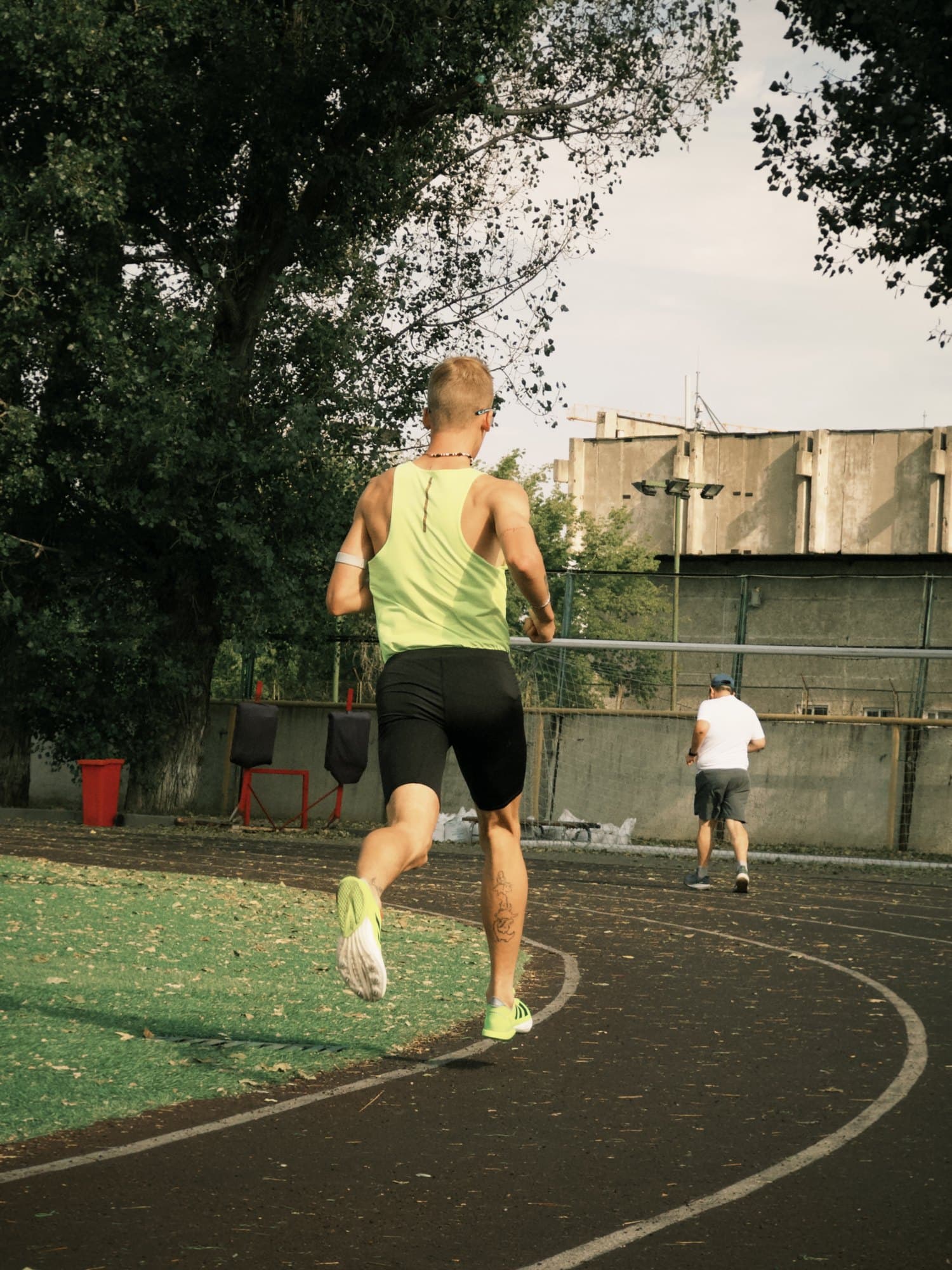
The principle for the final week is simple: reduce total volume but keep your usual intensity. Drop both and your legs feel heavy and flat, with the muscles losing their nervous tone. Keep the volume and you arrive at the start line carrying accumulated fatigue. A workable plan for a 10K: cut weekly mileage by roughly a quarter or a third, keep one short session at race pace three or four days before the start, and make the remaining runs easy and short. The last two days: either complete rest or 20 minutes of jogging with a few 15-second strides.
The main rule of the week: nothing new
In the seven days before a race you change nothing: not your shoes, not your nutrition plan, not your supplements, not your warm-up routine. New trainers over 10 km of tarmac can give you a blister at the fifth kilometre, an unfamiliar gel or drink can upset your stomach, and a strength session added out of nowhere leaves your quads stiff. If you wanted to try something new, the window for that was during the build, on your long and tempo runs. In the final week only what is already tried and tested works.
Race pack: collect it in advance, not on race day
The most common practical mistake at a city race is assuming your number will be handed out at the start. As a rule, it is not. At City Run, pack collection ran on 13 and 14 November 2026 from 10:00 to 20:00 at the Jurek Tau shopping centre, al-Farabi 5/2, level P2, and no packs were issued on race day. Most organisers work the same way, so when you register it is worth finding the collection dates and address straight away and putting them in your calendar. Go on the first day and outside peak hours: that way you will not lose an hour in a queue or spend the evening before feeling anxious.
The evening before: kit, number, route
A bag packed the night before removes half of the morning stress. Into it go: your race number with pins or magnets, clothing to suit the weather, trainers, socks that have already run with you, a charged watch, a bottle of water, your usual breakfast if you bring your own, and warm clothes for waiting at the start. Think through the logistics separately: how you will get to the square, where you will leave your things, how much time the warm-up and the toilet queue will take. For a November start in Almaty, add a layer you can take off in the last minutes before the gun.
Sleep before a race matters more than the night before
Trying to “bank” sleep on the last night usually ends with you lying awake counting the minutes. Something else is more useful: go to bed on time for two or three nights in a row before the race. Then even a short or restless night before the start will barely affect your result, because the reserve is already there. Ordinary things help: the same bedtime each night, a cool dark room, no new experiments with caffeine in the afternoon, and a bag packed the evening before so your mind stops returning to lists.
Breakfast and fuelling over 10 km
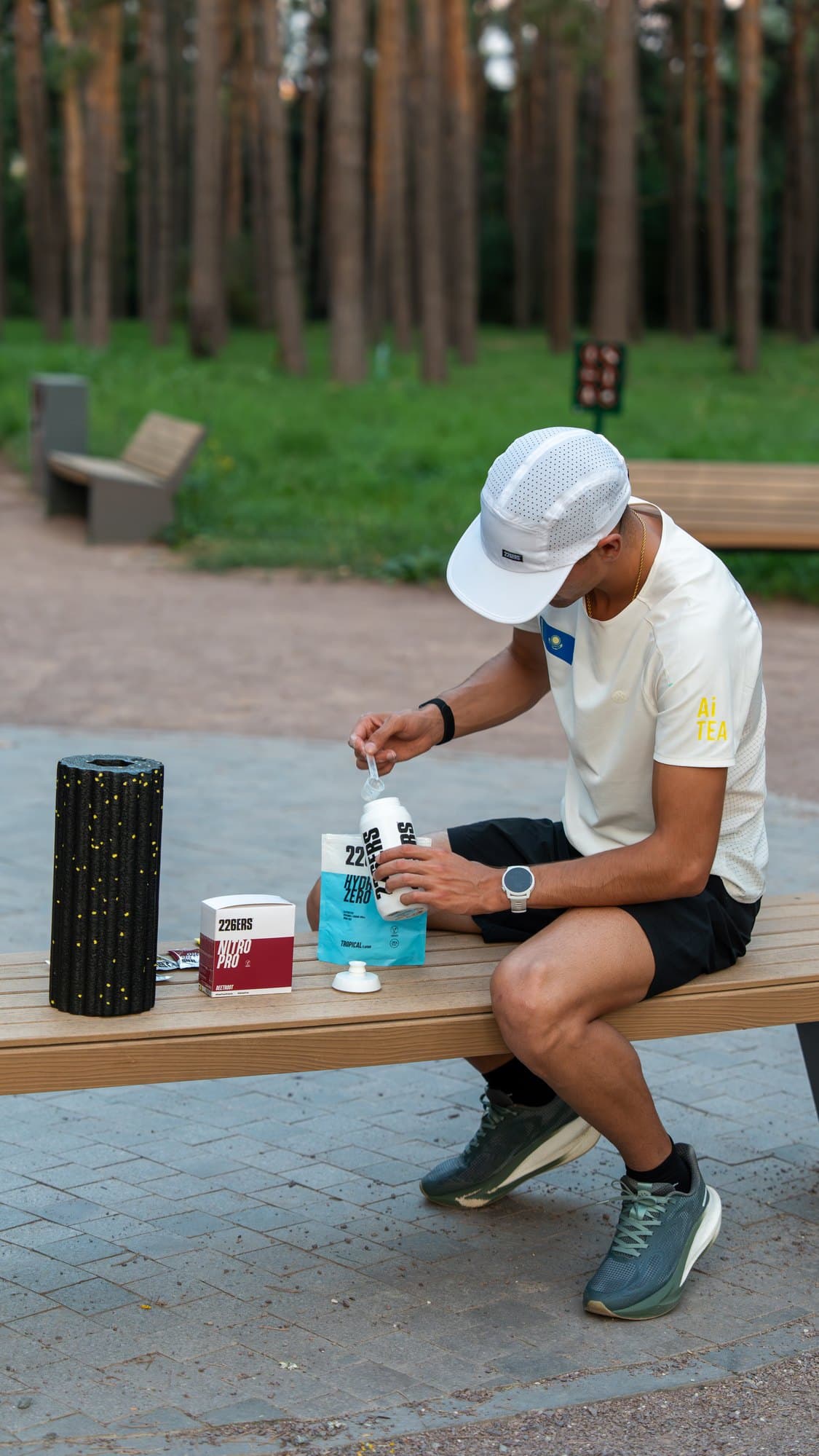
A 10K rarely calls for fuelling on the move: at a pace that fits into roughly 35 to 60 minutes, your glycogen stores are enough. The main job falls to breakfast two or three hours before the start: familiar carbohydrates, a little fat and protein, and a calm portion size you have already tested before training. Ten to fifteen minutes before the gun you can take a few sips of water or isotonic drink if you are used to it. Electrolytes make sense in heat or if you sweat heavily, and caffeine only works for those who have tried it in training. On the course itself, water at the stations is enough, and you should drink when you want to rather than to a plan.
How to pace 10 km around a city loop
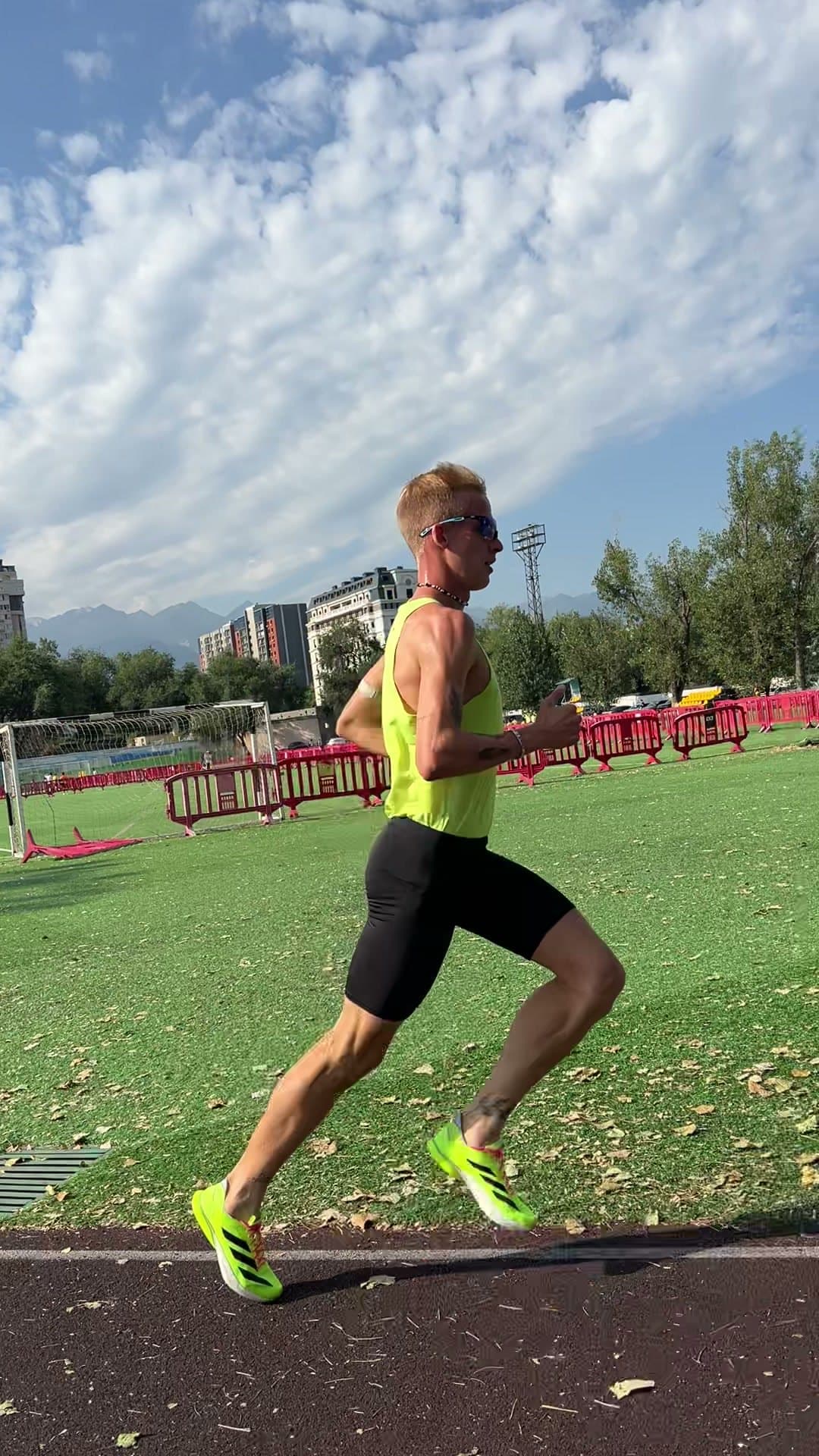
The main tactical mistake over a short distance is a first kilometre that is far too fast. Adrenaline, a dense crowd and the flat city centre create a sense of ease that wears off by the third kilometre. It is wiser to start 5 to 10 seconds slower than your target pace, settle into it by the second kilometre and hold it to the eighth, saving your kick for the finish. On city courses, account for the turnarounds and corners: take them on the inside line and do not try to win seconds back on a bend. If the race has a theme and you are running in costume, test the outfit on a short run beforehand: fabric that chafes and a mask that gets in the way of your breathing cost more than any photo.
The last race of the season: what to do after the finish
A race that closes the season is a logical point to move into the off-season. In the first half hour after finishing, change into dry clothes, drink something with electrolytes and eat carbohydrates with protein. After that, give yourself one or two weeks of easy running by feel, with no intervals and no time trials. This is a good period to spend on what you put off all season: regular sleep, strength work, mobility. You will not lose fitness, and you will go into the next cycle without accumulated fatigue.
The short version: the final week before a 10K is not about heroics, it is about care. Reduced volume, retained speed, nothing new, a race pack collected in advance and a bag packed the evening before will do more for you than any extra session. And if you need to stock up in advance on your usual isotonic drink, gels or supplements for recovery after the season, you can find them at spacefuel.kz.




FAQ
How much should I cut my volume in the last week before a 10K?
A good guide is to cut weekly mileage by roughly a quarter or a third while keeping your usual intensity. Three or four days before the start you keep one short session at race pace, and in the last two days you either jog for 20 minutes with short strides or rest.
Do you need fuelling during a 10K?
As a rule, no: over that distance your glycogen stores are enough. The focus goes on your usual carbohydrate breakfast two or three hours before the start, and on the course water at the stations, taken when you want it, is enough.
When should you collect your race pack at a city race?
On the collection days, in advance and preferably on the first day, because numbers are usually not issued at the start. At City Run in Almaty, collection ran on 13 and 14 November 2026 from 10:00 to 20:00 at the Jurek Tau shopping centre, al-Farabi 5/2, level P2.