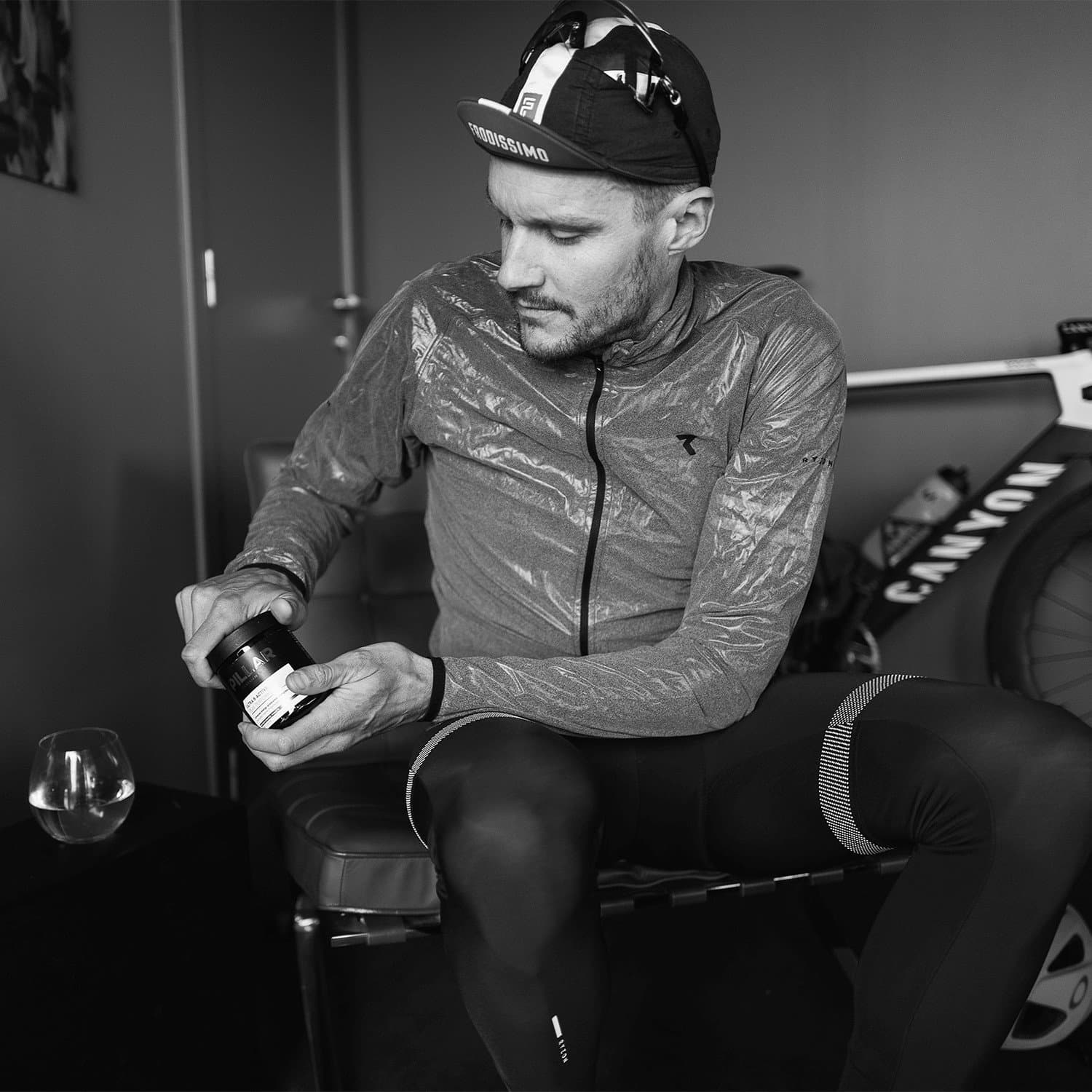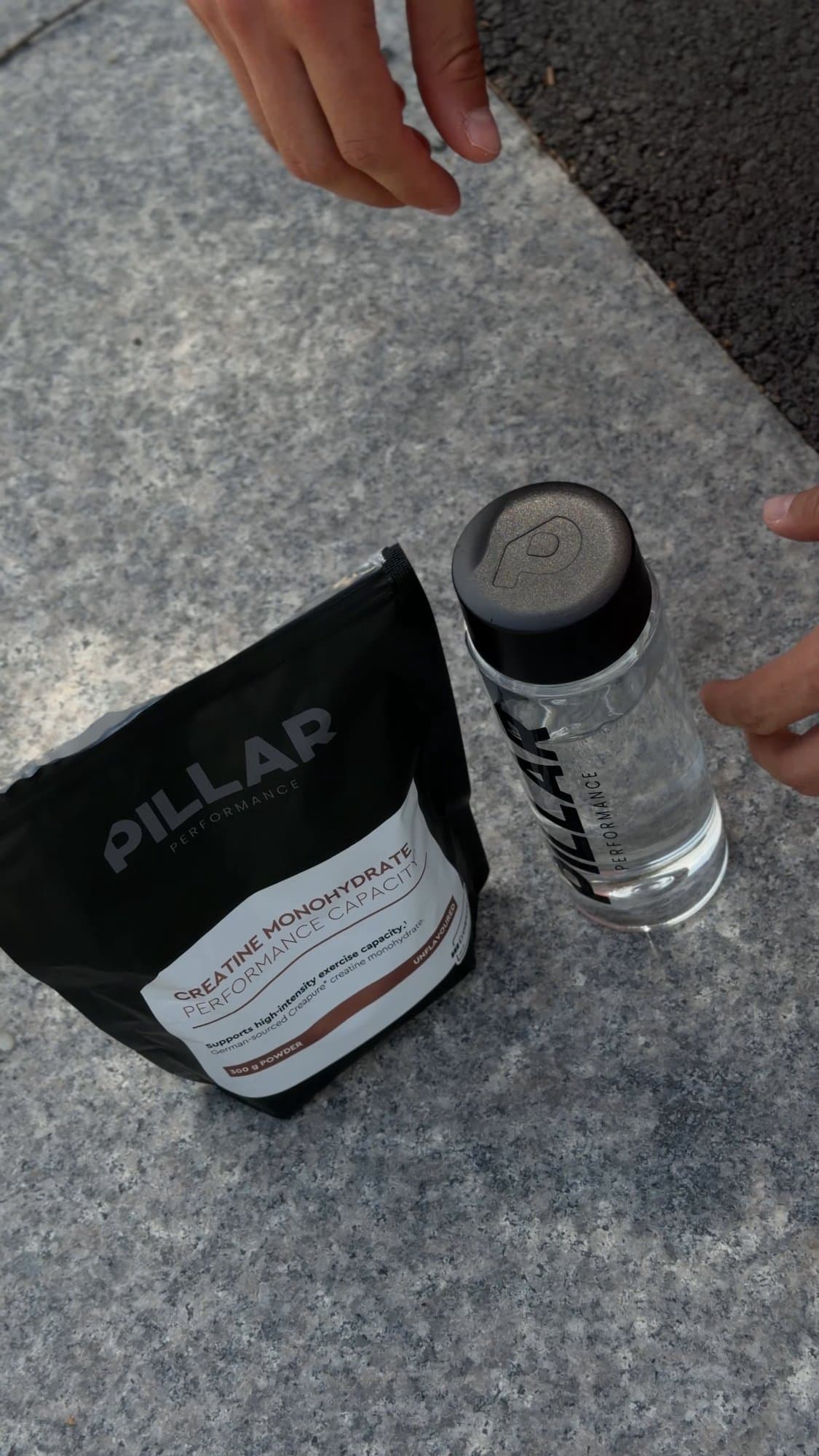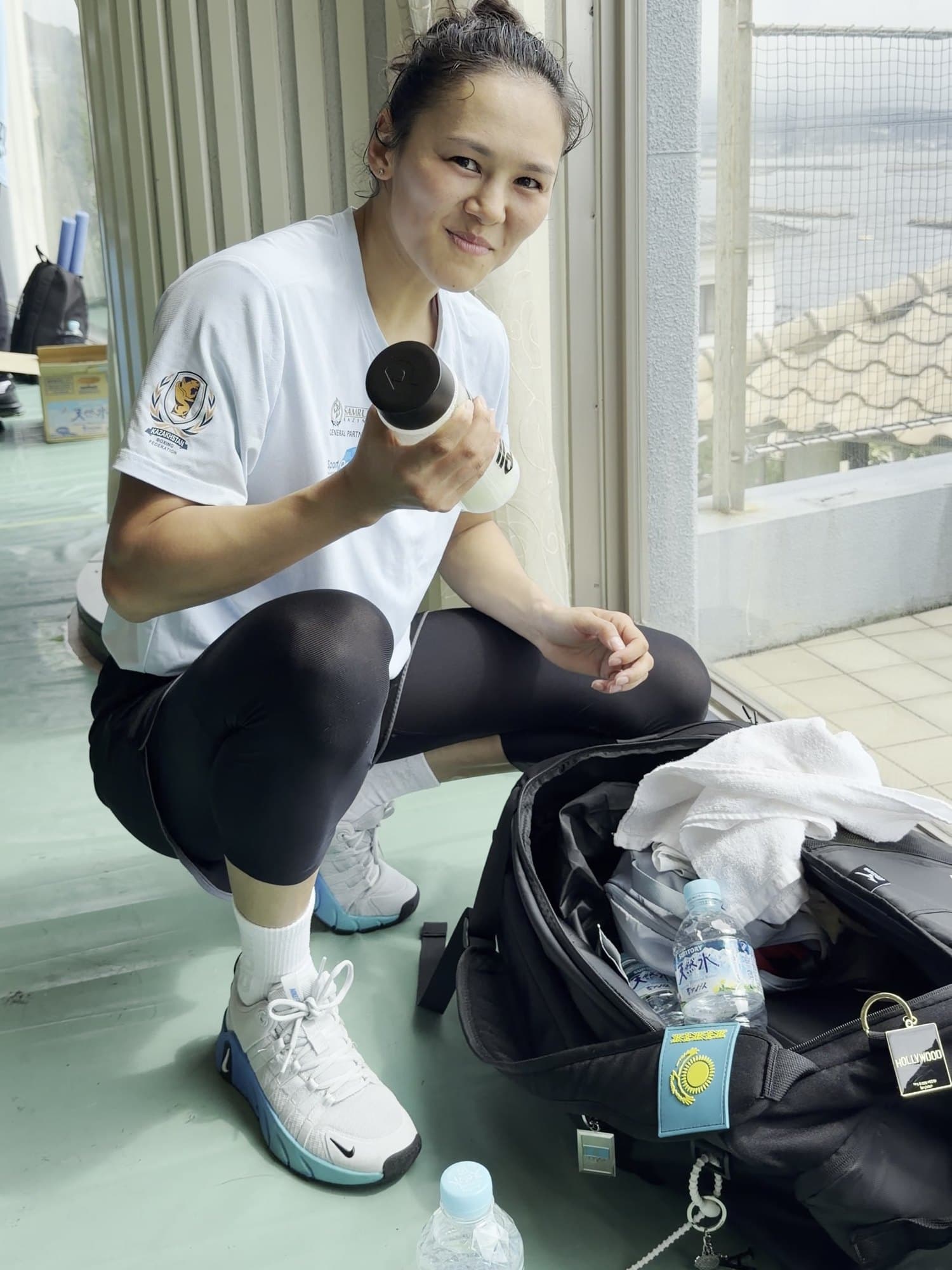
Sleep, food and recovery: this is the part of preparation that looks the same for a boxer, a wrestler, a runner and a triathlete, even though their sessions have nothing in common at all. On 23 November 2026 the brand PILLAR introduced its team of six athletes in Kazakhstan, and the main thing they share is not the sport or the level but the daily routine: sleep, nutrition and recovery every single day. This article is for anyone who wants to understand what those basics consist of and how to build them around their own calendar, whether you are a professional competing at world championships or an amateur who runs after work.
The PILLAR Kazakhstan team: six athletes from different sports
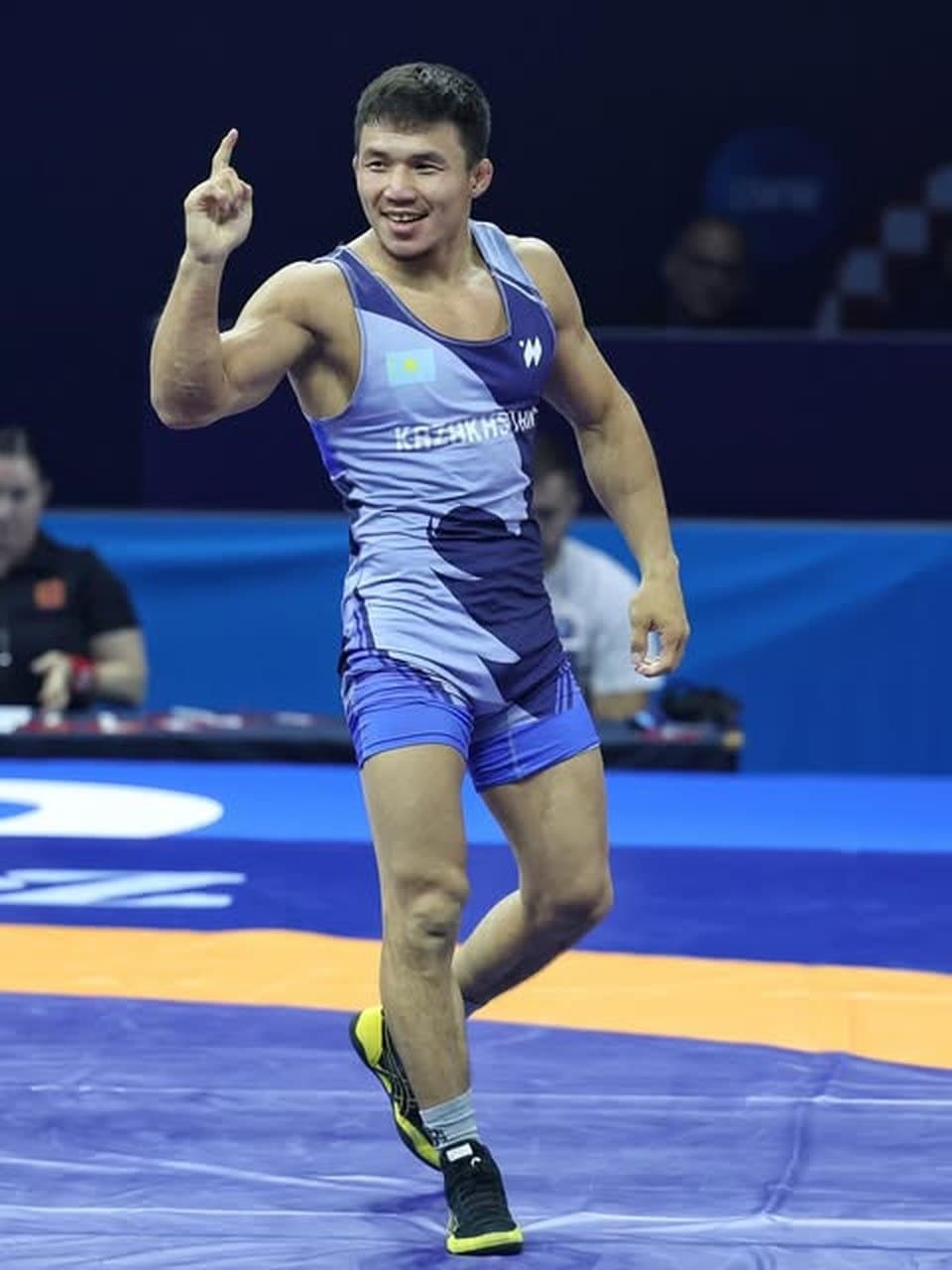
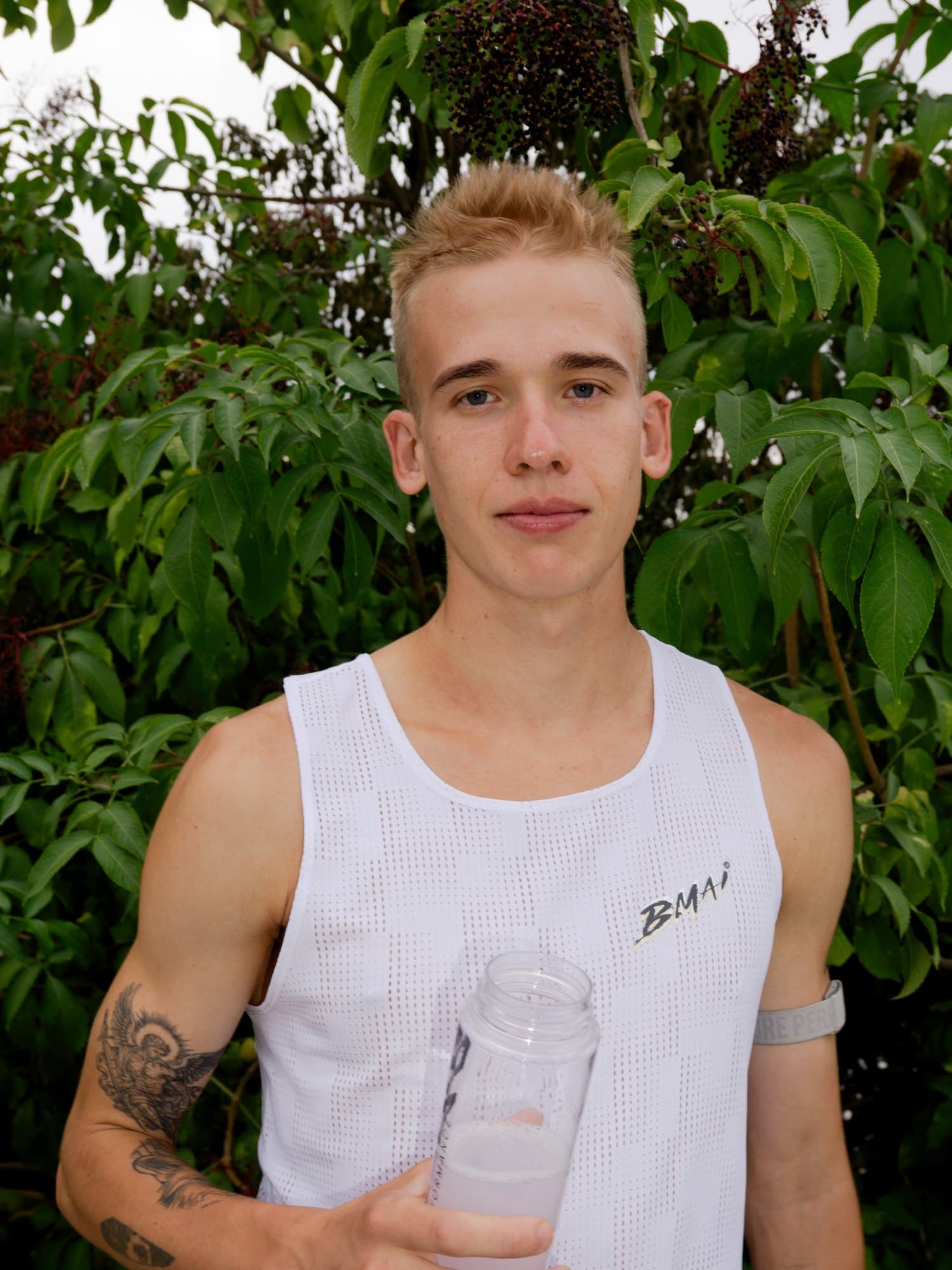
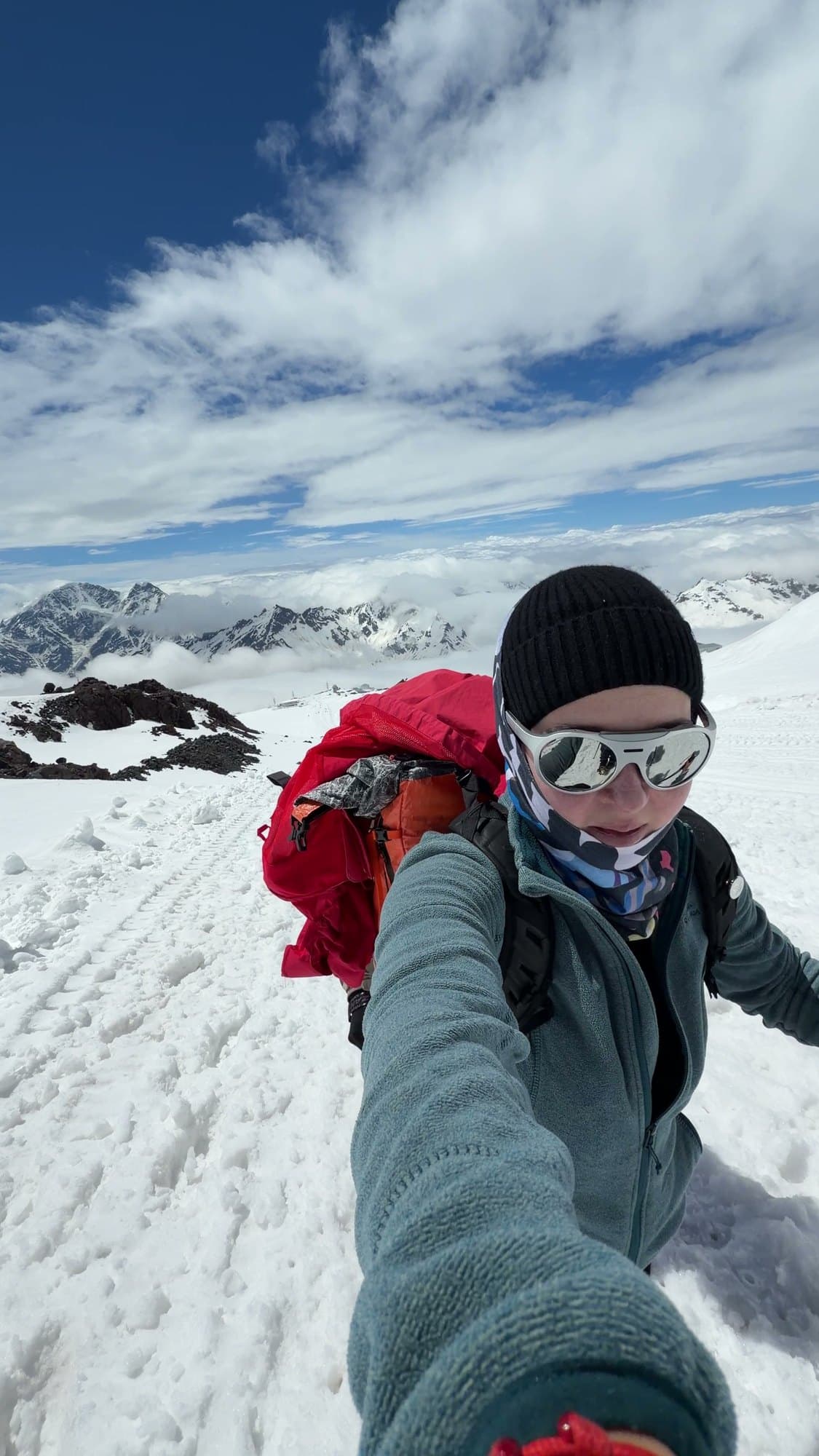
There are six people in the line-up. Alua Balkibekova, boxing: two-time world champion in 2025 and a bronze medallist at the Asian Games. Nurkozha Kaipanov, freestyle wrestling: world champion in 2024 and silver medallist at the 2026 World Championships in Astana. Maxim Frolovsky, 5000 and 10,000 metres, has competed at the Asian Games. Ayana Abdull, triathlon: 11 Ironman 70.3 starts and two full Ironman distances. Elvira Takhauova, running coach and high-altitude climber. Alexander Semyonov, works in IT and runs marathons. Different sports, different routines, the same basics.
Why the recovery basics are the same in every sport
Training is only a stimulus. Adaptation itself, meaning gains in strength, endurance and resilience to load, happens between sessions, when the body has time to restore its energy stores, rebuild muscle tissue and return the nervous system to working order. That is why a boxer before a tournament and an amateur before a first marathon use the same toolkit: enough sleep, an adequate amount of food and protein, attention to fluids, and a sensible spread of hard and easy days. The doses and the calendar differ, but the principles do not.
How much sleep an athlete needs and how to fix your sleep routine
Sleep remains the most underrated recovery tool: it is during sleep that the bulk of the hormonal work and the consolidation of motor skills take place. The general guideline for adults who train seriously is 7 to 9 hours, and what matters is not only the duration but also a consistent bedtime. In practice, simple things help: the same bedtime on weekdays and at weekends, no caffeine in the second half of the day, a dark and cool bedroom, and a calm 30 minutes without screens before bed. If an evening session finishes late, it makes sense to move dinner closer to the end of it and give yourself time to cool down, otherwise falling asleep will be harder.
Food around training: carbohydrates before, protein after
In endurance sports carbohydrates remain the main fuel for intense work, and a shortfall shows up not only as a drop in pace but also as sluggish recovery the next day. So before a long or quality session it makes sense to eat 2 to 3 hours beforehand with the emphasis on carbohydrates, and on longer blocks of work to add fuel during the session itself. After training the task is different: to restore glycogen stores and supply material for muscle repair, which means a combination of carbohydrates and a portion of protein. The guideline for protein accepted in sports nutrition is roughly 20 to 40 grams per serving, with several such servings spread across the day rather than one large one in the evening.
Water and electrolytes: how much to drink during training
Fluid and sodium losses in sweat vary a great deal between individuals and between sports, so there is no universal number here. A practical approach: weigh yourself before and after a long session and use the change in weight as a guide, and also keep an eye on the colour of your urine in the morning. In combat sports with weight categories, managing fluids becomes a separate task, and it is better solved together with a coach than through experiments the day before a tournament. In endurance sports with long sessions something else matters more: drink to a plan rather than to thirst, and do not forget sodium if the session runs longer than an hour or takes place in the heat.
Recovery between bouts, matches and races
Boxers, wrestlers and track cyclists may compete several times in one day or on several consecutive days, and that is a format of recovery in its own right. A compressed version of the usual protocol works here: eat and drink as soon as possible after competing, do a short cool-down instead of stopping abruptly, keep your legs and your head at rest between rounds of a tournament, and nap during the day if you can. For runners and triathletes the equivalent is a block of two hard days back to back or a series of races within a season: the rules are the same, just stretched over weeks.
How to combine work and a marathon without losing recovery
An amateur with a full-time job is most likely to get the basics wrong rather than the training. The typical picture: the plan gets done, but sleep gets shorter, breakfast is skipped, lunch happens on the move, and all the attention goes to nutrition on race day. The reverse order works: first lock in sleep and three proper meals, then build the training week around them. If there is no choice and the only option is a late evening session, it is worth planning in advance what you will eat straight afterwards and when you will go to bed, otherwise quality work turns into accumulated fatigue.
Common mistakes in daily recovery
The first mistake is under-eating during periods of high volume: the body reads this as stress, and both progress and immunity suffer. The second is one-off heroics instead of a system: one perfect week does not make up for a month of poor sleep. The third is ignoring easy days, when a recovery session is run at workout pace. The fourth is experimenting with new fuelling or a new routine on race day instead of testing it in training. All four show up in professionals and amateurs alike.
What to take from this into your own week
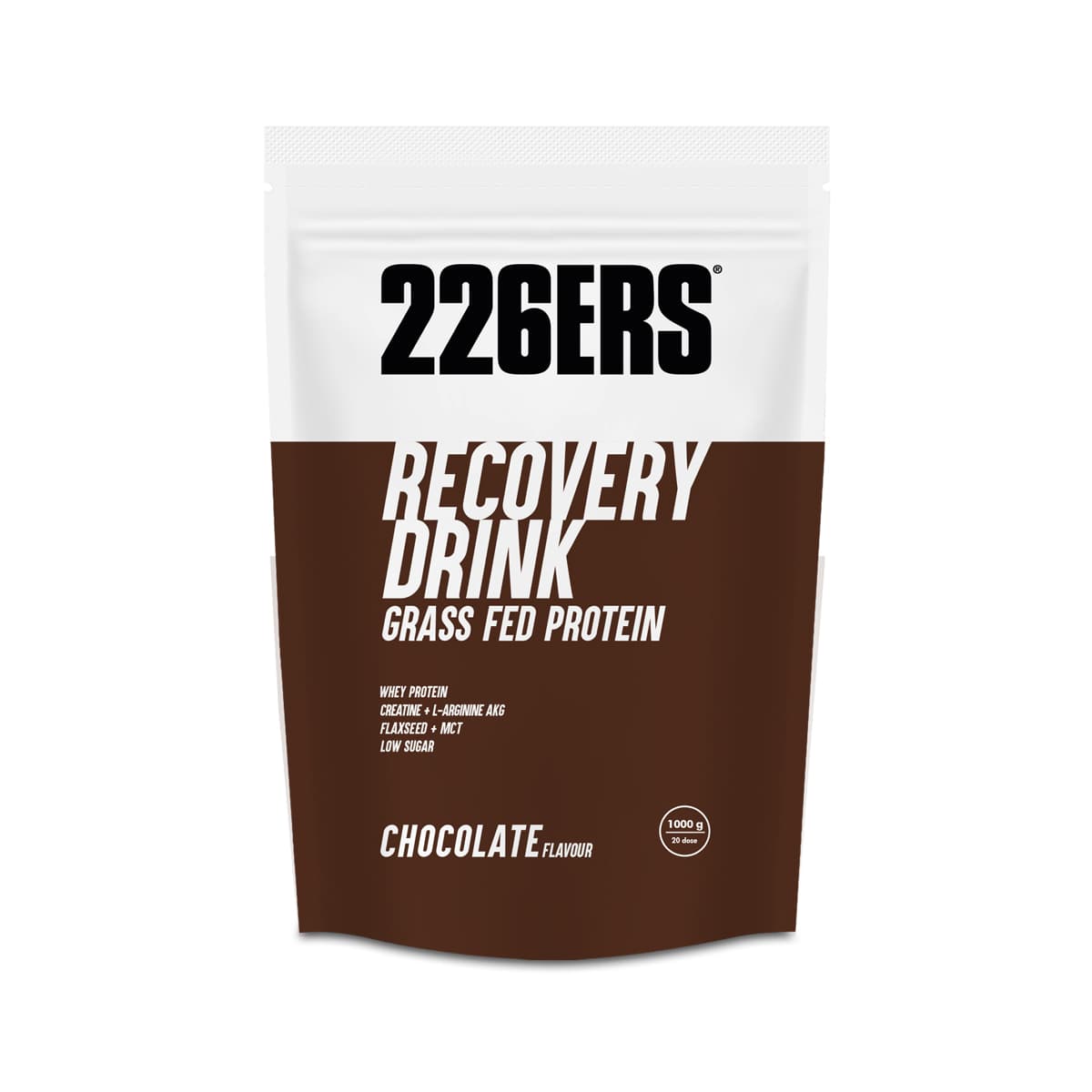
If there is one conclusion to draw from the experience of six very different athletes, it is simple: the sport changes, the basics stay. Start with your sleep routine and regular meals, add protein after training and attention to fluids, and only then make things more complex. You can choose nutrition and supplements to fit this kind of daily protocol, including PILLAR products, at spacefuel.kz.



FAQ
Who is in the PILLAR Kazakhstan team?
Six athletes: boxer Alua Balkibekova, wrestler Nurkozha Kaipanov, runner Maxim Frolovsky, triathlete Ayana Abdull, running coach and mountaineer Elvira Takhauova, and marathon runner Alexander Semyonov, who works in IT. The team was introduced on 23 November 2026.
How much sleep does an athlete need?
The general guideline for adults who train seriously is 7 to 9 hours. It is not only the duration that matters but also a consistent bedtime, weekends included.
What should you eat after training for recovery?
A combination of carbohydrates and protein: carbohydrates restore glycogen stores, protein supplies material for muscle repair. The guideline for protein is roughly 20 to 40 grams per serving, spread across several servings during the day.