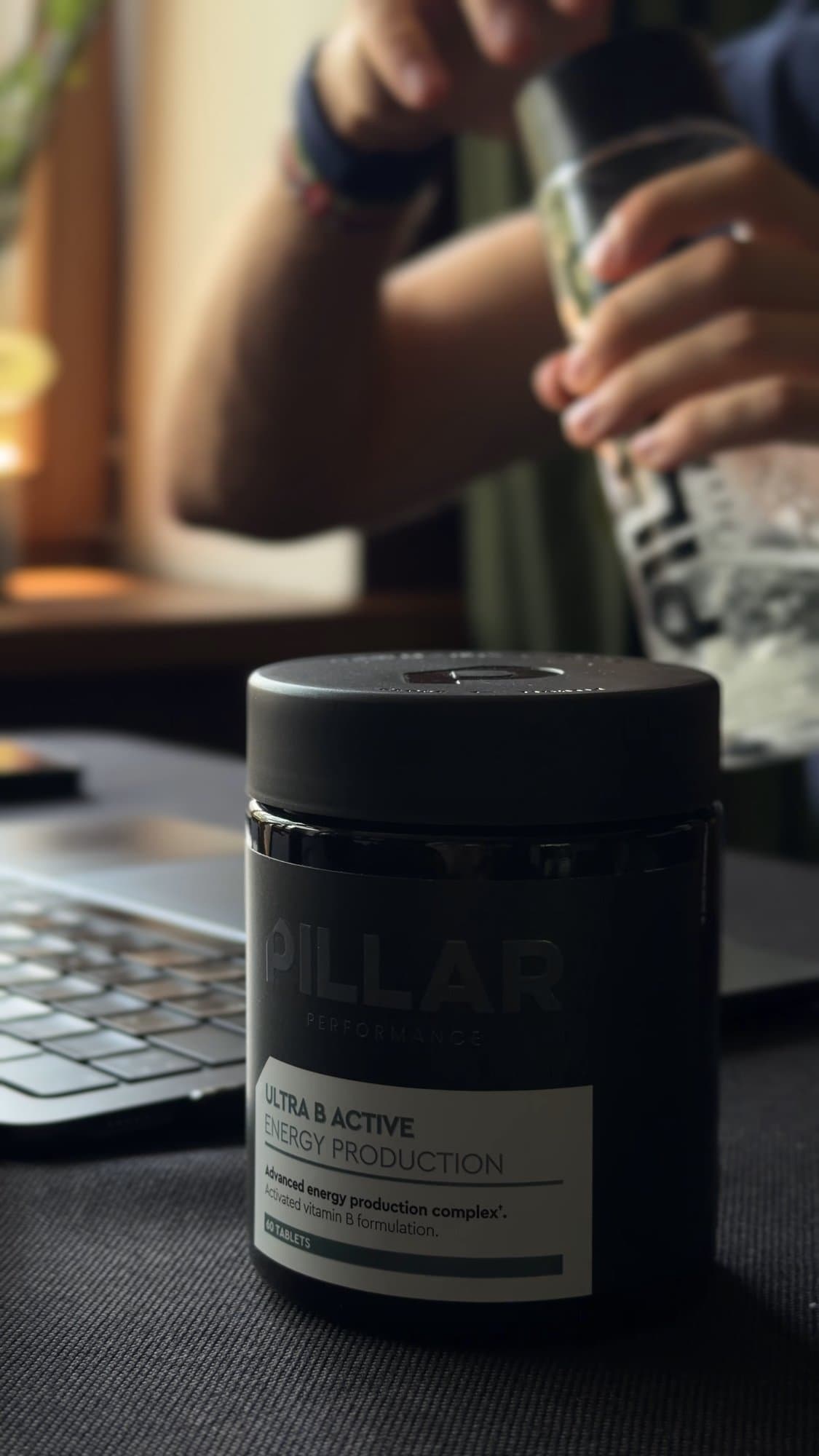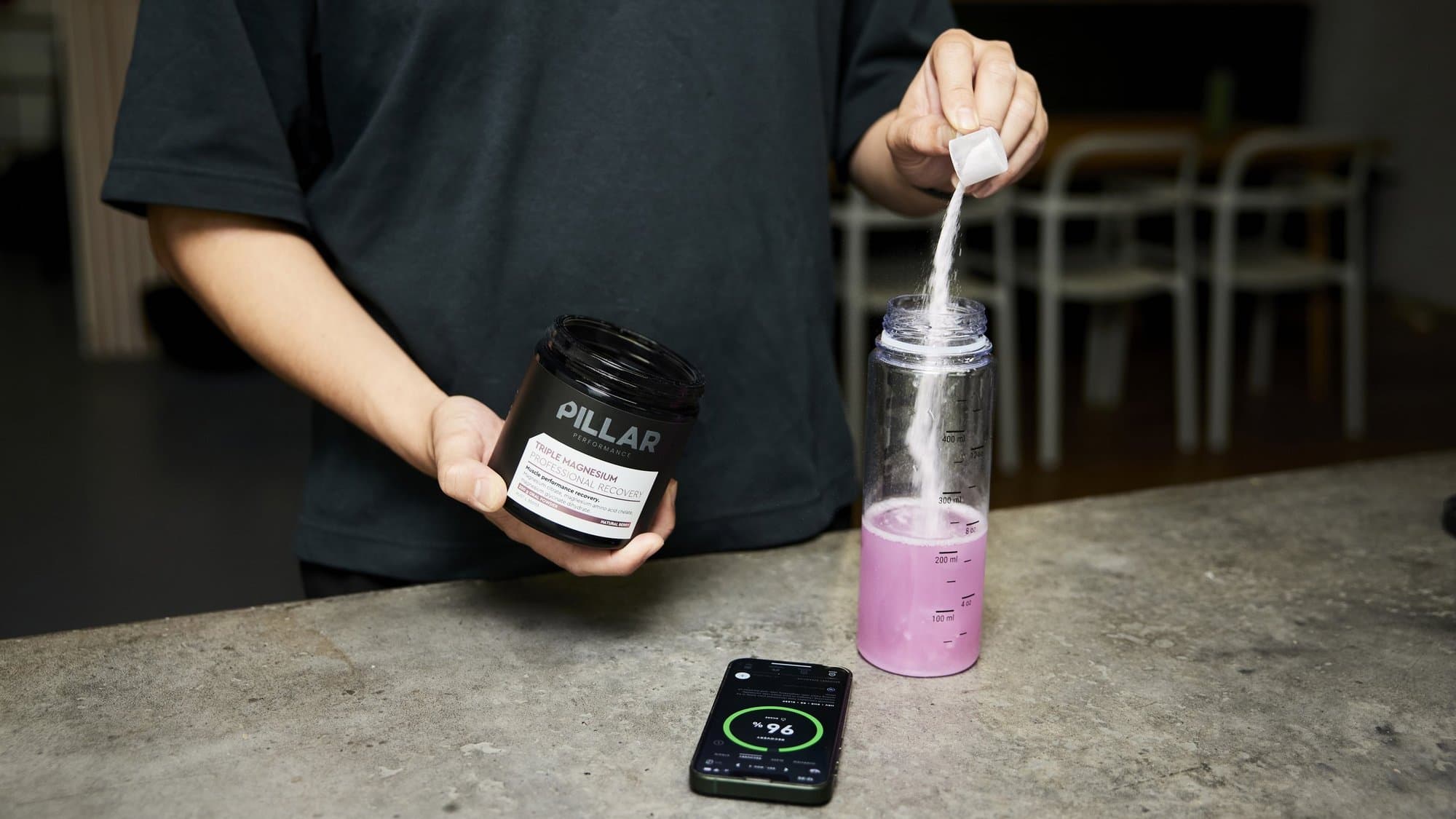
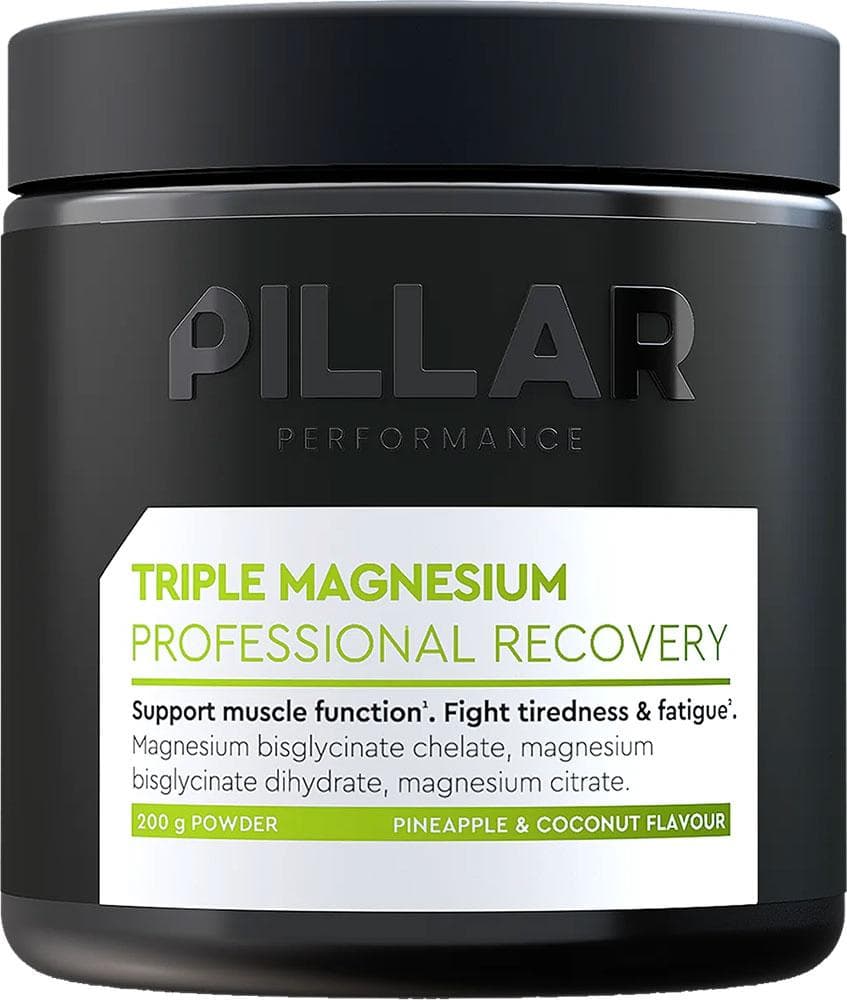
For most amateurs, recovery after training remains the most underrated part of their preparation: the training load is mapped out week by week, while whatever happens between sessions is left to chance. In professional sport it is the other way round: there, recovery is a process just as tightly regulated as the training itself. On 15 August 2026 PILLAR, a brand that works with precisely this part of preparation, announced that its products are now available in Kazakhstan. That is a good reason to look at what a recovery protocol actually is, why teams at Premier League and UCI World Tour level take it so seriously, and how to apply the same logic to the preparation of a runner, cyclist or triathlete who trains after work.
What a recovery protocol is in sport
A recovery protocol: this is not a one-off measure after a hard session, but a repeatable set of actions an athlete carries out every day regardless of how they feel. It usually includes sleep as the foundation, nutrition around the training load, replacing fluid and electrolytes, monitoring nutritional status, and only on top of all that, targeted nutritional support. The key words here: every day. The body adapts not during the work but in the gaps between sessions, and the quality of those gaps determines whether training volume turns into fitness or into accumulated fatigue. That is exactly why teams plan recovery in advance rather than remembering it once the symptoms of overload appear.
Why professional teams use PILLAR
According to the brand, PILLAR is used in the daily recovery protocols of more than 200 professional teams worldwide, including clubs in the Premier League, NFL, NBA and Bundesliga, and UCI World Tour teams. The logic behind that choice is pragmatic: in elite sport the cost of a mistake is measured in seasons, so products that “seem to work” simply are not used. For an amateur athlete this is a useful reference point. Not because an amateur trains the way a professional does, but because the demands on product quality and predictability are the same in both cases: you want to understand exactly what you are taking and why.
Which athletes work with the brand
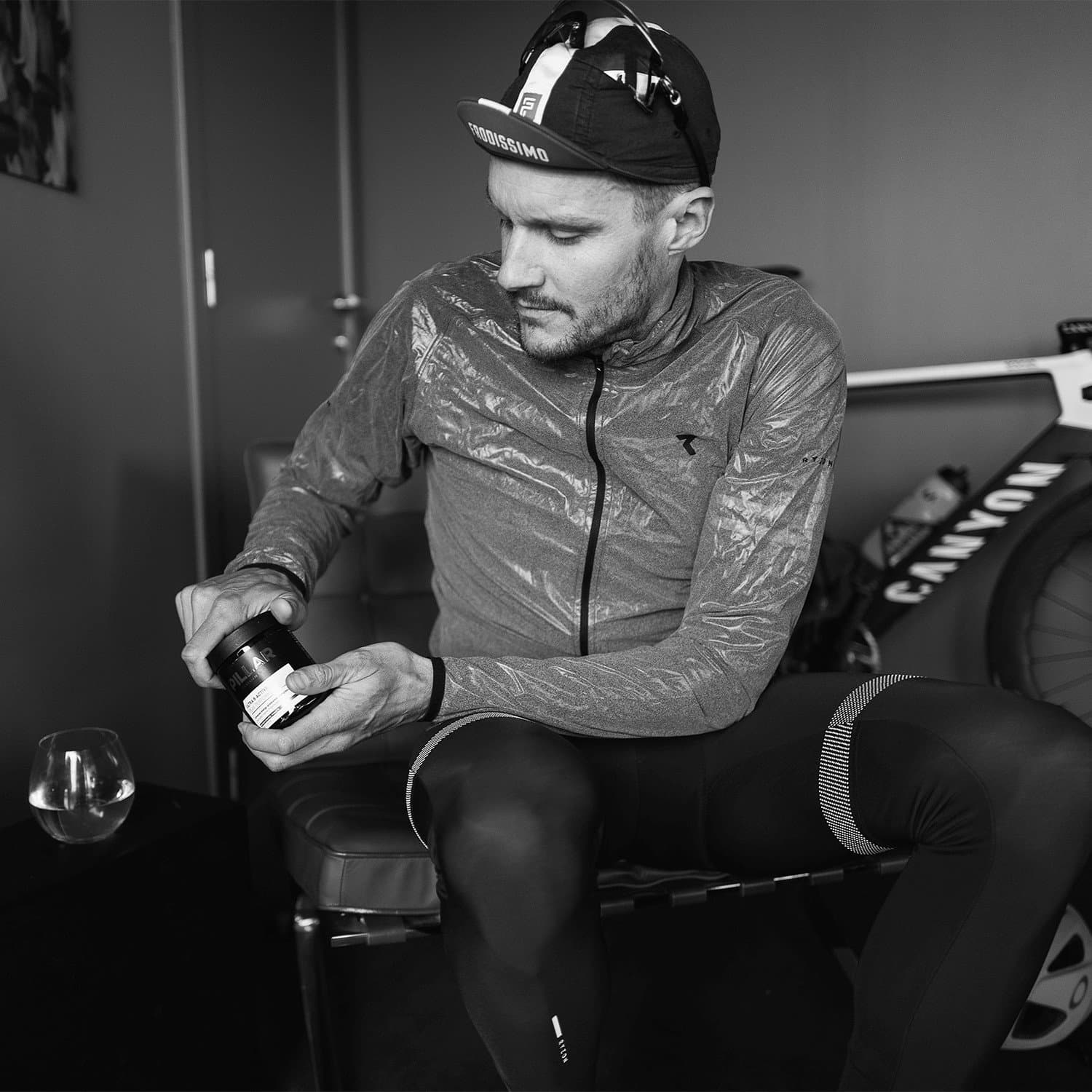
Among the athletes and teams associated with PILLAR: Jan Frodeno, three-time Ironman world champion, NN Running, a team of the strongest marathon runners on the planet, and CANYON//SRAM, one of the top teams in women's cycling. These are three different kinds of endurance: long-distance triathlon, marathon running and multi-day road racing. They have one thing in common: a high weekly volume sustained over months and the need to arrive at every next session in working condition. Where the volume is large, recovery stops being a question of comfort and becomes a question of being able to keep training at all.
Recovery starts with sleep and nutrition
Any nutritional support only works on top of the basics, and those basics are well known. First: sleep of sufficient length and on a stable schedule, because the main processes of adaptation happen during sleep. Second: carbohydrates after long and intense sessions to restore glycogen stores. Third: a regular intake of protein through the day, spread across meals rather than one large meal in the evening. Fourth: replacing fluid and electrolytes, especially after working in the heat. If those four points are not covered, supplements will not make up the difference: they are designed to complement a diet, not to replace it.
How to build supplements into a training plan
The practical approach: tie your support to the structure of the week rather than to how you feel. The sessions that demand the most recovery are, for a runner, the long run and interval work; for a cyclist, long rides and intensive blocks; for a triathlete, double-session days. It makes sense to build more careful nutrition and recovery routines around those. On easy days the regime stays basic. This approach brings another bonus: you start to see which sessions genuinely cost you the most, and you can adjust the plan before fatigue piles up.
Recovery in race week and after the finish
In race week the task changes: not to create adaptation, but to come to the start line fresh. Volume drops, some intensity is retained, and nutrition and drinking become predictable, with no experiments. After the finish the same logic applies as after a hard session, just with a longer time frame: first fluid and electrolytes, then a full meal with carbohydrates and protein, then several days of reduced load. The longer the distance, the longer the period in which the body is still not ready for quality work, even once the muscles have stopped aching.
Typical recovery mistakes among amateurs
The first mistake: changing everything at once before an important race, including nutrition, supplements and routine. The second: under-eating during periods of rising volume, hoping to lose weight and gain fitness at the same time. The third: ignoring sleep, compensating with caffeine, and treating that as a working strategy. The fourth: seeing supplements as a way to survive a plan that was too hard in the first place, instead of adjusting the plan itself. The fifth: not checking nutritional status when fatigue becomes chronic, although that is a question for a doctor and laboratory tests, not for the supplement shelf. Recovery delivers results when it is systematic, not when it is an emergency measure.
How to choose recovery products
When choosing, it is worth looking at three things: transparency of the formulation, the manufacturer's reputation in professional sport, and how well the product matches your actual need. Professional teams place heightened demands on products in terms of quality and testing, and for an amateur athlete that is a useful filter: if a product is used in elite-level protocols, the chance of unpleasant surprises is lower. After that the individual work begins: what exactly you need depends on your volume, the climate, your diet and your goals for the season, and in borderline cases it is sensible to discuss it with a specialist.
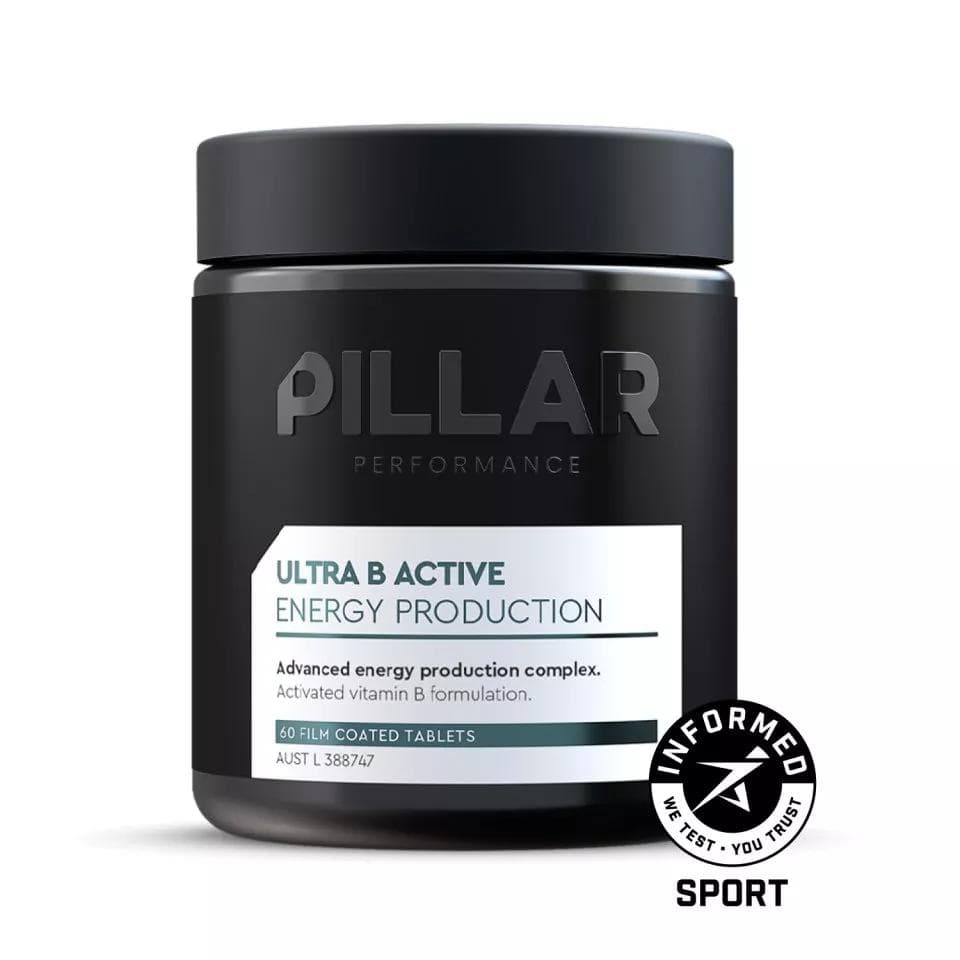
The main point is simple: recovery is a manageable part of preparation, and professional teams manage it deliberately. An amateur does not need to copy their weekly volume, but it is worth adopting the approach: sleep, nutrition and routine first, then targeted support, then consistency instead of last-minute scrambles. PILLAR products are now available in Kazakhstan, including in the range at spacefuel.kz, alongside other solutions for runners, cyclists and triathletes.

FAQ
What is a recovery protocol?
It is a repeatable set of daily actions: sleep, nutrition around the training load, replacing fluid and electrolytes, monitoring nutritional status and targeted nutritional support. The essential part of it is regularity, not one-off measures after a hard session.
Why do professional teams use PILLAR?
According to the brand, PILLAR is used in the daily recovery protocols of more than 200 professional teams, including clubs in the Premier League, NFL, NBA and Bundesliga, and UCI World Tour teams. In elite sport the cost of a mistake is high, so the demands on product quality and predictability are correspondingly higher.
Where should recovery after a long session start?
First replace fluid and electrolytes, then have a full meal with carbohydrates and protein, then take several days of reduced load if the distance was long. Supplements complement this basic order but do not replace it.