How to dress for a winter run is a question every runner faces once the temperature drops towards zero and below. Getting your kit wrong in winter costs more than it does in summer: overdress and you end up soaked in sweat, underdress and you freeze halfway through the route. Coach Elvira Takhauova has broken down a simple kit formula for running in the cold, and below that formula is laid out layer by layer along with the wider context: how to apply it on everyday runs, on long runs and at city winter races.
The layering principle: base, warmth, wind protection
Winter kit does not work like one thick jacket, it works as a set of thin layers. The base layer moves moisture away from the skin, the mid layer holds warmth, the outer layer protects against wind and precipitation. Each layer can be added or removed depending on the weather, and the air trapped between the layers acts as insulation in its own right. That is why three thin pieces are almost always warmer and more comfortable than one warm one: they handle sweat better, and in winter sweat is the main reason you get chilled.
Bottom half: leggings or a thermal base layer plus windproof trousers
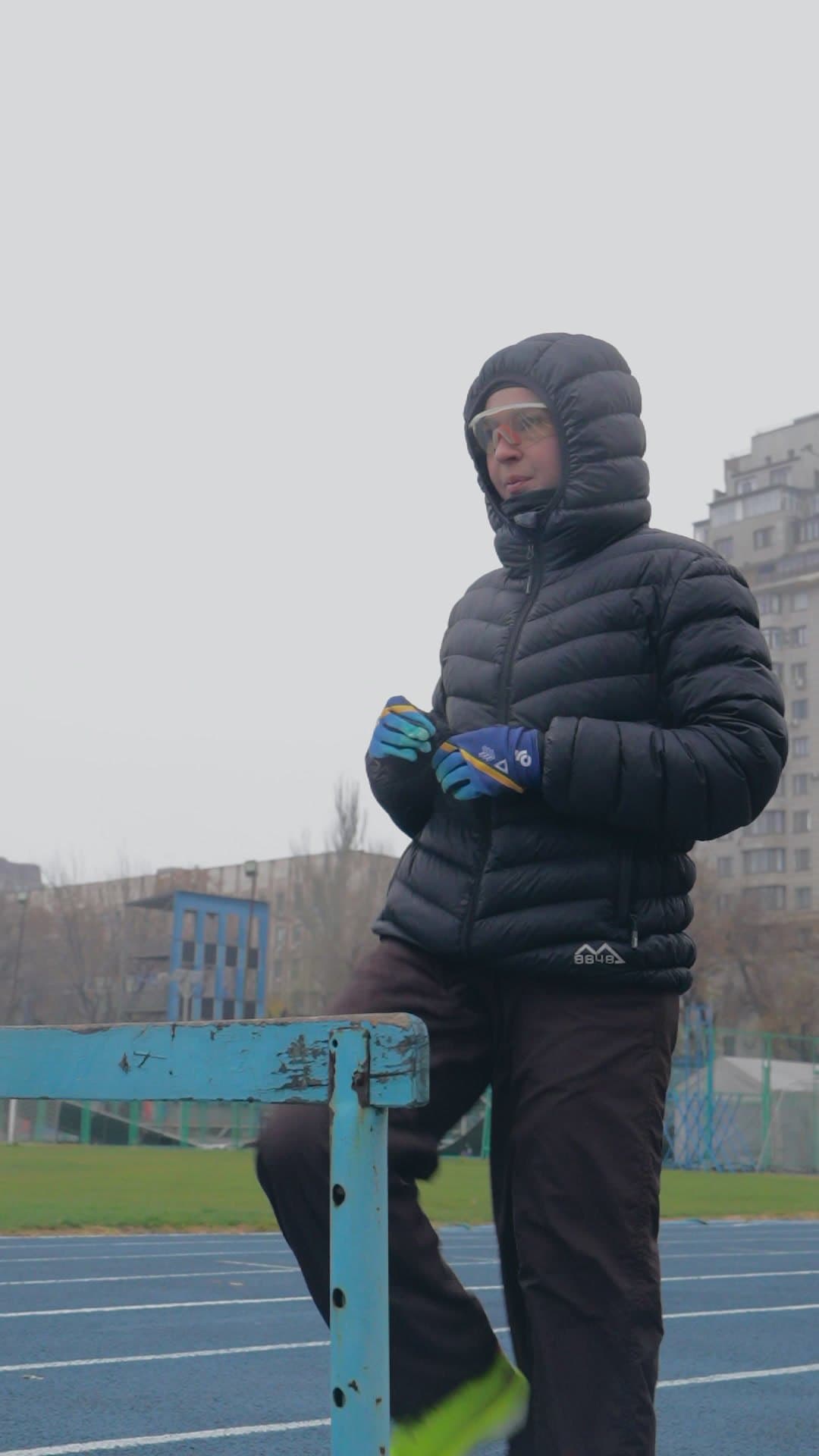
Elvira Takhauova advises starting from the bottom with leggings or a thermal base layer, with windproof but not overly warm trousers on top. The logic is the same as for the top half: the close-fitting layer against the skin deals with moisture, the outer one blocks the wind. Trousers that are too warm turn into a greenhouse once you are moving, and after a stop at a traffic light or a feed station the damp fabric starts to chill you. If it is not deeply cold and there is no wind, many runners find a single pair of thick tights is enough without a second layer.

Top half: base layer, long sleeve, light fleece and a windproof jacket
For the top half the formula is this: a thermal base layer or a running long sleeve as the base, a light fleece as the second layer, and in serious cold a light windproof jacket as well. Note the word “light”: the job of the fleece is not to keep you warm standing still, it is to hold on to the heat the runner is already producing. The jacket goes on specifically for frost and wind, and the thinner it is, the less chance you have of overheating on a climb or during a tempo section. A good sign that you have judged the top half right: by the middle of the run you feel comfortable and are not looking for something to unzip.
Gloves, a headband, a neck gaiter and long socks: the essentials
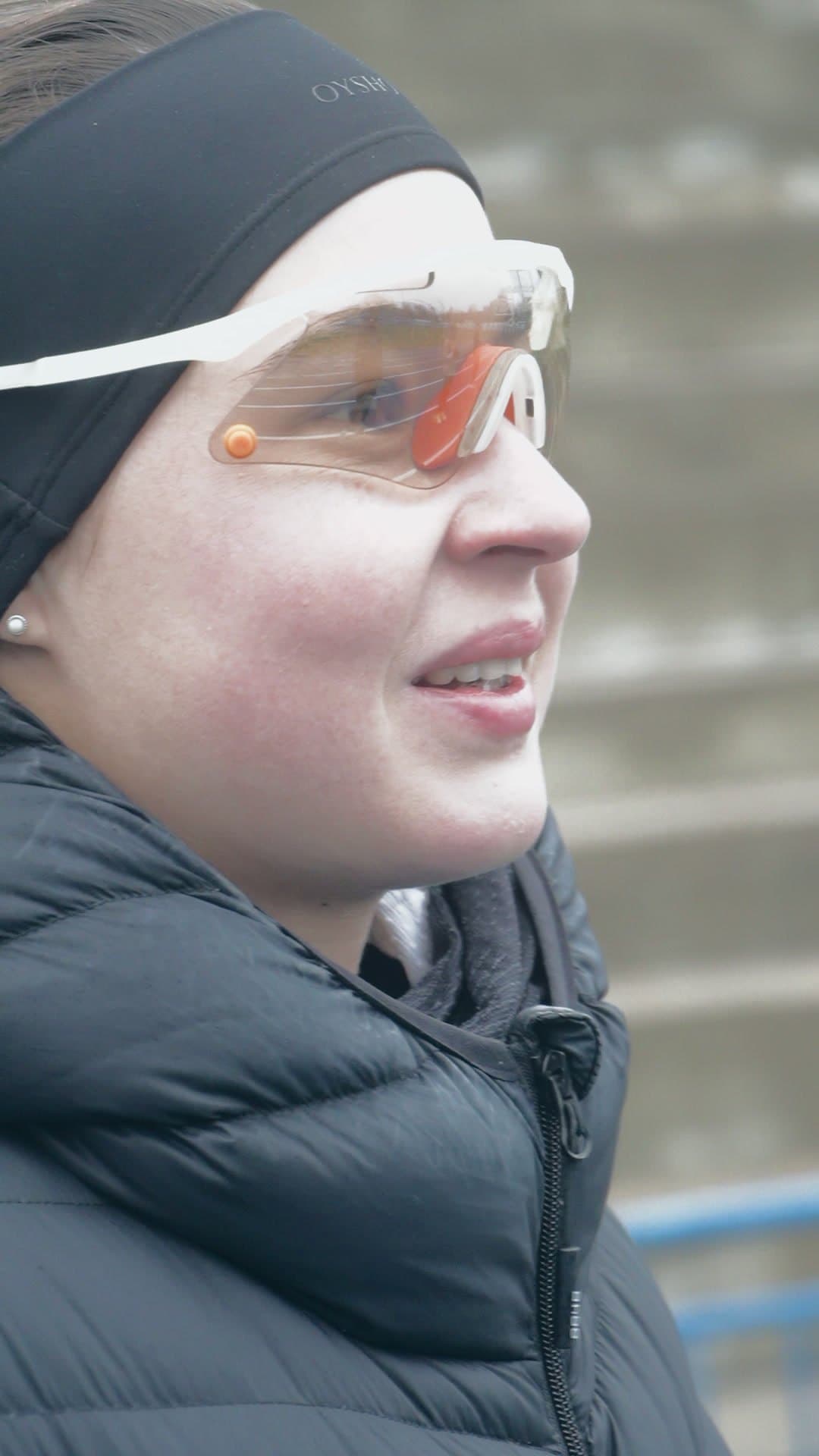
In winter accessories are not optional, they are part of the kit. The must-have list: gloves, a headband, a neck gaiter and long socks, your feet need to stay warm. Hands and ears cool down first, because in the cold blood flow is redistributed towards the core of the body, and more often than not it is frozen fingers that ruin the whole run. A neck gaiter also helps your breathing: the air you inhale through it warms up slightly, and your throat copes with the cold more easily. Long socks cover the shin in the gap between shoe and trousers, which is usually where a bare strip of skin appears.
The key rule: you should feel slightly cool before you head out
The most practical test sounds like this: before the start you should feel slightly cool, and as you run you will warm up and get hot. It works because a running body produces many times more heat than a resting one, and the first five to ten minutes go precisely on warming up. If you already feel warm and cosy in the hallway or the car park, you are wearing at least one layer more than you need. A convenient way to check yourself is how you feel at the ten minute mark: by then you should feel comfortable, not hot.
A winter city race: how to prepare for City Run
A city race in the cold season, such as City Run on 15 November 2026, adds one factor to an ordinary run: waiting in the start pen. There you stand still, sometimes for twenty or thirty minutes, and the “slightly cool” rule easily turns into shivering. The standard solution: an outer layer or an old piece of clothing you do not mind taking off before the gun, plus accessories you can tuck into a pocket on the move. It is worth planning separately for what happens after the finish: a damp base layer cools down fast in cold air, so a dry T-shirt and a warm jacket in your bag at the baggage drop matter more than you might think.

Common winter kit mistakes
The first mistake: dressing by the reading on the thermometer and ignoring wind and humidity, which shift how it feels by several degrees. The second: a cotton T-shirt as a base layer, it soaks up moisture and stays damp until the end of the session. The third: testing new kit straight at a race rather than on an ordinary run, where you can get home and change without any losses. The fourth: forgetting that intervals and long slow runs call for a different set of layers, because the pace and the heat you produce differ noticeably.
Drinking and recovery after a cold run
In winter thirst is less noticeable, but you still sweat, it just evaporates faster from the skin and through your breathing. That is why on long sessions water and electrolytes are best taken on a schedule rather than by feel. After a cold run it pays not to put off changing and not to stay in a damp layer longer than necessary: a quick shower, dry clothes and your usual protein and carbohydrate intake within the next hour help the body switch to recovery instead of fighting the cold.
Winter kit comes down to three things: thin layers instead of one warm piece, covered hands, ears, neck and shins, and a slight chill before you leave the house. The rest you work out by experience over a few runs. Supplements and nutrition for the winter season, including the PILLAR range, can be found at spacefuel.kz.

Photo: Кадры из видео тренировки Эльвиры Тахауовой, 12 ноября 2026
FAQ
How do I know I have dressed correctly for a winter run?
Before you head out you should feel slightly cool: once you are moving you will warm up and get hot. If you already feel warm at home or in the hallway, you are most likely wearing one layer too many.
What should I wear on my lower half when running in the cold?
Elvira Takhauova advises leggings or a thermal base layer as the base layer, with windproof but not overly warm trousers on top. An outer layer that is too warm leads to overheating and damp fabric.
Which accessories are essential for running in winter?
Gloves, a headband, a neck gaiter and long socks. Hands, ears and neck cool down first, and long socks cover the exposed section of shin between shoe and trousers.