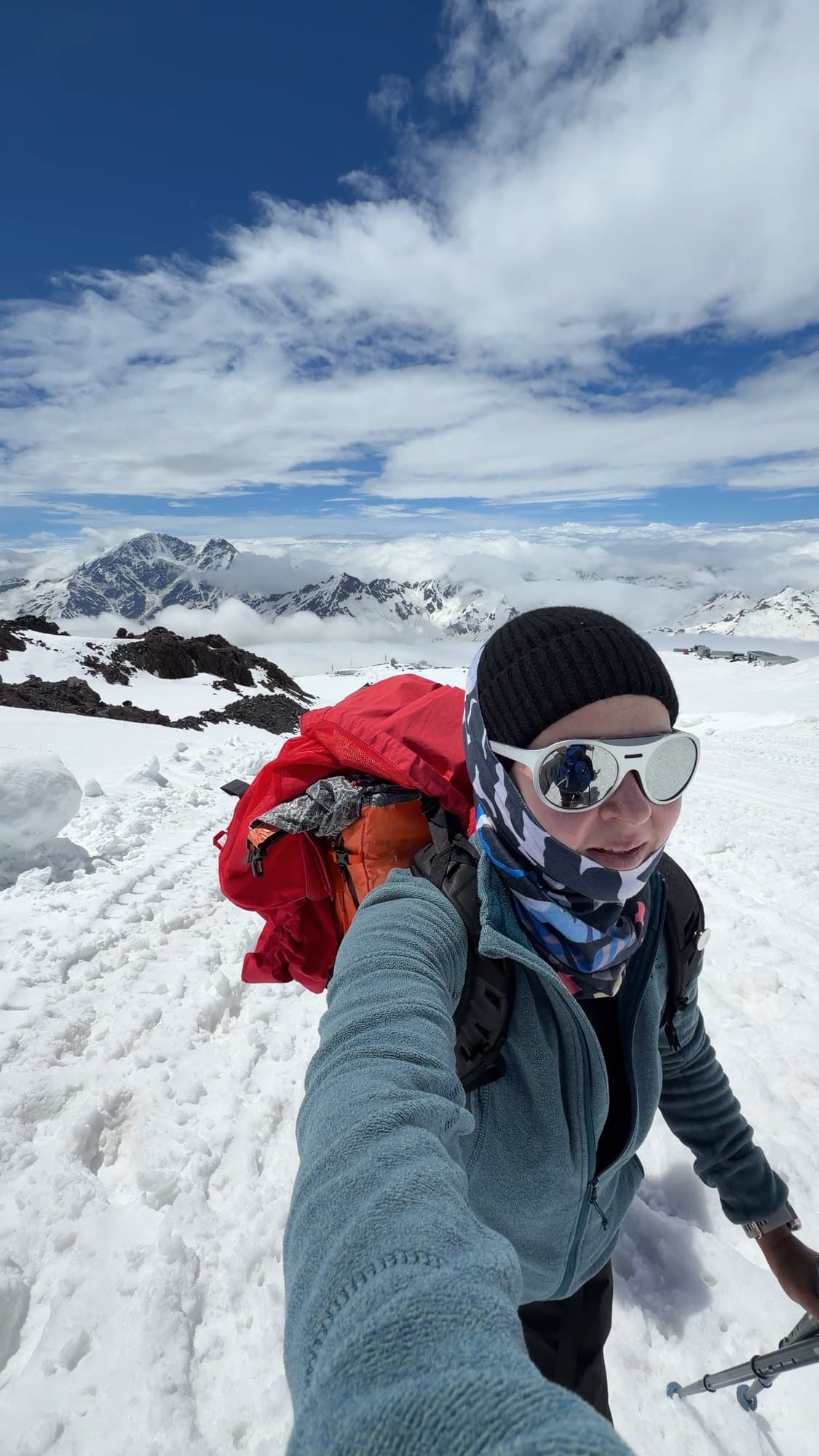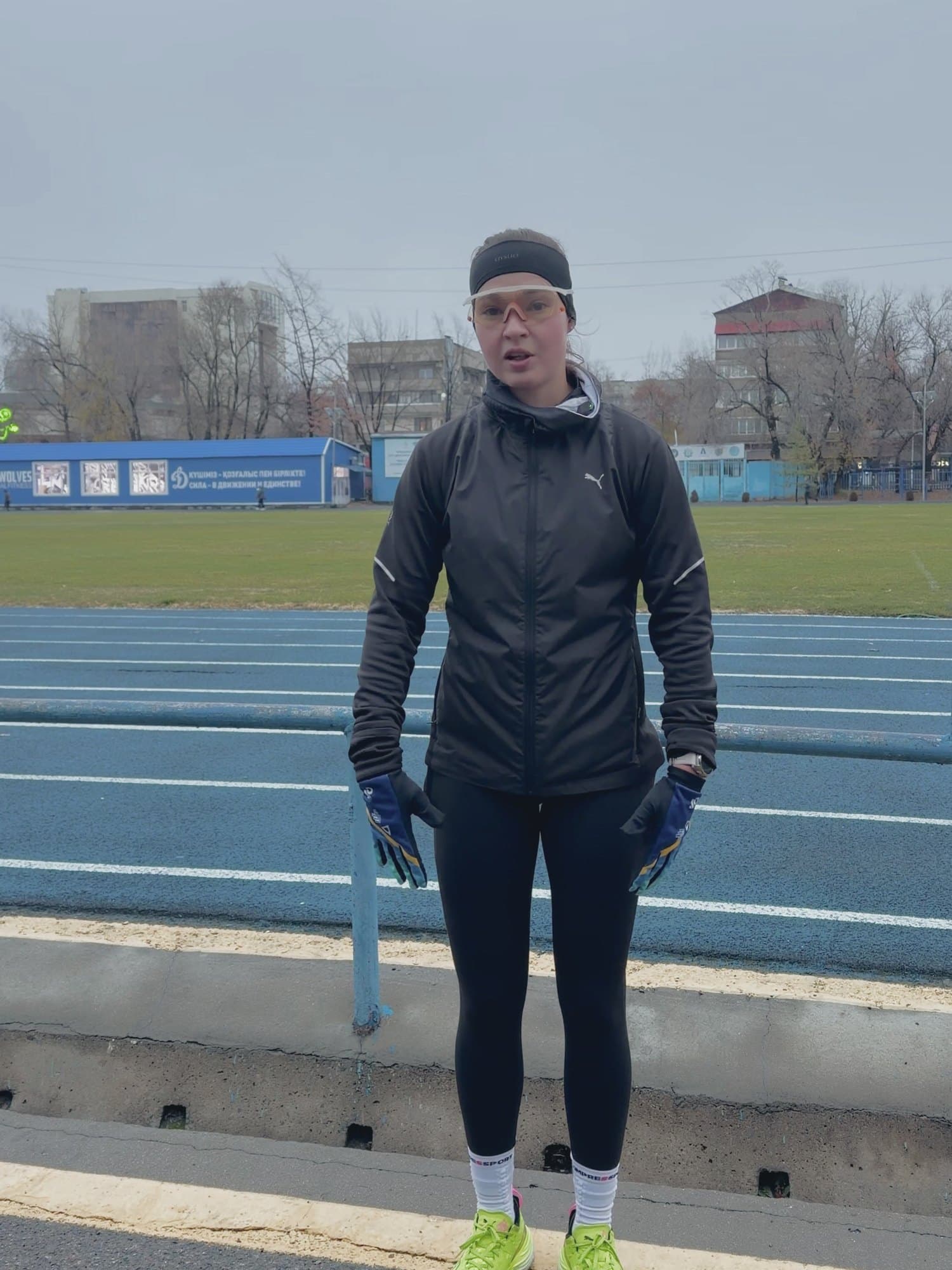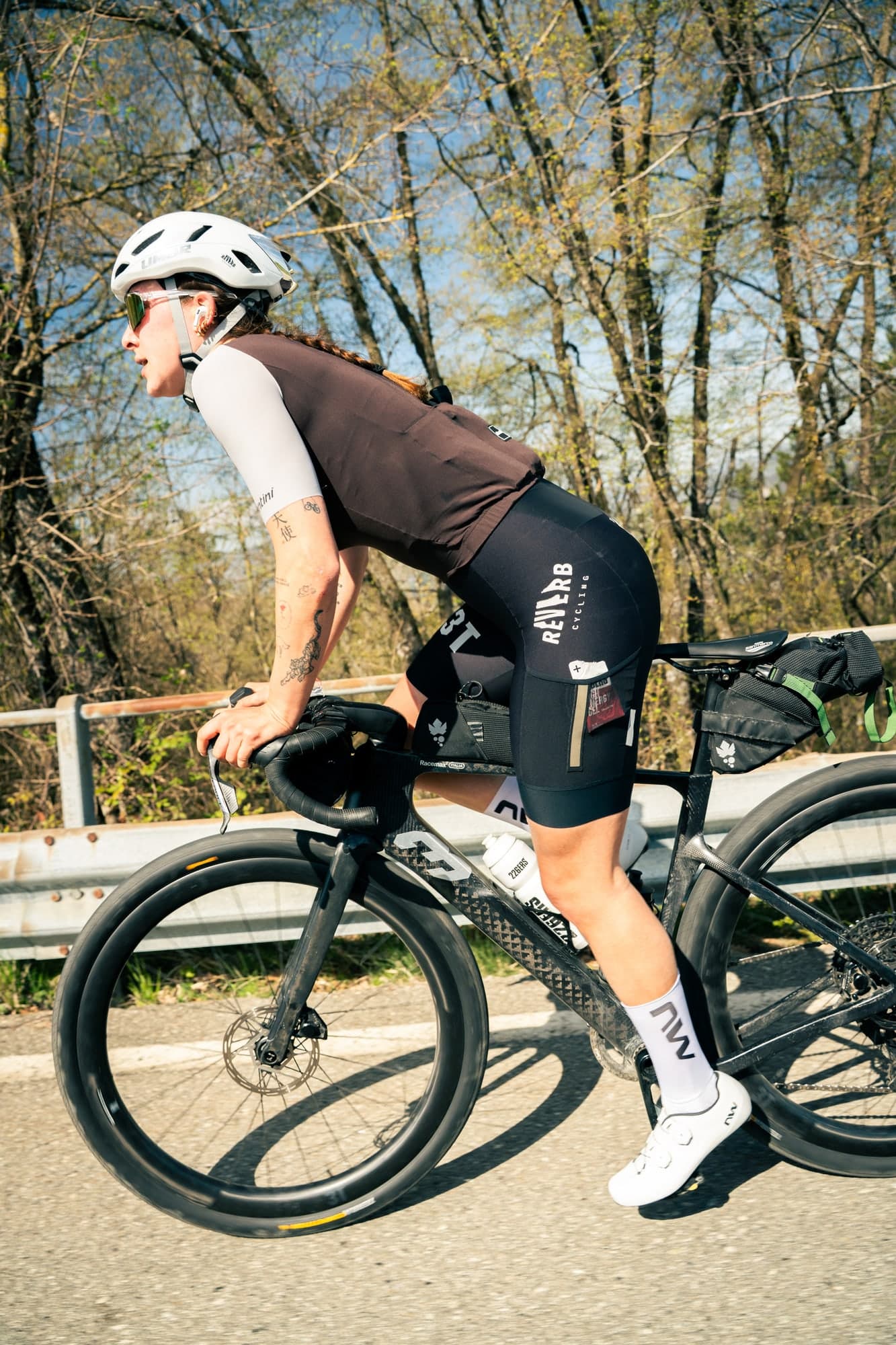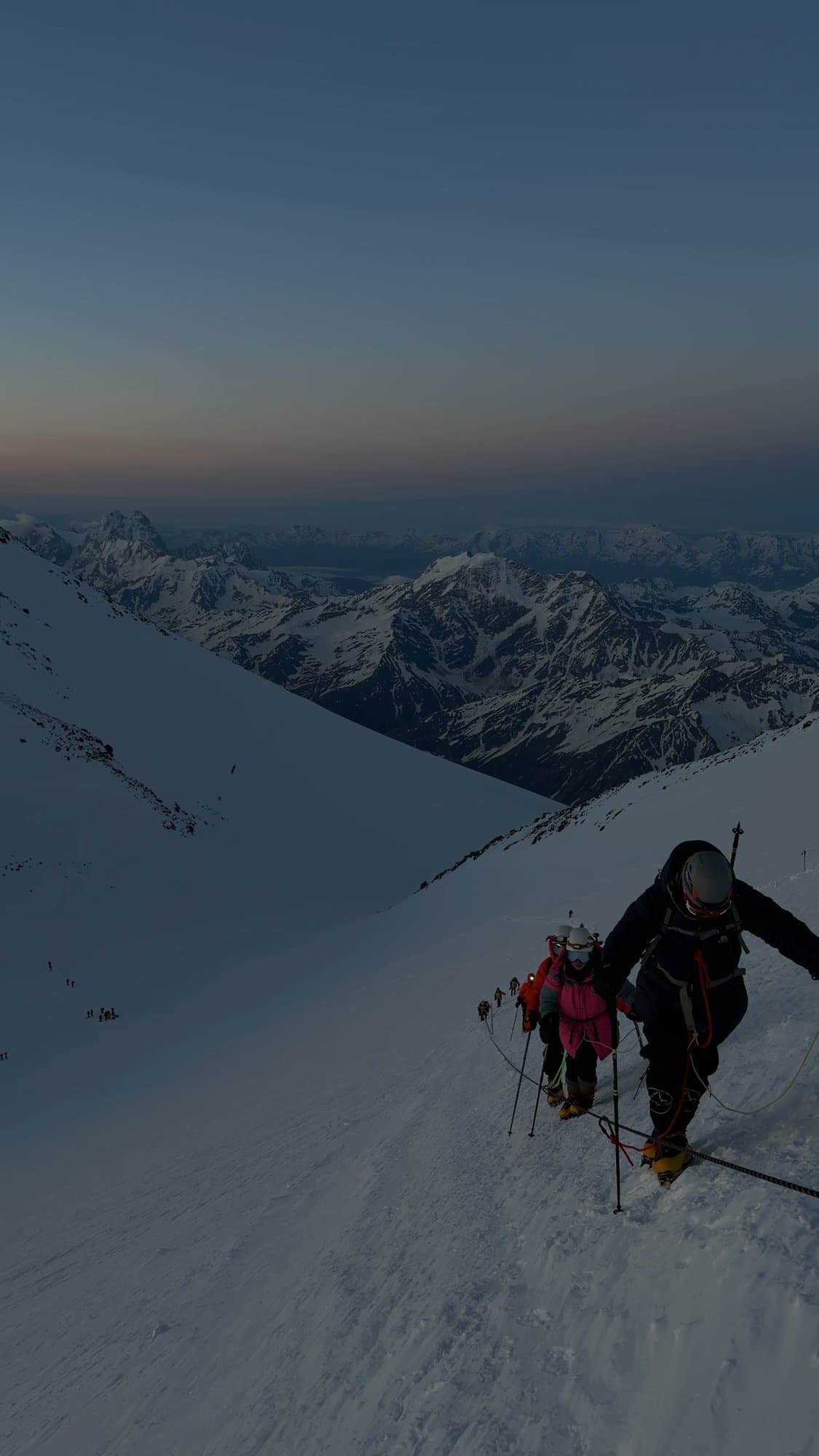
Preparing for high-altitude expeditions rarely looks the way outsiders imagine. Most of the work happens long before heading into the mountains: in the training plan, in the daily routine, in habits built over months. Coach Elvira Takhauova showed what goes on behind the scenes as the Miles Moments RC group prepared, and she put the emphasis on more than just volume and elevation gain.
Physical fitness is only part of the job
Takhauova prepares the group not only physically. A separate part of her work is devoted to recovery: sleep, micronutrients and injury prevention. These are the parts of preparation that don't show up in reports on mileage and elevation gain, yet they largely determine how much in reserve an athlete has when they reach the start.
Sleep as part of training, not what's left of the day
With this logic, sleep stops being something that will somehow happen after training, work and chores. It goes into the plan on a par with training load: the coach pays attention to it and discusses it with the group as concretely as volume and intensity.
Micronutrients are a topic in their own right
The second element of Takhauova's approach is micronutrients. They're treated not as a bonus to training but as part of preparation, handled systematically and in advance alongside the other elements of the plan.
Injury prevention starts before problems appear
The third component is injury prevention. What matters here is that the work is preventive rather than reactive: the issue is dealt with during preparation, not when the athlete is already facing limitations.
The key is to start early
The crucial detail in the coach's approach is timing. Sleep, micronutrients and injury prevention are built up long before the start at altitude. These aren't things you can catch up on a week before an expedition: they need long, consistent attention, which is exactly why they're part of the group's preparation from the very start of the cycle.
This coach's perspective shows clearly that recovery is as much a part of preparation as training. You'll find PILLAR and other brands for runners, cyclists and triathletes at spacefuel.kz.



FAQ
What does preparing for high-altitude expeditions involve besides training?
Beyond physical fitness, coach Elvira Takhauova devotes a separate block of work to recovery: sleep, micronutrients and injury prevention. These are the elements that never show up in reports on mileage and elevation gain, yet they largely determine the reserves an athlete brings to the start.
Why is sleep treated as part of the training plan?
In the coach’s approach, sleep stops being something that “will somehow work out” after training, work and daily chores. It is part of the plan alongside the training load, and the coach discusses it with the group as concretely as volume and intensity.
How far in advance should recovery work begin before an expedition?
Sleep, micronutrients and injury prevention are built long before the start at altitude. These are not things you can catch up on a week before the expedition: they require long and consistent attention, which is why they are part of the group’s preparation from the very beginning of the cycle.