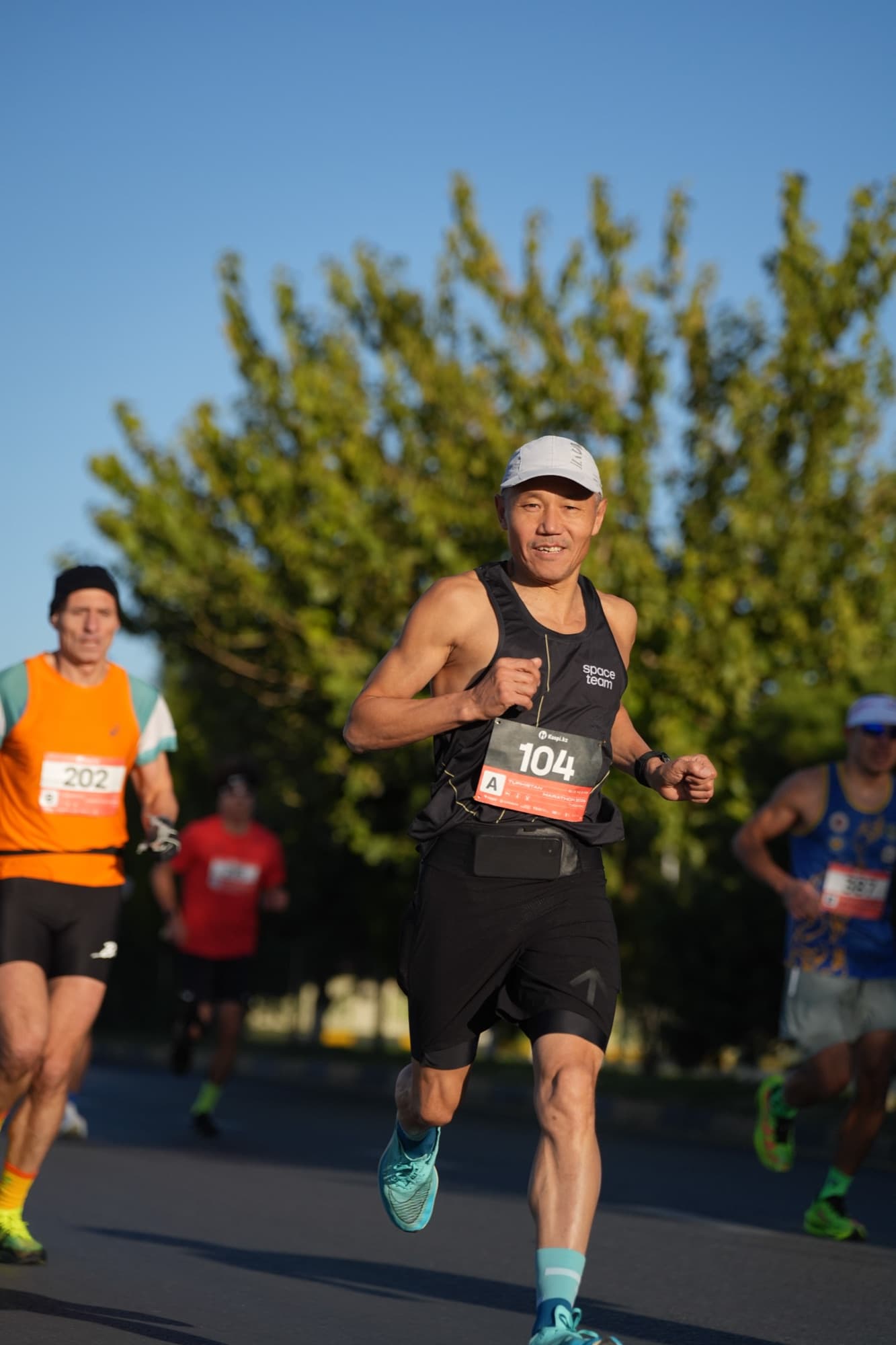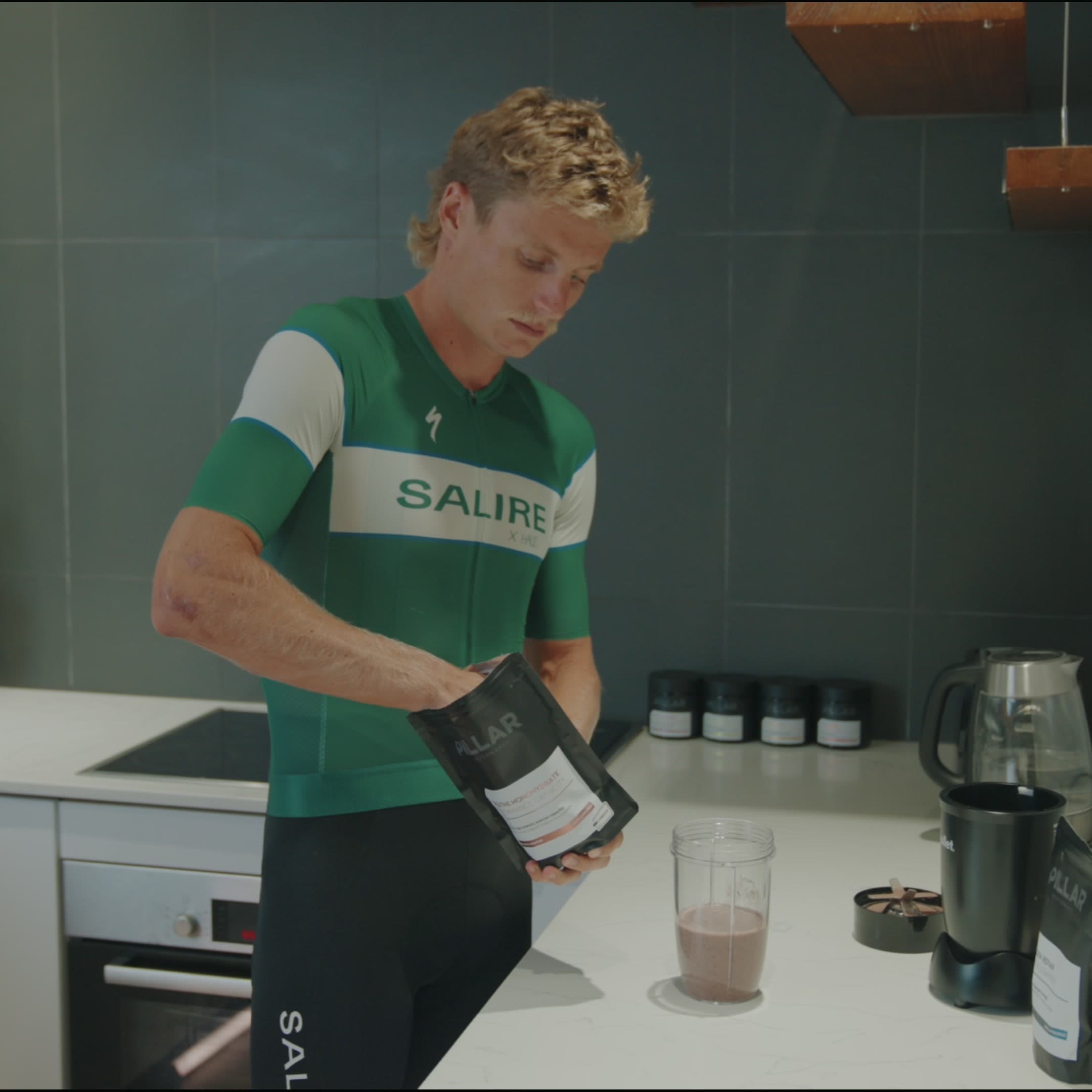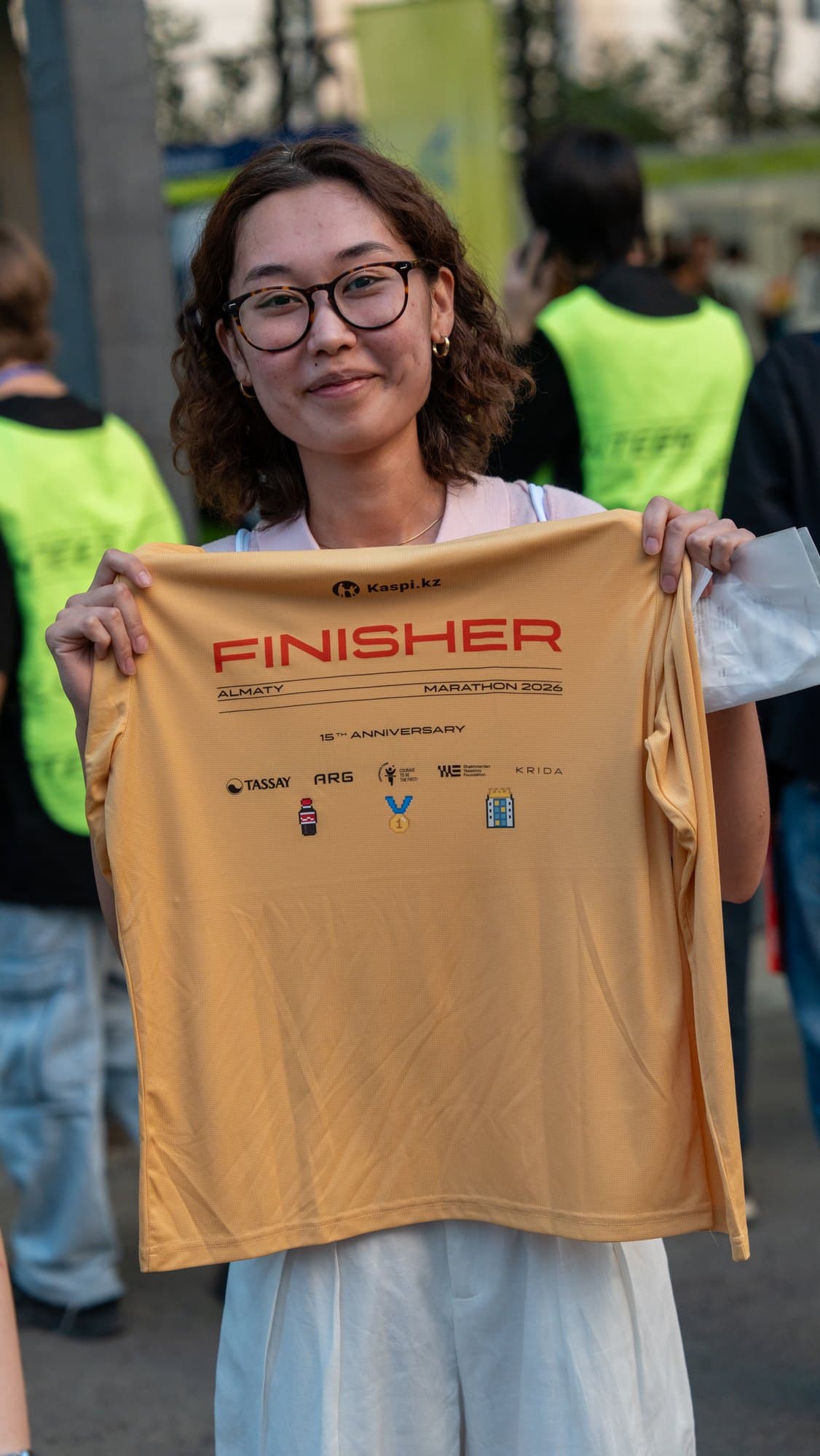
Pacing a race is the question that shapes your result more than the final weeks of training do. Turkistan Marathon, held on 25 October 2026, offered participants three distances: 42, 21 and 10 km. For a runner these are three different races, each with its own tactics, its own fuelling schedule and its own typical mistakes. This piece will be useful to anyone preparing for an autumn race in Kazakhstan who wants to understand how to spread their effort from the first kilometre to the finish arch, rather than running on feel and hoping it lasts.
Three distances: not simply different lengths
10 km, the half and the marathon differ not only in the number on the results sheet, but in which system of the body becomes the limiting factor. Over 10 km the limit is set by your ability to hold a high heart rate for a long time: glycogen stores are more than enough, but you will have to tolerate discomfort almost from the gun. Over the half, dehydration comes into play, along with the first signs of running low on fuel for anyone out there longer than an hour and a half. In the marathon the main limiter is fuel itself and the state of your muscles: even a perfectly prepared runner will hit the wall without eating and drinking to plan. So choose your tactics to suit the distance rather than copying the person next to you in the start pen.
The first kilometres: the classic mass-start mistake
on any distance, the most expensive mistake is made in the first ten minutes. Fresh legs, a dense crowd, music and adrenaline push you into running 15-20 seconds per kilometre faster than planned, and that overspend comes back twice over in the second half. A working rule: hold the first two or three kilometres slightly slower than target pace and deliberately let the fast starters go. On a course with turnarounds and narrow sections, the seconds given away at the start are almost always won back later through steady running.
Pacing 10 km: even, with a short lift at the end
the 10 km runs well on an “even plus finishing stretch” plan. Take the first kilometre a touch conservatively, hold target pace from the second to the eighth, and over the final one and a half to two kilometres add as much as your legs allow. No fuelling is needed on the course: a normal breakfast two or three hours before and a couple of sips of water at an aid station in the heat will do. The real work is mental: you need to hold your concentration through the middle of the race, when breathing is already hard and the finish is still a long way off.
Half marathon, 21 km: when to bring in carbohydrates
over the half, most amateurs spend between an hour and a half and two and a half hours on the course, and that is exactly the threshold beyond which external fuel starts to affect pace. Common practice: start fuelling no later than 40-50 minutes into the race and then take in around 30-60 grams of carbohydrate per hour as a gel or an isotonic drink. The pacing plan is simple: run the first half calmly and economically, then assess how you feel at 10 km and either hold or add. Drink small amounts at every station rather than gulping down a lot at once when your mouth has already dried out.
Marathon, 42 km: the second half decides your result
marathon tactics are built around even or very slightly accelerating running. The classic recommendation: run the first half a few seconds per kilometre slower than goal pace and save something for the stretch beyond 30 km, where your finishing time is actually made. Marathon fuelling is planned in advance by the clock: usually 60-90 grams of carbohydrate per hour for a well-prepared runner, with water and electrolytes at every station. The most common mistake is starting to eat once you have already faded. A gel does not work instantly, so your fuelling schedule should be preventative rather than an emergency measure.
An autumn race: allowing for weather and course profile
autumn races in Kazakhstan often start in cool air and warm up noticeably by the middle of the distance. That makes it easy to underestimate fluid losses: sweat evaporates quickly and thirst arrives late. A sensible strategy is to drink to a schedule rather than to thirst, and to dress so that you feel slightly cool on the start line. It is worth studying the course profile in advance too: on climbs hold effort rather than pace, and on descents do not run faster than planned, so that your quadriceps survive to the closing kilometres.
Race fuelling: nothing new on race day
the main rule of race day sounds dull but it works: on the course you use only what you have already tested in long training runs. A new gel flavour, an unfamiliar isotonic drink or an unusual drink concentration easily turns into a heavy stomach. Two or three weeks before the race it makes sense to do at least one long run in race format: the same breakfast, the same fuelling intervals, the same products. That way you find out in advance how much carbohydrate your stomach takes comfortably at race pace.
Typical mistakes you can see at the finish
going out too fast, skipping the first aid station, trying to save on fluid in cool weather, a new gel from the race pack, and running the climbs “by the watch” instead of by feel. One mistake deserves a separate mention: comparing yourself with runners on a different distance. In a combined start you have people racing 10 km alongside people racing 42, and another runner’s pace over the first kilometres tells you nothing useful.
Conclusion
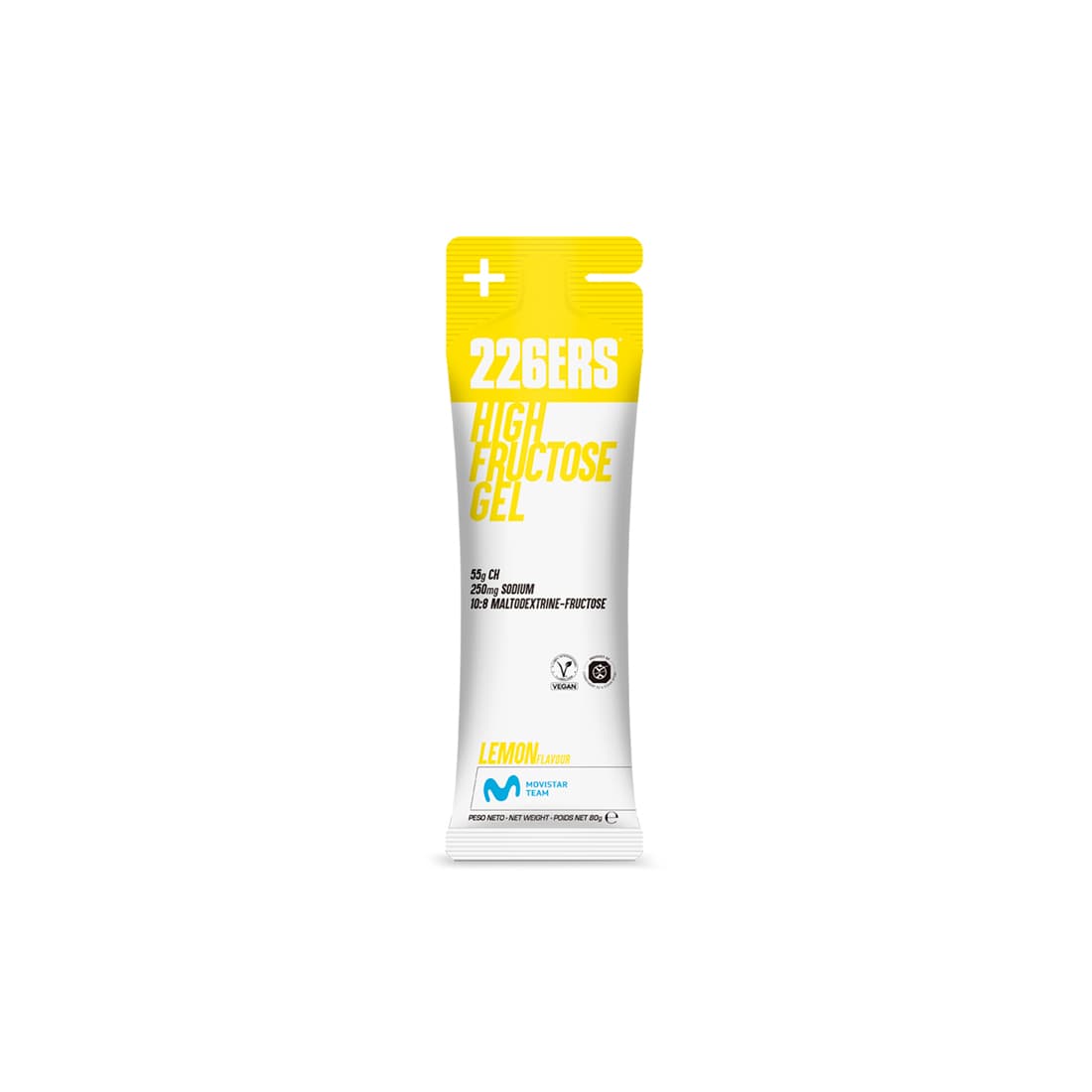
the three Turkistan Marathon distances all point to the same logic: the longer the race, the more it depends on a pace and fuelling plan written in advance, and the less room there is for improvisation. Break the distance down into sections, decide where you start eating and drinking, and rehearse it in training. Nutrition from 226ERS, PILLAR and SiS for those rehearsals and for race day can be found at spacefuel.kz.




FAQ
Do you need fuelling over 10 km?
As a rule, no. Your glycogen stores are enough for that distance, so a normal breakfast two or three hours before the start and a couple of sips of water at an aid station in hot weather will do.
When should you start taking gels in a half marathon?
Common practice: start no later than 40-50 minutes into the race and then take in around 30-60 grams of carbohydrate per hour. Do not wait until you feel tired, as a gel does not work instantly.
How should you pace a 42 km marathon?
It is best to run the first half a few seconds per kilometre slower than goal pace and save something for the stretch beyond 30 km. It is the second half that determines your finishing time.