A month's supply of sports nutrition usually gets worked out at the last minute: two days before a long session, or the night before a race. This article is for runners, cyclists and triathletes who want to stop buying gels one at a time and build a predictable system instead: so many carbohydrates per hour, so many servings of isotonic drink per week, so many sachets for recovery. The occasion is the publication of the October 2026 figures on spacefuel.kz, where the shop set out its number of orders, the cities it delivered to and the five most popular products of the month, including one unexpected entry. The numbers come from the shop's own records, and they show one thing clearly: demand for nutrition does not move at random, it follows the calendar of training and races.
Why nutrition is counted in months rather than in individual races
If you plan nutrition around a race alone, your training block is left without fuel. Yet that is exactly where your stomach gets used to carbohydrates, where you find out which gel does not leave you feeling heavy, and where you build up the speed of handling a wrapper on the move. A monthly horizon is convenient because it matches the typical cycle of a plan: three loading weeks and one easier week. Count it once and you have a template that you simply multiply by the number of months left before your main race.
How many carbohydrates per hour you need in training and in a race
The generally accepted starting point in sports science is this: for work lasting up to an hour you barely need nutrition on the course, water and electrolytes are enough. From one hour to two and a half, the guideline is 30 to 60 grams of carbohydrate per hour. Over longer distances a trained stomach can absorb more, up to 90 grams per hour and above, but only with glucose and fructose blends and only after deliberate preparation. Those numbers are the basis of the calculation: first you work out the hours, then the grams, and only then do you convert the grams into actual packets.
How to turn a training plan into a number of gels and servings
Take your calendar for the month and write down only the sessions where nutrition is genuinely needed: long runs and rides, tempo work longer than an hour, intervals in the heat. Multiply their duration by your chosen carbohydrate target per hour and divide by the carbohydrate content of a single serving. Add about twenty per cent on top of the result: one session gets moved, one runs long, one serving goes missing in a pocket. Servings for the race itself and servings for trialling go on a separate line: a new flavour or a new format is always tested in training, never on race day.
What a month of order statistics actually tells you
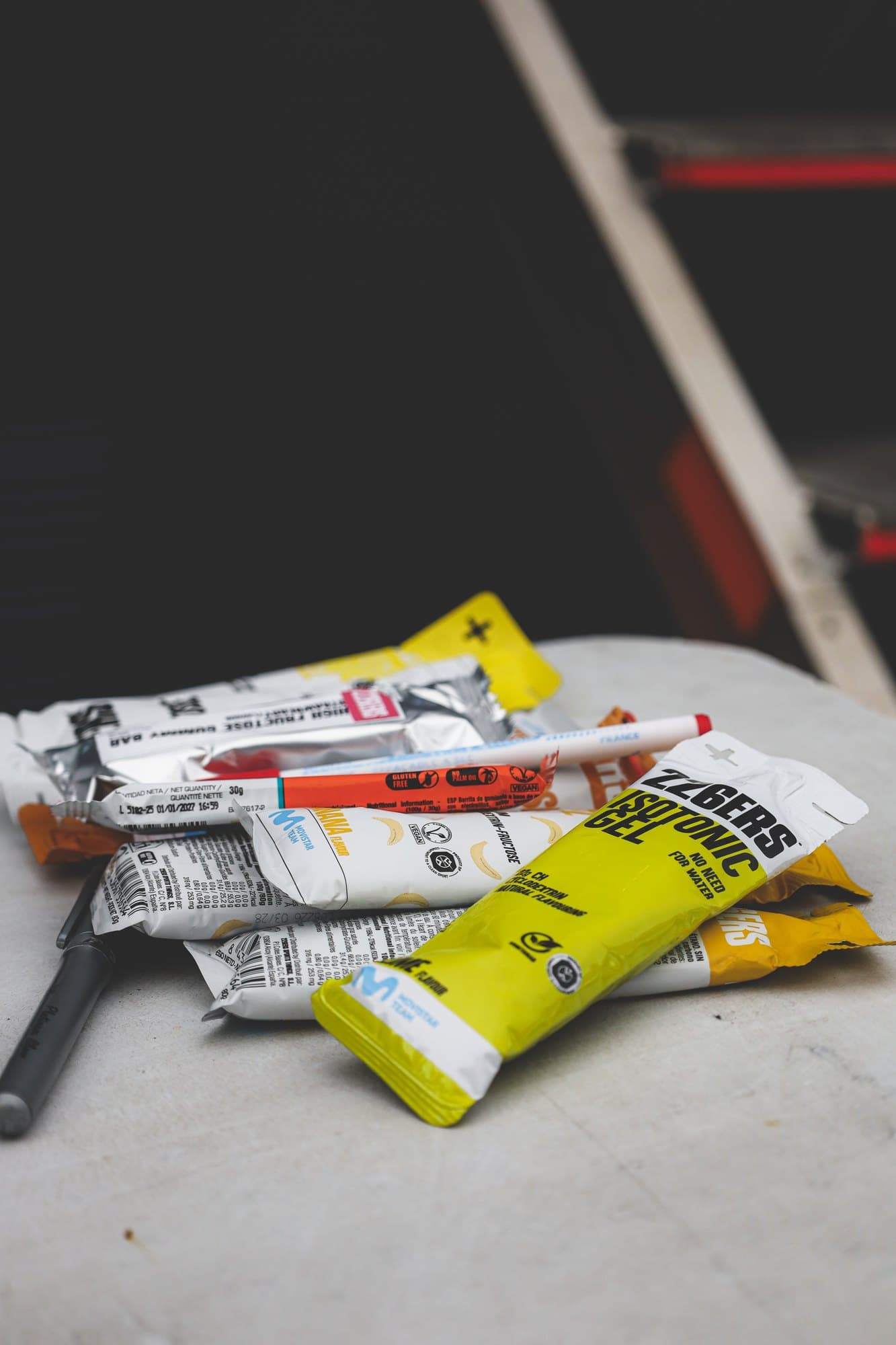
The monthly round-up is useful not as advertising but as a snapshot of the season. The geography of orders shows that sports nutrition in Kazakhstan is not bought only in the two largest cities, and that shipping to the regions has become an ordinary part of preparation. The make-up of the top five shows something else: at the height of the racing season gels and isotonic drinks move to the front, while between seasons demand shifts towards recovery and basic supplements. An unexpected entry on the list usually means the community found a solution that works before it became popular.
Why the bestseller list is not your personal plan
The most common mistake when stocking up is to buy what other people buy most often. Popularity reflects the average request, whereas carbohydrate tolerance, how much you sweat and your pace are individual. It makes sense to use the list of most popular products as a guide to categories: it shows that most baskets hold fuel for the distance, a drink, and something for recovery. But the specific flavours, the strength of the drink and the number of servings per hour are decided by your training alone.
What people usually forget to add to the order
There are almost always gels in the basket, and almost always two things missing. The first: electrolytes for working in the heat and for long days when salt leaves with sweat and only water goes back in. The second: nutrition in the first hours after a session, when the body replenishes its stores best and starts to repair muscle. The third item people skip: solid food for very long distances, because by the sixth hour the same gels stop going down. The best way to check an order is against these four blocks: water, fuel, salt, recovery.

When to order nutrition so it arrives in time for the long session
Race nutrition should not arrive in time for the race, it should arrive in time for the long session where you trial it. A practical guideline: the key long session with the full race plan is done two or three weeks before the start, which means the order goes in well in advance, allowing for delivery time to your city. That sequence removes the biggest risk in any race: an unfamiliar product in your stomach on the course. It also takes the edge off the final week, when all that is left is to rest and check the list again.
Typical mistakes when stocking up for the season
The first: buying a single packet to try, and ending up on the start line with no experience of it. The second: buying too much of one flavour that you stop liking a month later. The third: cutting corners on the drink and taking only water on long sessions, arriving at the finish with cramp and a heavy head. The fourth: ignoring the use-by date and the storage temperature, especially if part of the stock travels in a car boot in summer or winter. All four are solved by the same thing: a written plan for the month and a calm stocktake of what is left at the end of the cycle.

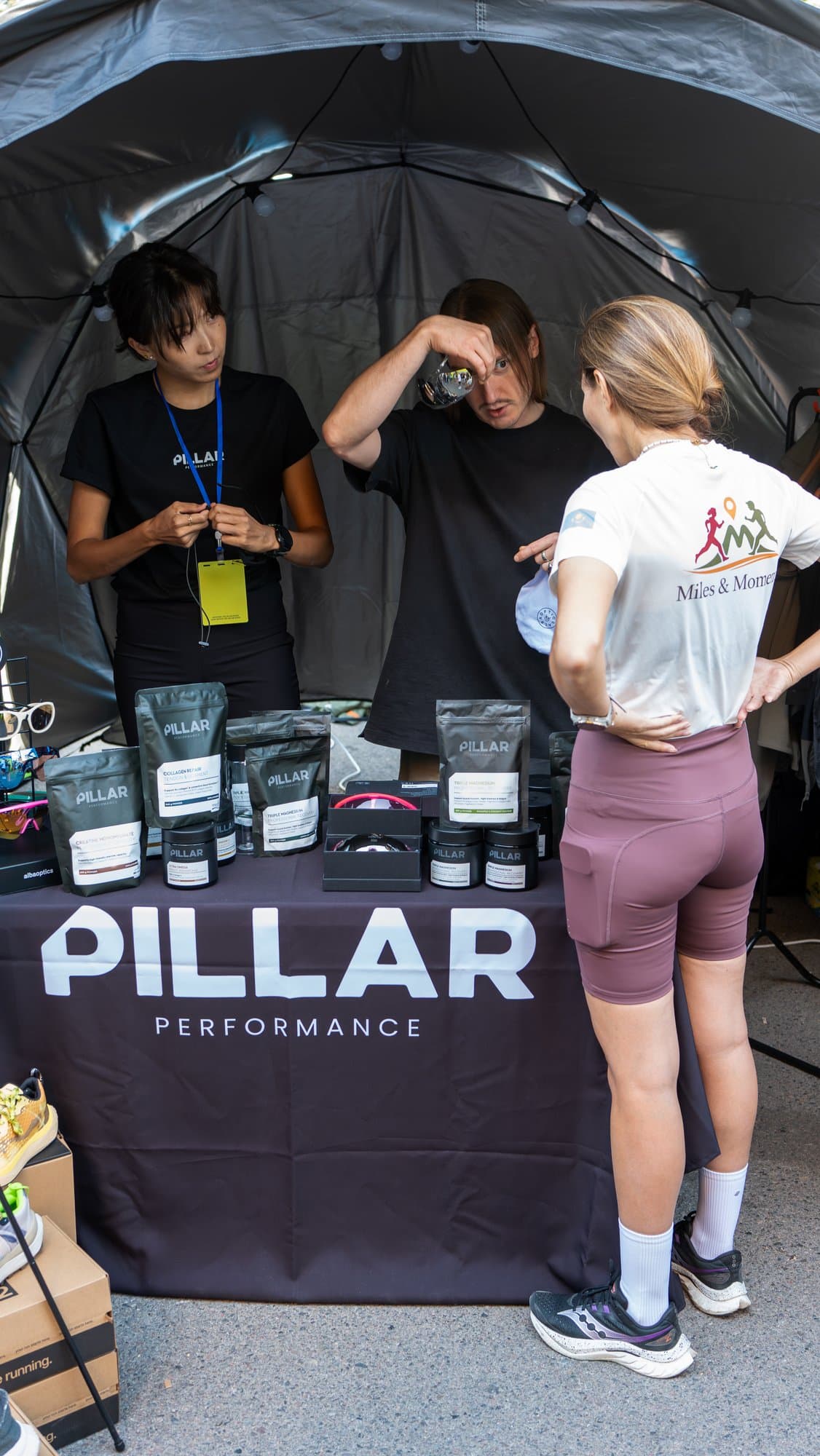
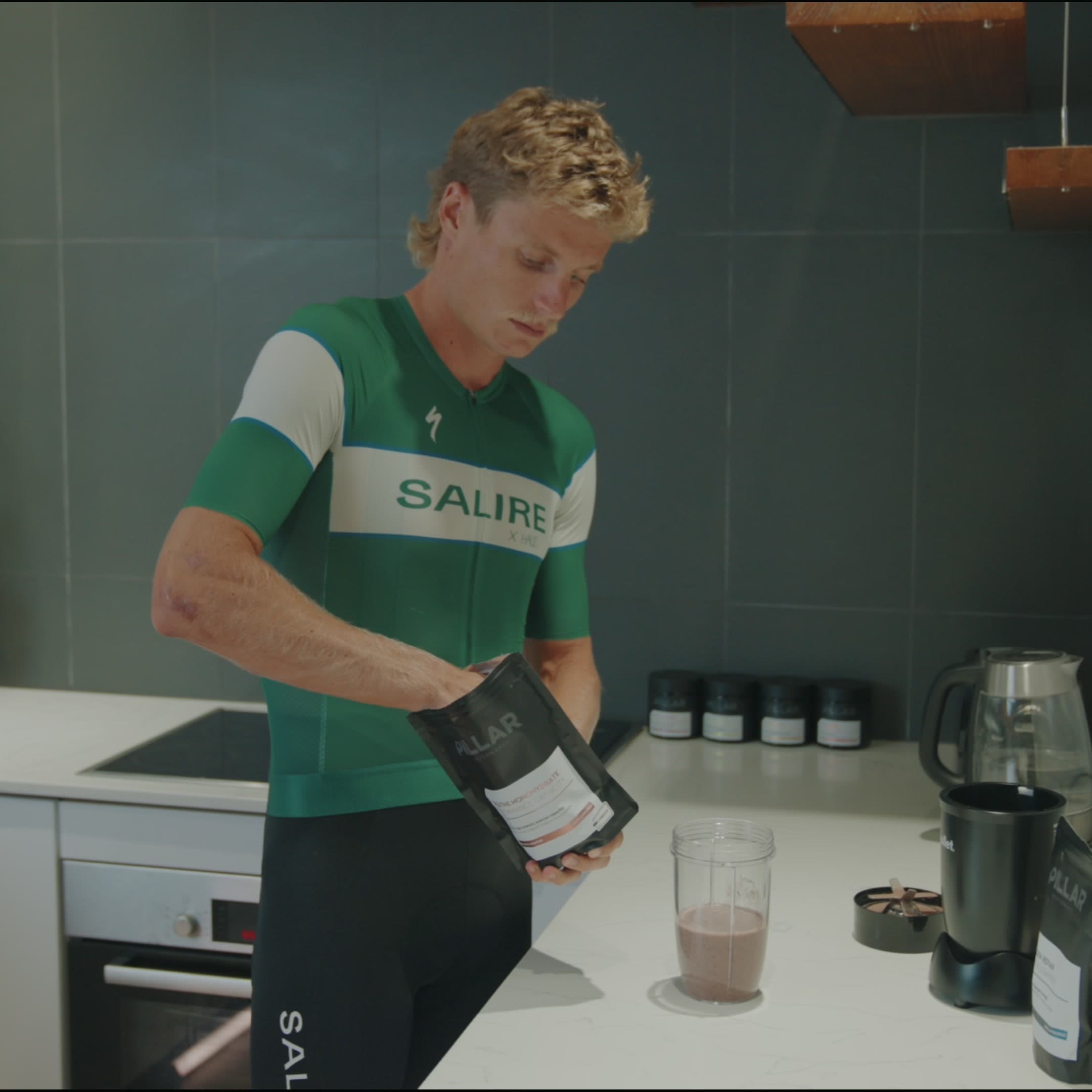
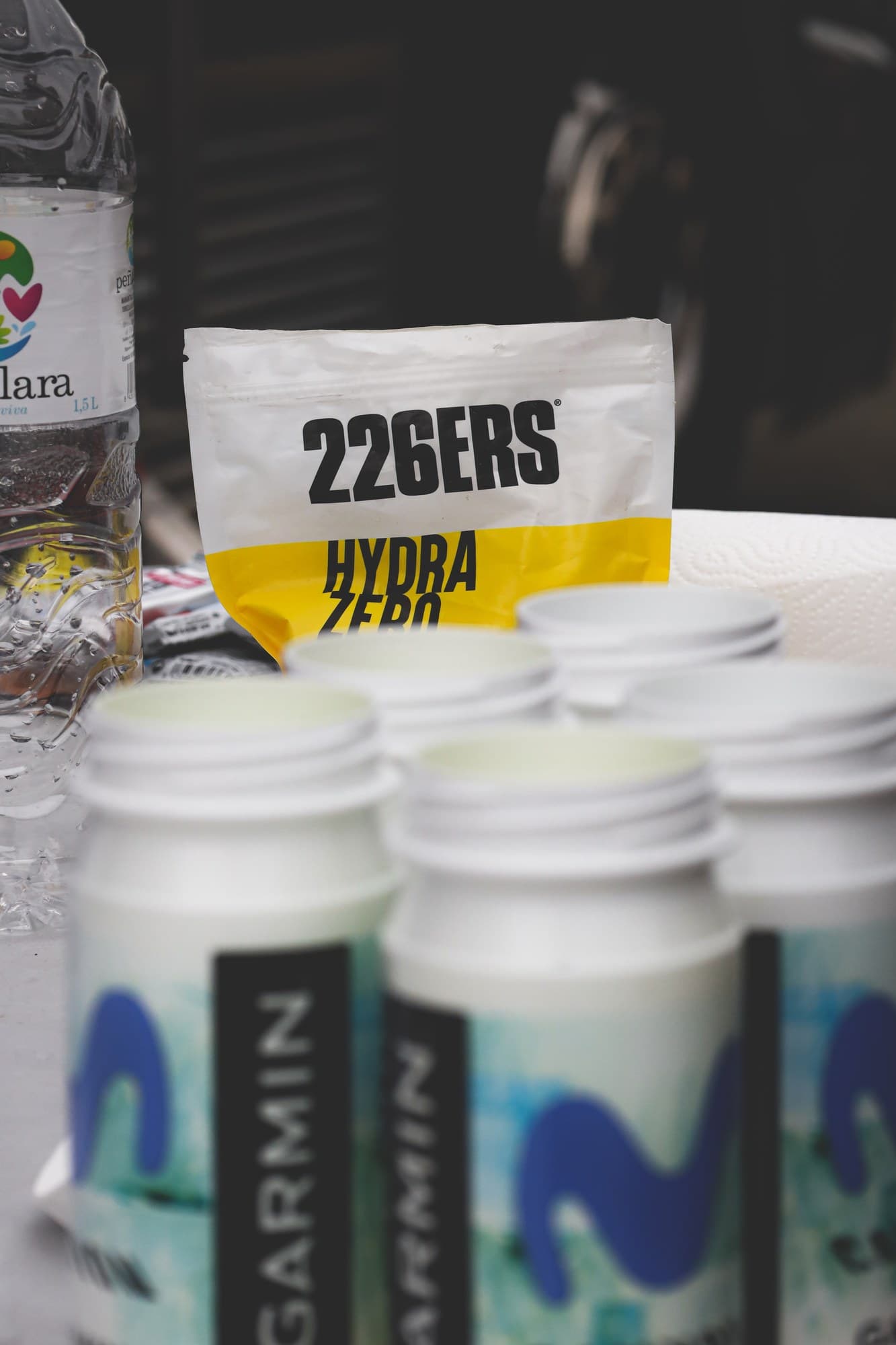
The October 2026 figures on spacefuel.kz show something simple: nutrition became part of planning long ago, not a purchase on the last day. Work out your own hours and grams, sort them into the four blocks and order your supply in advance. The 226ERS, PILLAR and SiS range that such a plan is built from is available on spacefuel.kz.





FAQ
How many carbohydrates per hour do you need on a long session?
For work of up to an hour you barely need nutrition on the course, water and electrolytes are enough. From one hour to two and a half, the guideline is 30 to 60 grams of carbohydrate per hour, and over longer distances a trained stomach can absorb up to 90 grams and above, but only with glucose and fructose blends.
How do you calculate how many gels you need for a month?
Write down the sessions in your plan where nutrition is genuinely needed, multiply their duration by your chosen carbohydrate target per hour and divide by the carbohydrate content of a single serving. Add about twenty per cent to the result and account separately for servings on race day and for trialling new products.
Can you go by the shop's most popular products?
The list of popular products is useful as a guide to categories: it shows that a basket usually holds fuel, a drink and something for recovery. But the specific flavours, the strength of the drink and the number of servings per hour are chosen individually, in your own training.