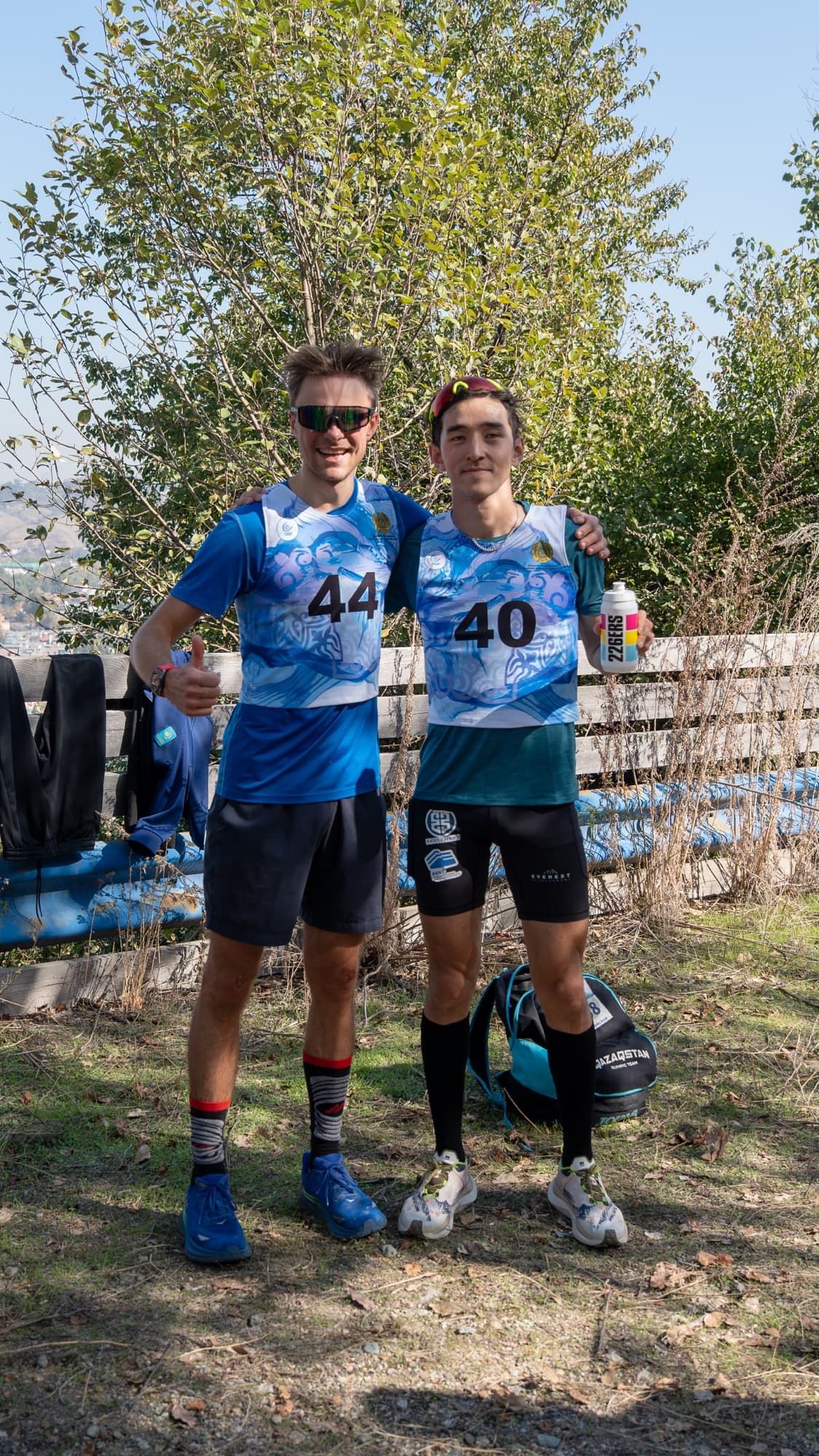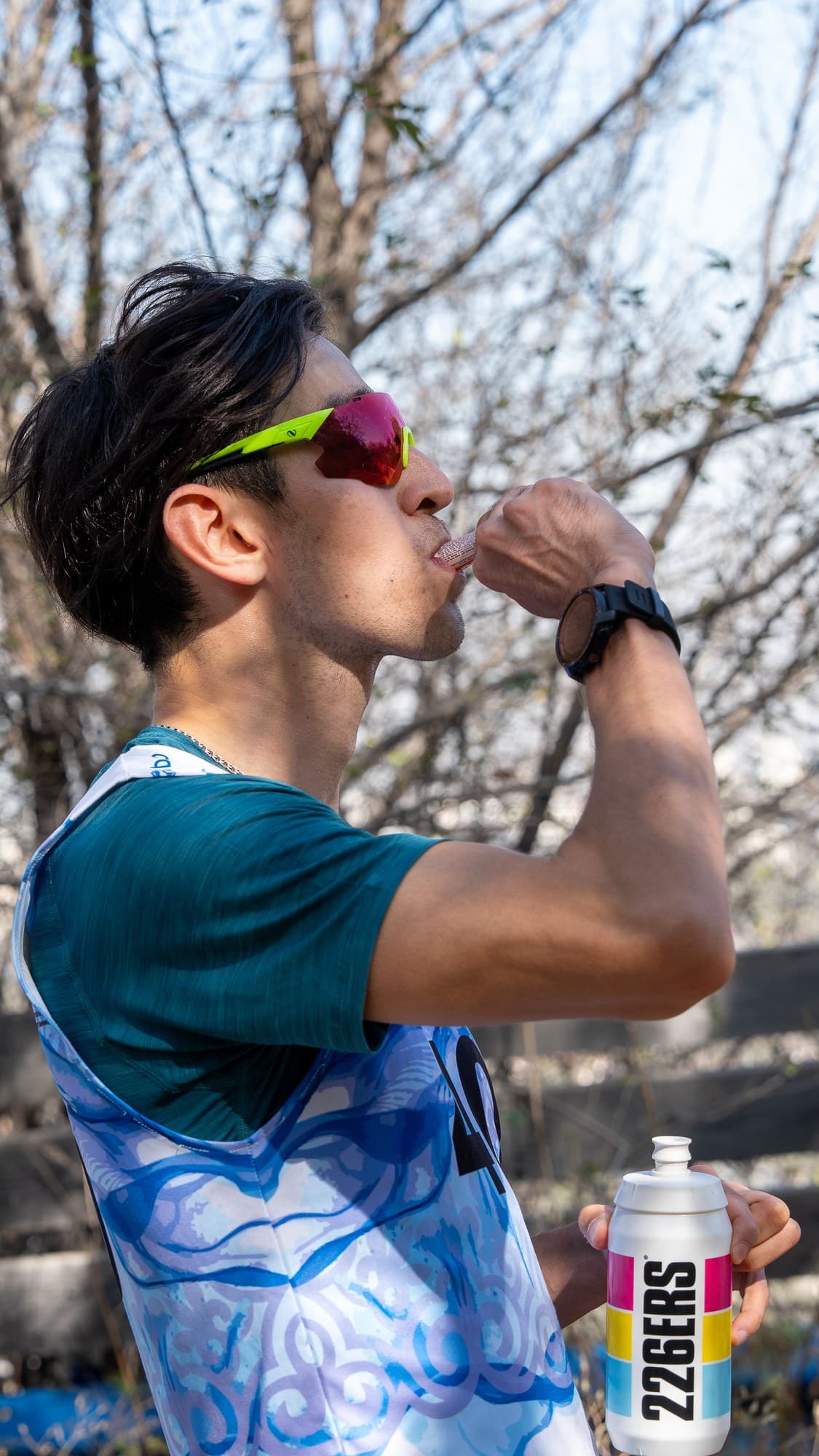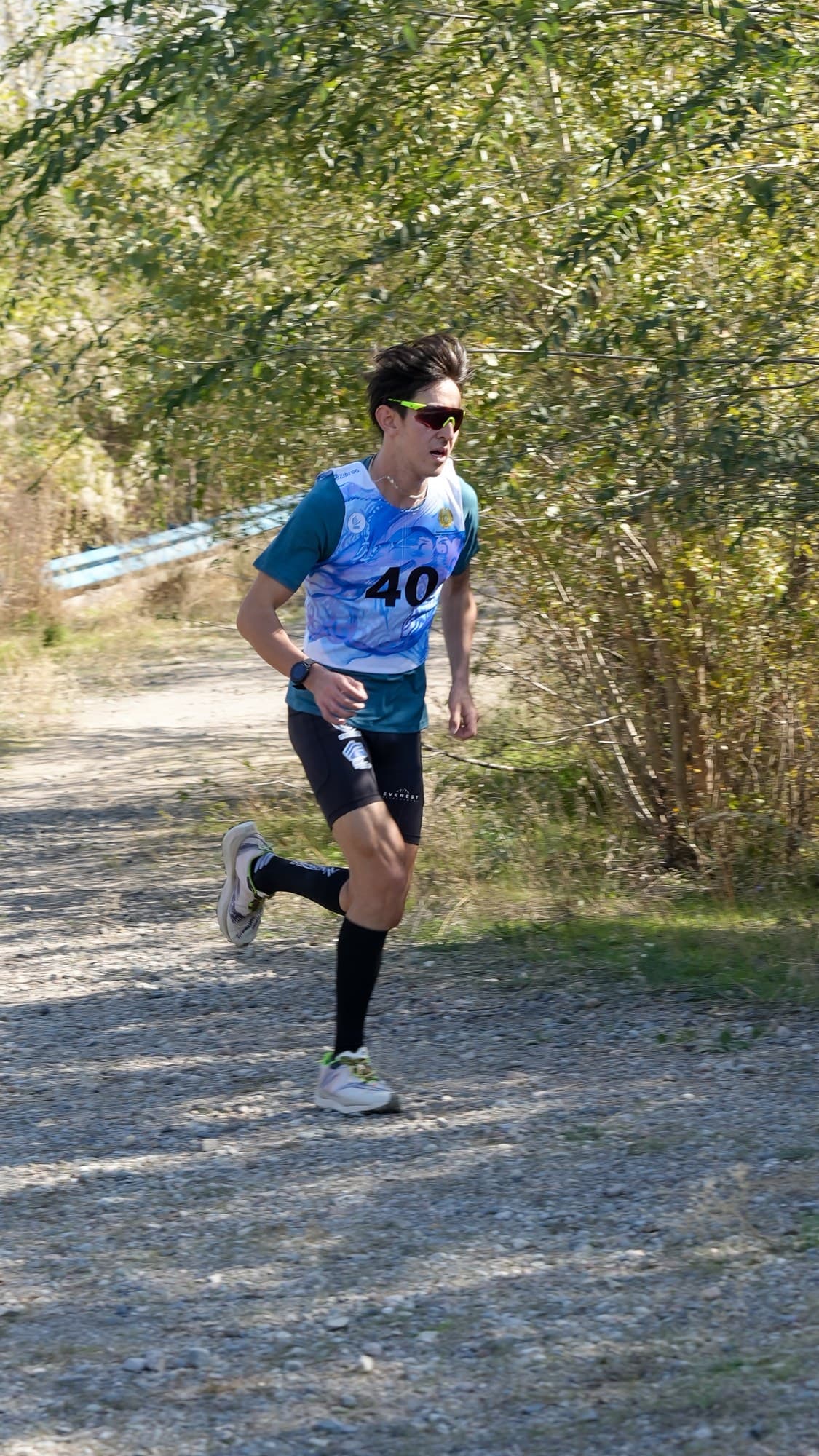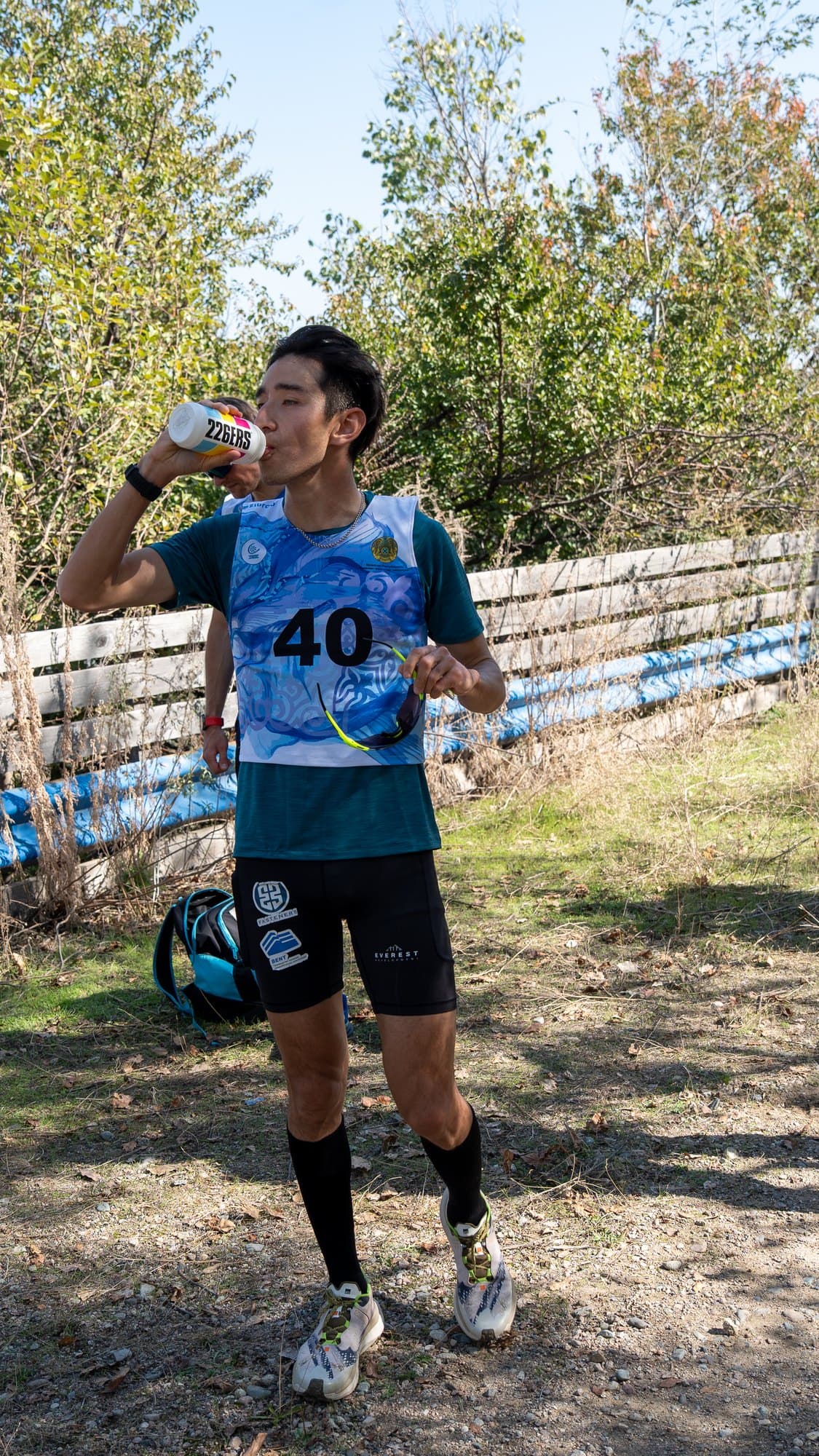
Salomon Yak Trail starts tomorrow. Among those getting ready for the race is Chingiz Rakparov, Kazakhstan's first Olympian in Nordic combined and a 226ERS ambassador. In the off-season he runs trail races, and this is a case where experience from elite sport carries straight over to mountain distances.
Trail running as off-season training
For a Nordic combined skier, running over rough terrain is a natural extension of the training cycle. When the snow goes, the mountains stay, and trail races let him keep his fitness and competitive edge. That is why Chingiz lines up at Salomon Yak Trail not as a casual entrant but as an athlete for whom trail running is part of a structured programme.
What's in the vest
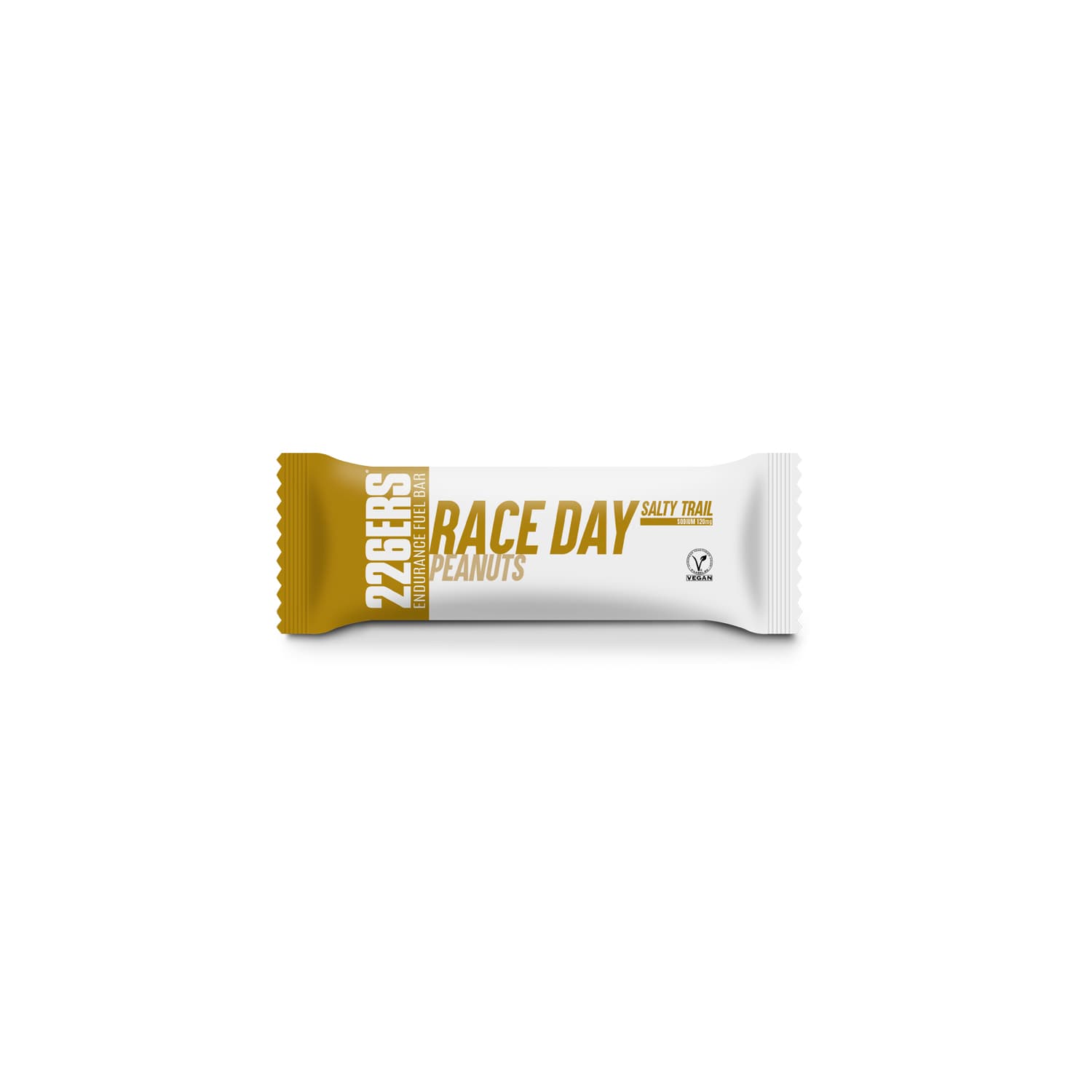
Chingiz describes his fuel kit briefly and to the point: gels, salt and a bar after the second hour. These are three different jobs handled over the course of the race. Gels cover the need for fast carbohydrates: they are easy to take on the move, without stopping and without having to chew anything on a climb. Salt takes care of electrolytes: on long mountain routes you lose a lot through sweat, and it's not only water you need to replace.
Why the bar comes after the second hour
The logic is simple. For the first hours of a race the body runs on gels and fluids, but then another factor kicks in: hunger and the need for something more substantial. A bar in the second half of the race gives you what a gel can't: the feeling that you have actually eaten. That matters both physically and mentally, especially when the finish is still a long way off.
A simple plan instead of a complicated one
There's nothing exotic in Chingiz's story and no long lists. Gels, salt, a bar, and knowing when to reach for each. For a trail race, that kind of clarity often works better than an overloaded nutrition plan that's easy to lose track of five kilometres into a climb. Newer trail runners should take this approach as a starting point: as few items as possible, all tried and tested in training.
The 226ERS products Chingiz Rakparov uses are available at spacefuel.kz, and code CHINGIZ10 gives you a discount. Before the race, it makes sense to pack your vest in advance and try your plan on a long training run rather than for the first time on race day.


FAQ
What does Chingiz Rakparov carry in his vest for the Salomon Yak Trail?
He describes his nutrition set briefly: gels, salt and a bar after the second hour. Gels cover the need for fast carbohydrates and are convenient to take on the move, while salt takes care of electrolytes, because losses through sweat on long mountain distances are noticeable.
Why is the bar only needed after the second hour of the race?
In the first hours of the race the body runs on gels and fluid, but after that hunger and the need for more solid food start to matter. A bar in the second half of the distance gives what a gel cannot: the feeling that you have really eaten, and that matters both physiologically and psychologically.
What nutrition plan works for a beginner trail runner?
Beginners should take this simple approach as a basis: a minimum number of items, all tested in training beforehand. Such clarity often works better than an overloaded nutrition plan that is easy to get lost in on the fifth kilometre of a climb.