Electrolytes and hydration: when water is not enough
In summer in Almaty and Astana, it is easy to lose 1–1.5 litres of sweat an hour during a long session or race. Sweat takes not only water with it but also sodium, and it is a lack of sodium, rather than dehydration itself, that most often lies behind cramps and a sudden loss of strength in the second half of a race.
Thirst is a poor guide
The feeling of thirst lags behind your actual fluid and salt losses. If you only drink ‘when you feel like it’, by the middle of a long session in the heat a sodium deficit will already have built up. Take electrolytes to a plan, for example every 30–45 minutes in high temperatures with heavy sweating.
Plain water is not the answer, and sometimes a risk
If you drink only plain water without electrolytes for a long time while sweating heavily, the sodium concentration in your blood can actually fall. This is called hyponatraemia. Hence the sports science rule: on distances longer than an hour in the heat, your bottle should hold not just water but an isotonic drink or an electrolyte supplement.
What to choose
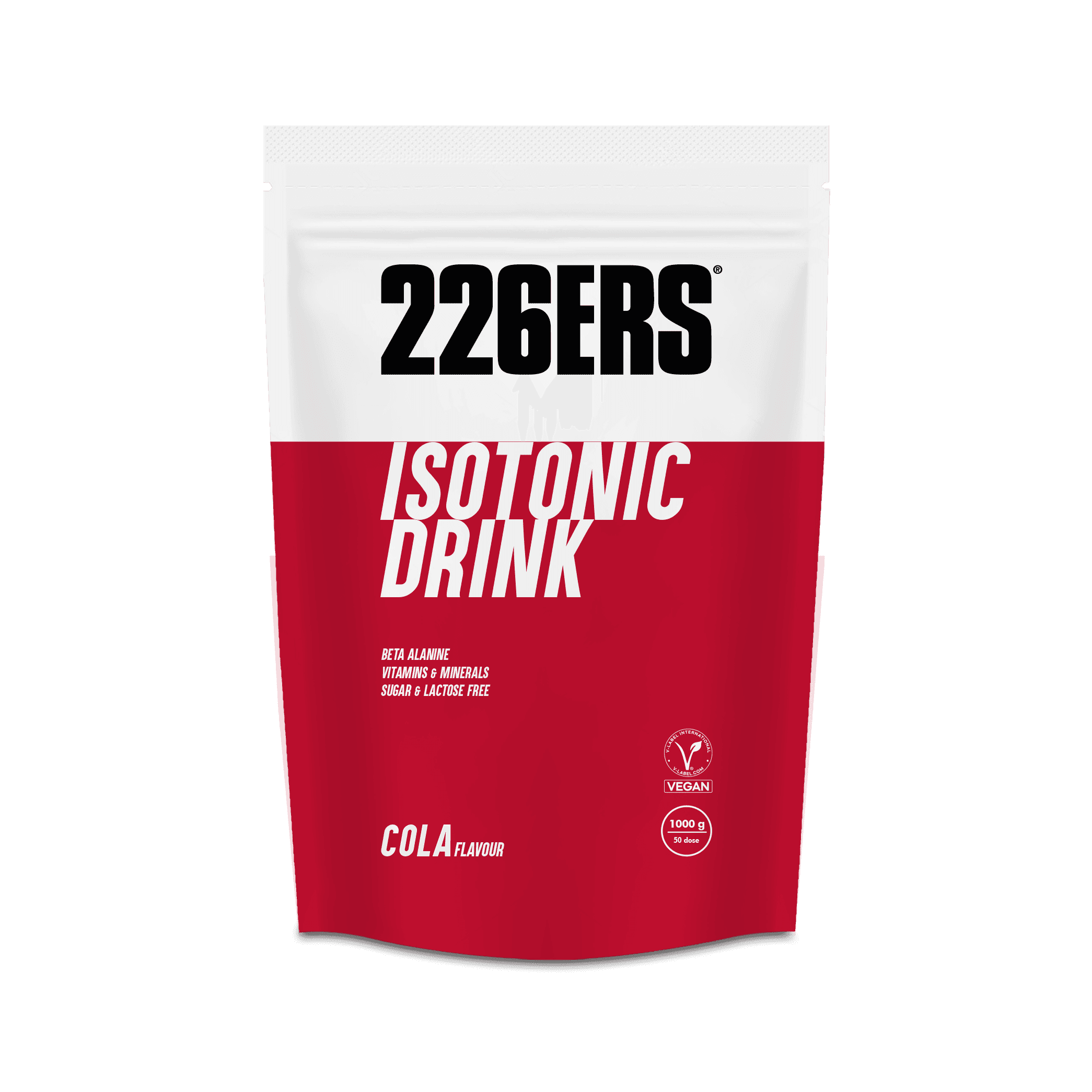
For short, intense sessions, a 226ERS isotonic drink with carbs and sodium in one format is usually enough. For long races in the heat, separate electrolyte supplements (without extra carbs) let you adjust your salt intake regardless of how many gels you have already had.
Signs you are short on electrolytes
Cramps in the calves and feet in the second half of a race, unusually heavy fatigue at your usual pace, a headache after a long session in the heat. If this sounds like you, start adding electrolytes in advance, not after your leg has cramped at kilometre 25.